Overview
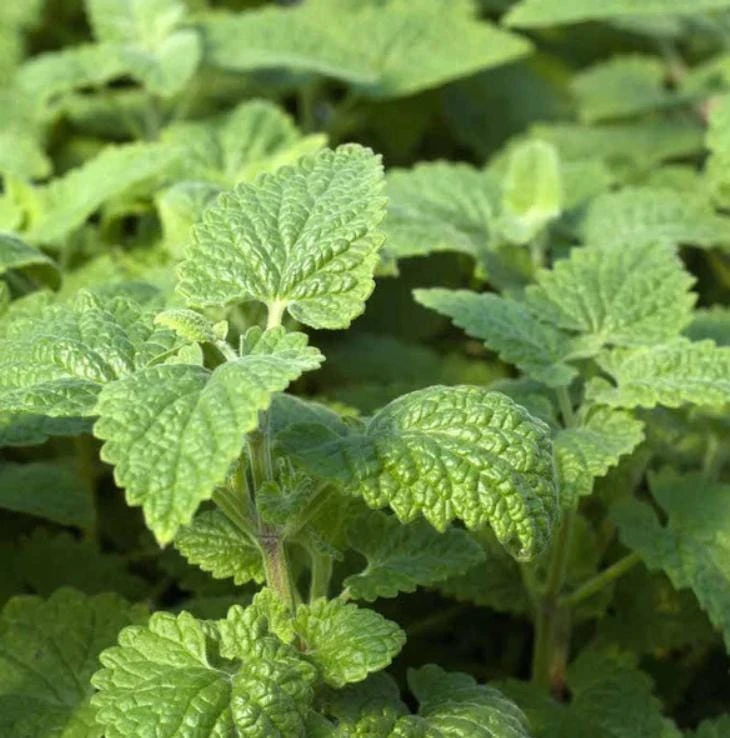
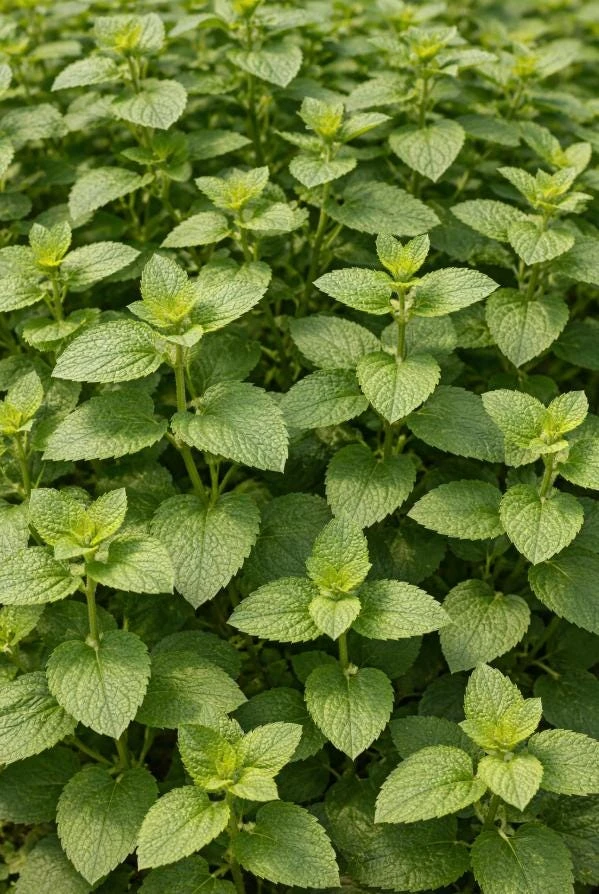
Bring joy to your feline companions and a delightful aroma to your garden with this vibrant catnip live plant. Scientifically known as Nepeta cataria, this aromatic herb is renowned for its soft, green foliage and its irresistible allure to cats. Our offering provides a healthy, young starter plant, typically 3-6 inches tall upon arrival, ensuring you receive a robust foundation for a thriving plant. This easy-to-grow herb is perfect for anyone looking to add a natural, low-maintenance element to their home, whether in a dedicated herb garden, a decorative container on a patio, or even as an indoor potted plant. The Nepeta cataria plant is not only a favorite among felines but also serves as an attractive, fragrant addition to any plant collection, offering both aesthetic and practical benefits.
This resilient plant adapts well to various growing conditions, making it an excellent choice for both novice and experienced gardeners. It quickly establishes itself, producing lush foliage that can be harvested for your pets or for use in teas and other herbal remedies. The journey from a young starter plant to a mature, full-bodied specimen is rewarding, providing continuous fresh growth with proper care. Cultivating your own fresh catnip herb ensures a chemical-free, natural treat for your cats, promoting their well-being and playful instincts. Experience the simple pleasure of growing this versatile plant and watch it flourish in your home or garden.
Key Benefits
Our catnip live plant offers a multitude of benefits, making it an excellent addition to any home or garden. Its unique properties extend beyond just attracting cats, providing a versatile and rewarding growing experience. This plant is a true asset for both gardeners and pet owners alike.
- Natural Feline Enrichment: Provide a safe, natural stimulant for your cats, encouraging playfulness and reducing stress. Freshly grown catnip live plant is often more potent and appealing to felines than dried alternatives.
- Easy to Grow & Maintain: Known for its resilience and adaptability, this catnip live plant thrives with minimal effort, making it ideal for beginners and busy individuals. It’s a forgiving herb that bounces back easily.
- Aromatic & Fragrant Foliage: Enjoy the mild, herbal fragrance emanating from its soft, green leaves, adding a pleasant sensory element to your living space or garden. The aroma is also known to deter certain pests.
- Versatile Garden Addition: Suitable for a variety of settings including containers, herb gardens, outdoor beds, and patios. The flexibility of the Nepeta cataria plant allows you to integrate it seamlessly into your existing landscape.
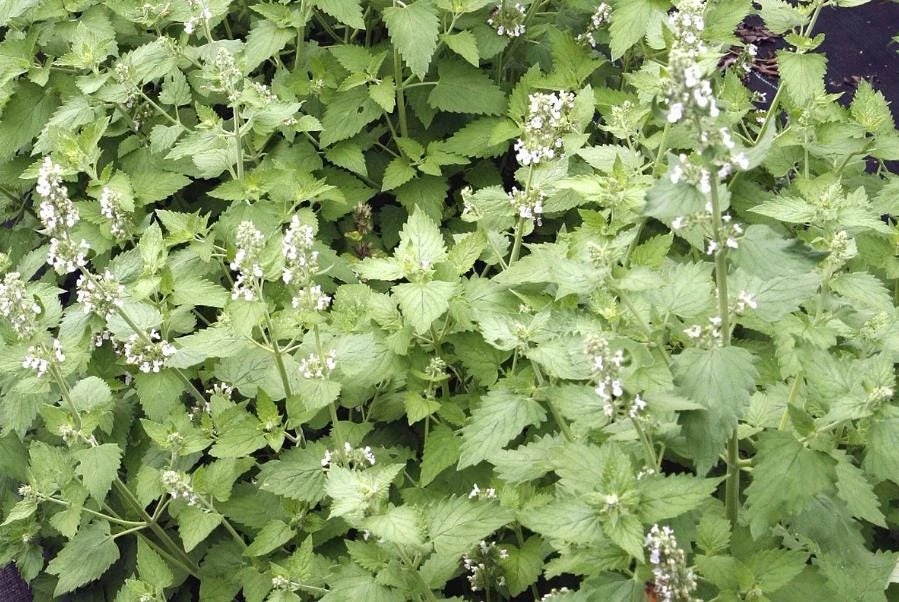
- Attracts Pollinators: While loved by cats, catnip flowers also attract beneficial pollinators like bees, contributing to the health of your garden ecosystem. This makes it a great companion plant.
- Culinary & Medicinal Uses: Beyond pets, catnip can be used to make herbal teas known for their calming properties, and has traditional uses in folk medicine. Growing your own ensures a fresh supply of fresh catnip herb.
- Robust Starter Plant: You receive a healthy, young plant with established roots, ready to grow and mature into a flourishing specimen with proper care and attention.
Plant Care & Growing Tips
Caring for your catnip live plant is straightforward and rewarding, given its hardy and adaptable nature. To ensure your plant thrives and provides a continuous supply of fresh foliage, understanding its basic needs is crucial. The Nepeta cataria plant is generally low-maintenance, making it an excellent choice for both seasoned gardeners and those new to cultivating herbs.
Sunlight: This plant thrives in bright light to full sun. For outdoor planting, choose a spot that receives at least 6 hours of direct sunlight daily. If growing your indoor catnip plant, place it near a south-facing window or under a grow light to ensure it gets adequate illumination. Insufficient light can lead to leggy growth and less potent foliage. Watering: Allow the soil to dry slightly between waterings. Catnip prefers consistently moist, but not waterlogged, soil. Overwatering can lead to root rot, so ensure good drainage. Test the soil with your finger; if the top inch feels dry, it’s time to water. Reduce watering frequency in cooler months. Soil: Catnip is not particularly fussy about soil type but prefers well-draining soil. A standard potting mix amended with some perlite or sand works well for container planting. For garden beds, ensure the soil is loose and drains effectively. Temperature & Hardiness: Catnip is quite resilient and can tolerate a range of temperatures. It thrives in warm environments and is generally hardy in USDA zones 3-9. In colder climates, consider bringing potted plants indoors during winter or providing protective mulch for outdoor plants. Fertilization: A balanced, all-purpose liquid fertilizer can be applied every 4-6 weeks during the growing season (spring and summer). Avoid over-fertilizing, as this can lead to excessive leafy growth at the expense of aroma. Pruning: Regular pruning encourages bushier growth and prevents the plant from becoming leggy. Pinch back stems above a leaf node to promote branching. You can also prune to harvest your fresh catnip herb for your pets. Pest & Disease: Catnip is generally pest-resistant, partly due to its strong aroma. Occasionally, aphids or spider mites might appear, but these can usually be managed with organic insecticidal soap or a strong spray of water.
Size & Details
Each order includes one healthy catnip live plant, meticulously nurtured to ensure a strong start in its new home. Upon arrival, your plant will typically measure between 3 to 6 inches in height, depending on the current batch and growth cycle. This is a young, vigorous starter plant, cultivated to develop a robust root system before shipping. While grown in a nursery pot to establish healthy roots, plants are carefully packaged and shipped without their pot to ensure safe transit and reduce waste. A small amount of soil may be gently removed from the root ball to facilitate this process. The plant’s initial size allows for easy acclimatization to your chosen growing environment, whether it’s an indoor pot or an outdoor garden bed.
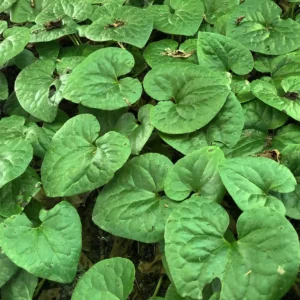
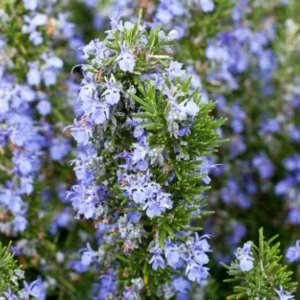
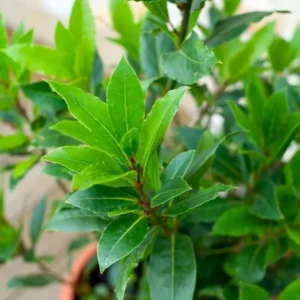
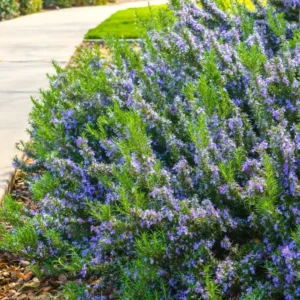
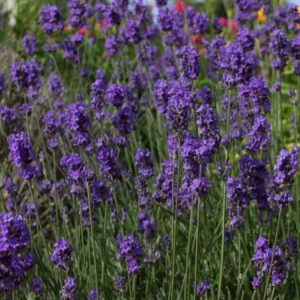
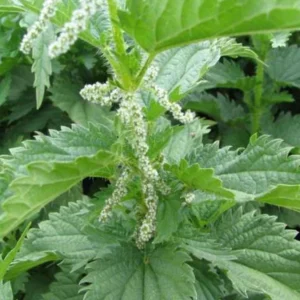
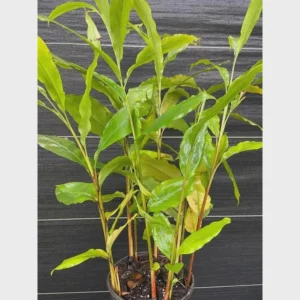
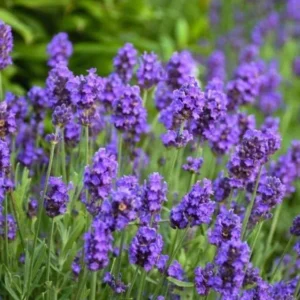
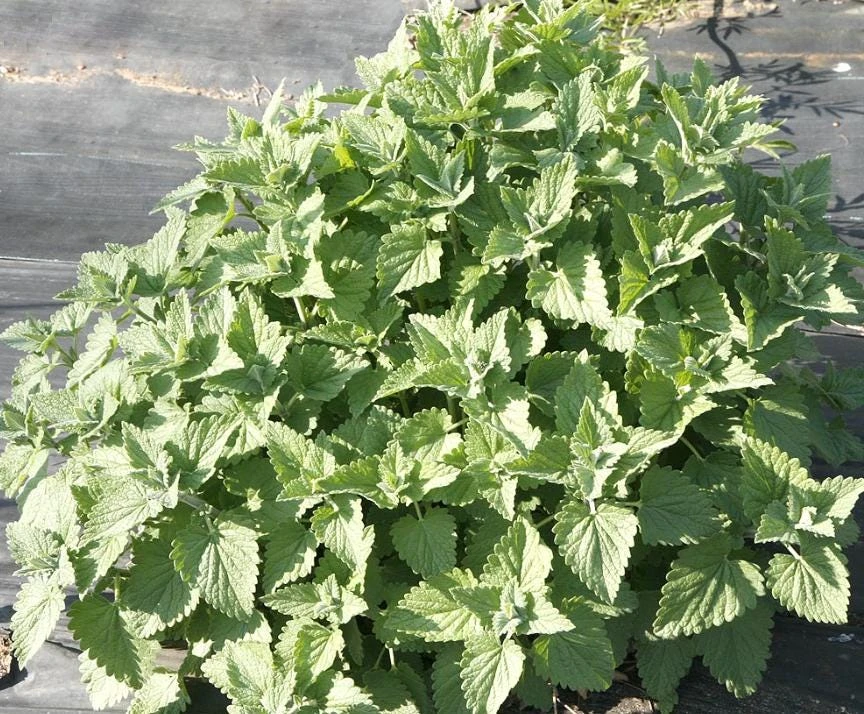
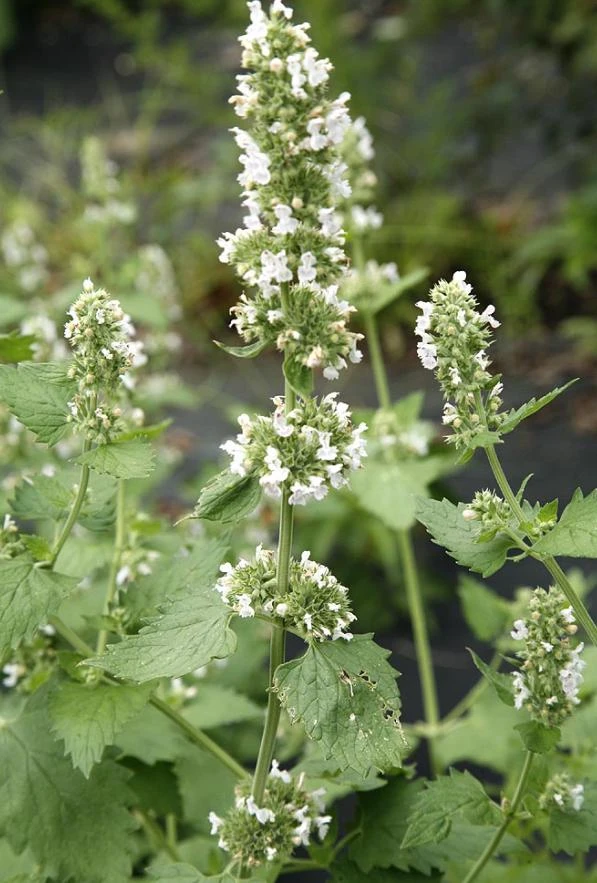
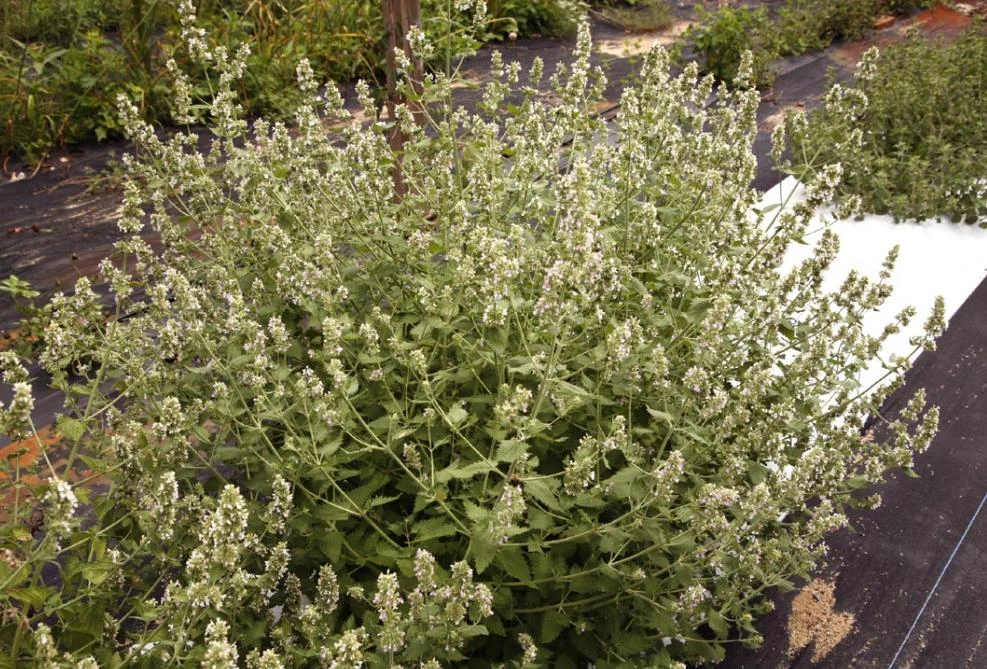
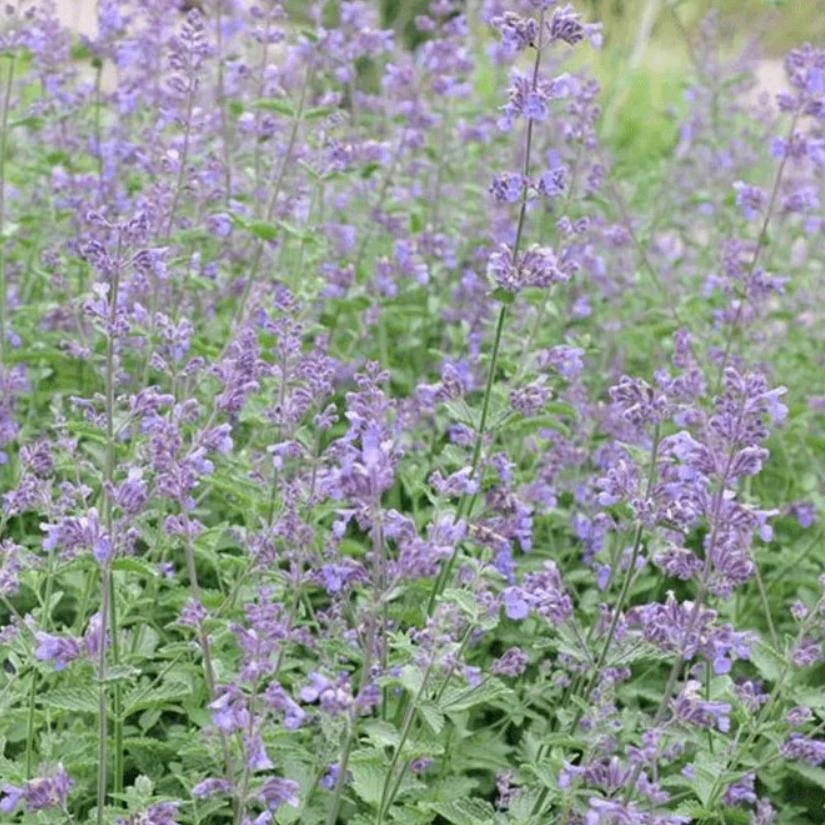
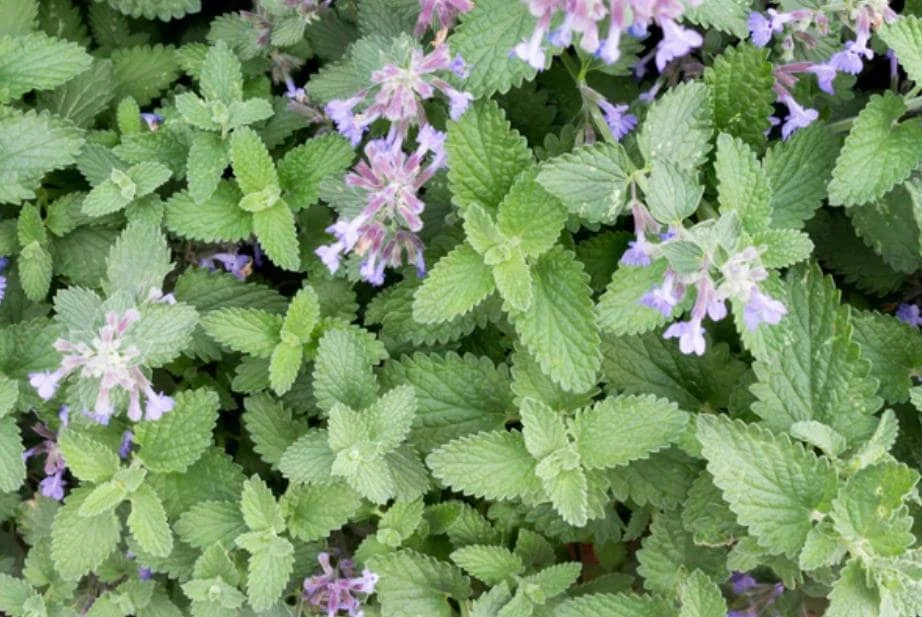
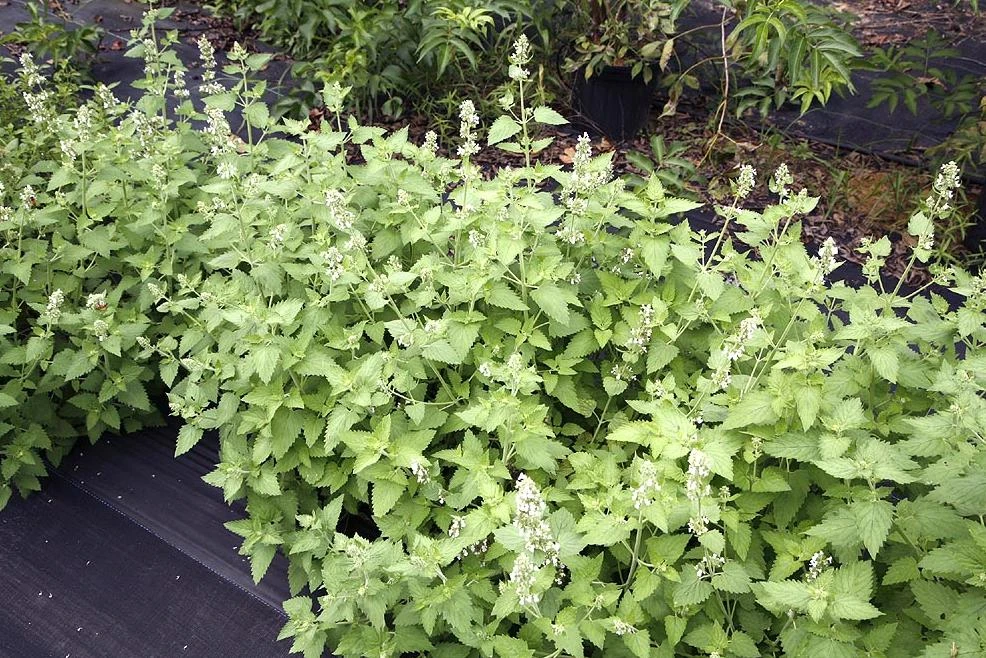
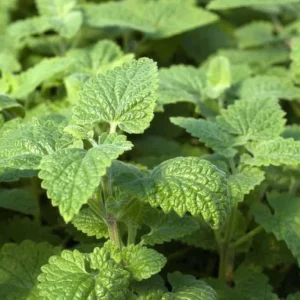
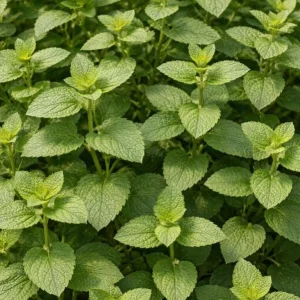
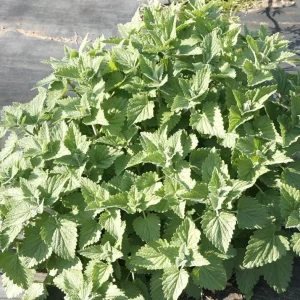
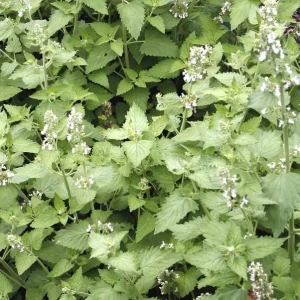
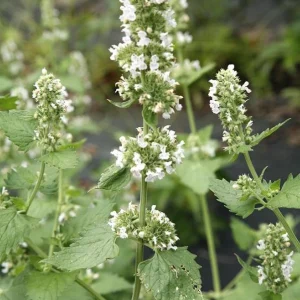
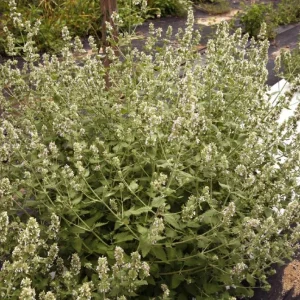
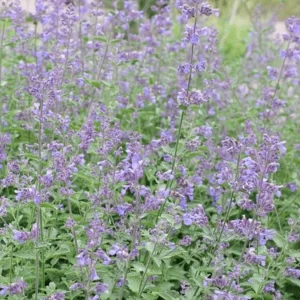
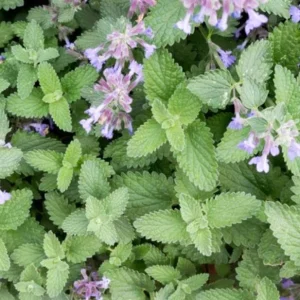
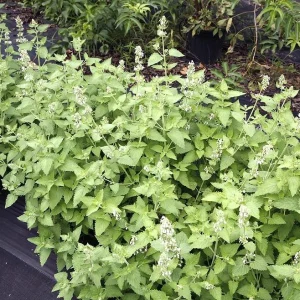
While the images provided may showcase mature plants, these are for reference to illustrate the potential growth and fullness your Nepeta cataria plant can achieve with proper care. Expect your young plant to require a period of adjustment after shipping, followed by steady growth. With adequate sunlight, consistent watering, and a suitable environment, your catnip will quickly mature into a lush, aromatic herb. Its growth habit makes it suitable for containers, herb gardens, patios, or outdoor garden beds, offering flexibility in placement. The plant’s ultimate size and fullness will vary based on environmental conditions and the care it receives, but it has the potential to grow significantly larger and spread if given the space.
Frequently Asked Questions
- Q: How big will my catnip live plant get? A: Your plant will arrive as a young starter, typically 3-6 inches tall. With proper care and growing conditions, it can mature into a bushier plant, often reaching 1-3 feet in height and width, especially when planted in the ground or a large container.
- Q: Is this an indoor or outdoor plant? A: The catnip live plant is versatile and can thrive both indoors and outdoors. Outdoors, it prefers full sun. Indoors, place it in a bright, sunny window or under grow lights to ensure optimal growth and potency.
- Q: How much sunlight does my Nepeta cataria plant need? A: Catnip prefers bright light to full sun, ideally receiving at least 6 hours of direct sunlight each day. If growing indoors, a south-facing window is usually best.
- Q: Is this plant easy to care for? A: Yes, catnip live plant is known for being very easy to care for and is an excellent choice for beginners. It’s quite resilient and forgiving, tolerating a range of conditions once established.
- Q: What condition will the plant arrive in? A: Your plant will arrive healthy, but as a live plant, minor cosmetic stress on leaves or stems during transit is normal. It will be shipped without its pot, with its roots carefully protected.
- Q: How often should I water my fresh catnip herb? A: Water when the top inch of soil feels dry to the touch. Catnip prefers consistently moist but not waterlogged soil. Ensure good drainage to prevent root rot.
- Q: Can I grow this indoor catnip plant year-round? A: Yes, if grown indoors with adequate light and warmth, you can enjoy fresh catnip year-round. For outdoor plants, growth will slow or cease during colder months.
- Q: Is this catnip safe for cats to consume? A: Yes, Nepeta cataria is generally considered safe for cats to sniff, chew, and ingest in moderation. It provides natural enrichment and stimulation for many felines.
- Q: When is the best time to plant catnip outdoors? A: The best time to plant catnip outdoors is in the spring after the last frost, or in early summer. This gives the plant ample time to establish itself before cooler weather.
- Q: What type of soil is best for growing catnip? A: Catnip prefers well-draining soil. A good quality potting mix for containers or loamy, well-amended garden soil will provide the best growing medium for your Nepeta cataria plant.


Reviews
There are no reviews yet.