Overview
Discover the joy of growing your own food with the cassava yuca live plant (Manihot esculenta). This versatile and resilient tropical plant is a staple crop in many parts of the world, prized for its starchy, edible tuberous roots. Also known as manioc, yuca, or Brazilian arrowroot, this plant offers a rewarding gardening experience for those in warm climates or with suitable indoor growing conditions. Our healthy young plants arrive in a 2.5-inch pot, ready to establish in your garden or a larger container. Cultivating your own yuca root plant provides a sustainable source of carbohydrates and a unique addition to your home garden.
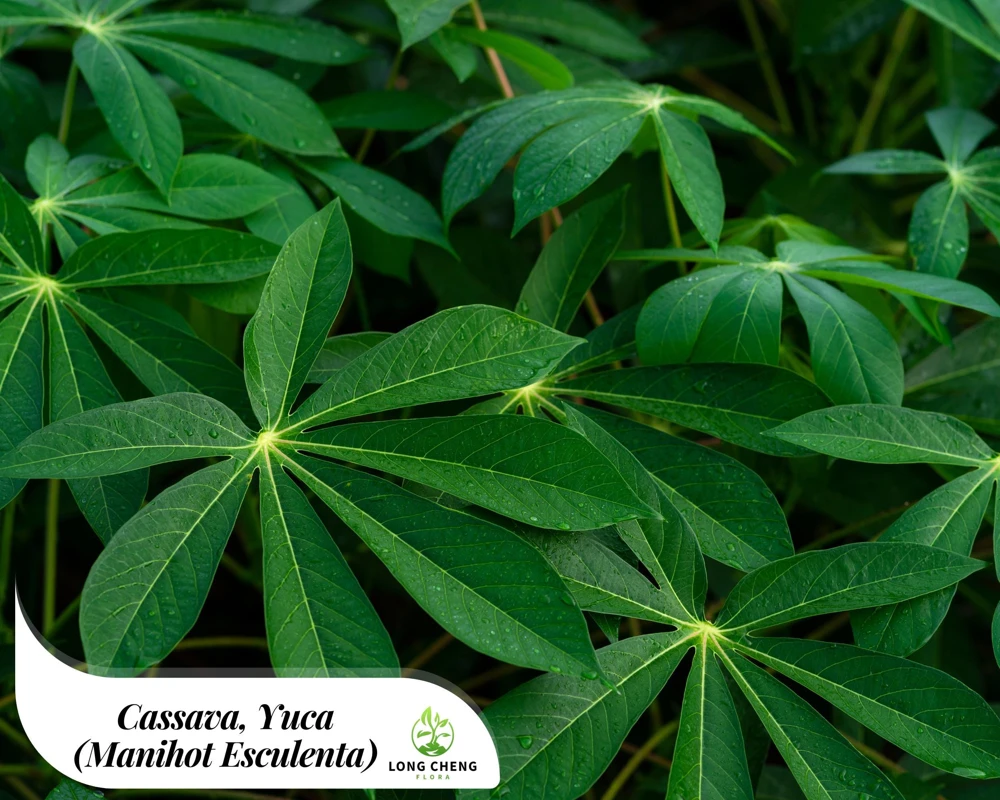
The cassava yuca live plant is not only functional but also boasts attractive, palmate leaves that add a lush, tropical aesthetic to any setting. It’s an excellent choice for gardeners looking to expand their edible landscape or explore diverse food crops. With its relatively easy care requirements and significant yield potential, the Manihot esculenta is a fantastic option for both novice and experienced gardeners eager to grow cassava at home.
Key Benefits
Growing your own cassava yuca live plant offers a multitude of benefits, from culinary versatility to a unique gardening experience. This robust plant is a valuable addition to any edible garden.
- Nutritional Powerhouse: The roots of the manihot esculenta plant are rich in carbohydrates, providing a significant energy source. They are also a good source of vitamin C, thiamine, riboflavin, and niacin.
- Culinary Versatility: Cassava roots can be boiled, fried, baked, or mashed, serving as a delicious and nutritious alternative to potatoes. They are a core ingredient in many global cuisines, from Latin American to African dishes.
- Tropical Aesthetic: With its distinctive, deeply lobed leaves, the cassava yuca live plant adds a lush, exotic touch to your garden or patio, even before harvest.
- Drought Tolerance: Once established, cassava plants are remarkably drought-tolerant, making them a resilient choice for various growing conditions and a sustainable option.
- High Yield Potential: A single yuca root plant can produce a substantial harvest of edible tubers, offering a rewarding return on your gardening efforts.
- Self-Sufficiency: Growing cassava yuca live plant contributes to food independence, allowing you to harvest fresh, organic roots directly from your garden.
- Adaptable Growth: While preferring warm climates, cassava can also be grown in containers in cooler regions, allowing you to extend its cultivation beyond its natural range.
Plant Care & Growing Tips
Caring for your cassava yuca live plant is straightforward, especially when provided with the right conditions. This tropical plant thrives in warm, sunny environments. For optimal growth, ensure it receives at least 6-8 hours of direct sunlight daily. In cooler climates, consider growing it in a large container that can be moved indoors during colder months. The plant prefers consistent moisture, especially during its active growing phase, but avoid waterlogging. Allow the top inch or two of soil to dry out slightly between waterings.
The ideal soil for your manihot esculenta plant is well-draining, loose, and fertile. A sandy loam with a pH between 5.5 and 6.5 is preferred. Amend heavy clay soils with organic matter to improve drainage. Fertilize every 4-6 weeks during the growing season with a balanced, slow-release fertilizer or an organic compost tea to support robust root and foliage development. Protect your plant from temperatures below 50°F (10°C), as it is sensitive to cold. Pests are generally not a major issue, but keep an eye out for spider mites or whiteflies, especially in dry conditions. Proper care will help you successfully grow cassava at home.
Size & Details
This listing is for one healthy cassava yuca live plant, shipped in a 2.5-inch nursery pot. At the time of shipping, the plant will typically be 4-8 inches tall, depending on growth stage. Cassava is a fast-growing plant and can reach heights of 6-10 feet in a single growing season under ideal conditions in tropical climates. When grown in containers, its size can be managed through pruning. The plant is shipped as a young, actively growing seedling, ready to be transplanted into a larger pot or directly into your garden if the climate is suitable. Expect root development to begin after establishment, with harvest typically possible 8-12 months after planting for a mature yuca root plant.
Frequently Asked Questions
- Q: How big does this plant get? A: In ideal tropical conditions, a cassava yuca live plant can grow 6-10 feet tall. When grown in containers, its size can be managed with pruning, typically staying around 3-5 feet.
- Q: What size pot does it come in? A: The manihot esculenta plant is shipped in a 2.5-inch nursery pot, ready for transplanting into a larger container or your garden.
- Q: Is this an indoor or outdoor plant? A: While it thrives outdoors in USDA zones 9-11, it can be grown as an annual or in containers moved indoors during winter in cooler climates.
- Q: How much sunlight does it need? A: The cassava yuca live plant requires full sun, meaning at least 6-8 hours of direct sunlight per day, for optimal growth and root development.
- Q: Is this plant easy to care for? A: Yes, once established, cassava is relatively low-maintenance and quite resilient, especially to drought. It’s a good choice for gardeners looking to grow cassava at home.
- Q: What condition will it arrive in? A: Your seedling will arrive healthy and actively growing. We pack carefully to ensure minimal stress during transit. Some wilting may occur, but the plant should recover quickly with proper care.
- Q: Is it shipped in soil? A: Yes, the plant is shipped rooted in its 2.5-inch nursery pot with soil, ensuring it stays hydrated and protected during transit.
- Q: Can I use yuca root plant in cooking? A: Absolutely! Cassava roots are a versatile edible, used in a wide range of dishes, similar to potatoes. They must be cooked thoroughly before consumption.
- Q: When is the best time to plant? A: For outdoor planting, spring to early summer is ideal after all danger of frost has passed. For indoor container growing, it can be started year-round.
- Q: Will it survive winter in my zone? A: The cassava yuca live plant is tropical and will not survive freezing temperatures. In zones below 9, it needs to be brought indoors or grown as an annual.


Reviews
There are no reviews yet.