Overview
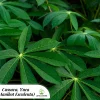
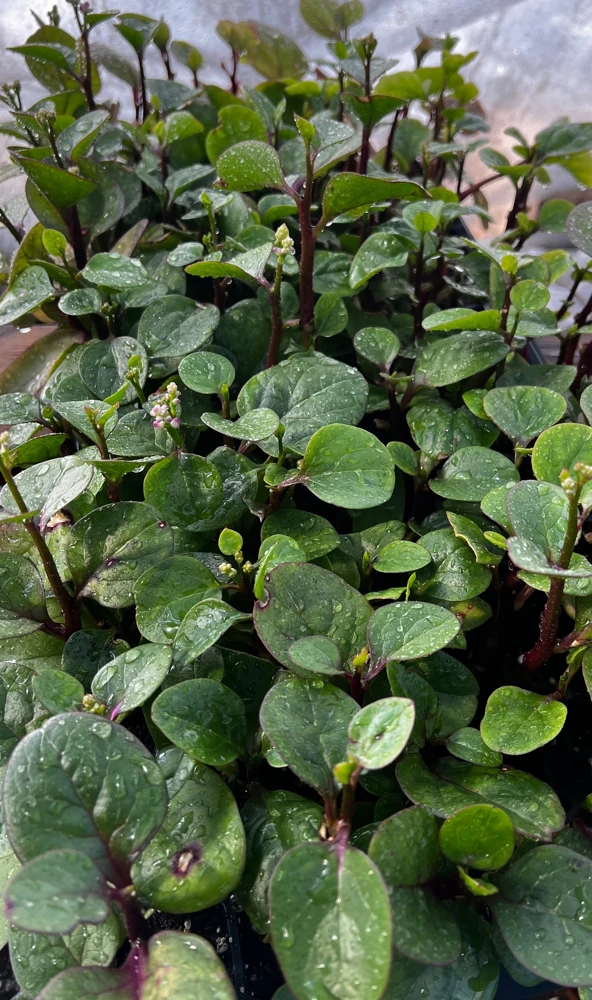
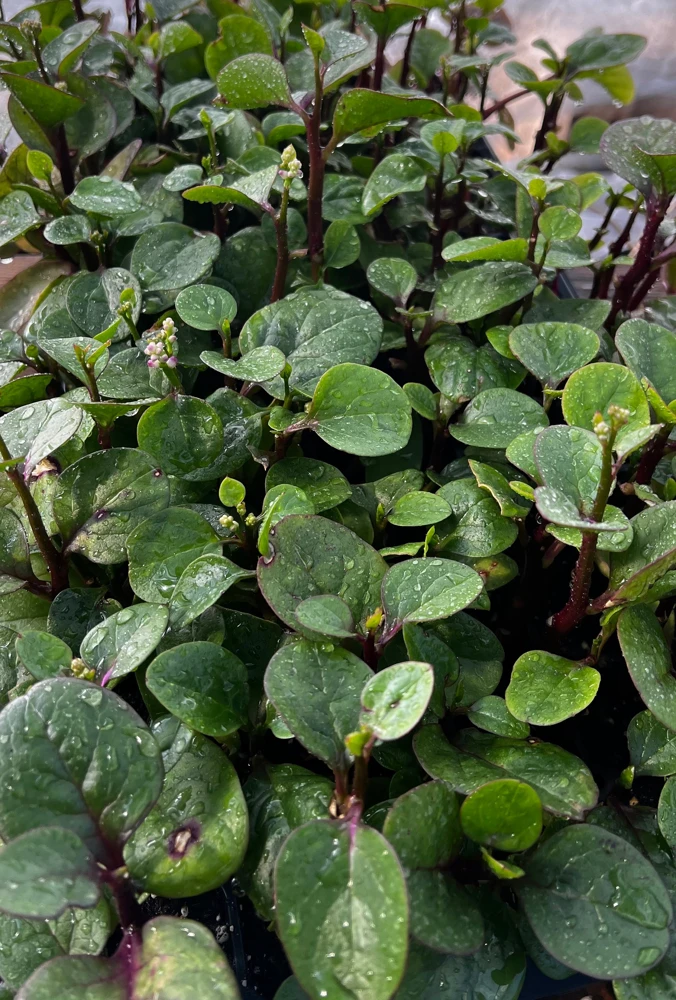
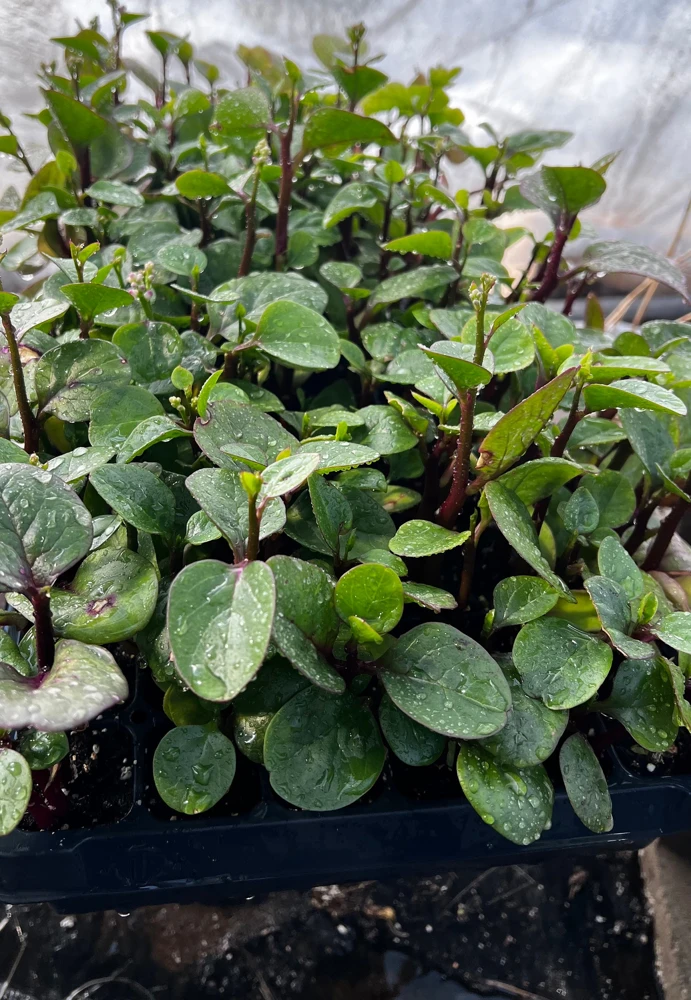
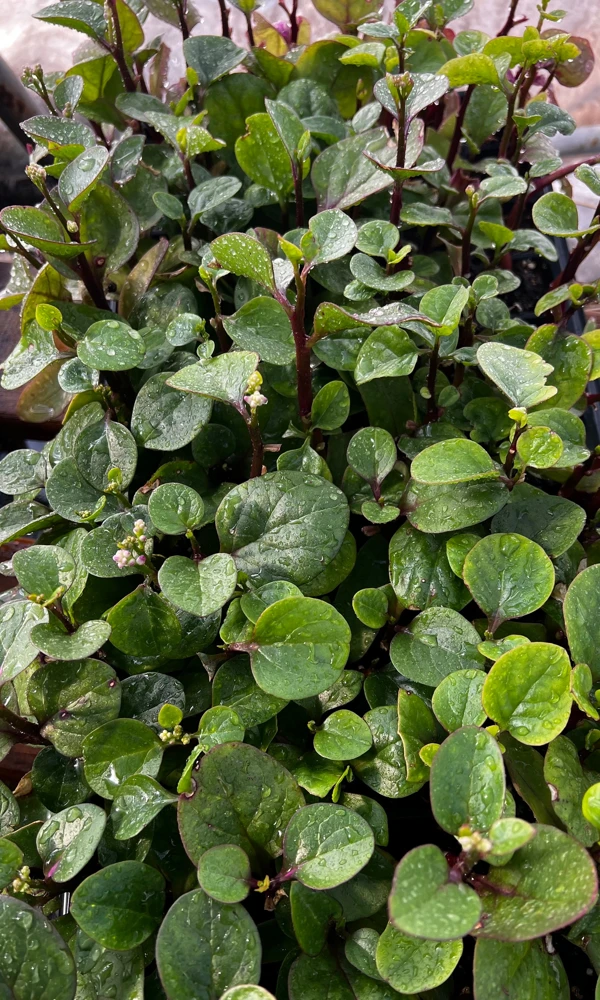
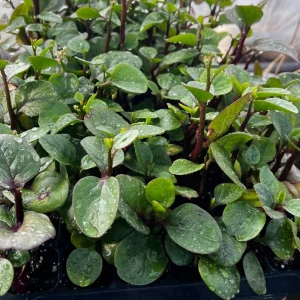
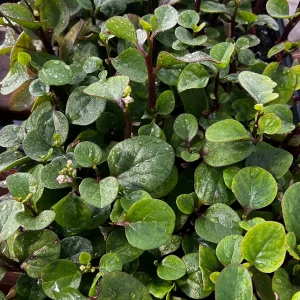
Embark on a rewarding gardening journey with the Red Malabar Spinach live plant. This offering includes 4 vibrant seedlings of this unique and highly sought-after edible vine. Also known as Ceylon spinach, vine spinach, or Basella rubra, this plant is not only a culinary delight but also a beautiful addition to any garden space. Its striking bright red stems and glossy, deep green leaves create a stunning visual contrast, especially as it climbs. Unlike traditional spinach, Malabar spinach thrives in warm weather, making it an excellent choice for summer gardens when other leafy greens might bolt. The leaves carry a distinct peppery taste and can be enjoyed raw in salads or cooked in stir-fries, soups, and stews. Growing your own Red Malabar Spinach live plant ensures a fresh, organic supply of this nutritious vegetable right at your fingertips.
These Malabar Spinach seedlings are carefully nurtured to provide you with a head start in your edible garden. Whether you’re an experienced gardener or just beginning, the vigorous growth habit and relatively easy care of Basella rubra make it a rewarding plant to cultivate. Its climbing nature means it can be grown vertically, saving space and adding an architectural element to your garden or patio. Enjoy the dual benefits of an ornamental vine and a healthy, tasty leafy green with these robust seedlings.
Key Benefits
Bringing a Red Malabar Spinach live plant into your garden offers a multitude of advantages, combining aesthetics with practical culinary uses. These benefits make it a standout choice for home gardeners:
- Nutrient-Rich Edible Leaves: Enjoy a continuous supply of fresh, nutritious leaves packed with vitamins A and C, iron, and calcium. The peppery flavor adds a unique twist to meals.
- Ornamental Appeal: The striking red stems and lush green leaves of the Basella rubra plant provide beautiful texture and color, enhancing the visual appeal of your garden or patio.
- Heat Tolerant: Unlike many other spinach varieties, Red Malabar Spinach live plant thrives in hot, humid conditions, making it an ideal summer green.
- Versatile Culinary Use: The leaves can be eaten raw in salads, sautéed, steamed, or added to soups and stir-fries, offering flexibility in your kitchen.
- Space-Saving Vertical Growth: As a climbing vine, Malabar Spinach seedlings can be trained on trellises, fences, or stakes, maximizing garden space.
- Easy to Grow: Known for its vigorous growth and resilience, this plant is relatively low-maintenance, making it suitable for gardeners of all experience levels.
- Continuous Harvest: With proper care, you can harvest leaves regularly throughout the growing season, providing a steady supply of fresh greens.
Plant Care & Growing Tips
Caring for your Red Malabar Spinach live plant is straightforward, ensuring a bountiful harvest of its delicious leaves. This tropical vine thrives in warm conditions and requires specific attention to sunlight, water, and soil. For optimal growth, provide your Basella rubra plant with at least 6 hours of direct sunlight per day. While it can tolerate partial shade, full sun encourages more vigorous growth and leaf production. If growing indoors, place it near a south-facing window or under grow lights to ensure it receives adequate light.
Consistent watering is crucial, especially during dry spells. Keep the soil consistently moist but not waterlogged. Good drainage is essential to prevent root rot. Water deeply when the top inch of soil feels dry to the touch. For soil, a rich, well-draining potting mix or garden soil amended with compost is ideal. Malabar spinach prefers slightly acidic to neutral soil (pH 6.5-7.0). Fertilize every 2-4 weeks with a balanced liquid fertilizer or incorporate slow-release granular fertilizer into the soil at planting. Providing a trellis, stake, or fence for the vine to climb will support its growth and keep the leaves clean and healthy. Pruning can encourage bushier growth and prevent the plant from becoming leggy. Pay attention to signs of stress, such as wilting or droopy leaves, which often indicate underwatering or too much direct, intense sun without adequate moisture.
Understanding Ceylon spinach care is key to a successful harvest. This plant is generally pest-resistant, but keep an eye out for common garden pests like aphids or spider mites. A strong jet of water or organic insecticidal soap can usually address these issues. In cooler climates, Malabar spinach can be grown as an annual, or brought indoors during winter months. In warmer, frost-free regions (USDA zones 9-11), it can be a perennial. The vigorous growth means you’ll have plenty of leaves to enjoy throughout the growing season.
Size & Details
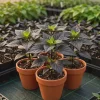
This offering includes 4 live seedlings of the Red Malabar Spinach live plant. Each seedling is carefully cultivated to ensure a healthy start in your garden. Upon arrival, the seedlings will be young plants, ready for transplanting into your garden bed or larger containers. Malabar spinach is a fast-growing vine, typically reaching lengths of 6-10 feet or more when provided with adequate support. The plant will establish quickly, with initial leaf production beginning within a few weeks of planting. It is delivered as a live plant, rooted in a small nursery pot, ensuring minimal transplant shock.
Expect continuous growth and harvesting potential throughout the warm season. The leaves are typically ready for harvest when they are about 2-4 inches long, and regular harvesting encourages more leaf production. This plant is known for its prolific growth, providing a steady supply of fresh, peppery greens. The vibrant red stems become more pronounced as the plant matures, adding to its visual appeal. The vigorous nature of these Malabar Spinach seedlings makes them an excellent choice for a productive and attractive edible landscape.
Frequently Asked Questions
- Q: How big does this Red Malabar Spinach plant get? A: The Red Malabar Spinach live plant is a vigorous climbing vine that can reach lengths of 6 to 10 feet or more when provided with proper support like a trellis or fence. Its growth can be managed with regular pruning.
- Q: Is this an indoor or outdoor plant? A: While it thrives outdoors in warm climates (USDA zones 9-11) as a perennial or annual, it can also be grown indoors in a sunny location as a houseplant, especially in cooler regions.
- Q: How much sunlight does the Basella rubra plant need? A: The Basella rubra plant prefers full sun, meaning at least 6 hours of direct sunlight per day, for optimal growth and leaf production. It can tolerate partial shade but may grow less vigorously.
- Q: Is this plant easy to care for? Is it good for beginners? A: Yes, Malabar spinach is considered relatively easy to care for due to its vigorous growth and resilience. It’s an excellent choice for beginner gardeners looking for a productive edible plant.
- Q: What condition will the Malabar Spinach seedlings arrive in? A: Your Malabar Spinach seedlings will arrive as healthy, young live plants, carefully packaged to ensure their safe journey. They will be rooted in small nursery pots, ready for transplanting.
- Q: Can I use Red Malabar Spinach in cooking? A: Absolutely! The leaves of Red Malabar Spinach live plant have a mild, peppery flavor and can be used raw in salads, sautéed, steamed, or added to soups, stir-fries, and curries.
- Q: When is the best time to plant Malabar Spinach? A: Malabar spinach thrives in warm weather, so the best time to plant is after all danger of frost has passed in spring or early summer, when soil temperatures are consistently warm.
- Q: What are the main points of Ceylon spinach care? A: Key aspects of Ceylon spinach care include providing full sun, consistent moisture (but not waterlogging), well-draining soil, and a support structure for its climbing habit. Regular harvesting also promotes better growth.
- Q: Will this plant survive winter in my zone? A: In USDA zones 9-11, Red Malabar Spinach can grow as a perennial. In colder zones, it is typically grown as an annual and will not survive frost, though it can be overwintered indoors.
- Q: What’s the minimum temperature this plant can tolerate? A: Malabar spinach is a heat-loving plant and is sensitive to cold. It generally prefers temperatures above 65°F (18°C) and will not tolerate frost.


Reviews
There are no reviews yet.