Overview
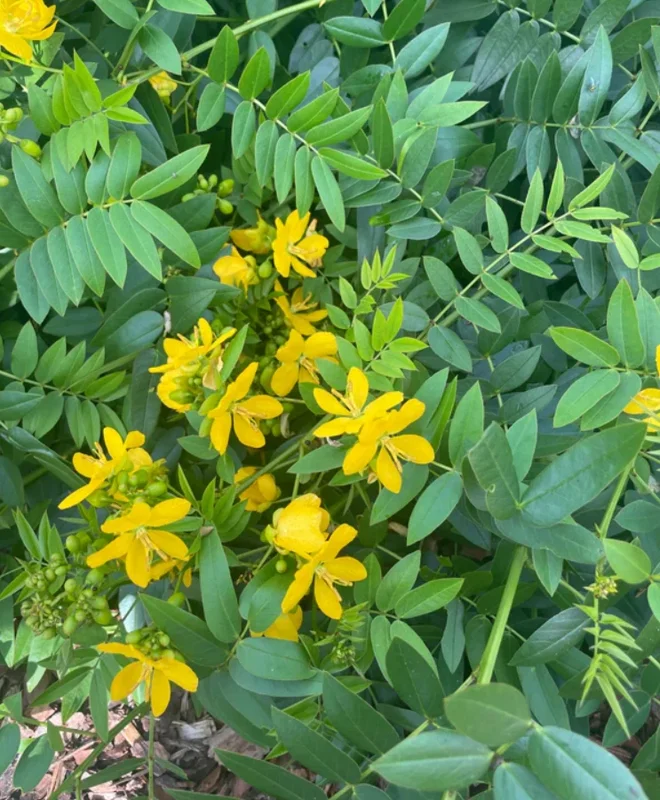
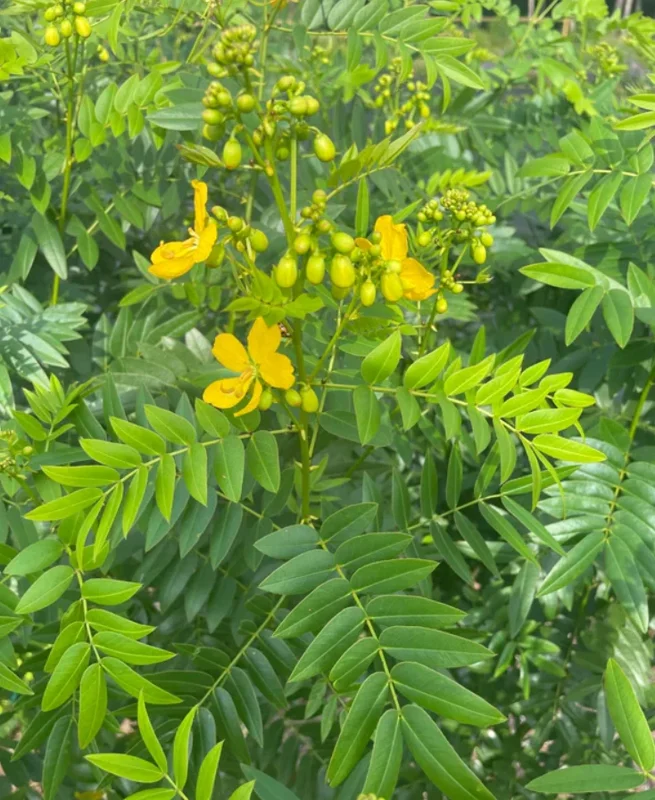
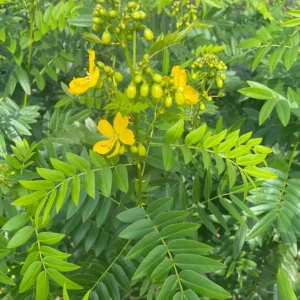
Welcome the magic of nature into your garden with the cassia butterfly host plant. This beautiful and beneficial live plant, standing approximately 4 inches tall, is a must-have for any butterfly enthusiast or gardener looking to create a vibrant pollinator-friendly space. Known for its bright yellow blooms, the Cassia plant serves as a vital host for the caterpillars of several butterfly species, including the Cloudless Sulphur and Orange-barred Sulphur butterflies. By planting this Cassia, you’re not just adding a lovely flowering specimen; you’re providing a crucial nursery for new butterfly generations, directly supporting local ecosystems and biodiversity. Often referred to simply as the cassia plant for butterflies, it’s an easy-to-grow addition that brings life and movement to any outdoor setting.
The genus Cassia encompasses a wide range of species, many of which are popular for their ornamental value and ecological benefits. Our offering is specifically chosen for its role as a host plant, ensuring that you’re cultivating a garden that actively contributes to butterfly conservation. The cheerful yellow flowers are a visual delight, blooming profusely and attracting adult butterflies as well. This 4-inch specimen arrives ready to thrive, offering an immediate impact on your garden’s appeal and its ability to support these delicate creatures. It’s an excellent choice for beginner and experienced gardeners alike who wish to make a tangible difference for pollinators.
Key Benefits
Cultivating a cassia butterfly host plant in your garden brings a multitude of advantages, transforming your outdoor space into a dynamic and ecologically rich environment. Beyond its aesthetic appeal, this plant plays a critical role in supporting local wildlife.
- Essential Butterfly Host: This Cassia variety is a primary host plant for various butterfly species, including Sulphur butterflies. By planting it, you provide a necessary food source for caterpillars, directly contributing to butterfly reproduction and population health. It’s a cornerstone for any effective butterfly garden.
- Attracts Pollinators: The bright, showy yellow flowers of the Cassia plant are highly attractive to adult butterflies, bees, and other beneficial pollinators. This helps to enhance the pollination of other plants in your garden, leading to increased fruit and seed production.
- Vibrant Garden Aesthetic: With its profusion of sunny yellow blooms, the cassia butterfly host plant adds a cheerful and eye-catching splash of color to any landscape. It creates a lively focal point, drawing the eye and making your garden more inviting.
- Easy to Grow and Maintain: Cassia plants are generally robust and adaptable, making them suitable for gardeners of all skill levels. They require relatively low maintenance once established, allowing you to enjoy their beauty and benefits without extensive effort.
- Supports Biodiversity: By integrating a host plant like Cassia, you’re actively creating a habitat that supports the life cycle of butterflies, fostering greater biodiversity in your immediate environment. This contributes to a healthier, more balanced ecosystem.
- Educational Opportunity: Observing the various stages of the butterfly life cycle, from caterpillar to chrysalis to adult butterfly, provides a fascinating and educational experience for families, especially children. It’s a living lesson in natural science.
- Drought Tolerant: Once established, many Cassia species exhibit good drought tolerance, making them a sustainable choice for gardens in regions with drier climates or for those seeking water-wise landscaping options. This reduces the need for frequent watering.
Plant Care & Growing Tips
Proper care is essential for ensuring your cassia butterfly host plant thrives and effectively supports its butterfly guests. Cassia plants generally prefer warm climates and plenty of sunshine. For optimal growth and prolific blooming, choose a location in your garden that receives at least 6-8 hours of full sun per day. While they can tolerate some partial shade, too little sun may result in fewer flowers and a less vigorous plant. If you’re wondering about growing cassia plant, ensure it’s placed where it can get ample light throughout the day.
When it comes to watering, Cassia plants prefer consistently moist soil, especially when young, but they are relatively drought-tolerant once established. Water deeply when the top inch or two of soil feels dry to the touch, and allow the soil to dry out slightly between waterings to prevent root rot. Good drainage is crucial; plant in well-draining soil to avoid waterlogged conditions. Fertilize your Cassia plant with a balanced, slow-release granular fertilizer in spring, or use a liquid feed every 4-6 weeks during the growing season to encourage robust growth and flowering. Pruning can be done after the main flush of blooms to maintain shape and encourage new growth, which in turn can lead to more flowers and more host material for caterpillars. Understanding cassia tree care involves recognizing its need for warmth and sun.
Cassia plants are generally hardy in USDA Zones 9-11, thriving in temperatures above 20°F (-6°C). In colder regions, they can be grown as annuals or brought indoors during winter months. Protect from frost, as prolonged exposure to freezing temperatures can damage or kill the plant. Monitor for common pests like aphids or whiteflies, and treat with organic insecticidal soap if necessary. Ensuring healthy growth will provide the best environment for butterflies. For those interested in cassia plant benefits, the ecological impact is significant.
Size & Details
This offering is for one cassia butterfly host plant, which arrives as a healthy, actively growing specimen approximately 4 inches tall. It is typically shipped in a nursery pot, ready for transplanting into your garden or a larger container. The exact height may vary slightly based on individual growth, but each plant is selected for its vigor and readiness to establish. Cassia plants are known for their relatively fast growth rate, especially in ideal conditions, and can quickly develop into a substantial shrub or small tree, depending on the species and local climate. Expect your plant to begin producing its characteristic bright yellow flowers within its first growing season, particularly if planted in full sun.
The mature size of a Cassia plant can range significantly, from compact shrubs to small trees reaching 10-20 feet tall, so consider its eventual size when choosing a planting location. It will quickly become a prominent feature in your garden, providing both ornamental beauty and essential ecological support. The plant will continue to grow and branch out, offering an ever-increasing surface area for butterfly egg-laying and caterpillar feeding. This 4in tall starter plant provides an excellent foundation for creating a thriving butterfly habitat.
Frequently Asked Questions
- Q: How big does this Cassia butterfly host plant get? A: This particular plant starts at 4 inches tall. Depending on the specific Cassia species and growing conditions, it can mature into a shrub or small tree ranging from 3 to 20 feet in height and width. Regular pruning can help manage its size.
- Q: Is this an indoor or outdoor plant? A: The cassia butterfly host plant is primarily an outdoor plant, thriving in full sun. In USDA Zones 9-11, it can be grown outdoors year-round. In colder climates, it can be grown as an annual or overwintered indoors in a bright, sunny location.
- Q: How much sunlight does the Cassia plant need? A: For best growth and abundant blooms, your Cassia plant requires at least 6-8 hours of direct full sun per day. While it can tolerate some partial shade, too little light will reduce flowering and overall plant vigor.
- Q: Is this plant easy to care for? Is it good for beginners? A: Yes, Cassia plants are generally considered easy to care for, making them an excellent choice for beginners. They are relatively low-maintenance, requiring consistent watering when young, well-draining soil, and plenty of sunlight. Understanding growing cassia plant is straightforward.
- Q: What condition will the Cassia plant arrive in? Is it shipped in soil? A: Your cassia butterfly host plant will arrive as a healthy, live plant, typically in a nursery pot with soil. We take great care in packaging to ensure it reaches you in optimal condition, ready for planting.
- Q: When is the best time to plant a Cassia plant? A: The best time to plant your Cassia is in spring after the last danger of frost has passed, allowing it ample time to establish before the heat of summer or the chill of winter. This is a key aspect of cassia tree care.
- Q: What kind of soil does the Cassia plant prefer? A: Cassia plants thrive in well-draining soil. A sandy loam or a general-purpose potting mix amended with some organic matter works well. Good drainage is crucial to prevent root rot.
- Q: Will this plant attract other pollinators besides butterflies? A: Yes, while it’s a primary host for Sulphur butterfly caterpillars, the bright yellow flowers of the cassia plant for butterflies are also attractive to bees and other beneficial pollinating insects, contributing to a diverse garden ecosystem.
- Q: Can I grow this Cassia in a container? A: Yes, Cassia plants can be successfully grown in containers, especially in colder climates where they need to be moved indoors during winter. Choose a large pot with good drainage and ensure it receives plenty of sunlight.
- Q: What are the main cassia plant benefits for my garden? A: The main benefits include attracting and hosting butterflies, providing vibrant yellow blooms, supporting overall garden biodiversity, and generally being a low-maintenance, drought-tolerant plant once established.


Reviews
There are no reviews yet.