
Overview
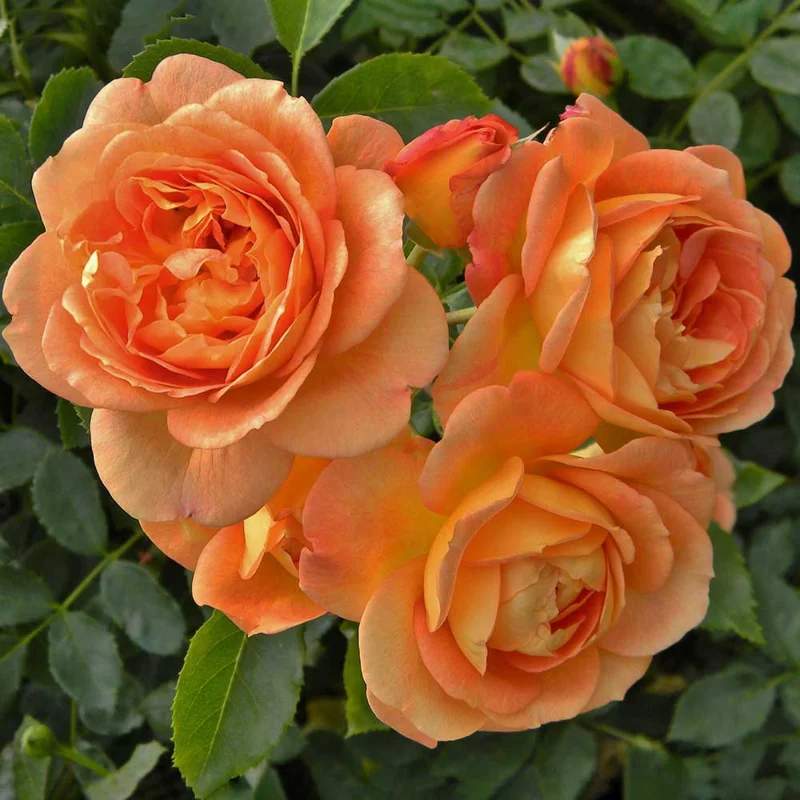
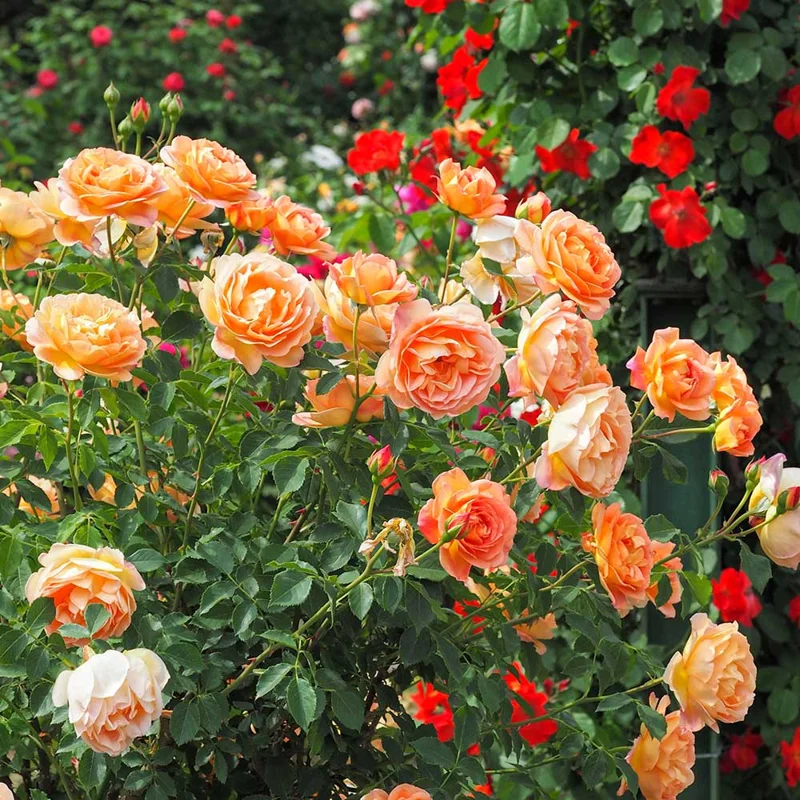
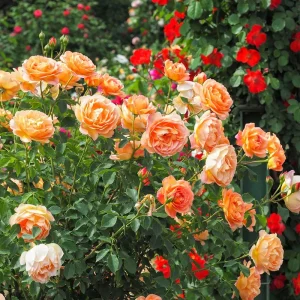
Introducing the magnificent Westerland Climbing Rose, a truly spectacular live plant that will transform any garden space into a fragrant haven. Renowned for its vigorous growth and abundant, luminous apricot-orange blooms, this rose variety is a favorite among gardeners. The ‘Westerland’ is a modern shrub rose, often trained as a climber, celebrated for its continuous flowering throughout the season and its delightful, spicy fragrance. As a robust and healthy specimen, this climbing rose plant is an excellent choice for adding vertical interest and a splash of warm color to your landscape. Each plant is carefully cultivated and shipped in a 4-inch nursery pot, ensuring a strong start in your garden.
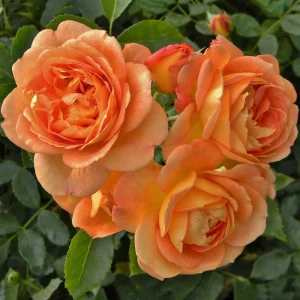
The Westerland Climbing Rose (Rosa ‘Westerland’) is a versatile and resilient plant, suitable for various climates and garden styles. Its unique coloration shifts from bright orange to softer apricot as the blooms mature, creating a dynamic visual display. This rose is not only beautiful but also known for its disease resistance, making it an ideal choice for both novice and experienced gardeners seeking an easy care climbing rose.
Key Benefits
The Westerland Climbing Rose offers a multitude of benefits that make it a standout choice for any garden. Its exceptional qualities contribute to a beautiful and thriving outdoor space. Explore the advantages of incorporating this stunning rose into your landscape:
- Vibrant Apricot-Orange Blooms: Enjoy a continuous display of uniquely colored flowers that transition from bright orange to soft apricot, adding a warm and inviting glow to your garden. These striking colors make it a focal point in any setting.
- Delightful Fragrance: Experience the rich, spicy fragrance that emanates from each bloom, creating an enchanting sensory experience in your garden. The captivating aroma of this fragrant garden rose is a true delight.
- Vigorous Climbing Habit: Ideal for training on trellises, arbors, fences, or walls, this rose provides excellent vertical coverage and adds architectural interest to your outdoor space. Its strong growth habit ensures it fills out quickly.
- Continuous Bloomer: The Westerland Climbing Rose flowers repeatedly from late spring until the first frost, ensuring a long season of beauty and color in your garden. You’ll enjoy its charming blooms for months.
- Disease Resistant: Known for its good resistance to common rose diseases, this variety requires less maintenance and care, making it a more robust and reliable addition to your garden. This contributes to its reputation as an easy care climbing rose.
- Attracts Pollinators: The vibrant flowers are a magnet for bees, butterflies, and other beneficial pollinators, helping to support local ecosystems and biodiversity in your yard.
- Versatile Landscaping Use: Perfect as a specimen plant, for creating a colorful screen, or adding a romantic touch to pergolas and entryways. This outdoor rose shrub adapts well to various landscape designs.
Plant Care & Growing Tips
To ensure your Westerland Climbing Rose thrives and produces its spectacular blooms, proper care is essential. This resilient rose prefers a sunny location and well-draining soil. It’s crucial to select a site that receives at least six hours of direct sunlight per day, as ample light is key for prolific flowering and strong growth. While tolerant of some shade, full sun will yield the best results for this climbing rose plant. When planting, dig a hole twice as wide as the root ball and just as deep. Amend heavy clay soils with organic matter like compost to improve drainage and aeration.
Watering is critical, especially during the first growing season and dry spells. Water deeply and regularly, aiming to keep the soil consistently moist but not waterlogged. Overhead watering can encourage fungal diseases, so direct water to the base of the plant. A layer of mulch around the base will help retain soil moisture, regulate temperature, and suppress weeds. Feed your Westerland Climbing Rose with a balanced rose fertilizer in early spring as new growth emerges, and again after the first flush of blooms. Prune in late winter or early spring to remove dead or weak canes and to shape the plant. Deadhead spent blooms throughout the season to encourage continuous flowering. This fragrant garden rose is generally hardy in USDA zones 5-9.
Protect your rose during winter in colder zones by mounding soil or mulch around the base of the plant after the first hard frost. For climbers, ensure canes are securely tied to their support structure to prevent wind damage. Watch out for common pests like aphids and spider mites, and treat them promptly with insecticidal soap or neem oil if necessary. With proper attention to these care tips, your outdoor rose shrub will flourish and provide years of beautiful, fragrant blooms, proving itself as an easy care climbing rose.
Size & Details
This Westerland Climbing Rose is shipped as a healthy, young live plant, carefully nurtured in a 4-inch nursery pot. At this starter size, it is ideally suited for transplanting into your garden or a larger container, allowing it to establish strong roots and adapt to its new environment. Typically, a mature ‘Westerland’ can reach heights of 10 to 15 feet when trained as a climber, with a spread of 4 to 6 feet, making it an impressive vertical feature. Its vigorous growth rate means you can expect significant development in its first few seasons, quickly covering trellises or walls with its lush foliage and abundant blooms.
The plant will arrive with established roots, ready for immediate planting. While it is a starter plant, it possesses the genetic vigor to grow into a robust and floriferous specimen. Expect the first significant flush of the iconic apricot-orange flowers in late spring to early summer, with continuous blooming cycles throughout the growing season until the onset of cold weather. This climbing rose plant offers both beauty and a strong, healthy foundation for a thriving garden display for years to come.
Frequently Asked Questions
- Q: How big does this Westerland Climbing Rose get? A: When mature and properly trained, the Westerland Climbing Rose can reach heights of 10 to 15 feet and spread 4 to 6 feet wide, making it an excellent choice for covering large vertical spaces. Its vigorous growth ensures it fills out quickly.
- Q: Is this an indoor or outdoor plant? A: The Westerland Climbing Rose is an outdoor plant, best suited for gardens, patios, and landscapes where it can receive ample sunlight and space to climb. It thrives in outdoor conditions.
- Q: How much sunlight does the Westerland Climbing Rose need? A: This fragrant garden rose requires at least 6 hours of direct sunlight per day to produce the most abundant blooms and maintain healthy growth. Full sun is highly recommended for optimal performance.
- Q: Is this plant easy to care for? A: Yes, the Westerland Climbing Rose is considered an easy care climbing rose due to its robust nature and good disease resistance, making it suitable for gardeners of all experience levels. Regular watering, feeding, and pruning are key.
- Q: What condition will it arrive in? A: Your Westerland Climbing Rose will arrive as a healthy, live plant in a 4-inch nursery pot, with its root system intact and ready for planting. We ensure careful packaging for safe transit.
- Q: When is the best time to plant this outdoor rose shrub? A: The best time to plant your outdoor rose shrub is in spring after the last frost, or in early fall before the ground freezes, allowing it ample time to establish its roots.
- Q: Will the Westerland Climbing Rose survive winter in my zone? A: The Westerland Climbing Rose is hardy in USDA zones 5-9. In colder zones, it may require winter protection, such as mounding soil around the base, to ensure its survival.
- Q: Does this climbing rose plant have a strong fragrance? A: Absolutely! The Westerland Climbing Rose is highly prized for its strong, delightful, and spicy fragrance, adding a wonderful aromatic element to your garden.
- Q: What kind of support does a climbing rose need? A: As a climbing rose plant, it will need a sturdy support structure like a trellis, arbor, fence, or wall to train its canes upwards. Regular tying of canes to the support will encourage vertical growth.
- Q: How often should I fertilize my Westerland Climbing Rose? A: Fertilize your rose in early spring as new growth begins, and again after the first major flush of blooms, using a fertilizer specifically formulated for roses.


Reviews
There are no reviews yet.