Overview
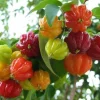
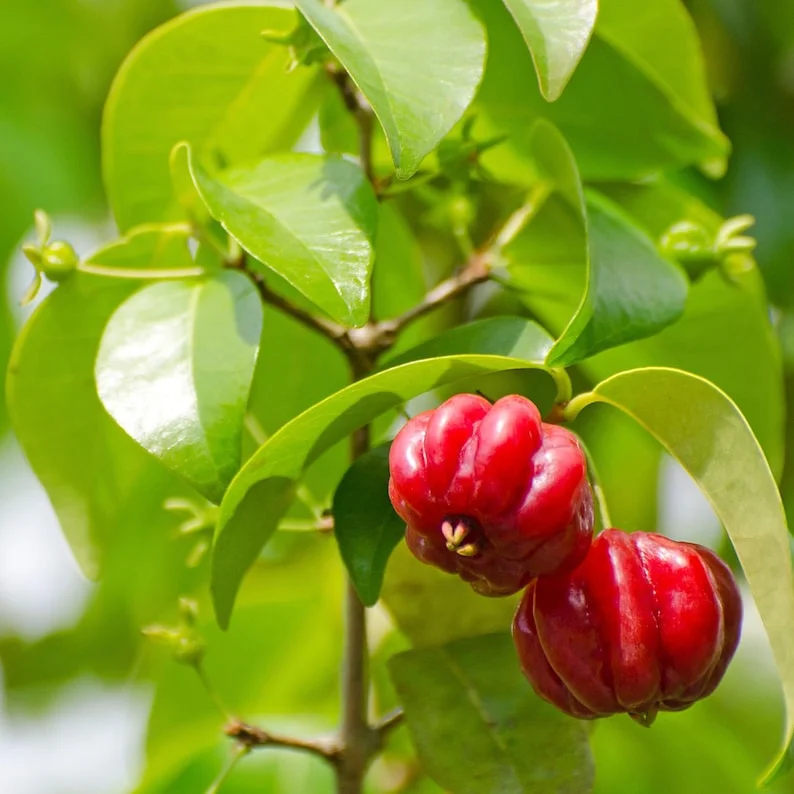
Cultivate your own exotic fruit with this vibrant Surinam Cherry live plant. Also known by its botanical name, Eugenia uniflora, or commonly as Pitanga, this unique shrub or small tree is a fantastic addition to any edible landscape or container garden. Our plants are carefully nurtured to reach a healthy 5-8 inches in height, shipped in a convenient 4-inch pot, ensuring a strong start in your home or garden. The Surinam Cherry live plant is celebrated not only for its delicious, ribbed, cherry-like fruits but also for its glossy, attractive foliage that adds ornamental value. These plants are known for their resilience and ability to thrive in various conditions, making them a rewarding choice for both novice and experienced gardeners eager to enjoy fresh, homegrown fruit.
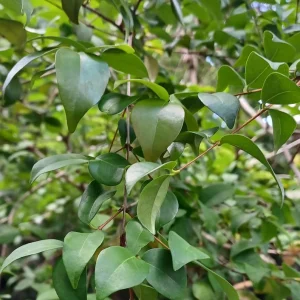
The Surinam Cherry live plant offers a delightful blend of beauty and utility. Its new leaves emerge with a reddish hue before maturing to a deep green, and it produces small, fragrant white flowers that give way to the characteristic bright red to dark purple fruits. These fruits are packed with Vitamin C and antioxidants, making them a healthy and refreshing treat right from your backyard. Growing your own Surinam Cherry fruit provides a sustainable source of fresh produce and an engaging gardening experience.
Key Benefits
Adding a Surinam Cherry live plant to your collection offers numerous advantages, from its aesthetic appeal to its bountiful harvests. This versatile plant is a true garden gem.
- Delicious, Nutritious Fruit: Enjoy a continuous supply of fresh, tangy-sweet Surinam Cherries. These fruits are high in Vitamin C, iron, and phosphorus, perfect for eating fresh, making jams, jellies, or juices.
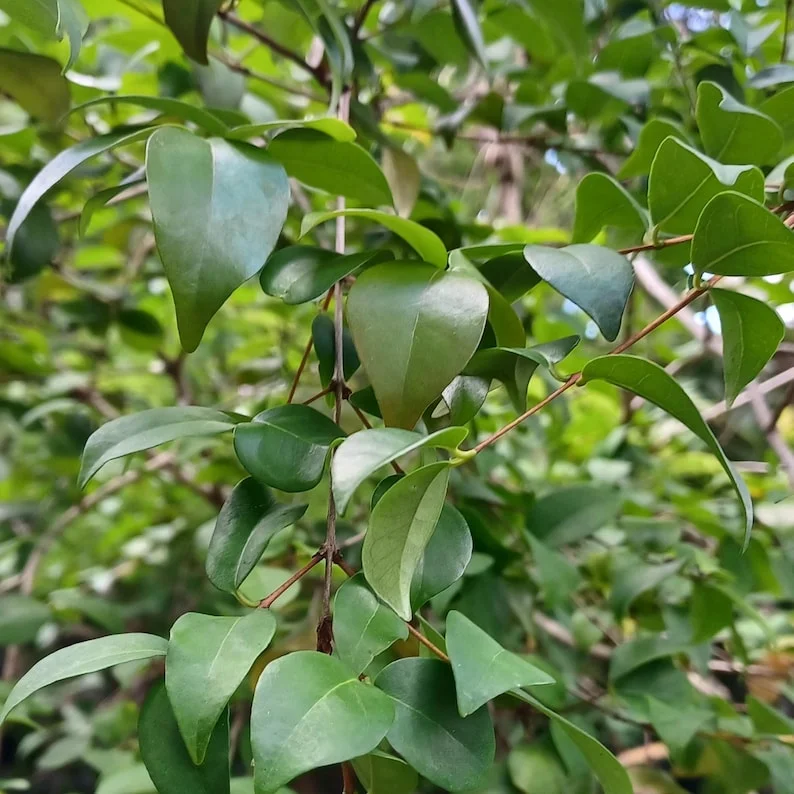
- Ornamental Appeal: The glossy, dark green leaves and attractive red new growth provide year-round visual interest. The star-shaped, vibrant fruits also add a pop of color, making the plant a beautiful focal point in any garden or patio.
- Easy to Grow: The Surinam Cherry live plant is relatively low-maintenance and adaptable, making it suitable for gardeners of all skill levels. It tolerates a range of soil types and is quite drought-resistant once established.
- Fast Growing and Productive: This plant grows quickly and can start bearing fruit within 1-2 years under optimal conditions, providing a rewarding return on your gardening efforts.
- Versatile Planting Options: Can be grown as a shrub, trained as a small tree, or kept as a container plant, especially in cooler climates, allowing for easy movement indoors during winter. Understanding how to grow Surinam Cherry in various settings is key.
- Attracts Wildlife: The flowers and fruits are attractive to pollinators like bees and birds, contributing positively to local biodiversity.
- Medicinal Properties: Traditional uses of Eugenia uniflora plant leaves and fruits include remedies for various ailments, highlighting the plant’s natural benefits.
Plant Care & Growing Tips
Caring for your Surinam Cherry live plant is straightforward, ensuring a healthy, productive shrub for years to come. This plant thrives in warm, sunny environments. For optimal growth and fruit production, aim for at least 6-8 hours of direct sunlight per day. If growing indoors or in a container, place it near a south-facing window or use supplemental grow lights. While it can tolerate some partial shade, fruit yield may be reduced. The ideal temperature range is between 65-85°F (18-29°C), though mature plants can withstand short periods of light frost.
Watering is crucial, especially for young plants. Keep the soil consistently moist but never waterlogged. Allow the top inch or two of soil to dry out slightly between waterings. During hot, dry periods, more frequent watering may be necessary. For established plants, reduced watering in winter months is advisable. The Surinam Cherry live plant prefers well-draining soil with a slightly acidic to neutral pH (6.0-7.0). A good quality potting mix enriched with compost is ideal for container plants. In-ground planting benefits from soil amended with organic matter to improve drainage and fertility. Fertilize every 2-3 months during the growing season (spring through fall) with a balanced, slow-release fertilizer or an organic fruit tree fertilizer. Reduce fertilization in winter.
Pruning can help maintain the plant’s shape, encourage bushier growth, and improve air circulation, which can prevent fungal issues. Prune after the fruiting season to remove any dead, diseased, or crossing branches. While generally robust, keep an eye out for common pests like aphids or scale insects. These can usually be managed with insecticidal soap or neem oil. Understanding Surinam Cherry care is simple, leading to a fruitful plant.
Size & Details
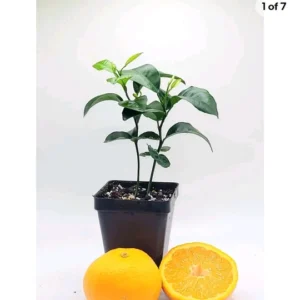
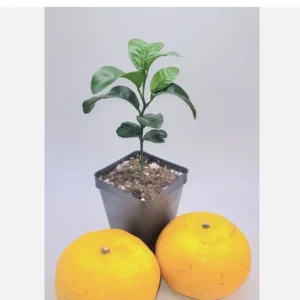
This offering is for one healthy Surinam Cherry live plant, carefully selected for its vigor and readiness to thrive in your environment. Each plant measures approximately 5-8 inches in height from the top of the soil and comes securely planted in a 4-inch nursery pot. This size is ideal for transplanting into a larger container or directly into your garden, depending on your climate and growing preferences. The plant will arrive with established roots, ready to acclimate to its new home. The Eugenia uniflora plant is known for its relatively fast growth rate, and with proper care, it can quickly develop into a substantial shrub or small tree, reaching heights of 6-15 feet in warmer climates if left unpruned. When grown in a container, its size can be easily managed through regular pruning.
Expected time to first fruit can be as early as 1-2 years from planting, with peak production occurring in subsequent years. The plant typically ships as a young, actively growing specimen, ensuring it has the best chance to establish and flourish. The ribbed fruits, which are the hallmark of the Surinam Cherry fruit, will begin to appear after the plant matures and flowers, usually in late spring and again in late summer/early fall, providing multiple harvests per year in ideal conditions.
Frequently Asked Questions
- Q: How big does this plant get? A: This Surinam Cherry live plant is currently 5-8 inches tall in a 4-inch pot. In the ground, it can grow 6-15 feet tall, but its size is easily managed in containers or with pruning.
- Q: Is this an indoor or outdoor plant? A: The Surinam Cherry live plant is primarily an outdoor plant suitable for USDA Zones 9-11. In cooler climates, it can be grown in a container and brought indoors during winter.
- Q: How much sunlight does it need? A: For best fruit production, your Surinam Cherry live plant requires full sun, meaning at least 6-8 hours of direct sunlight per day. It can tolerate partial shade, but fruiting may be reduced.
- Q: Is this plant easy to care for? A: Yes, the Surinam Cherry live plant is considered relatively easy to care for. It’s tolerant of various soil types and is quite drought-resistant once established, making Surinam Cherry care manageable for beginners.
- Q: What condition will it arrive in? A: Your Surinam Cherry live plant will arrive as a healthy, actively growing plant in its 4-inch nursery pot, with established roots and protected packaging to ensure safe transit.
- Q: Can I use Surinam Cherry in cooking? A: Absolutely! The Surinam Cherry fruit is excellent for fresh eating, often described as tangy-sweet. It’s also popular for making jams, jellies, juices, and even pies.
- Q: When is the best time to plant? A: The best time to plant your Surinam Cherry live plant is in spring or early summer after all danger of frost has passed, allowing it ample time to establish before cooler weather.
- Q: What kind of soil does it prefer? A: This plant thrives in well-draining soil with a slightly acidic to neutral pH. A good quality potting mix with added organic matter works well for container growing.
- Q: How long until it produces fruit? A: With good growing conditions and proper Surinam Cherry care, your plant can start producing fruit within 1-2 years after planting.
- Q: Is the Eugenia uniflora plant frost tolerant? A: Mature Eugenia uniflora plant specimens can tolerate very light, brief frosts, but prolonged freezing temperatures will damage or kill the plant. It’s best to protect it or bring it indoors if temperatures drop below 30°F (-1°C).


Reviews
There are no reviews yet.