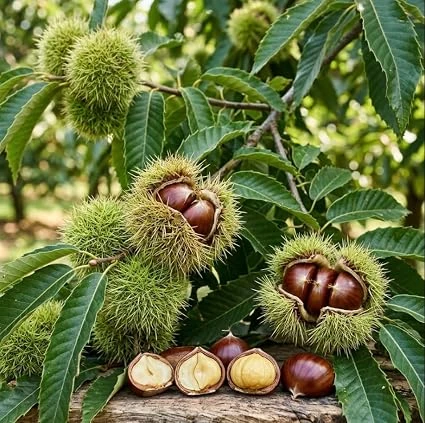
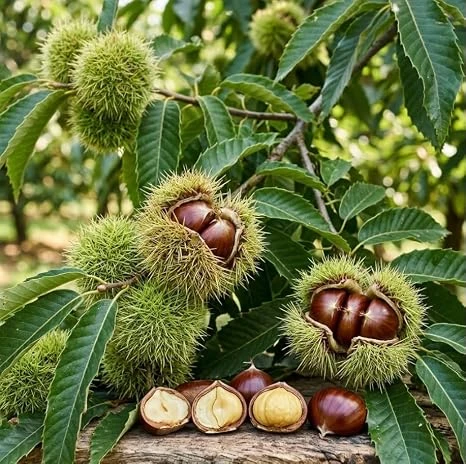
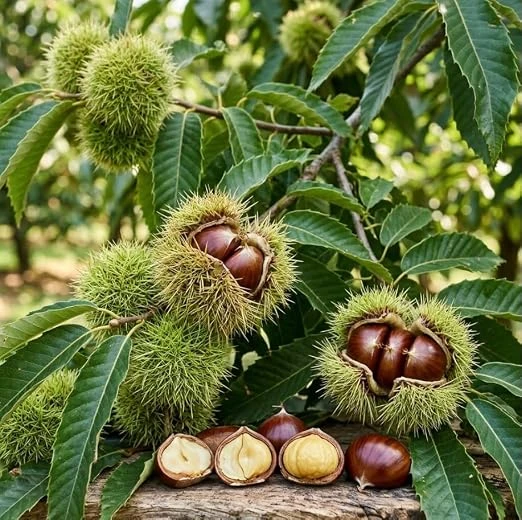
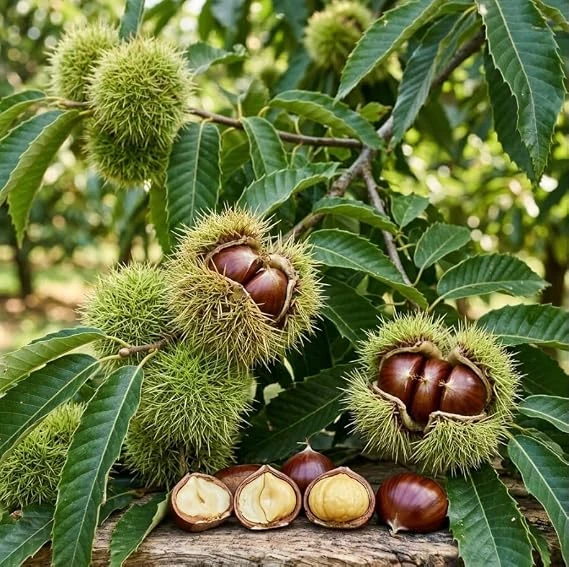
Overview
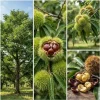
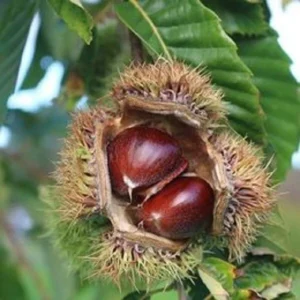
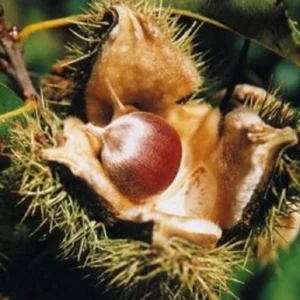
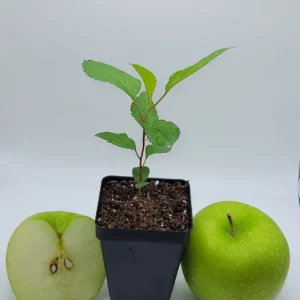
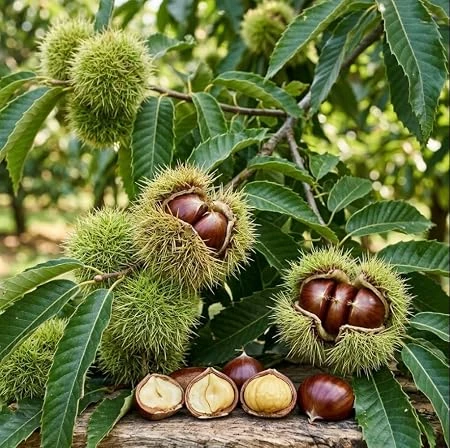
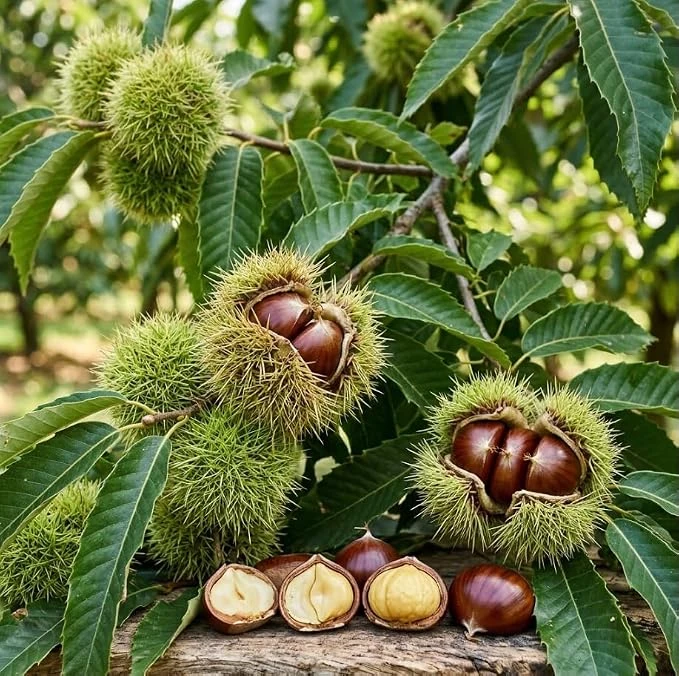
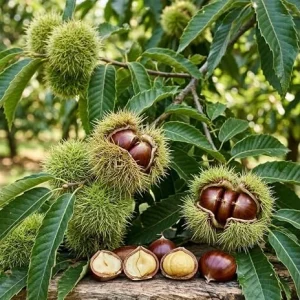
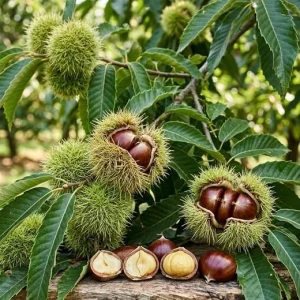
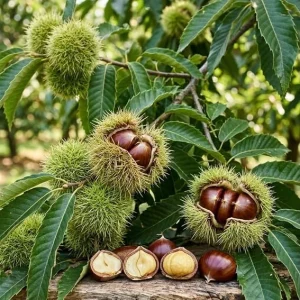
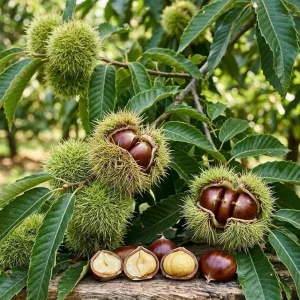
Discover the joy of growing your own edible nuts with this vibrant chestnut tree live plant. This young deciduous tree, approximately 6-10 inches tall and potted in a 4-inch container, offers a fantastic opportunity to add a long-term, productive specimen to your landscape. Known for their sweet, delicious nuts and stately presence, chestnut trees are a wonderful addition to any garden, yard, or open space. While this young plant may not produce fruit immediately, with proper care and maturity, it will eventually yield bountiful harvests of brown chestnuts, a true culinary delight. Embrace the journey of nurturing a sweet chestnut tree from a young sapling into a magnificent, nut-bearing specimen that provides both beauty and sustenance for years to come.
The chestnut tree, a member of the genus Castanea, is revered for its robust growth and valuable fruit. This particular offering is a fresh, ready-to-grow specimen, carefully cultivated to ensure a strong start in its new home. As a deciduous nut tree, it will shed its leaves in the fall, entering a natural dormancy period, and then burst forth with new foliage in the spring. This natural cycle is essential for its health and future fruit production, making it a resilient and rewarding plant for temperate climates. Adding a chestnut tree to your property is an investment in both natural beauty and future harvests.
Key Benefits
Bringing a chestnut tree into your garden offers a wealth of advantages, from its aesthetic appeal to its delicious produce. This chestnut tree live plant provides numerous benefits that enhance your outdoor living space and culinary experiences:
- Future Nut Production: Once mature, this tree will produce delicious, edible chestnuts, perfect for roasting, baking, or enjoying fresh. It’s a long-term investment in your home-grown food supply.
- Stunning Shade Tree: With its broad canopy and attractive foliage, the chestnut tree develops into a magnificent shade tree, providing cool relief during hot summer months and enhancing the visual appeal of your landscape.
- Deciduous Beauty: Enjoy the seasonal transformation as the tree sheds its leaves in autumn, revealing interesting branch structures, and then re-emerges with vibrant green foliage in spring. This cycle adds dynamic interest to your garden.
- Wildlife Attraction: The nuts produced by mature chestnut trees can also attract various wildlife, including squirrels and birds, adding to the biodiversity of your yard.
- Strong Head Start: Arriving 6-10 inches tall in a 4-inch pot, your young sweet chestnut tree has an established root system, giving it a significant advantage for successful growth and establishment.
- Environmental Contribution: Planting a tree contributes to environmental health by providing oxygen, absorbing carbon dioxide, and supporting local ecosystems.
- Long-Term Value: A well-cared-for chestnut tree can live for many decades, becoming a cherished part of your property and potentially increasing its value.
Plant Care & Growing Tips
Caring for your chestnut tree live plant involves understanding its basic needs to ensure healthy growth and eventual nut production. These trees thrive in specific conditions. For sunlight, chestnut trees prefer full sun, meaning at least 6-8 hours of direct sunlight per day. Choose a location in your yard that receives ample sun exposure throughout the day. Adequate light is crucial for photosynthesis and the development of strong branches and future nuts. During its first few years, protect young trees from extreme heat or cold if necessary, though they are generally quite hardy once established.
When it comes to watering, consistent moisture is key, especially for a young deciduous nut tree. Water deeply and regularly, particularly during dry spells, to ensure the soil remains moist but not waterlogged. Allow the top inch or two of soil to dry out slightly between waterings to prevent root rot. Good drainage is paramount; chestnut trees do not tolerate standing water. They prefer well-draining, slightly acidic to neutral soil (pH 5.5-7.0). Amend heavy clay soils with organic matter like compost or sand to improve drainage and aeration. Fertilize young trees sparingly in the spring with a balanced, slow-release fertilizer, following product instructions. Avoid over-fertilizing, which can burn tender roots. The USDA hardiness zones for many chestnut varieties range from 4 to 8, but specific varieties may vary. Protecting the young tree from deer or other browsing animals may be necessary in some regions.
Size & Details
This chestnut tree live plant arrives as a young, vibrant sapling, standing approximately 6-10 inches tall from the base of the soil to the tip of its tallest stem. Each plant is carefully rooted in a 4-inch nursery pot, providing a stable environment for its initial growth and an established root system for successful transplanting. This size offers a strong head start, allowing the tree to acclimate quickly to its new outdoor environment. As a young specimen, it will require several years to reach maturity and begin producing nuts. The growth rate can vary depending on local conditions and care, but a healthy chestnut tree can grow several feet per year. You will receive a fresh, deciduous plant, which means during winter months, it may arrive without leaves or with reduced foliage as it enters its natural dormancy period. This is a normal and healthy state, and the tree will leaf out again with the return of warmer weather. This chestnut tree for sale is ideal for those looking to cultivate a long-lived, productive tree.
Frequently Asked Questions
- Q: How big does this plant get? A: This chestnut tree live plant arrives 6-10 inches tall. Mature chestnut trees can grow quite large, typically reaching heights of 50-70 feet or more, with a substantial canopy, providing excellent shade.
- Q: What size pot does it come in? A: Your sweet chestnut tree will arrive potted in a 4-inch nursery pot, providing a healthy root ball and a strong start for planting.
- Q: Is this an indoor or outdoor plant? A: This is an outdoor plant. Chestnut trees are large deciduous trees meant for planting in the ground in a garden, yard, or open space where they can grow to their full potential.
- Q: How much sunlight does it need? A: Chestnut trees thrive in full sun, requiring at least 6-8 hours of direct sunlight per day. Choose a location that receives ample light for optimal growth and nut production.
- Q: Is this plant easy to care for? A: While young trees require consistent watering and protection, once established, chestnut trees are relatively low-maintenance. The most critical aspects are proper site selection, well-draining soil, and adequate sunlight.
- Q: What condition will it arrive in? A: Each tree is carefully grown and shipped fresh to ensure the best possible condition upon arrival. During winter, the plant may arrive dormant without leaves, which is normal for a deciduous nut tree.
- Q: How long until it produces fruit? A: This is a young chestnut tree live plant and may not produce fruit immediately. Fruit production typically begins once the tree reaches maturity, which can take several years (often 5-10 years) after planting.
- Q: When is the best time to plant? A: The best time to plant a young chestnut tree is typically in the spring or fall when temperatures are moderate, allowing the roots to establish before extreme heat or cold.
- Q: Will it survive winter in my zone? A: Chestnut trees are hardy deciduous plants. Most varieties thrive in USDA hardiness zones 4-8. Check your local USDA zone to ensure it’s suitable for growing a how to grow chestnut tree successfully.
- Q: Do I need more than one tree for fruit production? A: While some chestnut varieties are self-fertile, planting at least two different varieties can significantly improve pollination and yield. This is a key aspect of understanding how to grow chestnut tree effectively for maximum nut production.


Reviews
There are no reviews yet.