Overview
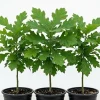
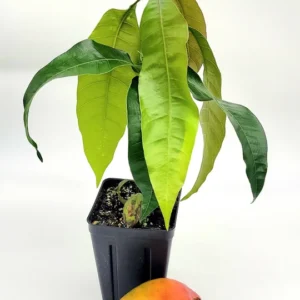
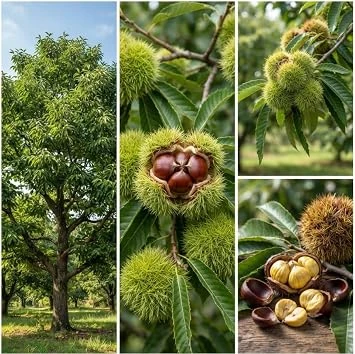
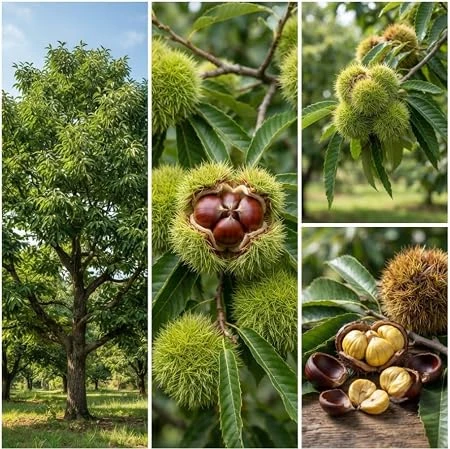
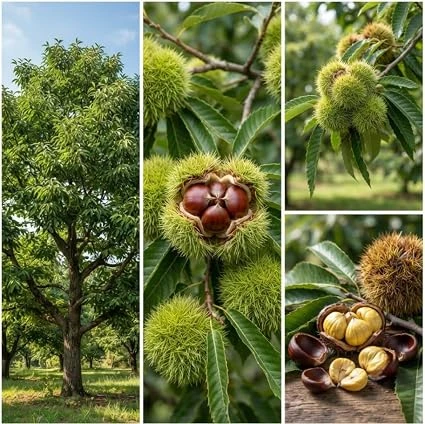
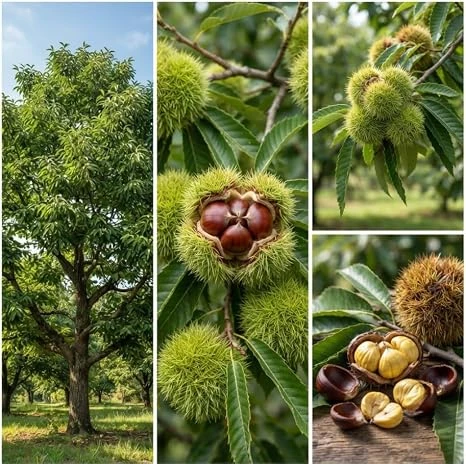
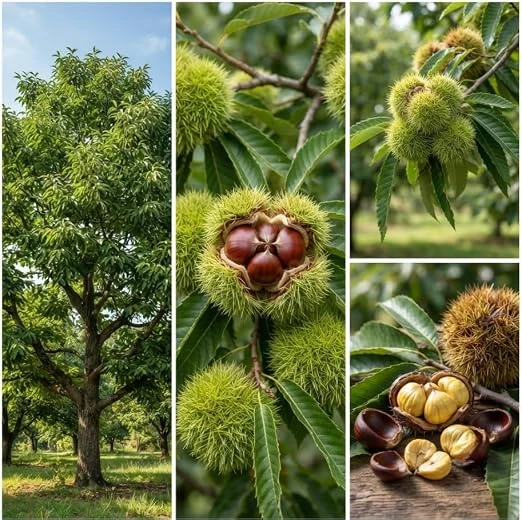
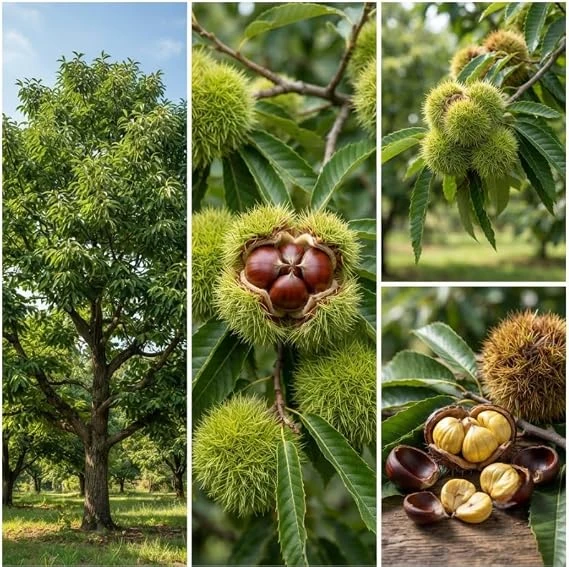
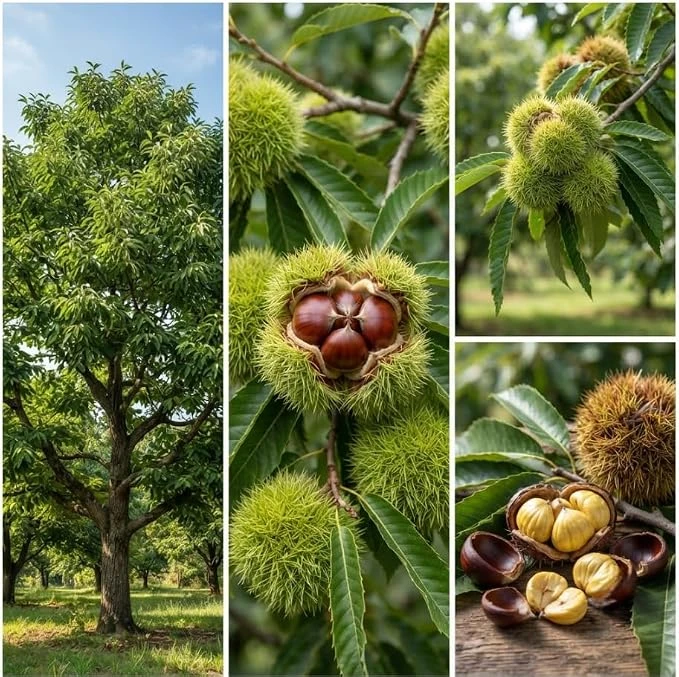
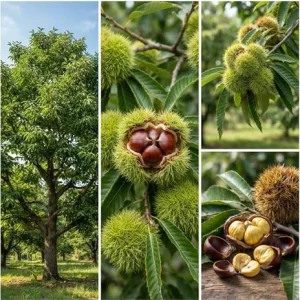
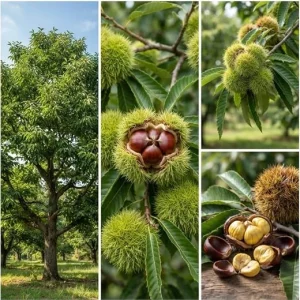
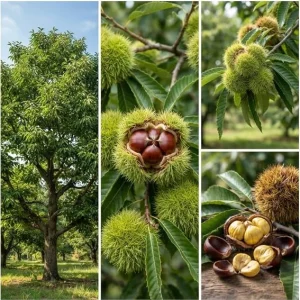
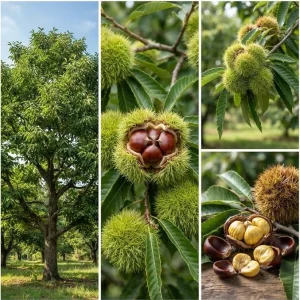
Introduce a rewarding and beautiful addition to your landscape with this pack of 2 chestnut tree live plants. These young, deciduous nut trees are perfect for anyone looking to cultivate their own chestnuts or simply enhance their garden with a majestic and productive tree. Each chestnut tree live plant arrives fresh, standing 6 to 10 inches tall and potted in a 4-inch container, providing a strong start for growth. These trees are known for their seasonal beauty, shedding leaves in the fall, and for eventually producing delicious, edible nuts. Ideal for backyard planting, along fence lines, or as a striking garden focal point, these trees offer both aesthetic appeal and a future harvest. While young, these plants are robust and ready to thrive in a variety of climates with proper care, making the dream of grow your own chestnuts a reality.
Key Benefits
Adding a chestnut tree to your garden offers numerous advantages, from ecological benefits to the joy of harvesting your own food. These trees are not only beautiful but also provide long-term value and enjoyment.
- Sustainable Food Source: Once mature, these chestnut tree live plants produce delicious and nutritious nuts, offering a sustainable and homegrown food source for years to come.
- Garden Aesthetic: With their lush green foliage in spring and summer, and vibrant autumnal colors, these deciduous trees make a stunning visual addition to any yard or garden, enhancing curb appeal.
- Wildlife Attraction: Chestnut trees can attract local wildlife, such as squirrels and birds, adding natural activity and biodiversity to your outdoor space.
- Shade & Shelter: As they mature, these trees will provide ample shade, creating cool retreats during hot summer days and contributing to a comfortable outdoor environment.
- Long-Term Investment: Planting a deciduous nut tree is a long-term investment that increases property value and provides ongoing benefits for generations.
- Educational Experience: Growing your own food, especially a tree that takes time to mature, can be a rewarding and educational experience for families and aspiring gardeners.
- Hardiness: These young trees are well-suited to a variety of climates, demonstrating resilience and adaptability once established in well-drained soil with sufficient sunlight.
Plant Care & Growing Tips
Caring for your chestnut tree live plant is straightforward, especially when you understand its basic needs. These trees thrive with adequate sunlight, proper watering, and good soil conditions. Ensure your chosen planting site offers plenty of space for the tree to grow to its mature size.
For optimal growth, planting chestnut trees requires a location with full sun exposure, meaning at least 6-8 hours of direct sunlight per day. They prefer well-drained soil; heavy clay soils should be amended with organic matter to improve drainage. Consistent watering is crucial, especially during the first few years after planting and during dry spells. The soil should be kept consistently moist but not waterlogged. Fertilize annually in spring with a balanced, slow-release fertilizer designed for trees and shrubs to support healthy growth. Young trees may benefit from a layer of mulch around the base to retain soil moisture and regulate temperature. During winter, these deciduous trees naturally enter dormancy and may arrive without leaves or with reduced foliage. This is a normal and healthy part of their life cycle, and they will resume vigorous growth when warmer conditions return.
Size & Details
This offering includes a pack of 2 chestnut tree live plants, providing you with a pair of young, vigorous trees ready for planting. Each plant arrives standing approximately 6 to 10 inches tall, measured from the base of the plant to the tip of its tallest stem. They are carefully potted in a 4-inch nursery pot, giving them a strong head start and making them easy to handle and transplant. These are young trees, and while they are robust, fruit production requires the tree to mature and establish properly, which typically takes several years. The eventual mature height of a chestnut nut tree can vary significantly depending on the species and growing conditions, often reaching 50-100 feet tall with a similar spread. They are shipped fresh to ensure the best possible condition upon arrival, ready to begin their journey in your garden.
Frequently Asked Questions
- Q: How big does this plant get? A: These are young plants, 6-10 inches tall upon arrival. Mature chestnut trees can grow quite large, often reaching 50-100 feet in height and spread, depending on the specific variety and growing conditions.
- Q: What size pot does it come in? A: Each chestnut tree live plant comes potted in a 4-inch nursery pot, providing a good root system for transplanting.
- Q: Is this an indoor or outdoor plant? A: These are outdoor plants. Chestnut trees are large, deciduous nut trees that require significant space and sunlight to thrive in an outdoor garden or landscape setting.
- Q: How much sunlight does it need? A: Chestnut trees require full sun exposure, meaning at least 6-8 hours of direct sunlight per day, to grow strong and produce fruit.
- Q: Is this plant easy to care for? A: Yes, once established, planting chestnut trees is relatively easy. They require consistent watering when young, well-drained soil, and full sun. They are generally low-maintenance once mature.
- Q: What condition will it arrive in? A: Your chestnut tree live plant will arrive fresh and carefully packaged. During winter months, it’s normal for them to arrive without leaves or with reduced foliage as they enter dormancy.
- Q: How long until it blooms or produces nuts? A: As young trees, these plants will not produce fruit immediately. It typically takes several years for a deciduous nut tree to mature and begin producing chestnuts, usually 5-10 years depending on conditions.
- Q: When is the best time to plant? A: The best time for planting chestnut trees is generally in spring or early fall, allowing the roots to establish before extreme summer heat or winter cold.
- Q: Will it survive winter in my zone? A: Chestnut trees are hardy deciduous trees. Their specific hardiness varies by species, but most are suitable for USDA zones 4-8. Ensure you know your local hardiness zone for best results.
- Q: Can I really grow my own chestnuts from these trees? A: Yes, with proper care and patience, these young trees will mature and eventually produce delicious, edible chestnuts, allowing you to grow your own chestnuts right in your backyard.


Reviews
There are no reviews yet.