Overview
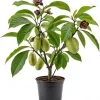
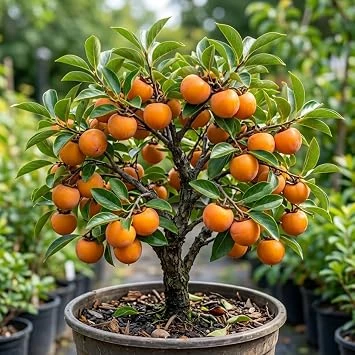
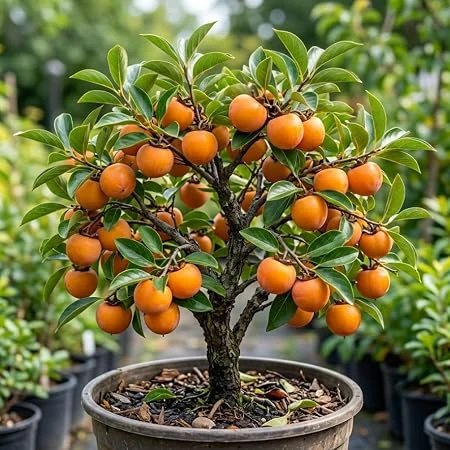
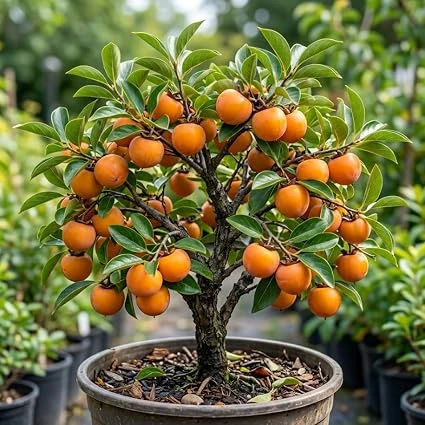
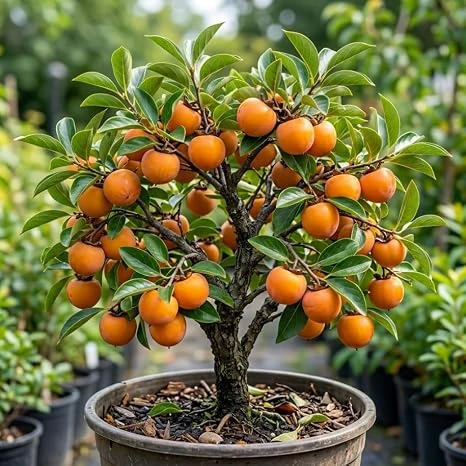
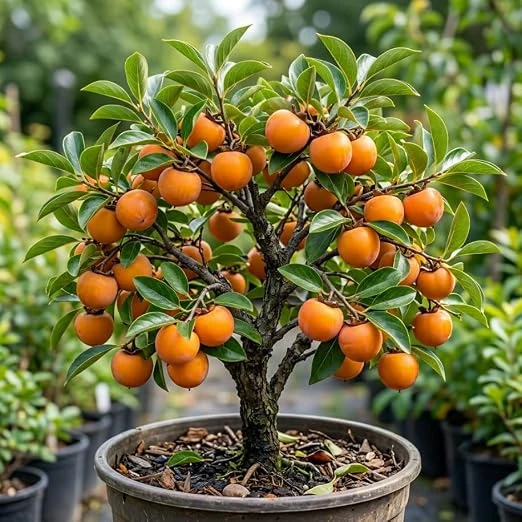
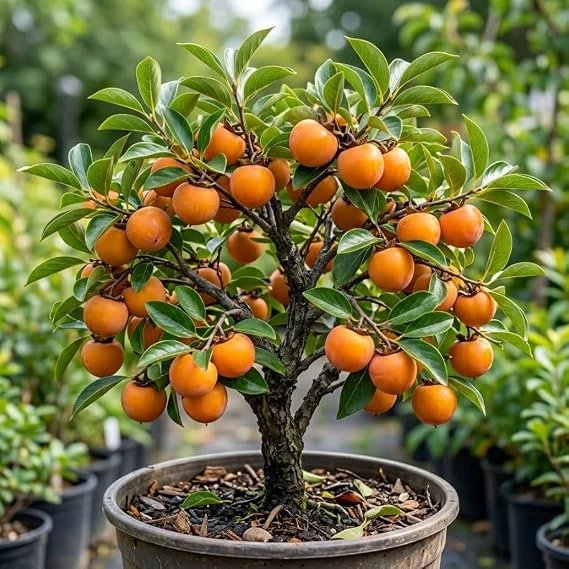
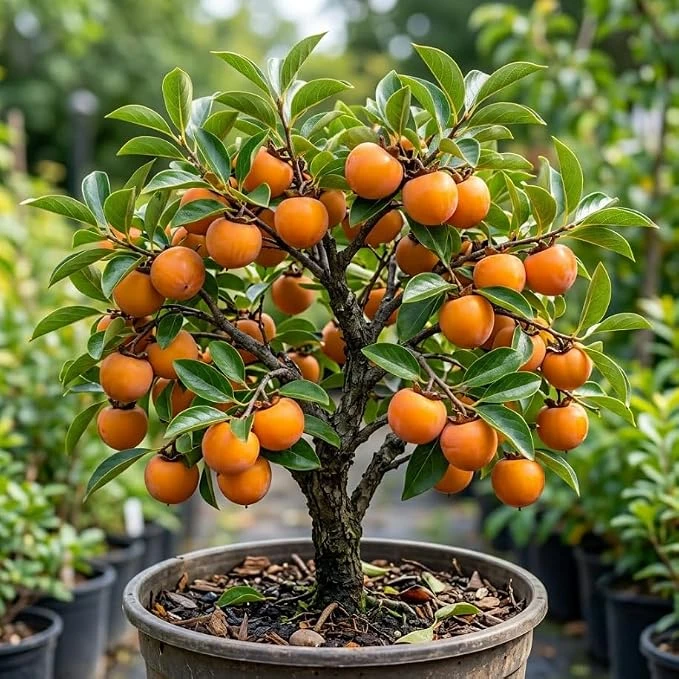
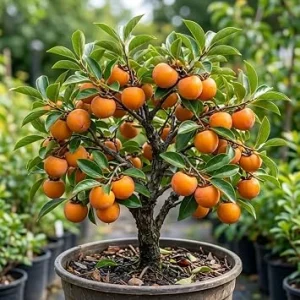
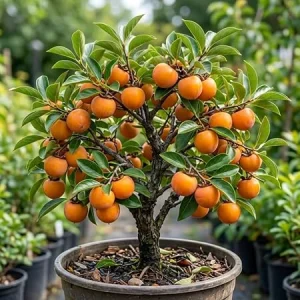
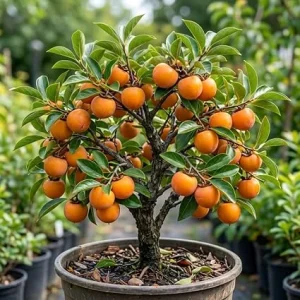
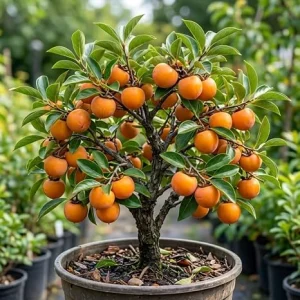
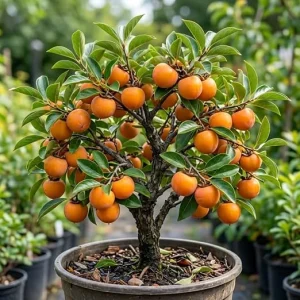
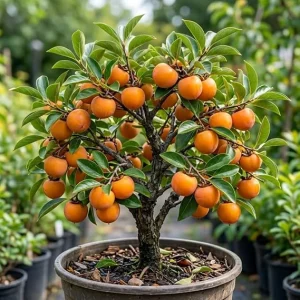
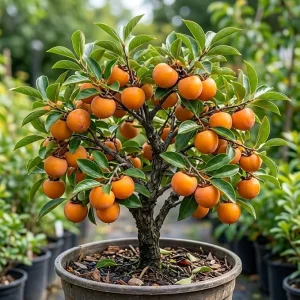
Bring the joy of homegrown fruit to your landscape with a common persimmon tree live plant. This robust and versatile American native, scientifically known as Diospyros virginiana, is celebrated for its delicious, sweet orange fruits that ripen in the fall. Our common persimmon tree live plant arrives as a healthy, well-rooted starter tree, approximately 6-14 inches tall in a quart pot, ready for you to transplant and nurture. Known for its adaptability, this deciduous fruit tree thrives in a wide range of climates and soil conditions, making it an excellent choice for both experienced gardeners and enthusiastic beginners.
The common persimmon tree live plant is not just a fruit producer; it’s also a beautiful ornamental addition to any yard. Its attractive foliage turns vibrant shades of yellow, orange, and red in autumn, adding stunning seasonal color before dropping its leaves to reveal an interesting branch structure. These trees are known for their longevity and can provide a bountiful harvest for many years, becoming a cherished part of your garden ecosystem. Growing your own persimmons ensures you have access to fresh, organic fruit right from your backyard.
Key Benefits
Choosing to plant a common persimmon tree live plant offers a multitude of benefits for your garden and your palate. Beyond the delightful fruit, these trees contribute significantly to the environment and your landscape’s aesthetic appeal.
- Delicious Homegrown Fruit: Enjoy sweet, flavorful orange persimmons directly from your garden. The fruit is excellent for fresh eating, baking, jams, or drying, providing a unique seasonal treat.
- Hardy and Adaptable: This hardy persimmon plant is known for its resilience, adapting well to various soil types and climates, and tolerating a wide range of temperatures once established.
- Beautiful Ornamental Value: Beyond its fruit, the tree offers attractive green foliage that transforms into striking fall colors, enhancing your garden’s visual appeal.
- Low Maintenance: Once established, the common persimmon tree live plant requires minimal care, making it an ideal choice for busy gardeners seeking a rewarding, easy-to-manage fruit tree.
- Wildlife Attraction: The fruits are a favorite food source for local wildlife, including birds and deer, adding ecological value to your property.
- Long-Lived Production: With proper care, a common persimmon tree live plant can produce fruit for decades, offering a sustainable source of fresh produce.
- Easy to Grow: Even if you’re new to fruit tree cultivation, learning to grow persimmon tree is straightforward, with clear requirements for sun and soil.
Plant Care & Growing Tips
Caring for your common persimmon tree live plant is relatively simple, ensuring a healthy tree and abundant harvest. To ensure success, understanding its basic needs for sunlight, water, and soil is crucial. This deciduous fruit tree prefers full sun exposure, meaning at least 6-8 hours of direct sunlight per day is ideal for optimal fruit production and growth. While it can tolerate partial shade, fruit yield may be reduced. When selecting a planting site, choose an area that receives ample sunlight and has good air circulation.
Watering is important, especially during the tree’s establishment phase. Keep the soil consistently moist but not waterlogged. Once established, the common persimmon tree live plant becomes quite drought-tolerant, but supplemental watering during prolonged dry spells will benefit fruit development. The ideal soil type is well-draining, loamy soil with a pH between 6.0 and 7.0. While adaptable, avoid heavy clay soils that retain too much moisture. Amending heavy soils with organic matter can improve drainage and aeration, creating a healthier environment for your american persimmon tree.
The common persimmon tree live plant is hardy in USDA zones 4-9, demonstrating its wide adaptability. It can withstand cold winters and hot summers. Fertilization is generally not heavily required for established trees, especially if planted in fertile soil. However, a balanced slow-release fertilizer in early spring can promote vigorous growth and fruit set. Young trees can benefit from a light application of a balanced fertilizer. Pruning should focus on removing dead or diseased branches, shaping the tree, and promoting good air circulation within the canopy. Regular monitoring for pests and diseases, though common persimmons are generally robust, will help maintain the tree’s health. Knowing how to grow persimmon tree successfully involves these simple, consistent care practices.
Size & Details
This offering is for one common persimmon tree live plant, which will arrive approximately 6-14 inches tall. Each young tree is shipped in a quart (Qt) pot, ensuring its roots are well-established and ready for transplanting into your garden or a larger container. The tree’s initial growth rate is moderate, and it will gradually increase in size as it establishes itself in its new environment. Common persimmon trees are known to eventually reach heights of 30-60 feet with a spread of 20-35 feet at maturity, though size can vary based on growing conditions and pruning. The tree typically begins bearing fruit within 5-10 years of planting, with increasing yields as it matures.
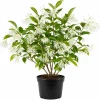
Our hardy persimmon plant is carefully packaged to ensure it arrives in optimal condition, ready for its new home. The quart pot provides sufficient space for the root system during transit and allows for a smooth transition to your garden soil. This deciduous fruit tree will drop its leaves in the fall and enter dormancy for winter, leafing out again in the spring. Expect beautiful white to yellowish flowers in late spring to early summer, followed by the development of the distinctive orange fruits that ripen in the fall, typically after the first frost for optimal sweetness.
Frequently Asked Questions
- Q: How big does this plant get and what size pot does it come in? A: Your common persimmon tree live plant will arrive approximately 6-14 inches tall, planted in a quart (Qt) pot. At maturity, these trees can reach heights of 30-60 feet, depending on growing conditions and care.
- Q: Is this an indoor or outdoor plant? How much sunlight does it need? A: This is an outdoor fruit tree. The common persimmon tree live plant requires full sun exposure, meaning at least 6-8 hours of direct sunlight daily, for best growth and fruit production.
- Q: Is this plant easy to care for? Is it good for beginners? A: Yes, the hardy persimmon plant is considered relatively easy to care for once established. It’s adaptable and low-maintenance, making it a great choice for both experienced and beginner gardeners looking to grow persimmon tree.
- Q: What condition will it arrive in? Is it shipped in soil? A: Your tree will be shipped as a live, well-rooted starter tree in its quart pot with soil, ensuring it is healthy and ready for transplanting upon arrival.
- Q: Can I use the fruit in cooking? Is it pet-safe? A: Yes, the fruits of the american persimmon tree are delicious and commonly used in various culinary applications like baking, jams, and eating fresh. While the ripe fruit is generally considered safe for pets in moderation, the seeds and unripe fruit may cause digestive upset, so it’s best to supervise pet interaction.
- Q: How long until it blooms and bears fruit? When is the best time to plant? A: Your common persimmon tree live plant will typically start bearing fruit within 5-10 years of planting, with blooms appearing in late spring to early summer. The best time to plant is in spring or fall when the weather is mild.
- Q: Will it survive winter in my zone? What’s the minimum temperature? A: This deciduous fruit tree is hardy in USDA Zones 4-9, meaning it can tolerate winter temperatures well below freezing, making it suitable for a wide range of climates across the US.


Reviews
There are no reviews yet.