Overview
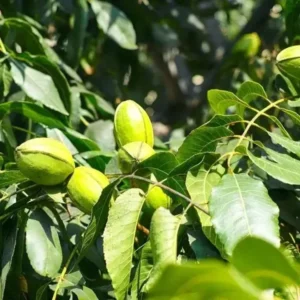
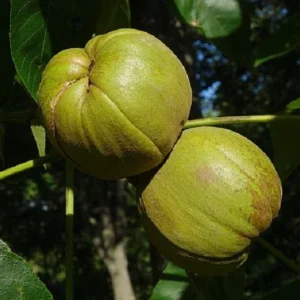
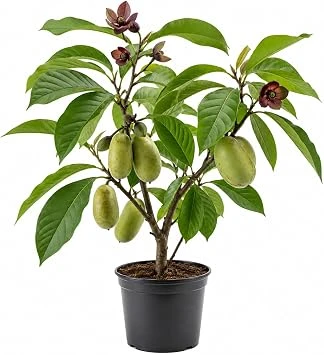
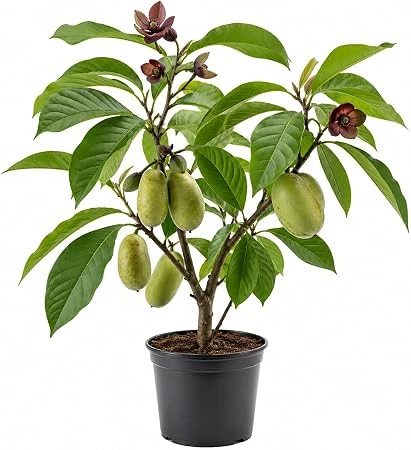
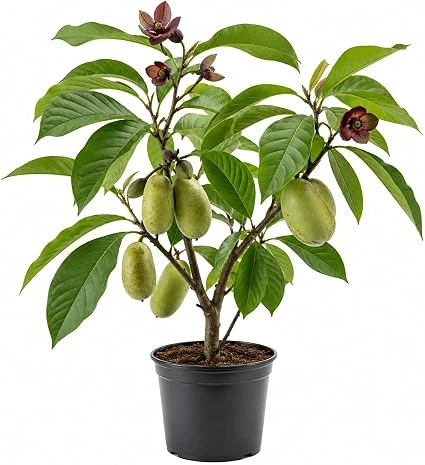
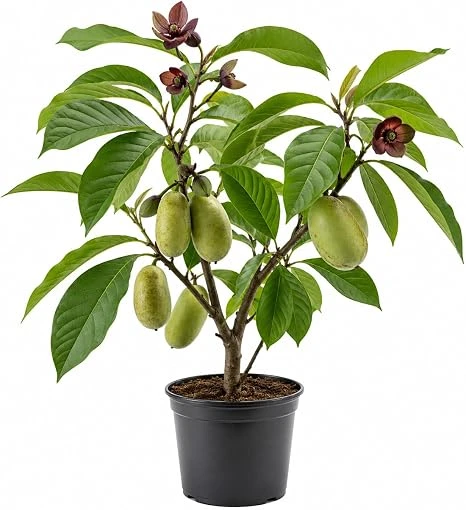
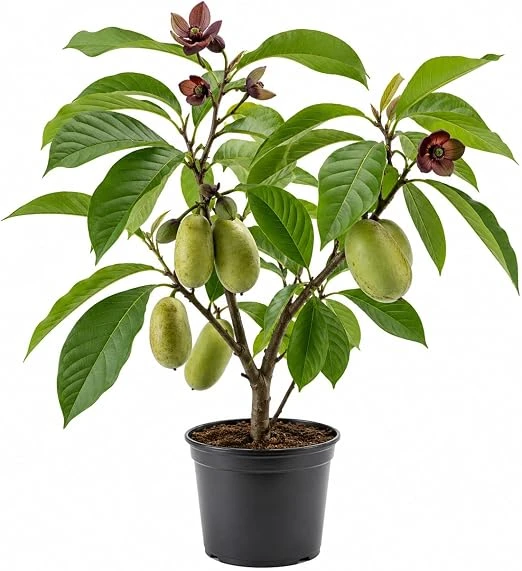
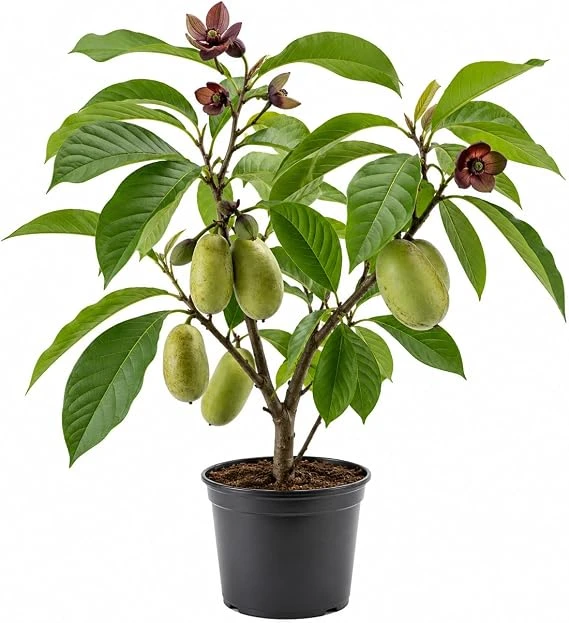
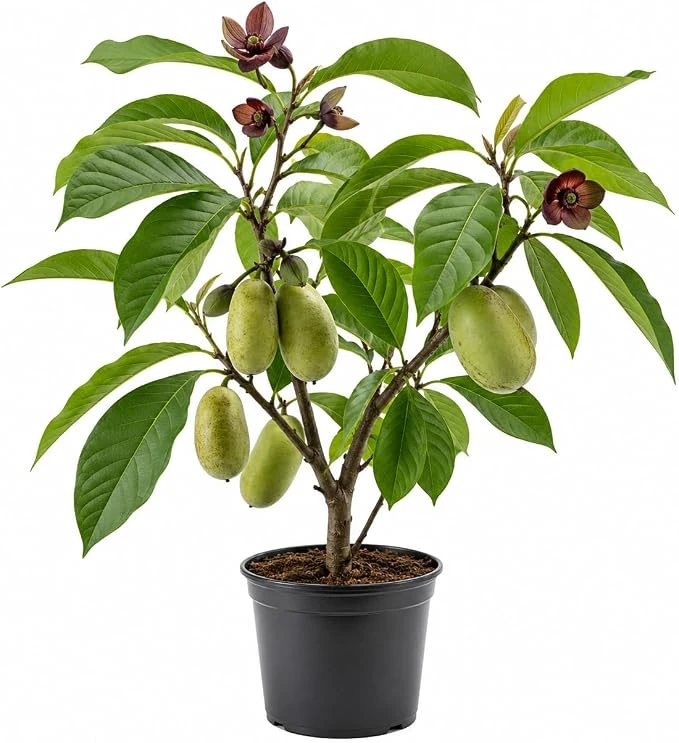
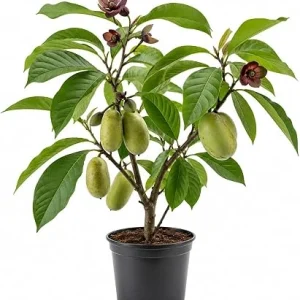
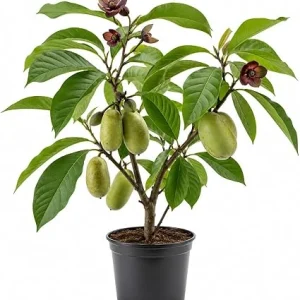
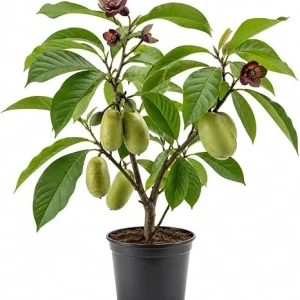
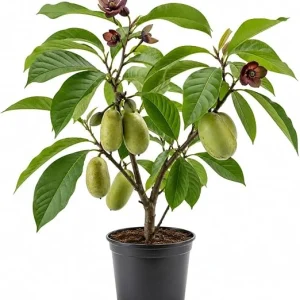
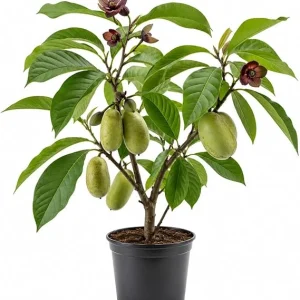
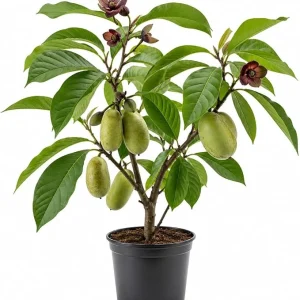
Introduce a truly unique and rewarding addition to your garden with the paw paw tree live plant. This fascinating native North American tree, scientifically known as Asimina triloba plant, is often called the hardy banana tree due to its sweet, custard-like fruit. You will receive a young, approximately 6-14 inch tall starter plant, carefully cultivated in a quart pot, ready for successful establishment in your outdoor landscape. While it arrives as a young plant without immediate fruit, with proper care, it will mature into a prolific producer of delicious, tropical-flavored pawpaws, offering a taste of the exotic right in your backyard.
The pawpaw is a deciduous tree known for its distinctive large leaves and purplish-brown flowers that emerge in spring. It’s a fantastic choice for those looking to diversify their home orchard or create a thriving food forest. This particular paw paw tree live plant is a resilient and adaptable specimen, capable of thriving in various conditions across much of the United States. Its unique flavor profile, often described as a blend of banana, mango, and pineapple, makes the sweet pawpaw tree a cherished and increasingly popular fruit. Prepare to enjoy the natural beauty and bountiful harvests this remarkable tree will bring to your outdoor space.
Key Benefits
Growing a paw paw tree live plant offers a multitude of benefits, from its unique fruit to its ecological contributions. This adaptable tree provides both aesthetic appeal and practical value, making it an excellent choice for any garden or landscape.
- Unique Edible Fruit: Enjoy the distinct, tropical flavor of pawpaw fruit, often compared to a blend of banana, mango, and pineapple. This native delicacy is a rare treat not typically found in grocery stores.
- Native & Hardy: As a native North American tree, the asimina triloba plant is well-adapted to local climates and resistant to many pests and diseases, requiring less intervention than non-native fruit trees. It’s a truly hardy option for many regions.
- Ecological Value: Pawpaws serve as a host plant for the zebra swallowtail butterfly, contributing to local biodiversity and supporting native wildlife in your garden.
- Ornamental Appeal: With its large, attractive leaves and pyramidal shape, the hardy banana tree offers significant ornamental value, providing lush green foliage throughout the growing season.
- Low Maintenance: Once established, pawpaw trees are relatively low maintenance, requiring minimal pruning and care compared to other fruit trees, making them ideal for busy gardeners.
- Shade Tolerance: Unlike many fruit trees, young pawpaws tolerate partial shade, making them suitable for understory planting or areas with dappled sunlight, though full sun is preferred for optimal fruit production.
- Food Forest Integration: This pawpaw fruit tree is an excellent component for permaculture designs and food forests, contributing to a diverse and sustainable edible landscape.
Plant Care & Growing Tips
Caring for your paw paw tree live plant is straightforward, especially once it’s established. These trees prefer a location with full sun to partial shade, especially when young. While they can tolerate some shade, particularly in their first year, full sun (at least 6-8 hours daily) will result in the best fruit production. Ensure the planting site has well-draining soil, ideally a rich, loamy soil with a slightly acidic to neutral pH (5.5-7.0). Avoid heavy clay soils that retain too much water, as this can lead to root rot. When transplanting, be gentle with the root ball, as pawpaws are sensitive to root disturbance.
Watering is crucial for young pawpaw trees. Keep the soil consistently moist, but not waterlogged, especially during dry periods in the first few years. Once established, the asimina triloba plant becomes more drought-tolerant. Fertilize sparingly in the spring with a balanced, slow-release organic fertilizer after the first year of planting. Avoid over-fertilizing, which can harm young trees. Pawpaws are generally hardy in USDA Zones 5-8, tolerating winter temperatures well. They may go dormant in colder months, losing their leaves, but will resume active growth when temperatures warm in spring.
While often self-pollinating to some extent, pawpaw trees benefit greatly from cross-pollination. Planting at least two different genetic varieties of sweet pawpaw tree will significantly increase fruit set. Consider companion planting with native wildflowers or using manual pollination techniques if fruit production is low. Monitor for common pests like the pawpaw peduncle borer, though generally, these trees are quite resilient. With these care tips, your paw paw tree live plant will flourish and provide delicious fruit for years to come.
Size & Details
This offering is for one paw paw tree live plant, a vigorous young starter tree grown in a quart-sized pot. The plant will arrive approximately 6-14 inches tall, representing a healthy specimen ready for transplanting into your garden or landscape. As a young plant, it is typically 1 year old, carefully nurtured to ensure a strong root system and robust growth potential. This size is ideal for establishing the tree in its permanent location, allowing it to acclimate and develop naturally.
Pawpaw trees are known for their moderate growth rate, typically reaching a mature height of 15-20 feet with a similar spread, though some can grow taller. As a starter plant, your tree will not have flowers or fruit upon arrival. With proper planting, consistent watering, adequate sunlight, and general care, pawpaw fruit tree specimens typically begin producing their distinctive fruit in approximately 2-4 years after establishment in the ground. This provides an exciting timeline to anticipate your first harvest of delicious, native fruit.
Frequently Asked Questions
- Q: How big does this plant get? A: This paw paw tree live plant is a starter plant, approximately 6-14 inches tall when shipped. Mature pawpaw trees (asimina triloba plant) typically reach heights of 15-20 feet with a similar spread, creating a lovely medium-sized fruit tree for your landscape.
- Q: What size pot does it come in? A: Your paw paw tree live plant will arrive growing in a quart-sized pot, providing ample space for its young root system and making it easy to transplant into your garden or a larger container.
- Q: Is this an indoor or outdoor plant? A: The hardy banana tree is an outdoor plant. It thrives in outdoor gardens, food forests, orchards, and backyard landscapes, requiring a period of winter dormancy to produce fruit. It is not suitable for long-term indoor cultivation.
- Q: How much sunlight does it need? A: While young sweet pawpaw tree plants can tolerate partial shade, they prefer full sun (at least 6-8 hours of direct sunlight daily) for optimal growth and fruit production once established.
- Q: Is this plant easy to care for? A: Yes, pawpaw trees are relatively easy to care for once established. They are native and hardy, making them a good choice for gardeners looking for a low-maintenance fruit tree.
- Q: What condition will it arrive in? A: You will receive a healthy, young paw paw tree live plant, carefully grown and ready for transplanting. Please note that during the winter season, the plant may be dormant and appear to have no leaves, which is normal for deciduous trees.
- Q: How long until it blooms and produces fruit? A: As a starter plant, your tree will not have flowers or fruit upon arrival. With proper care and establishment in your garden, pawpaw fruit tree specimens typically begin producing fruit in approximately 2-4 years.
- Q: Will it survive winter in my zone? A: Pawpaw trees are quite hardy and typically thrive in USDA Hardiness Zones 5-8. They are deciduous and will naturally lose their leaves and go dormant during the colder winter months, resuming growth in spring.
- Q: Do I need more than one pawpaw tree for fruit? A: While some pawpaw varieties can be partially self-fertile, planting at least two genetically different asimina triloba plant trees is highly recommended to ensure successful cross-pollination and a bountiful fruit harvest.
- Q: What kind of soil does it prefer? A: The hardy banana tree prefers rich, well-draining, slightly acidic to neutral soil. Amending your soil with compost or other organic matter will help ensure good drainage and nutrient availability.


Reviews
There are no reviews yet.