Overview
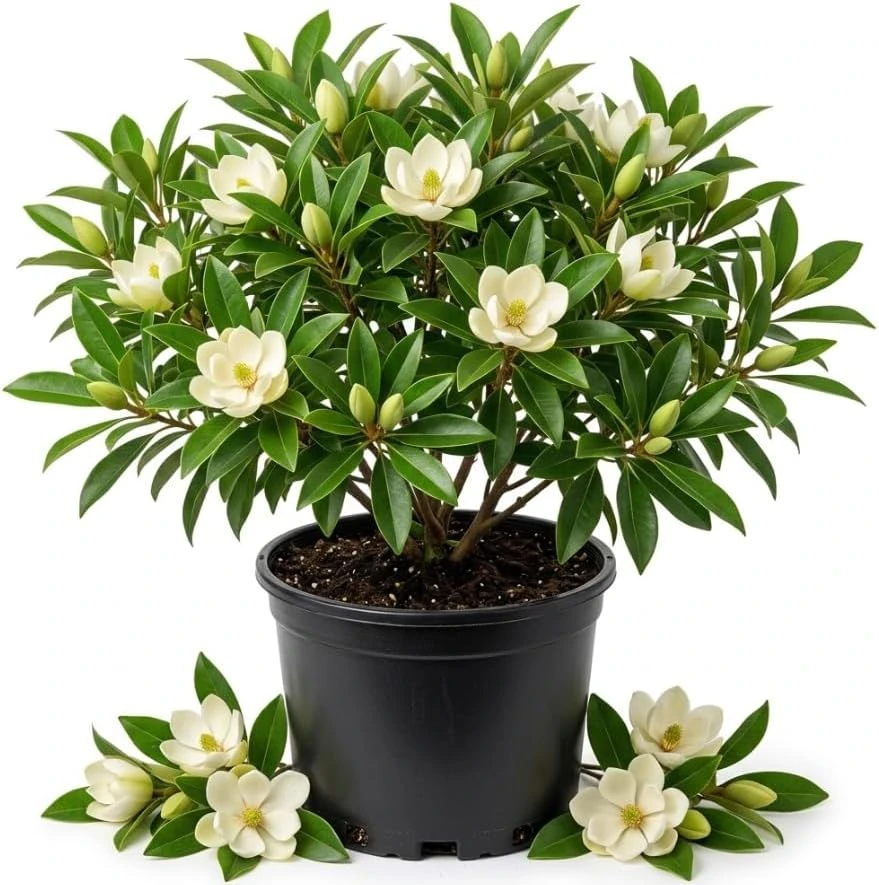
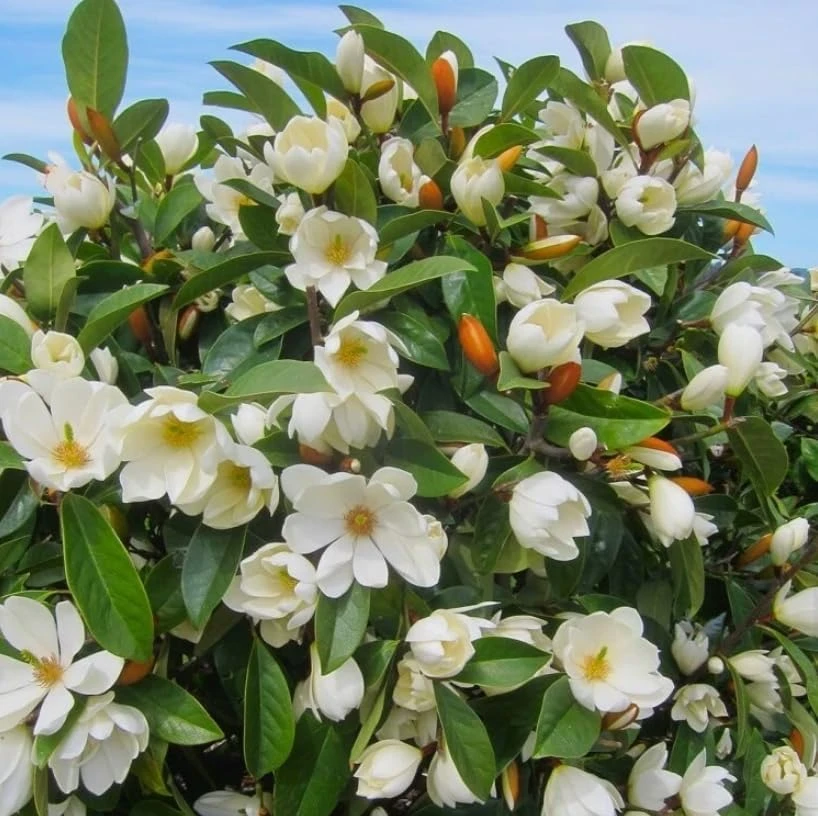
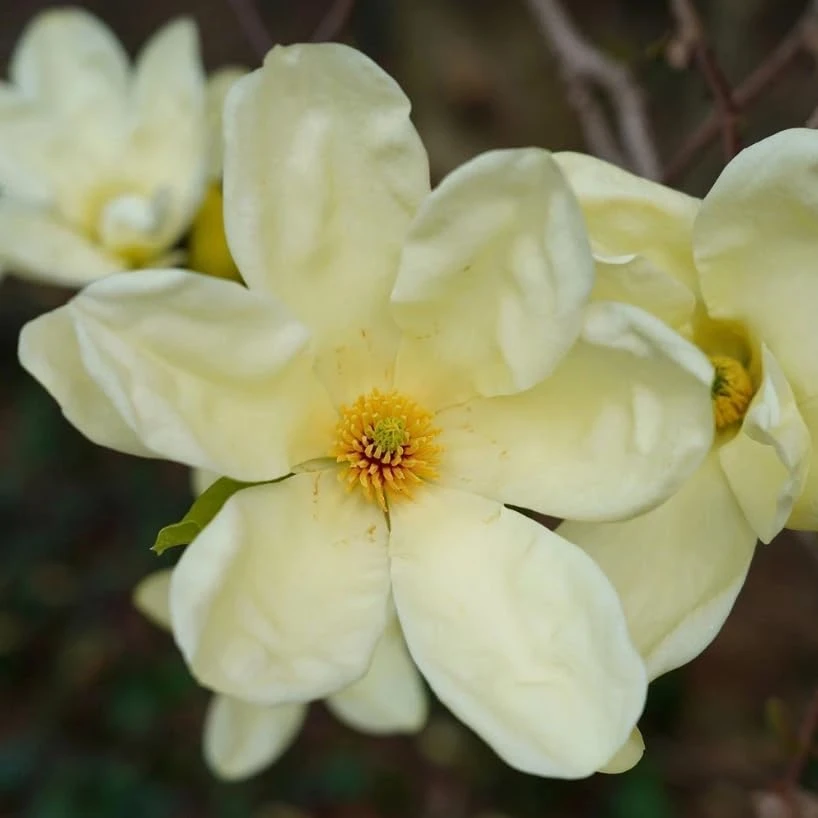
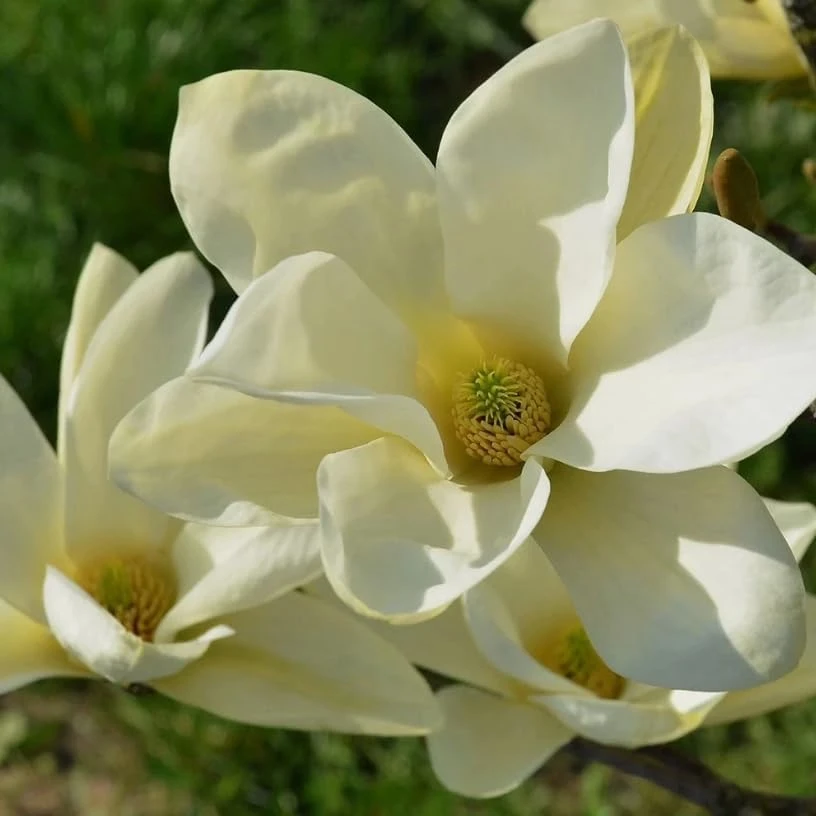
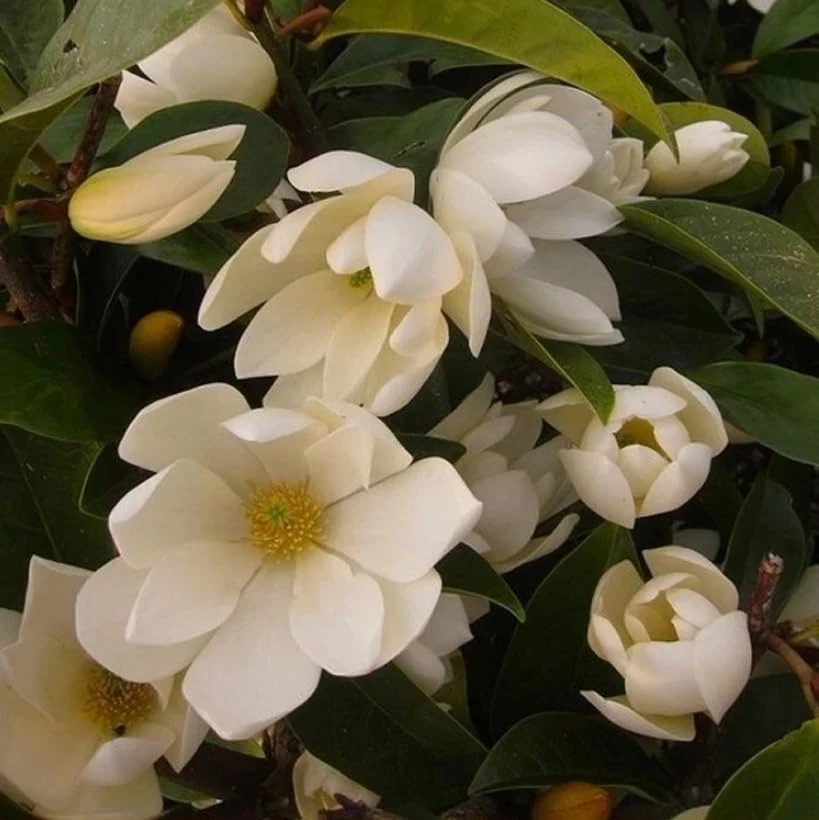
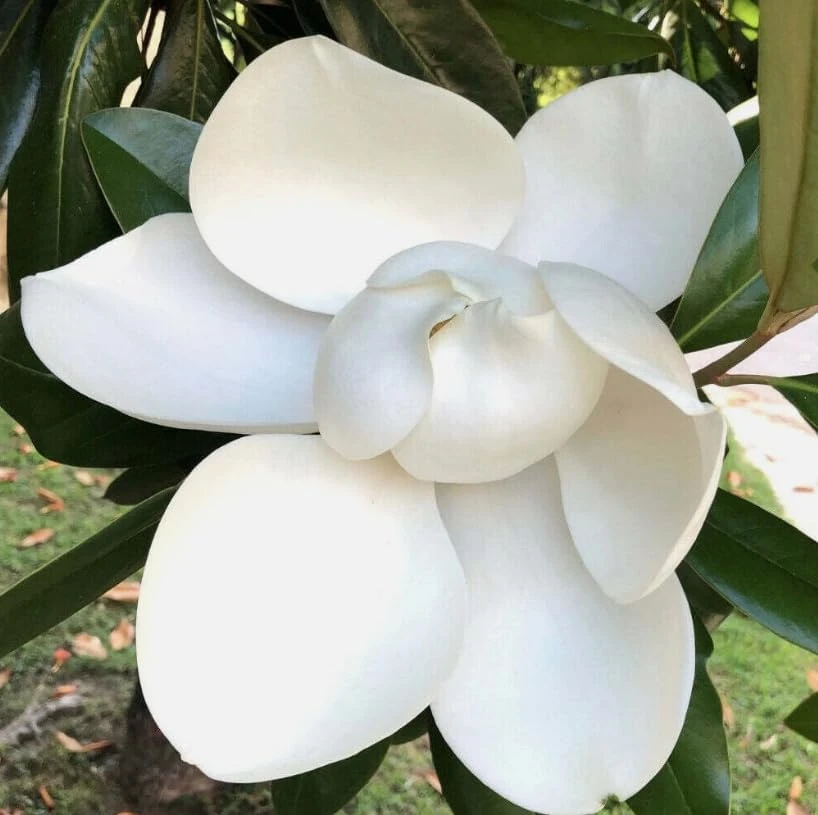
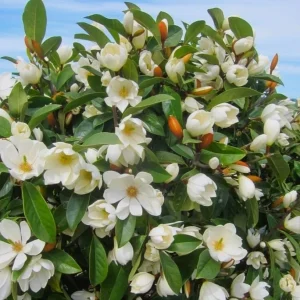
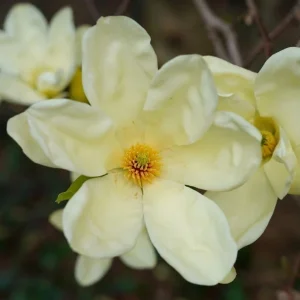
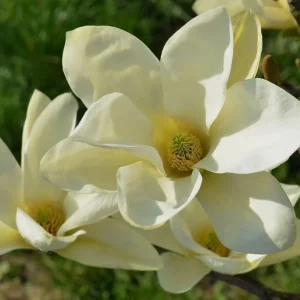
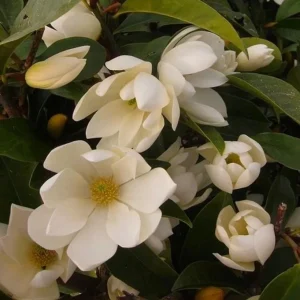
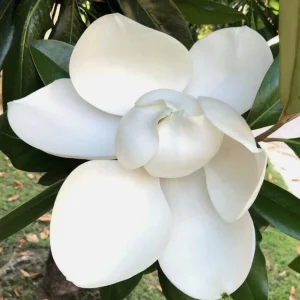
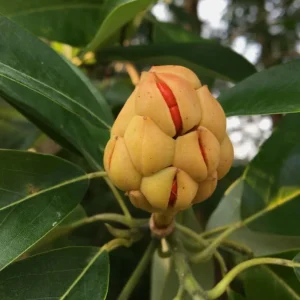
Introduce timeless elegance to your garden with a magnificent sweetbay magnolia tree. Also known as Sweet Bay Magnolias or Swamp Magnolias (Magnolia virginiana), this deciduous to semi-evergreen tree or large shrub is celebrated for its exquisite, creamy-white, lemon-scented flowers that bloom from late spring into summer. Each sweetbay magnolia tree is a live plant, delivered healthy and ready to thrive in your landscape. These versatile plants offer year-round interest, with attractive foliage and a graceful growth habit, making them a cherished addition to any outdoor setting. Known for their resilience and adaptability, they are a fantastic choice for gardeners seeking both beauty and ease of care.
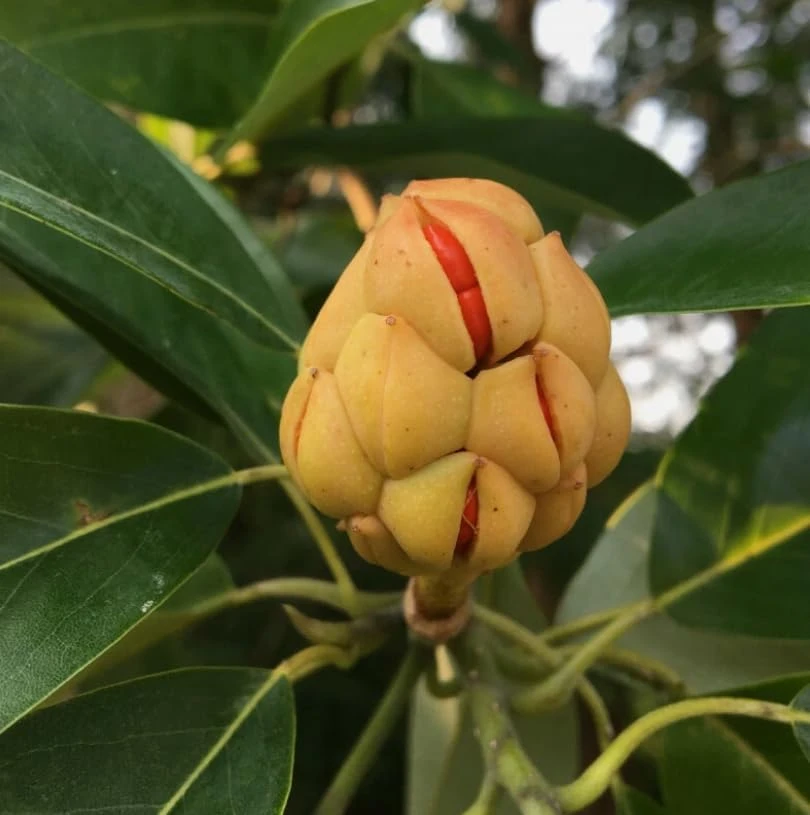
The sweetbay magnolia tree is a native North American species, valued for its ornamental appeal and fragrant blossoms. Unlike some of its larger, more imposing cousins, the Sweetbay Magnolia maintains a more manageable size, making it suitable for a variety of garden designs, from formal to naturalized settings. Its glossy green leaves have a silvery underside, creating a beautiful shimmering effect in the breeze. This particular magnolia live plant is an excellent choice for those looking to add a touch of classic Southern charm with a delightful aroma.
Key Benefits
Adding a sweetbay magnolia tree to your garden offers a wealth of benefits, transforming your outdoor space into a fragrant haven. These trees are not just beautiful; they are also remarkably adaptable and provide continuous visual interest throughout the seasons.
- Stunning Fragrant Blooms: Enjoy an abundance of creamy-white flowers with a delightful lemony fragrance that perfumes the air from late spring through summer. These showy blossoms are a true highlight.
- Elegant Landscape Accent: Whether grown as a multi-stemmed shrub or trained into a small tree, the Sweetbay Magnolia provides an elegant, classic look that enhances any garden design. It serves beautifully as a specimen plant.
- Versatile Growth Habit: Adaptable to various landscape roles, it can be used effectively as a privacy screen, a border shrub, or a focal point in your yard. Its flexibility makes it a gardener’s favorite.
- Adaptable to Diverse Conditions: This resilient plant thrives in a wide range of conditions, tolerating both full sun and partial shade, and adapting well to various soil types, including moist areas.
- Attracts Pollinators: The fragrant flowers are a magnet for bees and other beneficial pollinators, contributing to the biodiversity and health of your garden ecosystem.
- Low Maintenance: Once established, the sweetbay magnolia tree is relatively low-maintenance, requiring minimal care to flourish, making it ideal for busy gardeners.
- Year-Round Appeal: With its attractive foliage and graceful form, the fragrant magnolia plant offers visual appeal even when not in bloom, especially in milder climates where it remains semi-evergreen.
Plant Care & Growing Tips
Caring for your sweetbay magnolia tree is straightforward, ensuring years of beautiful blooms and lush foliage. This resilient tree thrives with proper attention to its basic needs, making it a rewarding choice for both novice and experienced gardeners. When planting, choose a location that receives ample sunlight, ideally full sun to partial shade. Full sun encourages more prolific blooming, while partial shade can be beneficial in hotter climates to protect the foliage from scorching afternoon rays. Ensure the planting site has good air circulation to prevent fungal issues.
Sweetbay magnolias prefer moist, acidic, well-draining soil. They are particularly tolerant of wet conditions, making them an excellent choice for areas with poor drainage or near water features. Amend heavy clay soils with organic matter to improve drainage and aeration, or sandy soils to enhance moisture retention. Water regularly, especially during dry spells and in the first year after planting, to help establish a strong root system. Once established, they are moderately drought-tolerant but will perform best with consistent moisture. Fertilize in early spring with a balanced, slow-release fertilizer formulated for acid-loving plants, following the product’s instructions.
Pruning is generally minimal for the white flowering shrub. Remove any dead, damaged, or crossing branches to maintain a healthy structure. If you wish to shape it into a more tree-like form, gradually remove lower branches over several years. Pests and diseases are generally not a major concern for sweet bay magnolias, but keep an eye out for common issues like scale insects or leaf spot, addressing them promptly if they arise. With these simple care practices, your fragrant magnolia plant will flourish, providing a stunning focal point in your landscape.
Size & Details
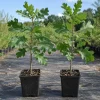
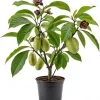
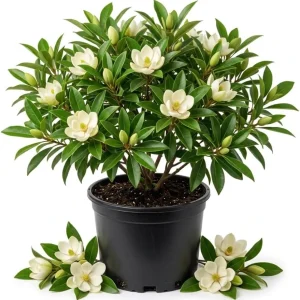
This offering is for a live sweetbay magnolia tree, carefully cultivated and ready for planting. Each plant measures approximately 2 to 3 feet tall from the top of the soil, providing a substantial start for your garden. It arrives securely planted in a 1-gallon nursery pot, ensuring the root system is well-established and protected during transit. The robust size of this magnolia live plant means it will quickly settle into its new home and begin to grow, contributing to your landscape’s beauty.
Sweetbay Magnolias have a moderate growth rate, typically adding 1-2 feet per year once established. They can reach a mature height of 10-20 feet and a spread of 10-15 feet, depending on growing conditions and whether they are allowed to grow as a multi-stemmed shrub or trained as a single-trunk tree. Expect the first fragrant white blooms to appear within the first few years after planting, with increasing abundance as the tree matures. This white flowering shrub is shipped with its roots intact in soil, minimizing transplant shock and setting it up for successful growth in your garden.
Frequently Asked Questions
- Q: How big does this sweetbay magnolia tree get? A: This sweetbay magnolia tree typically grows 10-20 feet tall and 10-15 feet wide. Its mature size can vary depending on growing conditions and if it’s pruned as a shrub or tree.
- Q: What size pot does the sweetbay magnolia live plant come in? A: Each magnolia live plant is shipped in a sturdy 1-gallon nursery pot, ensuring a well-established root system for successful transplanting.
- Q: Is this an indoor or outdoor plant? A: The sweetbay magnolia tree is an outdoor plant, best suited for gardens and landscapes in USDA hardiness zones 5-9. It is not recommended for indoor cultivation.
- Q: How much sunlight does the white flowering shrub need? A: This white flowering shrub thrives in full sun to partial shade. For optimal blooming, aim for at least 6 hours of direct sunlight per day.
- Q: Is this plant easy to care for? Is it good for beginners? A: Yes, sweet bay magnolias are relatively easy to care for once established, making them a good choice for beginners. They are adaptable and resilient, requiring consistent moisture and basic pruning.
- Q: What condition will it arrive in? Is it shipped in soil? A: Your fragrant magnolia plant will arrive as a healthy, live plant, securely potted in soil within its 1-gallon container, ready for immediate planting.
- Q: How long until it blooms? When is the best time to plant? A: Sweetbay Magnolias typically begin blooming within 1-3 years after planting. The best time to plant is in spring or early fall to allow roots to establish before extreme temperatures.
- Q: Will it survive winter in my zone? What’s the minimum temperature? A: The sweetbay magnolia tree is hardy in USDA zones 5-9. It can tolerate winter temperatures down to approximately -20°F (-29°C) once established.
- Q: What type of soil does this sweetbay magnolia tree prefer? A: This sweetbay magnolia tree prefers moist, acidic, well-draining soil. It can tolerate a range of soil types, including clay, as long as it has adequate moisture and drainage.
- Q: Can I train this plant into a small tree? A: Yes, the sweetbay magnolia tree is versatile and can be grown as a multi-stemmed shrub or gradually trained into a small, single-trunk tree with proper pruning over time.


Reviews
There are no reviews yet.