Overview
Bring enduring beauty and functionality to your garden with this robust cottoneaster live plant. Sourced for its vigor and adaptability, this particular specimen arrives ready to thrive in a 5 inch pot, making it easy to transplant into its permanent home. Cottoneaster, from the genus Cotoneaster, encompasses a diverse group of woody plants, primarily shrubs, known for their attractive foliage, delicate flowers, and often vibrant berries. These plants are celebrated for their hardiness, making them a popular choice among gardeners seeking reliable and visually appealing landscape solutions. Whether you’re looking to establish a natural border, control erosion on slopes, or add year-round interest to your outdoor space, a cottoneaster shrub offers a versatile and rewarding option.
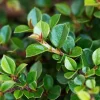
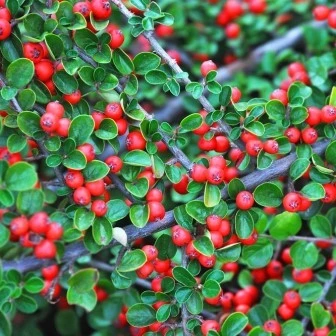
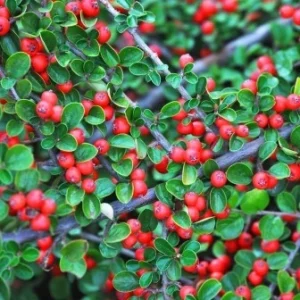
Our cottoneaster live plant is carefully cultivated to ensure a strong root system and healthy growth, providing you with a head start on establishing a beautiful garden feature. Depending on the specific variety, cottoneaster can offer a range of characteristics, from low-growing ground covers to more upright, arching shrubs. Its small, often glossy leaves provide a lush green backdrop, which can transform with seasonal color in autumn, displaying hues of red, orange, or purple. The subtle flowers attract pollinators, while the subsequent red or orange berries provide a food source for birds, adding ecological value to your landscape.
Key Benefits
The cottoneaster live plant offers a multitude of advantages for any gardener, combining aesthetic appeal with practical benefits:
- Exceptional Versatility: This hardy shrub is incredibly adaptable, serving various landscaping purposes. It can be used as a dense ground cover to suppress weeds and prevent erosion, trained as a hedge for privacy, or incorporated into mixed borders and rock gardens for textural interest. Its flexibility makes it suitable for diverse garden designs.
- Low Maintenance: Once established, growing cotoneaster requires minimal care. It is drought-tolerant and generally resistant to pests and diseases, making it an excellent choice for gardeners who prefer a less demanding plant. Regular watering during dry spells and occasional pruning are typically all that’s needed to keep it thriving.
- Seasonal Interest: Enjoy year-round appeal with the cottoneaster. Its glossy green leaves provide a lush backdrop in spring and summer, often followed by a spectacular display of autumn color, transitioning into vibrant reds and oranges. The bright berries that persist into winter add a splash of color against snowy landscapes.
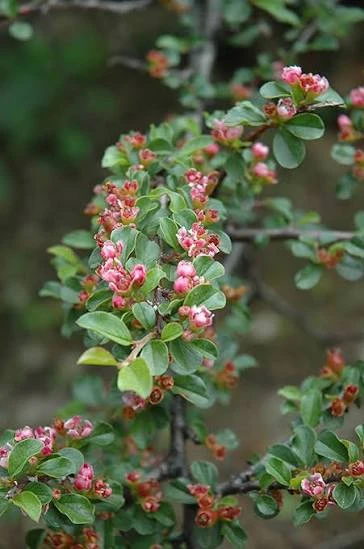
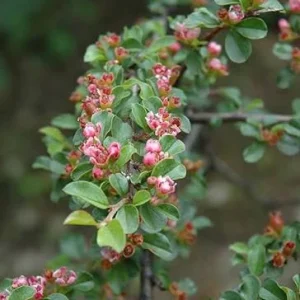
- Wildlife Attraction: The small, often white or pink flowers of the cottoneaster attract beneficial pollinators like bees and butterflies, contributing to a healthy garden ecosystem. The subsequent colorful berries are a valuable food source for various bird species, bringing life and movement to your outdoor space.
- Erosion Control: Many varieties of cottoneaster, especially the spreading types, develop a dense root system that is highly effective at stabilizing soil on slopes and embankments, helping to prevent erosion. This makes it an ideal choice for challenging landscape areas where soil retention is a concern.
- Hardiness and Resilience: Known for its robust nature, the cottoneaster live plant can withstand a range of growing conditions, including various soil types and temperature fluctuations. This resilience ensures it remains a dependable and long-lasting feature in your garden for many years.
Plant Care & Growing Tips
Proper cotoneaster care is straightforward, ensuring your cottoneaster live plant flourishes and provides years of beauty. When planting, choose a location that receives full sun to partial shade. Full sun (at least 6 hours of direct sunlight daily) will encourage the best flowering, berry production, and autumn color. While tolerant of various soil types, cottoneaster prefers well-draining soil. Amend heavy clay soils with organic matter like compost to improve drainage, or sandy soils to enhance water retention. Dig a hole twice as wide as the root ball and just as deep, ensuring the top of the root ball is level with the surrounding soil. Water thoroughly after planting.
Watering requirements for your cottoneaster shrub are moderate. During its first growing season, water regularly to help establish a strong root system, keeping the soil consistently moist but not waterlogged. Once established, cottoneaster is quite drought-tolerant and will only need supplemental watering during prolonged dry periods. Overwatering can lead to root rot, so always check the soil moisture before watering. Fertilization is generally not necessary for established plants, especially if planted in fertile soil. If your soil is poor or you notice stunted growth, a balanced, slow-release granular fertilizer applied in early spring can be beneficial. Follow package instructions carefully to avoid over-fertilization.
Pruning should be done in late winter or early spring before new growth begins, or after flowering if you want to preserve the berries for wildlife. Remove any dead, damaged, or diseased branches. You can also prune to maintain desired size and shape, or to encourage a denser habit. For ground cover varieties of growing cotoneaster, occasional shearing can help maintain a neat appearance. Cottoneasters are generally hardy in USDA Zones 4-8, though specific hardiness varies by species. They are relatively pest and disease-free, but watch out for common issues like spider mites or fire blight, and address them promptly with appropriate organic or chemical treatments.
Size & Details
This offering is for one robust cottoneaster live plant, expertly grown and delivered in a 5 inch pot. At the time of shipment, the plant will have a well-developed root system and healthy foliage, ready for immediate transplanting into your garden or a larger container. The exact height and spread of the plant will vary depending on the specific variety and growing conditions, but most young cottoneasters in this pot size will be approximately 6-12 inches tall. Depending on the cultivar, mature plants can range from low-growing ground covers spreading several feet wide to upright shrubs reaching 6-10 feet in height and width. This plant is shipped as a live, actively growing specimen, ensuring it arrives in optimal condition to thrive in your landscape. Expect a moderate growth rate, allowing it to establish and fill out your desired space within a few seasons.
Frequently Asked Questions
- Q: How big does this 5 inch potted cottoneaster live plant get? A: The size of the mature cottoneaster live plant depends on the specific variety, but generally, plants grown from a 5 inch pot can reach anywhere from 1 to 10 feet tall and wide. Ground cover types will spread more horizontally, while upright varieties will grow taller.
- Q: Is this an indoor or outdoor plant? A: Cottoneaster is primarily an outdoor shrub. It thrives in various outdoor conditions and is hardy in most temperate climates, making it an excellent choice for landscaping, hedges, or ground cover.
- Q: How much sunlight does my cottoneaster shrub need? A: For the best growth, flowering, and berry production, your cottoneaster shrub should receive full sun (at least 6 hours of direct sunlight per day). It can tolerate partial shade, but may have fewer flowers and berries.
- Q: Is this plant easy to care for? A: Yes, cottoneasters are known for being relatively low-maintenance once established. They are drought-tolerant and generally resistant to pests and diseases, making cotoneaster care quite simple for gardeners of all experience levels.
- Q: What condition will the cottoneaster live plant arrive in? A: Your cottoneaster live plant will arrive in its 5 inch nursery pot, with a healthy root system and well-established foliage, carefully packaged to ensure its safe journey and readiness for planting.
- Q: When is the best time to plant a cottoneaster? A: The best time for growing cotoneaster is in spring or early fall. This allows the plant to establish its root system before the extreme temperatures of summer or winter.
- Q: Will it survive winter in my zone? A: Most cottoneaster varieties are very hardy, typically thriving in USDA Hardiness Zones 4 through 8. Check your specific zone to ensure it’s suitable, as some varieties may have slightly different tolerances.
- Q: What type of soil does cottoneaster prefer? A: Cottoneaster is adaptable but prefers well-draining soil. It can tolerate a range of soil types, from sandy to clay, as long as drainage is adequate. Amending heavy soils with organic matter is recommended.
- Q: Does cottoneaster attract wildlife? A: Yes, the small flowers attract pollinators like bees, and the berries are a valuable food source for various bird species, adding vibrant life to your garden.
- Q: Can I use this cottoneaster as a ground cover? A: Absolutely! Many varieties of cottoneaster are excellent for ground cover due to their spreading habit and dense foliage, effectively suppressing weeds and controlling erosion.


Reviews
There are no reviews yet.