Overview
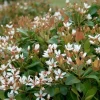
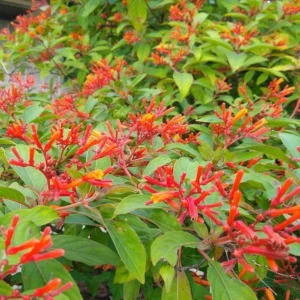
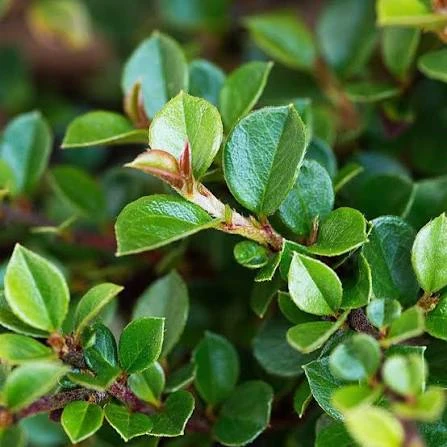
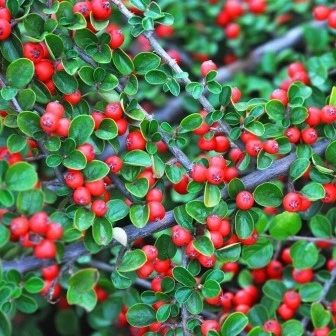
Enhance your outdoor space with the versatile and resilient Cotoneaster live plant. This offering features a healthy Cotoneaster grown in a 3-inch pot, ready to be transplanted into your garden or landscape design. Cotoneaster is a genus of flowering plants in the rose family, Rosaceae, native to the Palaearctic region, with a concentration of diversity in the mountains of southwestern China and the Himalayas. These adaptable shrubs are celebrated for their attractive foliage, often featuring small, glossy green leaves that can turn vibrant shades of red or purple in autumn. Many varieties also produce delicate white or pink flowers in spring, followed by bright red, orange, or black berries that persist into winter, providing visual interest and food for wildlife. Whether you’re looking for an effective ground cover, a natural hedge, or a specimen plant to add structure and seasonal color, a hardy Cotoneaster shrub is an excellent choice for a wide range of garden styles and climates. Its low maintenance requirements and robust nature make it a favorite among both novice and experienced gardeners.
This particular Cotoneaster live plant is carefully cultivated to ensure strong root development and healthy growth, making it ready to thrive in its new environment. Its compact size in the 3-inch pot makes it easy to handle and plant, allowing for flexible placement in your garden beds, rockeries, or containers. Cotoneasters are known for their ability to tolerate various soil conditions and their resistance to many common pests and diseases, contributing to their reputation as dependable landscape plants. They are particularly valued for their ability to stabilize slopes and prevent erosion when used as ground cover, making them both beautiful and functional additions to any outdoor setting.
Key Benefits
The Cotoneaster live plant offers numerous advantages for any landscape project, combining aesthetic appeal with practical benefits. Its adaptability and hardiness make it a standout choice for diverse garden needs.
- Year-Round Visual Interest: Enjoy a dynamic display throughout the seasons. Cotoneasters often feature lush green foliage in spring and summer, followed by brilliant autumn colors and persistent, eye-catching berries that provide beauty well into winter. This continuous appeal ensures your garden remains vibrant.
- Excellent Ground Cover: Many Cotoneaster varieties spread to form dense mats, effectively suppressing weeds and controlling erosion on slopes or uneven terrain. This natural weed barrier reduces the need for constant maintenance and helps maintain soil integrity.
- Low Maintenance & Drought Tolerant: Once established, these shrubs are remarkably self-sufficient. They require minimal watering and pruning, making them perfect for busy gardeners or those seeking an easy-care landscape solution. Their resilience means less time spent on upkeep.
- Wildlife Attraction: The bright berries produced by Cotoneasters are a valuable food source for birds, especially during the colder months. Planting a hardy Cotoneaster shrub can help attract and support local wildlife, adding life and movement to your garden environment.
- Versatile Landscaping Use: Whether you need a low-growing ground cover, a privacy hedge, a border plant, or an accent in a rock garden, Cotoneasters fit the bill. Their varied growth habits allow for creative application in diverse garden designs.
- Hardiness and Disease Resistance: Cotoneasters are generally robust plants, tolerant of a wide range of growing conditions and resistant to many common plant diseases. This durability ensures a long-lasting and healthy addition to your garden.
- Seasonal Blooms: In spring, many Cotoneaster types produce small, delicate white or pink flowers, adding a subtle beauty and attracting pollinators like bees to your garden. These blooms are a precursor to the attractive berries.
Plant Care & Growing Tips
Caring for your Cotoneaster live plant is straightforward, making it an excellent choice for gardeners of all experience levels. These plants are known for their resilience and ability to thrive with minimal intervention once established. For optimal growth, choose a location that receives full sun to partial shade. Full sun (at least 6 hours of direct sunlight per day) will generally result in the best flowering and berry production, as well as more vibrant fall foliage. While they can tolerate some shade, too much shade may lead to sparse growth and fewer berries. Ensure the planting site has well-draining soil, as Cotoneasters do not tolerate standing water. They are adaptable to a range of soil types, including sandy, loamy, or clay soils, as long as drainage is adequate.
Watering should be consistent during the establishment period, typically the first year after planting. Aim to keep the soil consistently moist but not waterlogged. Once established, Cotoneasters are quite drought-tolerant and will only require supplemental watering during prolonged dry spells. Fertilization is generally not necessary for established plants, especially if planted in reasonably fertile soil. If your soil is poor, a balanced slow-release granular fertilizer can be applied in early spring. Pruning is usually done to maintain shape, control size, or remove dead or damaged branches. The best time to prune is in late winter or early spring before new growth begins, or immediately after flowering if you want to preserve the berries. This also helps with the overall health and vigor of your outdoor Cotoneaster. Be mindful of common pests like spider mites or diseases such as fire blight, though Cotoneasters are generally quite resistant. Good air circulation and proper watering practices can help prevent most issues.
When transplanting your Cotoneaster ground cover from its 3-inch pot, dig a hole that is twice as wide as the root ball and just as deep. Carefully remove the plant from its container, loosen any circling roots, and place it in the hole so that the top of the root ball is level with the surrounding soil. Backfill with soil, gently firming it around the base of the plant, and water thoroughly. Applying a layer of mulch around the base will help retain moisture, suppress weeds, and regulate soil temperature. These simple steps will ensure your Cotoneaster gets a great start in your garden and flourishes for years to come, providing beautiful seasonal interest and practical benefits.
Size & Details
This offering is for one Cotoneaster live plant, meticulously grown in a standard 3-inch nursery pot. At the time of shipment, the plant typically stands between 4 to 8 inches tall, depending on the specific variety and growth stage. Cotoneasters exhibit a wide range of mature sizes, from low-spreading ground covers reaching only a few inches high but several feet wide, to upright shrubs that can grow 6 to 10 feet tall and wide. The growth rate is generally moderate, allowing for steady development in your landscape. This particular plant is shipped as a healthy, rooted specimen, ensuring it’s ready for immediate planting upon arrival. The exact mature dimensions will depend on the specific Cotoneaster variety supplied and your local growing conditions.
Expected time to full maturity can range from 3 to 5 years, during which the plant will gradually fill out and establish its mature form. Even in its younger stages, the Cotoneaster live plant provides attractive foliage and structure to your garden. It is generally hardy across a broad range of USDA zones, typically from zones 4 through 8, making it suitable for many climates across the US. This plant is an excellent investment for adding long-term beauty and functionality to your garden, whether used as a focal point or as part of a larger planting scheme. Its robust nature means it will continue to thrive and enhance your outdoor space for many years.
Frequently Asked Questions
- Q: How big does this Cotoneaster plant get? A: The mature size of a Cotoneaster live plant varies significantly by variety. Some are low-spreading ground covers reaching only a few inches high but several feet wide, while others can grow into upright shrubs 6-10 feet tall and wide. This specific plant is a young specimen in a 3-inch pot, ready to grow into its full potential.
- Q: What size pot does it come in? A: This Cotoneaster live plant is supplied in a 3-inch nursery pot, providing a healthy root system for successful transplantation. This size is convenient for shipping and allows for easy handling during planting.
- Q: Is this an indoor or outdoor plant? A: Cotoneasters are primarily outdoor plants, known for their hardiness and ability to thrive in various garden settings. They are not typically grown as indoor houseplants and require outdoor conditions to flourish and complete their natural growth cycle.
- Q: How much sunlight does it need? A: For best results, your outdoor Cotoneaster should receive full sun to partial shade. Full sun (at least 6 hours of direct sunlight daily) is ideal for optimal flowering, berry production, and vibrant fall foliage, though it can tolerate some afternoon shade in hot climates.
- Q: Is this plant easy to care for? A: Yes, Cotoneasters are considered very easy to care for. Once established, they are drought-tolerant and require minimal maintenance, making them an excellent choice for beginner gardeners or those seeking low-effort landscaping solutions. This ease of care makes the Cotoneaster care routine quite simple.
- Q: What condition will it arrive in? A: Your Cotoneaster live plant will arrive as a healthy, actively growing specimen in its 3-inch nursery pot. We take great care in packaging to ensure it reaches you in the best possible condition, ready for planting.
- Q: When is the best time to plant a Cotoneaster? A: The best time to plant a Cotoneaster is typically in spring or fall when temperatures are moderate. This allows the plant to establish its root system before the stress of extreme summer heat or winter cold.
- Q: Will it survive winter in my zone? A: Most Cotoneaster varieties are very hardy and can survive winters in USDA Zones 4-8. Your specific growing zone will determine the best variety for your area. The hardy Cotoneaster shrub is well-adapted to cooler climates.
- Q: What kind of soil does it prefer? A: Cotoneasters prefer well-draining soil and can adapt to various soil types, including sandy, loamy, or clay. Good drainage is crucial to prevent root rot.
- Q: Can I use Cotoneaster as a ground cover? A: Absolutely! Many low-growing varieties of Cotoneaster are excellent for use as Cotoneaster ground cover. They spread to form dense mats, helping to suppress weeds and prevent erosion on slopes.


Reviews
There are no reviews yet.