Overview
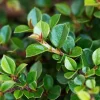
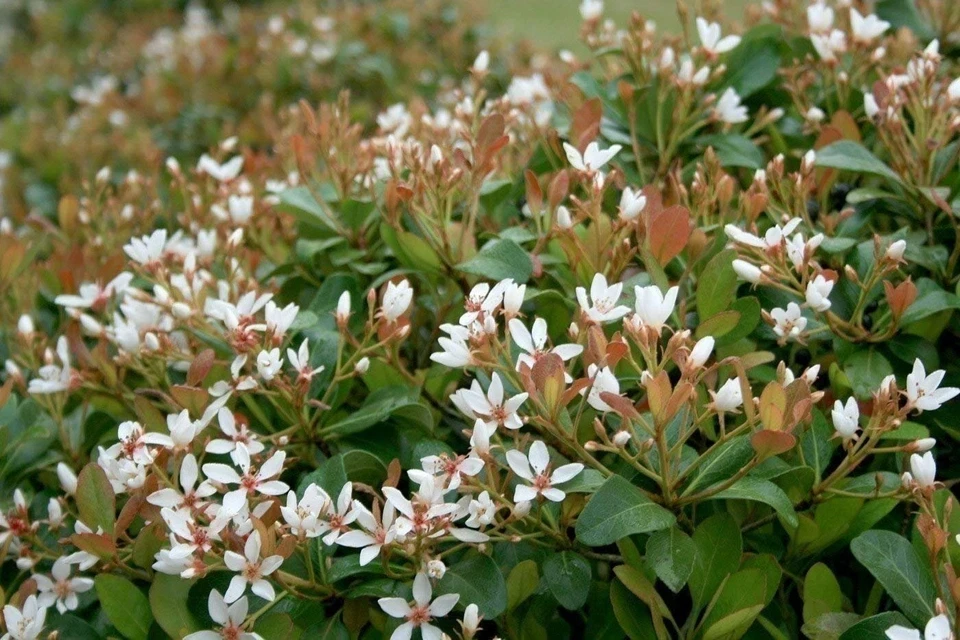
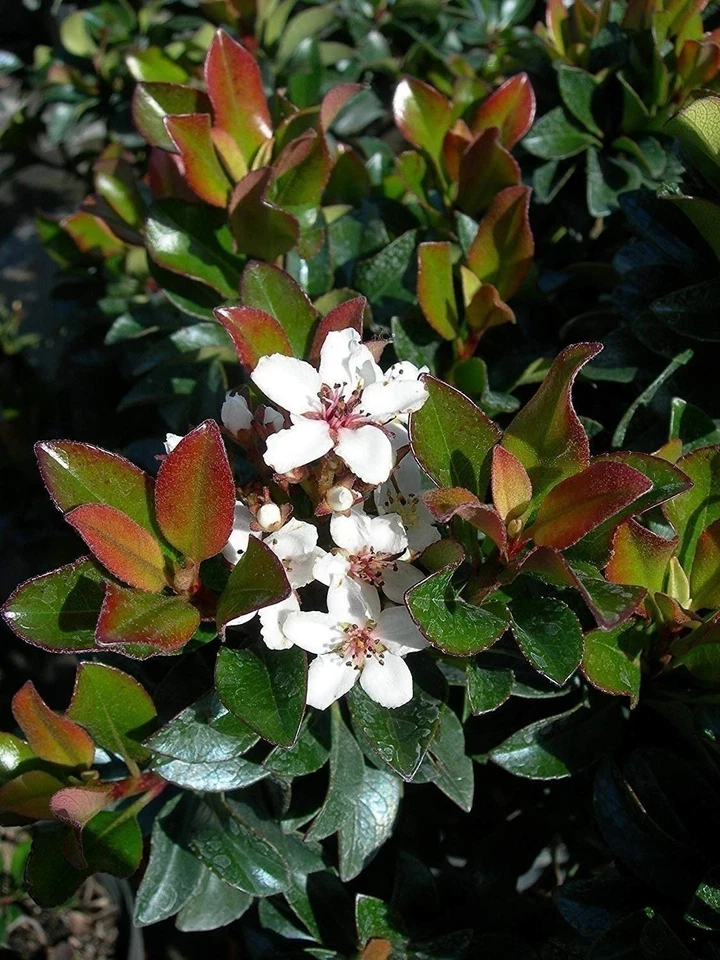
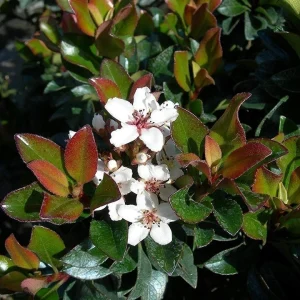
Introduce a touch of enduring beauty to your garden with the Indian Hawthorne live plant. Known botanically as Rhaphiolepis indica, this versatile evergreen shrub is a popular choice for landscapes across the southern United States and other warm climates. Originating from Asia, the Indian Hawthorne is cherished for its dense, leathery, dark green foliage that provides year-round interest. In spring, it bursts forth with a profusion of fragrant, star-shaped white or pale pink flowers, often followed by small, dark blue-black berries that attract birds. This compact shrub is an excellent addition to any garden, whether you’re creating a formal hedge, a mixed border, or simply need a resilient foundation plant. Its adaptability and aesthetic appeal make it a standout choice for an evergreen landscape plant that delivers consistent charm.
The Indian Hawthorne live plant typically grows to a modest size, making it suitable for smaller gardens or for planting under windows. Its slow to moderate growth rate means less frequent pruning, and its natural mounding habit provides a tidy appearance. With its robust nature and attractive features, the Indian Hawthorne is a rewarding plant for both novice and experienced gardeners seeking a reliable and beautiful addition to their outdoor space. This particular offering provides a healthy, young plant in a 3 inch pot, ready for transplanting into your garden or a larger container.
Key Benefits
The Indian Hawthorne live plant offers numerous advantages that make it a superb choice for various landscaping needs. Its resilience and beauty combine to provide lasting enjoyment.
- Year-Round Visual Interest: As an evergreen, the Indian Hawthorne maintains its attractive, glossy dark green foliage throughout all seasons, providing consistent color and structure in your garden even during winter months.
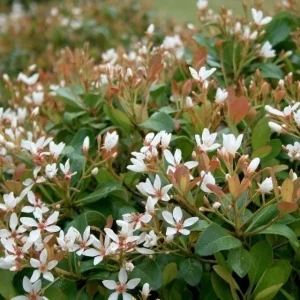
- Beautiful Spring Blooms: Enjoy a spectacular display of delicate white to light pink, fragrant flowers in spring, which add a soft, elegant touch to your landscape and attract pollinators.
- Wildlife Attraction: Following the spring blooms, the plant produces small, dark berries that are a favorite food source for various bird species, bringing lively activity to your garden.
- Low Maintenance & Drought Tolerant: Once established, the Rhaphiolepis indica shrub is remarkably low-maintenance, requiring minimal watering and care. It’s an excellent choice for xeriscaping or gardens in regions with water restrictions. This makes Indian Hawthorne care relatively simple.
- Versatile Landscaping Use: Its compact size and dense growth habit make it ideal for hedges, borders, mass plantings, foundation plantings, or as a charming specimen plant in containers.
- Disease and Pest Resistance: Generally robust, the Indian Hawthorne live plant exhibits good resistance to many common pests and diseases, contributing to its ease of care and longevity.
- Coastal Tolerance: This shrub is known to tolerate coastal conditions, including salt spray, making it suitable for seaside gardens where other plants might struggle.
Plant Care & Growing Tips
Caring for your Indian Hawthorne live plant is straightforward, ensuring it thrives and brings beauty to your landscape for years. Proper site selection and consistent initial care are key to its establishment.
Sunlight Requirements: Indian Hawthorne prefers full sun to partial shade. For the best flowering and densest foliage, aim for at least 6 hours of direct sunlight per day. In hotter climates, some afternoon shade can protect the foliage from scorching, especially during the peak summer months. An ideal location would receive morning sun and dappled afternoon shade.
Watering Schedule and Soil Moisture: While established plants are known to be drought tolerant shrubs, young plants require regular watering to establish a strong root system. Water deeply 2-3 times a week during the first growing season, ensuring the soil is consistently moist but not waterlogged. Once established, reduce watering frequency; an Indian Hawthorne can typically tolerate dry spells. However, during extended periods of drought, supplemental watering will help maintain its vigor and appearance. Always check the soil moisture before watering – if the top inch or two of soil feels dry, it’s time to water.
Soil Type and Drainage Requirements: Indian Hawthorne thrives in a variety of well-draining soils, including sandy, loamy, or clay soils. Good drainage is crucial, as soggy conditions can lead to root rot. If you have heavy clay soil, amend it with organic matter like compost or pine bark to improve drainage. The ideal soil pH is slightly acidic to neutral, between 6.0 and 7.0.
Temperature Range and USDA Hardiness Zone: This shrub is hardy in USDA Zones 8-10. It can tolerate temperatures down to about 10-15°F (-12 to -9°C). In colder parts of its range, it may benefit from some winter protection, such as mulching around the base. It performs best in mild climates with moderate temperatures.
Fertilization Schedule and Type: Fertilize your Indian Hawthorne live plant in early spring, just before new growth begins. Use a balanced, slow-release granular fertilizer formulated for evergreen shrubs. Follow the product instructions for application rates. Avoid over-fertilizing, as this can lead to excessive foliar growth at the expense of flowers and can also cause nutrient burn. A light application of compost around the base of the plant can also provide beneficial nutrients.
Common Problems and Solutions: Indian Hawthorne is generally robust, but can occasionally face issues. Leaf spot, caused by a fungus, may appear as dark spots on leaves; proper air circulation and avoiding overhead watering can help prevent this. Scale insects can sometimes infest plants; treat with horticultural oil or insecticidal soap if observed. Proper Indian Hawthorne care practices, such as good sanitation and appropriate watering, are the best defense against most problems.
Size & Details
This offering is for a healthy Indian Hawthorne live plant, shipped in a 3 inch pot. At this stage, the plant is young but well-rooted, ready to be transplanted into your garden or a larger container. Indian Hawthorne is a relatively slow to moderate grower, typically reaching a mature height of 2 to 5 feet and a similar spread, depending on the cultivar and growing conditions. Its compact, rounded form makes it an excellent choice for smaller spaces or for planting in groups to create a dense border. The plant will arrive carefully packaged to ensure its safety during transit, with its root ball intact and moist. Expect to see initial growth and establishment within the first few weeks after planting, with flowering typically beginning in its second or third year, though some young plants may produce blooms sooner. This Rhaphiolepis indica shrub is an ideal starter for establishing a beautiful and resilient part of your landscape.
Frequently Asked Questions
- Q: How big does an Indian Hawthorne live plant get? A: An Indian Hawthorne live plant typically grows to a mature height and spread of 2 to 5 feet, depending on the specific cultivar and growing conditions. It has a compact, mounding habit.
- Q: Is this an indoor or outdoor plant? A: The Indian Hawthorne live plant is primarily an outdoor shrub, best suited for garden beds, borders, or large outdoor containers. It thrives in USDA Zones 8-10.
- Q: How much sunlight does an Indian Hawthorne need? A: For optimal growth and flowering, Indian Hawthorne requires full sun to partial shade, ideally receiving at least 6 hours of direct sunlight daily. In very hot climates, some afternoon shade is beneficial.
- Q: Is this plant easy to care for? A: Yes, the Rhaphiolepis indica shrub is considered low-maintenance, especially once established. It’s known for its drought tolerance and general resilience, making Indian Hawthorne care quite straightforward for gardeners of all experience levels.
- Q: What condition will the Indian Hawthorne arrive in? A: Your Indian Hawthorne live plant will arrive carefully packaged in a 3 inch pot, with its root ball intact and moist, ready for planting. We take great care to ensure it reaches you in excellent condition.
- Q: When is the best time to plant Indian Hawthorne? A: The best time to plant Indian Hawthorne is in spring or early fall, when temperatures are moderate. This allows the plant to establish its root system before extreme heat or cold.
- Q: Will it survive winter in my zone? A: Indian Hawthorne is hardy in USDA Zones 8-10. If you are in a colder zone, it may not survive winter outdoors without significant protection or may need to be grown in a container and brought indoors.
- Q: Is the Indian Hawthorne drought tolerant? A: Yes, once established, the Indian Hawthorne live plant is highly drought tolerant, making it a great choice for water-wise gardens. Young plants, however, need consistent moisture to develop a strong root system.
- Q: What type of soil does this evergreen landscape plant prefer? A: This evergreen landscape plant prefers well-draining soil. It can adapt to various soil types, including sandy, loamy, or clay, as long as drainage is adequate to prevent waterlogging.
- Q: Does the Indian Hawthorne attract wildlife? A: Yes, the small, dark berries produced by the Rhaphiolepis indica shrub are a good food source for birds, adding to the biodiversity of your garden.


Reviews
There are no reviews yet.