Overview
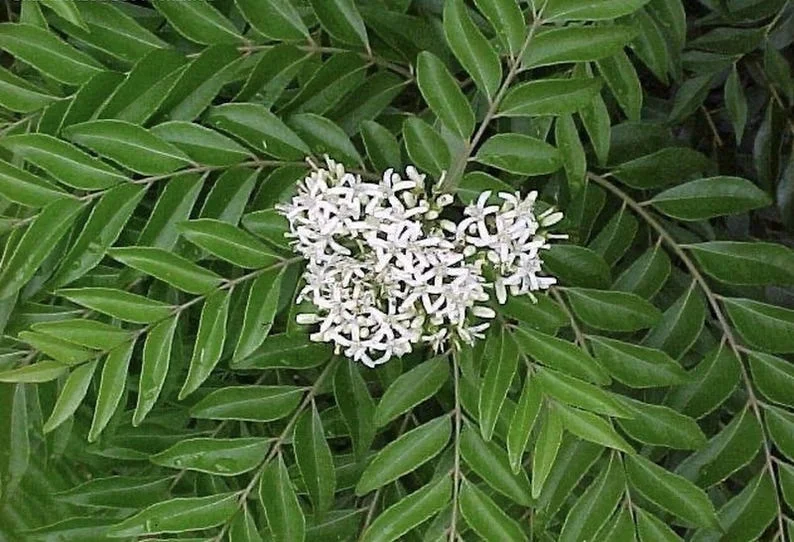
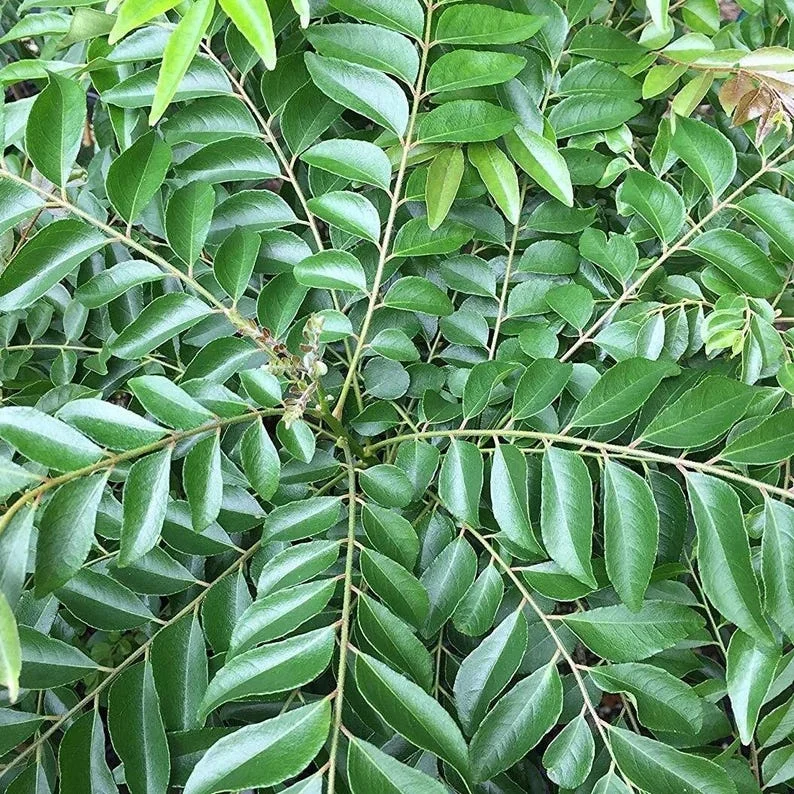
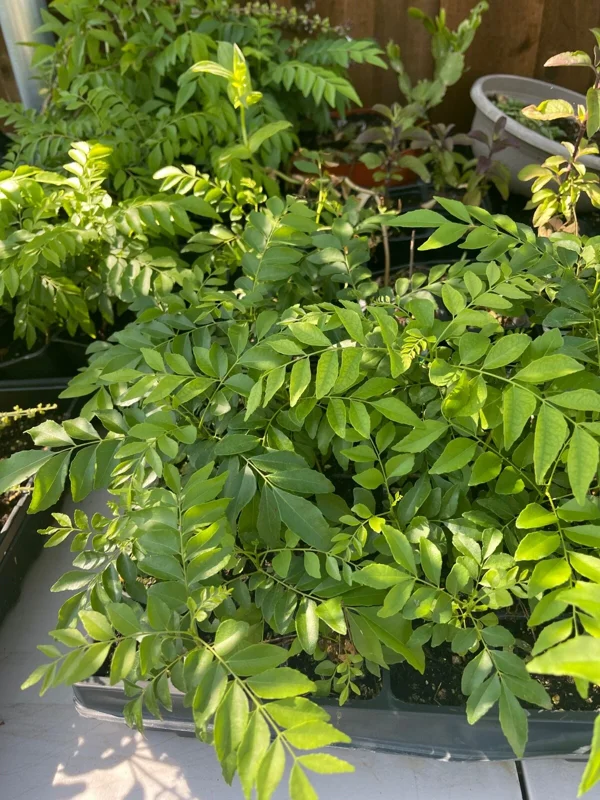
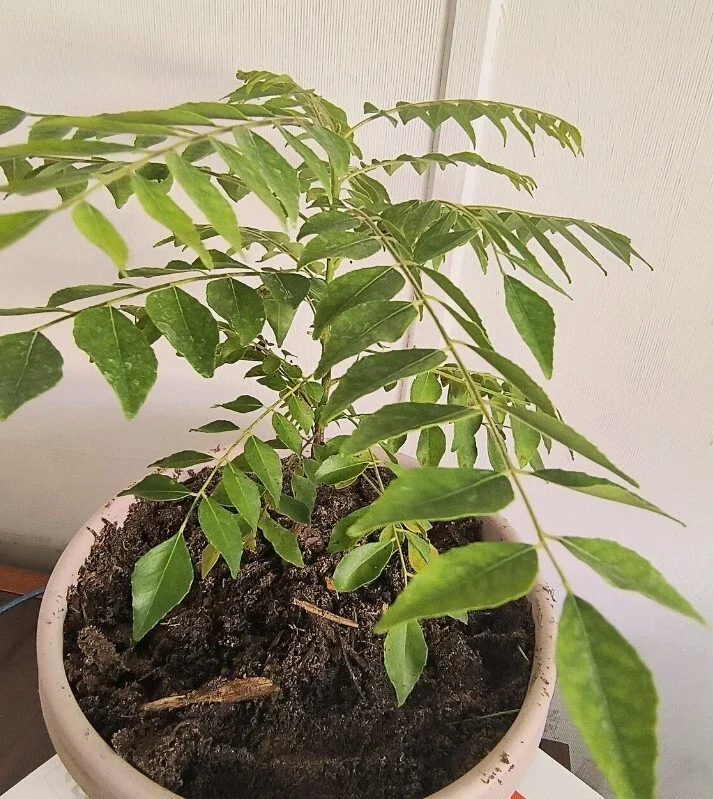
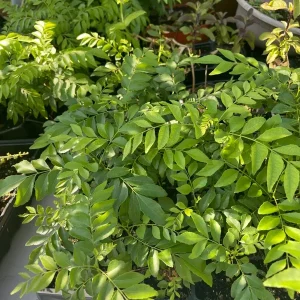
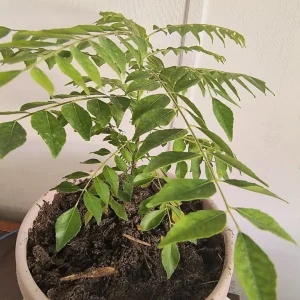
Cultivate the rich, distinct aroma and flavor of the curry leaf live plant right in your own home or garden. This offering includes a healthy, well-established plant, typically standing 12-18 inches tall and rooted in a 1-gallon nursery pot, ready to thrive in its new environment. Known scientifically as Murraya koenigii, the curry leaf plant is a staple in South Indian and Sri Lankan cooking, prized for its glossy, aromatic leaves. Often referred to as karivepaku plant in some regions, it’s more than just a culinary herb; it’s a beautiful, fragrant shrub that can add a touch of the tropics to your space. Whether you’re an avid gardener or a culinary enthusiast, growing your own fresh curry leaves ensures a constant supply of this essential ingredient, far superior to dried alternatives. This particular specimen is of a size that allows for immediate harvesting of leaves while also providing a strong foundation for future growth, making it an excellent addition to any herb collection.
Key Benefits
Adding a curry leaf plant to your home provides a multitude of advantages, from enhancing your cooking to enriching your living space. This versatile herb is a must-have for anyone who appreciates fresh, authentic flavors and the joy of homegrown produce.
- Authentic Culinary Flavor: Enjoy the unparalleled, fresh, citrusy, and slightly nutty flavor of curry leaves in your cooking, elevating curries, stews, and other dishes beyond what dried leaves can offer. Having a curry leaf live plant ensures you always have this key ingredient on hand.
- Aromatic Appeal: The leaves release a delightful, distinctive fragrance when bruised or cooked, adding an exotic aroma to your kitchen and garden space.
- Ornamental Value: With its attractive glossy green foliage, the curry leaf plant serves as a beautiful ornamental shrub, suitable for patios, balconies, or even as an indoor plant in colder climates.
- Health Benefits: Curry leaves are rich in antioxidants, vitamins, and minerals, and have been traditionally used in Ayurvedic medicine for their potential health-promoting properties.
- Easy to Grow: This plant is relatively low-maintenance once established, making it suitable for both beginner and experienced gardeners. It’s a robust plant that rewards consistent care with abundant foliage.
- Pest Repellent: The strong aroma of curry leaves can naturally deter certain garden pests, contributing to a healthier garden ecosystem.
- Long-Term Supply: A well-cared-for curry leaf live plant can provide fresh leaves for many years, offering a sustainable source for your culinary needs.
Plant Care & Growing Tips
Caring for your curry leaf live plant is straightforward and rewarding, ensuring a continuous supply of aromatic leaves. These plants thrive in conditions that mimic their native tropical environment. For optimal growth, they require plenty of sunlight. Place your plant in a location where it receives at least 6-8 hours of direct sunlight per day. If growing indoors, a south-facing window is ideal, or supplement with a grow light, especially during winter months. Sufficient light is crucial for healthy foliage and strong growth, preventing leggy stems and promoting a bushy habit.
When it comes to watering, consistency is key. Curry leaf plants prefer consistently moist, but not waterlogged, soil. Water thoroughly when the top inch of soil feels dry to the touch. Ensure the pot has excellent drainage to prevent root rot. Reduce watering slightly during cooler dormant periods. The ideal soil for a curry leaf plant is well-draining, slightly acidic to neutral, and rich in organic matter. A good quality potting mix amended with compost or perlite works well. Fertilize every 2-4 weeks during the growing season (spring and summer) with a balanced liquid fertilizer or an organic option like fish emulsion, following product instructions. Pruning can encourage bushier growth and more leaves; simply snip off the tips of branches regularly. Being a tropical plant, the curry tree indoor thrives in warm temperatures, ideally between 65-95°F (18-35°C). It is not frost-tolerant, so if you live in a region with cold winters (USDA zones below 9), it’s best to grow it in a pot and bring it indoors before temperatures drop. Watch out for common pests like spider mites and scale; treat them promptly with neem oil or insecticidal soap if they appear. Learning proper curry leaf plant care will ensure your plant flourishes.
Size & Details
This offering is for one healthy curry leaf live plant, which typically measures between 12 to 18 inches in height from the base of the pot to the top of the foliage. It is supplied in a 1-gallon nursery pot, providing ample space for the root system to develop and establish before needing a larger container. The plant exhibits a moderate growth rate, and with proper care, it can reach heights of 6-15 feet in tropical climates or when grown outdoors in suitable zones. When grown indoors or in containers, its size can be managed through pruning. The plant ships as a well-rooted specimen in its original pot with soil, ensuring minimal transplant shock and a smooth transition to your home or garden. Expect your plant to arrive with vibrant, green leaves, ready to be harvested for culinary use. It will continue to grow and produce fresh leaves throughout the growing season, offering a continuous supply of this essential herb.
Frequently Asked Questions
- Q: How big does this plant get? A: This particular curry leaf live plant is 12-18 inches tall when shipped in a 1-gallon pot. With ideal conditions, it can grow much larger, potentially reaching 6-15 feet, especially when planted in the ground in tropical climates.
- Q: Is this an indoor or outdoor plant? A: While it thrives outdoors in warm, frost-free climates (USDA Zones 9-11), it can also be grown successfully as a curry tree indoor plant in cooler regions, provided it receives ample sunlight.
- Q: How much sunlight does it need? A: The curry leaf plant requires at least 6-8 hours of direct sunlight daily. If growing indoors, a south-facing window is best, or consider using a supplemental grow light.
- Q: What condition will it arrive in? A: Your curry leaf live plant will arrive well-packaged in its 1-gallon nursery pot with soil, ensuring its roots are protected and the plant is hydrated during transit.
- Q: Can I use curry leaf in cooking? A: Absolutely! The primary purpose of growing this plant is for its fresh, aromatic leaves, which are a cornerstone of South Asian cuisine, adding a unique flavor to curries, dals, and stir-fries.
- Q: What is the best soil for curry leaf plant care? A: Curry leaf plants prefer well-draining, slightly acidic to neutral soil that is rich in organic matter. A good quality potting mix with added compost or perlite is ideal.
- Q: Is this plant easy to care for? A: Yes, once established, curry leaf plants are relatively low-maintenance. They primarily need consistent sunlight, regular watering, and occasional feeding to thrive.
- Q: What is the ideal temperature range for this plant? A: Curry leaf plants prefer warm conditions, ideally between 65-95°F (18-35°C). They are sensitive to cold and should be protected from frost.
- Q: How do I make my karivepaku plant bushier? A: Regular pruning by pinching off the tips of branches encourages the plant to branch out, leading to a denser, bushier form and more leaves for harvesting.
- Q: When is the best time to fertilize my curry leaf plant? A: Fertilize your curry leaf plant every 2-4 weeks during its active growing season in spring and summer, using a balanced liquid or organic fertilizer.


Reviews
There are no reviews yet.