Overview
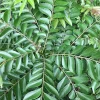
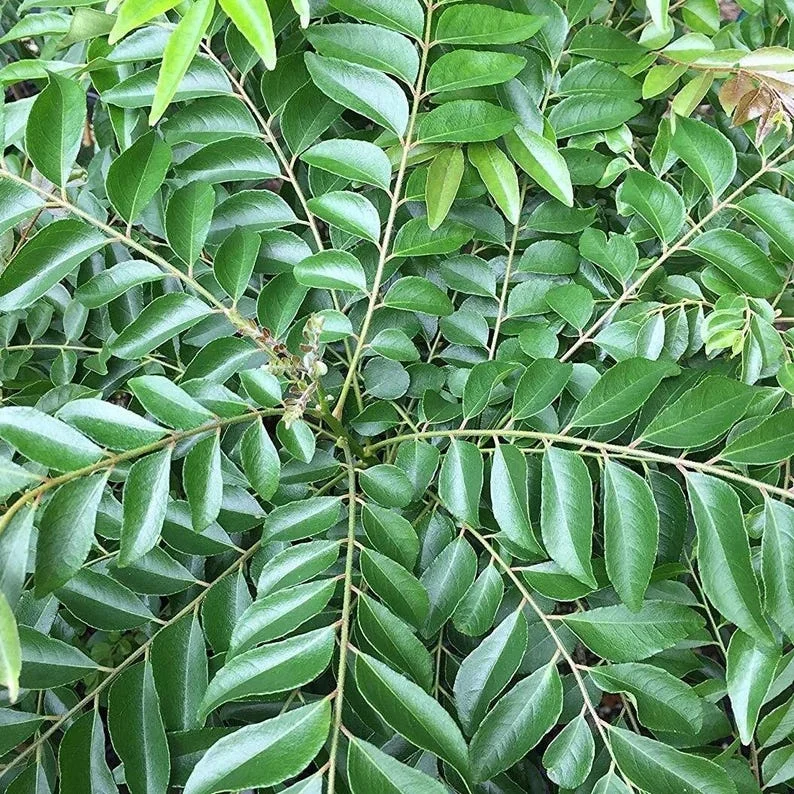
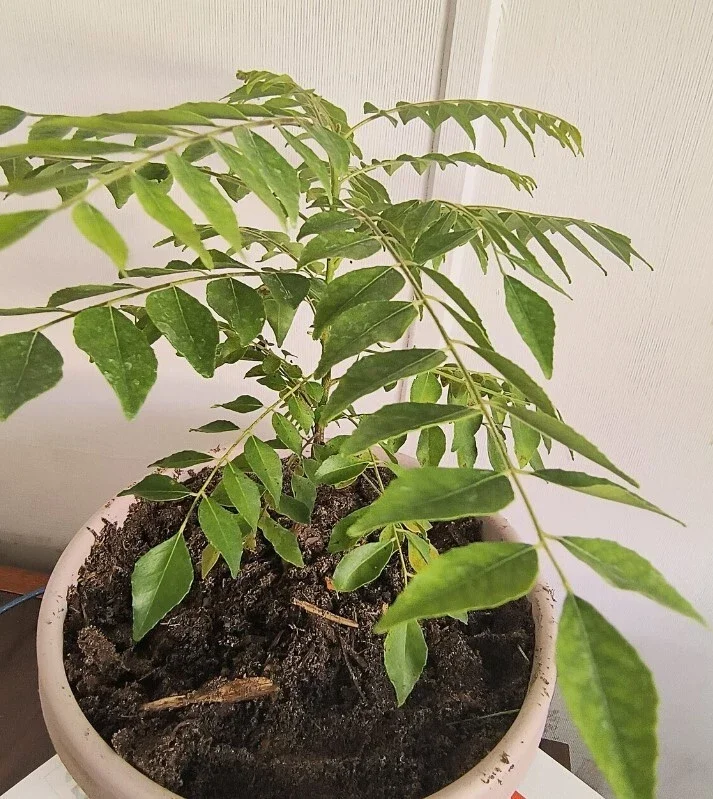
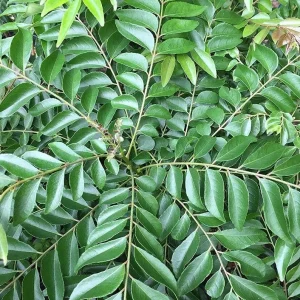
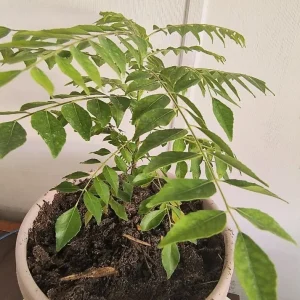
Bring the authentic taste of South Asian cuisine directly to your home with this exquisite curry leaf live plant. Standing at a healthy 5-9 inches tall and nurtured in a 4-inch pot, this plant (scientifically known as Murraya koenigii or Bergera koenigii) is ready to thrive in your garden or kitchen. Often referred to as karivepaku plant in South India, its glossy, dark green leaves release an intoxicating, unique aroma when bruised or cooked, making it an indispensable ingredient for curries, stews, and a myriad of other savory dishes. This isn’t just a culinary herb; it’s a beautiful, fragrant addition to any plant collection, promising both aesthetic appeal and practical use for the home chef.
Our curry leaf live plant is carefully cultivated to ensure a robust and healthy specimen arrives at your doorstep, ready for planting or continued growth in its nursery pot. Known for its relatively fast growth rate and adaptability, this tropical to sub-tropical plant can be grown successfully in various climates, provided it receives adequate warmth and sunlight. Whether you’re an experienced gardener or a beginner looking to expand your herb collection, this plant offers a rewarding growing experience and an endless supply of fresh, aromatic leaves.
Key Benefits
Incorporating a curry leaf live plant into your home offers a multitude of benefits, from enhancing your culinary creations to enriching your living space with its natural beauty and fragrance. This versatile herb is a must-have for any enthusiast of fresh, home-grown ingredients.
- Culinary Essential: Fresh curry leaves are irreplaceable in many South Asian dishes, providing a distinct, complex flavor profile that dried leaves simply cannot replicate. Enjoy an abundant supply for curries, dals, chutneys, and tempering.
- Aromatic Ambiance: The leaves emit a delightful, citrusy-spicy fragrance that can naturally freshen your home or garden, especially when the plant is gently brushed or its leaves are picked.
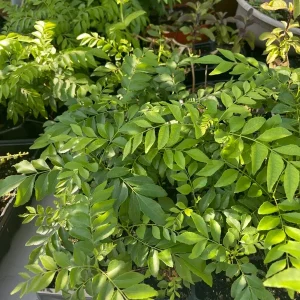
- Decorative Appeal: With its lush, dark green foliage and compact growth habit, the curry tree indoor plant serves as an attractive ornamental, adding a touch of exotic greenery to your kitchen or patio.
- Health & Wellness: Beyond its flavor, curry leaves are traditionally valued for their potential health benefits, rich in antioxidants and vitamins, making them a wholesome addition to your diet.
- Easy to Grow: With proper curry leaf plant care, this plant is relatively low-maintenance, making it suitable for gardeners of all skill levels. It tolerates various conditions, adapting well to container living.
- Year-Round Harvest: When grown indoors in colder climates, you can enjoy fresh curry leaves throughout the year, ensuring your culinary adventures are never limited by seasonality.
- Sustainable Sourcing: Growing your own means you have immediate access to fresh leaves without relying on store-bought options, which can often be expensive or difficult to find.
Plant Care & Growing Tips
Successful curry leaf plant care is straightforward, ensuring your plant thrives and provides a continuous supply of aromatic leaves. The murraya koenigii prefers warm, humid conditions, mimicking its native environment. For optimal growth, provide plenty of bright sunlight. If growing indoors, place it near a south-facing window or under grow lights for at least 6-8 hours daily. Outdoors, choose a spot that receives full sun, but offer some afternoon shade in extremely hot climates to prevent leaf scorch. Consistent warmth is key; protect your plant from temperatures below 40°F (4°C), bringing it indoors during cooler months.
Watering should be consistent but not excessive. Allow the top inch of soil to dry out between waterings. Overwatering can lead to root rot, so ensure your pot has excellent drainage. A well-draining potting mix, ideally one formulated for citrus or herbs, is recommended. Fertilize every 2-4 weeks during the growing season (spring and summer) with a balanced liquid fertilizer or an organic option like fish emulsion, diluted to half strength. Reduce feeding in fall and winter. Pruning can encourage bushier growth and a more abundant harvest. Regularly pinch off the growing tips to promote branching. Watch out for common pests like spider mites and scale; treat promptly with neem oil or insecticidal soap. Providing adequate humidity, especially indoors, can also deter pests and promote healthy foliage for your curry leaf live plant.
Size & Details
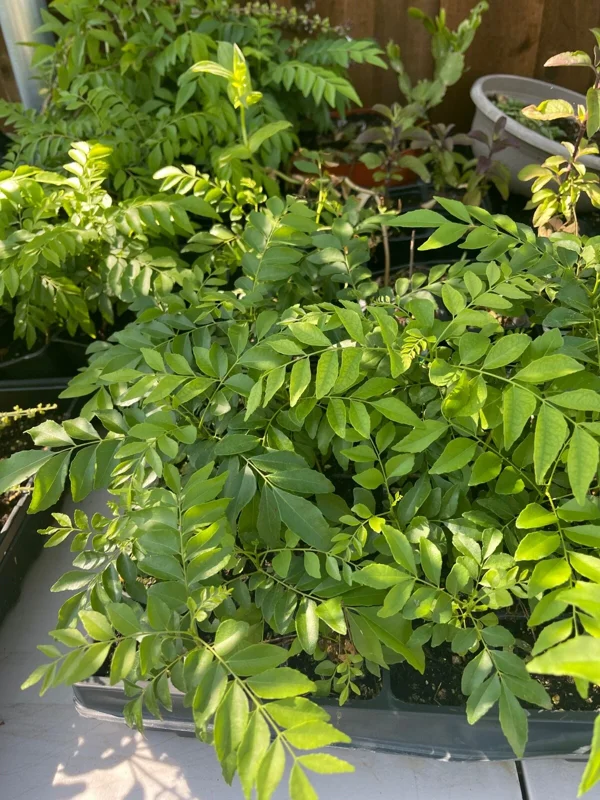
This offering is for one healthy curry leaf live plant, which typically measures between 5 to 9 inches in height from the top of the soil line. It is provided in a standard 4-inch nursery pot, which is an ideal size for transplanting into a larger container or directly into your garden if your climate permits. The plant exhibits a moderate growth rate, and with proper care, it can reach several feet tall when mature, especially if allowed to grow outdoors in suitable conditions. When grown as a curry tree indoor specimen, regular pruning can maintain a more manageable size, often 2-4 feet tall.
The plant will arrive carefully packaged to minimize stress during transit, ensuring it reaches you in excellent condition. It is a juvenile plant, perfectly poised to establish itself quickly and begin producing abundant leaves for your culinary needs. Expect your plant to continue growing and filling out, providing a continuous supply of aromatic foliage for many years with consistent curry leaf plant care. The leaves are typically ready for harvest as needed, and the plant will continuously put out new growth.
Frequently Asked Questions
- Q: How big does this plant get and what size pot does it come in? A: This curry leaf live plant is typically 5-9 inches tall upon arrival and comes in a 4-inch nursery pot. With proper care, it can grow several feet tall, especially if planted in the ground in warm climates.
- Q: Is this an indoor or outdoor plant? How much sunlight does it need? A: It can be grown both indoors and outdoors. It thrives in full sun, requiring at least 6-8 hours of direct sunlight daily. If grown indoors, a bright, south-facing window is ideal.
- Q: Is this plant easy to care for? Is it good for beginners? A: Yes, with basic knowledge of curry leaf plant care, it is considered relatively easy to grow. It’s a great choice for beginners looking to grow their own herbs.
- Q: What condition will it arrive in? Is it shipped in soil? A: Your karivepaku plant will arrive carefully packaged in its 4-inch nursery pot with soil, ensuring minimal stress during transit and a healthy start in its new home.
- Q: Can I use curry leaf in cooking? Is it pet-safe? A: Absolutely! Fresh curry leaves are a staple in many cuisines. While generally considered safe for human consumption, it’s always best to consult a vet regarding pet safety, as some plants can cause mild irritation.
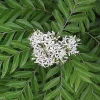
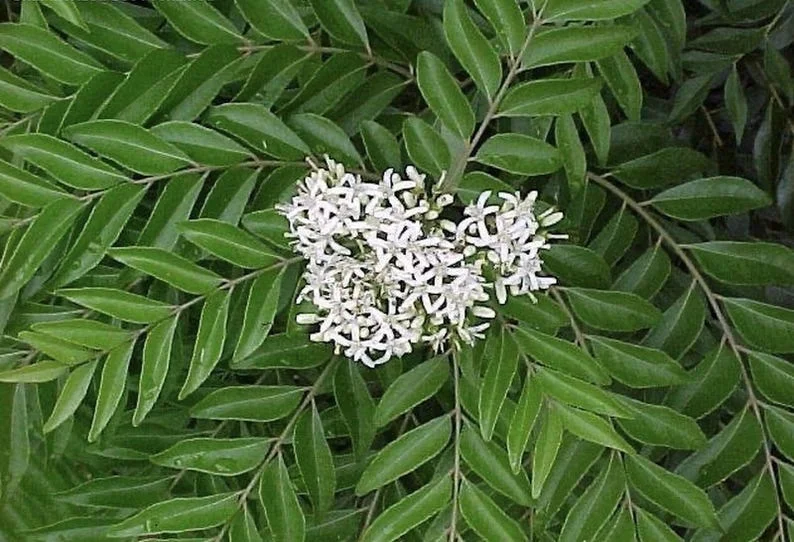
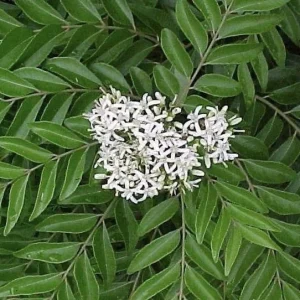
- Q: How long until it blooms? When is the best time to plant? A: Mature curry leaf plants can produce small white flowers, typically in spring, followed by small berries. The best time to plant or repot is in spring or early summer when temperatures are consistently warm.
- Q: Will it survive winter in my zone? What’s the minimum temperature? A: The murraya koenigii is a tropical plant and is sensitive to cold. It thrives in USDA zones 9-11. In colder zones, it must be brought indoors when temperatures consistently drop below 40°F (4°C).
- Q: How often should I water my curry leaf plant? A: Water thoroughly when the top inch of soil feels dry to the touch. Ensure good drainage, as overwatering can harm the roots. Reduce watering frequency during cooler months.
- Q: What kind of soil does it prefer? A: This plant prefers well-draining, slightly acidic to neutral soil. A good quality potting mix amended with some sand or perlite works well for container growth.
- Q: How do I harvest curry leaves without harming the plant? A: You can gently pluck individual leaves as needed, or snip off entire small branches. Regular harvesting and pinching encourage bushier growth and a continuous supply.


Reviews
There are no reviews yet.