
Overview
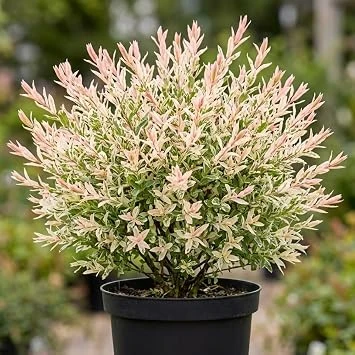
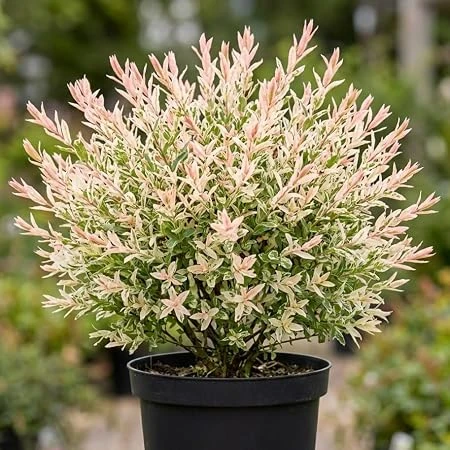
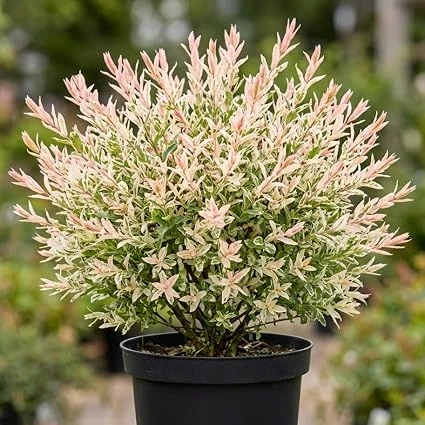
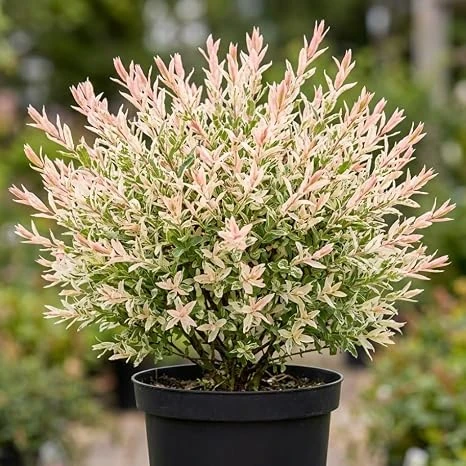
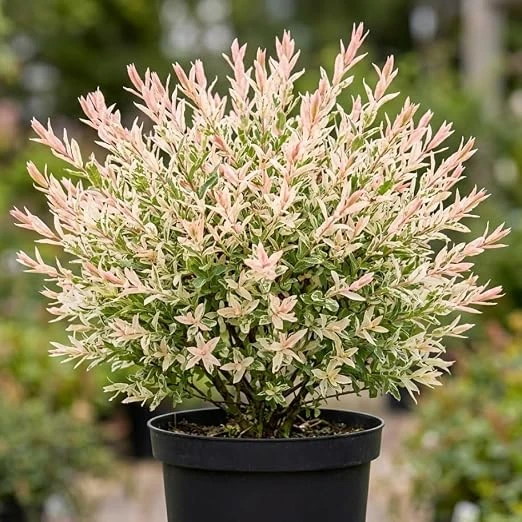
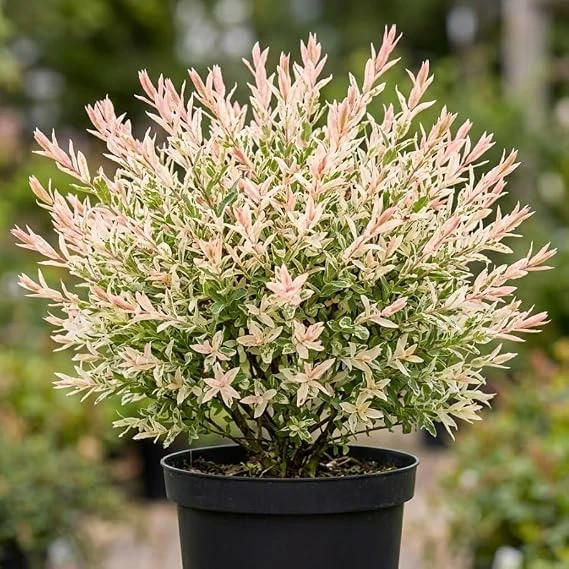
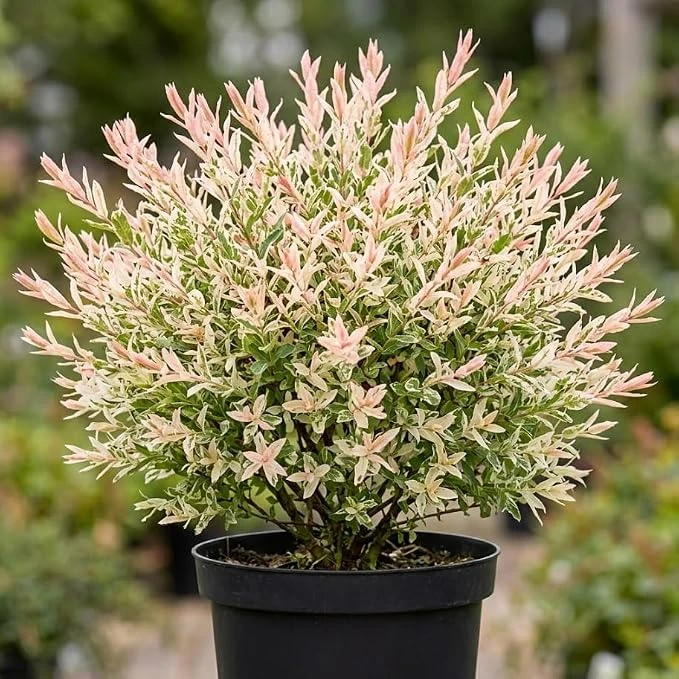
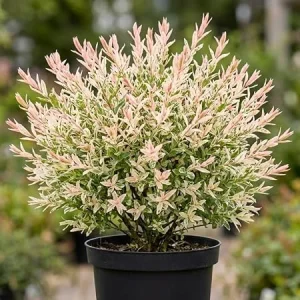
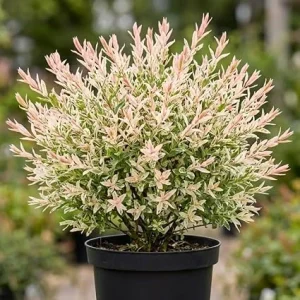
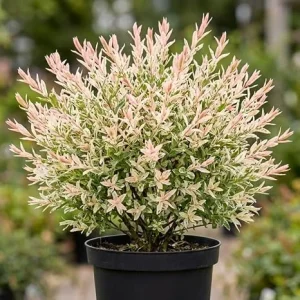
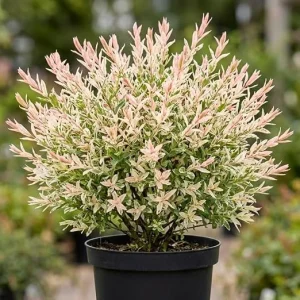
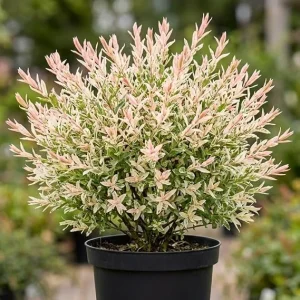
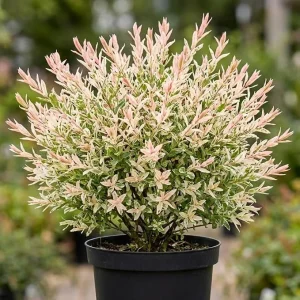
Introduce a splash of vibrant, multi-season color to your outdoor space with the exquisite dappled willow tree. This particular offering includes one live Salix integra plant, approximately 6–12 inches tall, thriving in a qt pot and ready for transplanting and continued growth. Known for its stunning variegated foliage, the dappled willow tree is a highly sought-after ornamental shrub that brings a dynamic visual appeal to any garden. Its unique leaves display an enchanting blend of pink, white, and green, creating a captivating display from spring through fall. Ideal for gardeners seeking a distinctive and hardy plant, this tricolor willow will become a focal point in your landscape.
The dappled willow plant is a versatile and relatively easy-to-care-for shrub, making it suitable for both novice and experienced gardeners. Whether used as a specimen plant, in mixed borders, or even in large container plantings, its colorful presence is undeniable. As a vigorous grower, it quickly establishes itself, transforming ordinary spaces into extraordinary botanical showcases. Embrace the charm and elegance of this remarkable variegated willow shrub and enjoy its ever-changing hues throughout the growing season.
Key Benefits
The dappled willow tree offers numerous advantages for enhancing your garden and providing lasting beauty. Its distinctive characteristics make it a popular choice for various landscaping needs.
- Stunning Variegated Foliage: The primary appeal of this shrub is its unique leaves, which emerge with shades of pink and white, maturing to a vibrant green with white variegation. This ever-changing palette ensures multi-season visual interest, making your garden stand out.
- Versatile Landscape Use: This dappled willow plant is incredibly adaptable, suitable for use in garden beds, as a low hedge, a focal point in containers, or even near water features. Its graceful form complements various garden styles.
- Hardy and Resilient: Known for its robust nature, the dappled willow tree is a resilient shrub that can tolerate a range of growing conditions once established. It’s a reliable choice for adding consistent beauty to your outdoor environment.
- Fast Growing: Enjoy quick results as this willow variety exhibits a relatively fast growth rate, allowing you to establish a lush, colorful presence in your garden sooner than many other shrubs.
- Attracts Pollinators: While primarily grown for its foliage, the inconspicuous flowers of the salix integra can provide early season sustenance for beneficial pollinators, contributing to a healthier garden ecosystem.
- Low Maintenance: Once established, this tricolor willow requires minimal ongoing care, making it an excellent option for gardeners who appreciate beauty without excessive effort. Regular pruning helps maintain its shape and encourages dense, colorful growth.
- Winter Interest (Form): Even in winter, after losing its leaves, the attractive branching structure of the variegated willow shrub adds architectural interest to the dormant landscape.
Plant Care & Growing Tips
Caring for your dappled willow tree is straightforward, ensuring it thrives and displays its best colors with proper attention. This hardy shrub prefers specific conditions to reach its full potential. For optimal growth and vibrant foliage, select a location that receives full sun to partial shade. Full sun (at least 6 hours of direct sunlight daily) will encourage the most intense pink and white variegation, while partial shade (4-6 hours of morning sun with afternoon shade) can help prevent leaf scorch in hotter climates. Adequate sunlight is crucial for the health and aesthetic appeal of your dappled willow plant.
When it comes to watering, the salix integra prefers consistently moist, well-drained soil. While it tolerates a range of soil types, including clay, loam, and sand, it will perform best in a rich, organic, and consistently moist medium. Avoid waterlogged conditions, which can lead to root rot. During dry spells, especially in its first year, ensure regular watering to help establish a strong root system. Once established, it can tolerate brief periods of drought but will look its best with consistent moisture. A layer of mulch around the base can help retain soil moisture and regulate temperature.
The tricolor willow is hardy in USDA zones 4-9. It can withstand winter dormancy, losing its leaves in colder months, which is a normal part of its growth cycle. Fresh, colorful foliage will return in spring. Fertilization can be done in early spring with a balanced, slow-release granular fertilizer formulated for shrubs, or a liquid feed every 4-6 weeks during the growing season. Pruning is essential for maintaining the shrub’s shape and encouraging the most vibrant new growth. “Coppicing” (cutting back hard in late winter/early spring) can promote an abundance of colorful new shoots. Watch for common pests like aphids or willow leaf beetles, and treat with organic insecticidal soap if necessary. Ensure good air circulation to prevent fungal diseases.
Size & Details
This offering includes one live dappled willow tree (Salix integra) plant, carefully cultivated and ready for your garden. The plant typically arrives approximately 6–12 inches tall, measured from the top of the soil, and is growing robustly in a quart (qt) sized nursery pot. This size is ideal for transplanting, allowing the plant to quickly establish itself in its new environment. The dappled willow plant is known for its moderate to fast growth rate, and with proper care, it can quickly mature into a beautiful, dense shrub. Expect it to reach a mature height of 4-6 feet and a similar spread, though it can be kept smaller with regular pruning.
Shipped as a healthy, actively growing potted plant, it is ready for immediate placement in your landscape or a larger container. The vibrant foliage will begin to display its characteristic pink, white, and green hues as it continues to grow. This variegated willow shrub is a deciduous plant, meaning it will naturally enter dormancy and lose its leaves during colder winter months. This is a normal and healthy part of its life cycle, and you can anticipate a vigorous return of fresh, colorful growth in the spring. Its charming appearance and manageable size make it a fantastic addition to various garden designs.
Frequently Asked Questions
- Q: How big does this dappled willow tree get? A: The dappled willow tree typically grows to a mature height and spread of 4-6 feet. However, it can be easily maintained at a smaller size with regular pruning, making it adaptable for different garden spaces.
- Q: What size pot does the dappled willow plant come in? A: The dappled willow plant is shipped in a quart (qt) sized nursery pot. It is approximately 6–12 inches tall when it arrives, ready for transplanting into your garden or a larger container.
- Q: Is this an indoor or outdoor plant? A: The dappled willow tree is primarily an outdoor plant, thriving in garden beds, landscapes, and large outdoor containers. It is hardy in USDA zones 4-9.
- Q: How much sunlight does the salix integra need? A: For the best color and growth, the salix integra prefers full sun (at least 6 hours of direct sunlight daily) to partial shade (4-6 hours of morning sun). More sun generally leads to more vibrant pink and white variegation.
- Q: Is this tricolor willow plant easy to care for? A: Yes, the tricolor willow is considered relatively easy to care for once established. It requires consistent moisture, good drainage, and benefits from regular pruning to maintain its shape and encourage new, colorful growth.
- Q: What condition will the variegated willow shrub arrive in? A: Your variegated willow shrub will arrive as a healthy, live potted plant, approximately 6–12 inches tall, actively growing in its quart pot. It will be carefully packaged to ensure its safe journey to your home.
- Q: When is the best time to plant this dappled willow tree? A: The best time to plant your dappled willow tree is in spring or early fall, allowing it ample time to establish its root system before extreme summer heat or winter cold. However, as it arrives potted, it can be planted any time the ground is not frozen.
- Q: Will this dappled willow plant survive winter in my zone? A: The dappled willow plant is hardy in USDA zones 4-9. It will naturally enter dormancy in winter, losing its leaves, and will regrow fresh foliage in the spring. Protection may be needed in the colder end of its hardiness range.
- Q: What kind of soil does the salix integra prefer? A: The salix integra thrives in consistently moist, well-drained soil. It adapts to various soil types but prefers rich, organic soil. Avoid extremely dry or waterlogged conditions.
- Q: Does the tricolor willow have flowers? A: Yes, the tricolor willow produces small, inconspicuous catkins (willow flowers) in early spring before its leaves fully emerge. While not showy, these can provide an early food source for pollinators.


Reviews
There are no reviews yet.