Overview
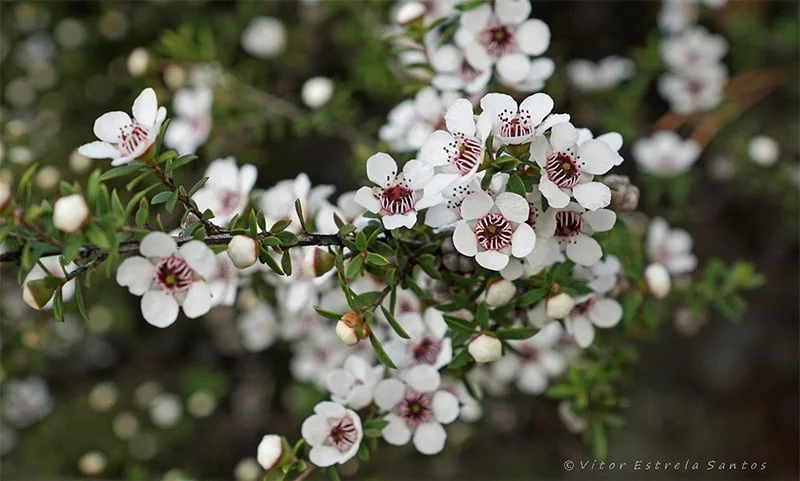
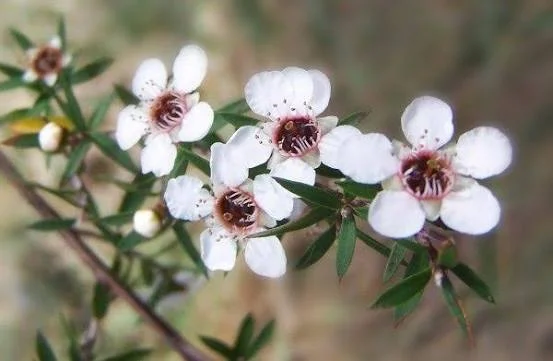
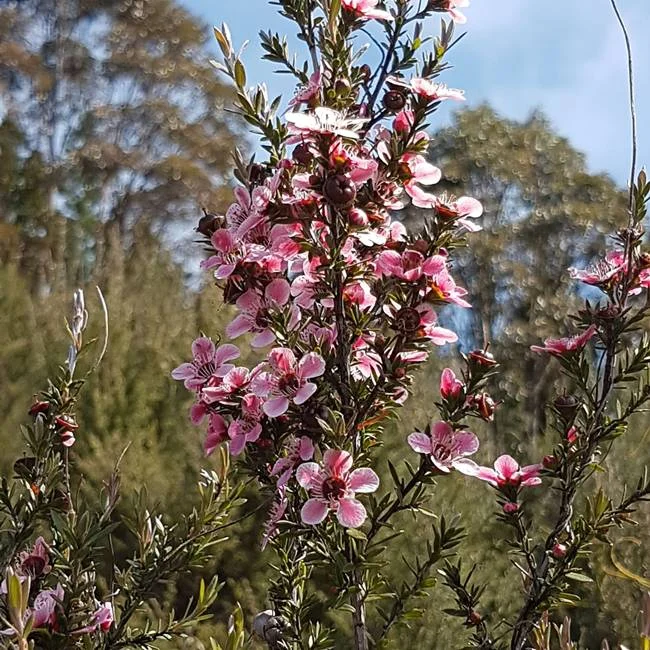
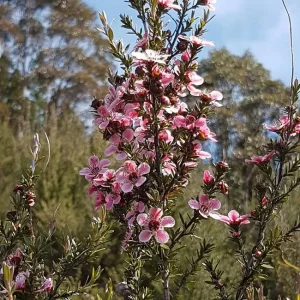
Introduce a touch of New Zealand’s natural beauty to your garden with this vibrant Manuka Tea Tree live plant. Scientifically known as Leptospermum scoparium care, the Manuka plant is a highly adaptable and attractive evergreen shrub prized for its delicate, often fragrant flowers that bloom in shades of white, pink, or red. This particular plant arrives in a convenient 4-inch nursery pot, ready for transplanting into your garden or a larger container. Beyond its ornamental appeal, the Manuka Tea Tree is renowned for its historical and traditional uses, making it a truly special addition to any landscape. Whether you’re looking to create a low-maintenance hedge, add a pop of color, or cultivate a plant with unique properties, the Manuka Tea Tree is an excellent choice for both novice and experienced gardeners.
This hardy shrub is suitable for a variety of climates and can thrive in diverse soil conditions once established. Its dense foliage provides year-round interest, and its blossoms attract pollinators, contributing to the biodiversity of your garden. The Manuka Tea Tree live plant is a resilient specimen that can withstand different environmental pressures, ensuring a rewarding growing experience for years to come. Consider adding this fascinating plant to your collection and enjoy its beauty and versatility.
Key Benefits
The Manuka Tea Tree live plant offers a multitude of benefits that extend beyond its aesthetic charm, making it a valuable addition to any garden or landscape. Its robust nature and attractive features provide continuous enjoyment and ecological advantages.
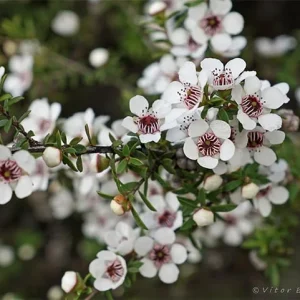
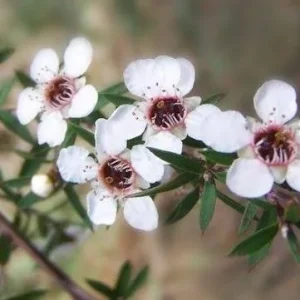
- Stunning Floral Display: Enjoy a profusion of beautiful, small, star-shaped flowers that bloom for an extended period, often in spring and summer. These blossoms add vibrant color and charm to your outdoor living spaces.
- Attracts Pollinators: The nectar-rich flowers are a magnet for bees, butterflies, and other beneficial pollinators, which helps support local ecosystems and improve the health of your garden.
- Low Maintenance & Drought Tolerant: Once established, the Manuka Tea Tree requires minimal care, making it an ideal choice for busy gardeners. It’s quite drought-tolerant, reducing the need for frequent watering.
- Versatile Landscaping Use: Perfect for creating natural hedges, borders, or as a striking specimen plant. Its dense growth habit also makes it suitable for erosion control on slopes.
- Evergreen Foliage: This shrub maintains its attractive green foliage throughout the year, providing continuous visual interest and structure to your garden even in winter.
- Hardy and Adaptable: The Manuka Tea Tree live plant can adapt to a range of soil types and environmental conditions, demonstrating resilience and vigor in various climates.
- Traditional Significance: Known for its historical uses, particularly in its native New Zealand, adding a layer of cultural and natural history to your garden. Understanding Manuka plant uses can enhance your appreciation for this unique shrub.
Plant Care & Growing Tips
Caring for your Manuka Tea Tree live plant, or Leptospermum scoparium care, is relatively straightforward, especially once the plant is established. This resilient shrub thrives with proper attention to its basic needs, ensuring a healthy and flourishing specimen in your garden. For optimal growth, choose a location that receives full sun to partial shade. Full sun (at least 6 hours of direct sunlight daily) will encourage the most abundant flowering and dense growth. While it tolerates some shade, too much can lead to sparse foliage and fewer blooms. Ensure good air circulation around the plant to prevent fungal issues.
When it comes to watering, young Manuka plants require consistent moisture to establish a strong root system. Water deeply and regularly, especially during dry spells, until the plant is well-established. Once mature, it is quite drought-tolerant and can withstand periods of dryness, though occasional deep watering during extended dry periods will be beneficial. The Manuka Tea Tree prefers well-draining soil. It can adapt to a variety of soil types, including sandy or clay soils, as long as they are not waterlogged. A slightly acidic to neutral pH is ideal. Fertilize sparingly; a balanced, slow-release fertilizer in early spring is usually sufficient. Pruning can be done after flowering to maintain shape, encourage bushier growth, and remove any dead or leggy branches. This helps in growing Manuka plant to its full potential. Protect young plants from severe frosts in colder climates.
Size & Details
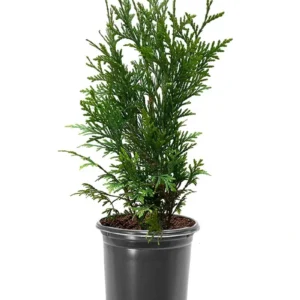
This offering is for one Manuka Tea Tree live plant, delivered in a 4-inch nursery growing pot. The plant is typically well-rooted and ready for transplanting upon arrival. At the time of shipment, the plant’s height generally ranges from 6 to 12 inches, depending on growth stage and variety. The Manuka Tea Tree is a moderately fast-growing shrub, capable of reaching mature heights of 6 to 10 feet with a similar spread, depending on the specific cultivar and growing conditions. It forms a dense, bushy habit, making it an excellent choice for hedges or screens. The plant will arrive in a healthy, dormant or semi-dormant state, depending on the season, ensuring a smooth transition to its new home. Expect beautiful blooms to appear in the spring and summer once the plant has settled into its new environment and matured. The compact size of the nursery pot makes it easy to handle and plant.
Frequently Asked Questions
- Q: How big does this Manuka Tea Tree get? A: This Manuka Tea Tree live plant is shipped in a 4-inch pot. At maturity, depending on the variety and growing conditions, it can reach heights of 6 to 10 feet with a similar spread, forming a dense shrub.
- Q: What size pot does it come in? A: Each Manuka Tea Tree live plant is carefully packaged and shipped to you in a 4-inch nursery growing pot, providing a healthy start for your new plant.
- Q: Is this an indoor or outdoor plant? A: The Manuka Tea Tree is primarily an outdoor shrub, thriving in garden settings where it can receive adequate sunlight and space. While young plants can be temporarily kept indoors in very bright conditions, it’s best suited for outdoor cultivation.
- Q: How much sunlight does it need? A: For best results and abundant flowering, the Manuka Tea Tree prefers full sun, meaning at least 6 hours of direct sunlight per day. It can tolerate partial shade, but flowering may be less prolific.
- Q: Is this plant easy to care for? A: Yes, the Manuka Tea Tree is considered relatively easy to care for, especially once established. It’s known for its hardiness and drought tolerance, making Leptospermum scoparium care manageable for most gardeners.
- Q: What condition will it arrive in? A: Your Manuka Tea Tree live plant will arrive well-packaged, healthy, and ready for planting. We take great care to ensure the plant endures the shipping process and arrives in good condition.
- Q: Can I use Manuka plant for anything besides decoration? A: Historically, various parts of the Manuka plant have been used for traditional remedies, and its flowers are a source for Manuka honey. However, specific medical Manuka plant uses should be researched and consulted with professionals.
- Q: How long until it blooms? A: Depending on the maturity of the plant upon arrival and your local growing conditions, your Manuka Tea Tree can start blooming within the first year or two after planting. Peak bloom is typically in spring and early summer.
- Q: Will it survive winter in my zone? A: The Manuka Tea Tree is generally hardy in USDA Zones 9-11. In colder zones, it can be grown as an annual or overwintered indoors in a protected, bright location.
- Q: What type of soil does it prefer? A: This plant thrives in well-draining soil. It is adaptable to various soil types, including sandy or loamy, as long as there is good drainage.


Reviews
There are no reviews yet.