Overview
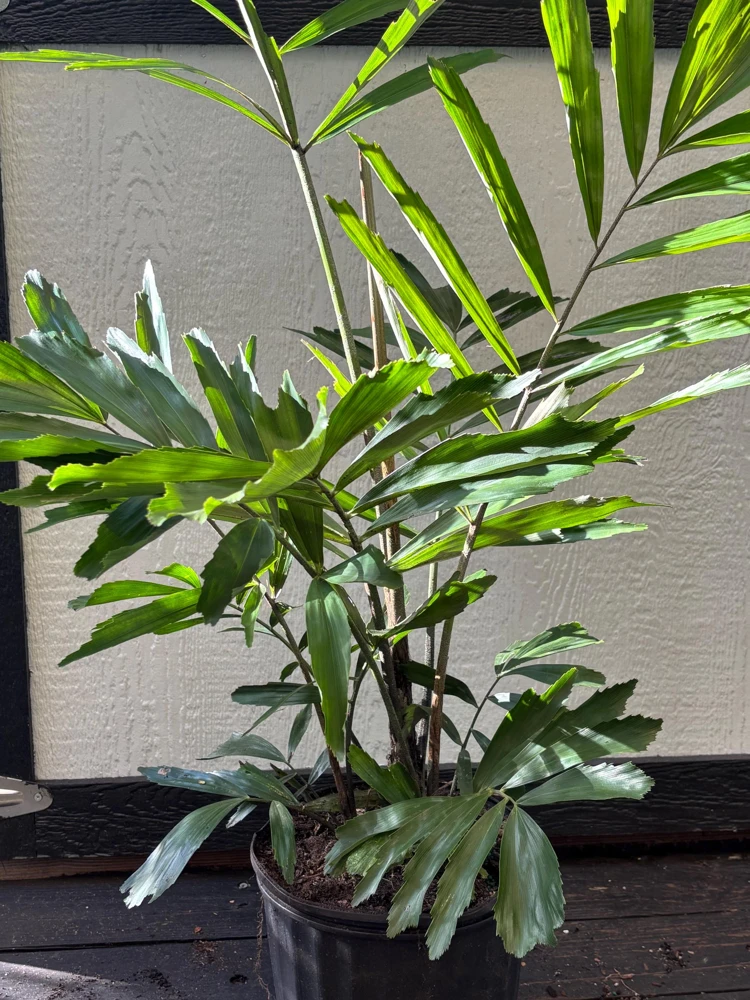
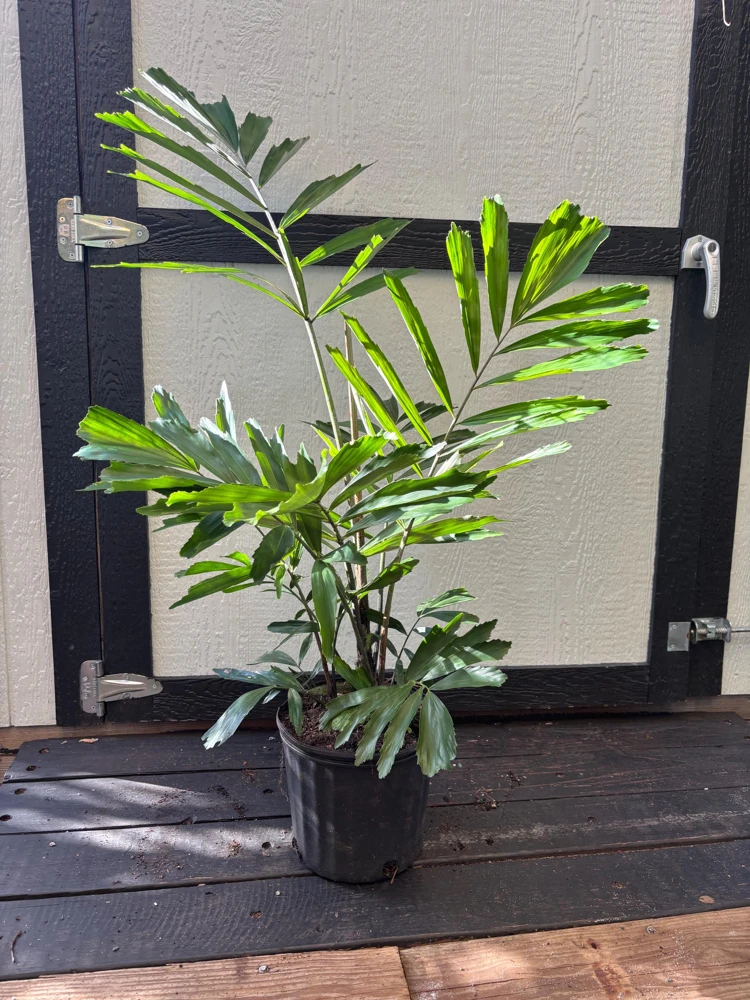
Experience the allure of the tropics with the exquisite dwarf sugar palm live plant (Arenga engleri). This captivating palm, also known as the Formosa Palm, is a true gem for both garden enthusiasts and indoor plant collectors. Unlike its larger relatives, the Dwarf Sugar Palm maintains a compact, shrub-like growth habit, making it an ideal choice for smaller gardens, patios, or as a striking container plant on a sunny balcony. Its elegant, dark green, pinnate leaves create a lush, tropical canopy that can instantly transform any setting into a serene oasis. While its close relative, Arenga pinnata, is famed for its sugar production, the Arenga engleri is primarily cherished for its ornamental beauty and resilience. This well-established 3-gallon specimen is ready to bring a touch of exotic charm to your home or garden.
The dwarf sugar palm live plant is a fantastic option for those seeking a unique, low-maintenance palm that offers year-round visual appeal. Its slow growth rate ensures it won’t quickly outgrow its space, and its adaptability allows it to flourish in a variety of conditions, provided its basic needs are met. Whether you’re looking to create an exotic landscape or a vibrant indoor jungle, this particular tropical palm plant is an excellent choice. Its ability to tolerate cooler temperatures than many other tropical palms also broadens its appeal, allowing more gardeners to enjoy its distinctive beauty.
Key Benefits
The dwarf sugar palm live plant offers numerous advantages that make it a highly desirable addition to any plant collection. Its unique characteristics contribute to both aesthetic appeal and environmental well-being.
- Compact and Manageable Size: Unlike many large palm varieties, the Dwarf Sugar Palm maintains a more shrub-like, compact form, making it perfect for smaller gardens, patios, or as a container plant. This manageable size allows for versatile placement, even in limited spaces.
- Tropical Aesthetic: Its lush, dark green, pinnate leaves provide an instant tropical feel, transforming any area into a vibrant, serene escape. It’s an excellent choice for creating a resort-like ambiance at home.
- Adaptable Growth: This palm is remarkably adaptable, thriving in a range of light conditions from partial shade to full sun. This flexibility makes it easier to find an ideal spot for your dwarf sugar palm live plant, whether indoors or out.
- Low Maintenance: Once established, the Arenga engleri requires minimal care, making it an excellent choice for busy individuals or novice gardeners. Its resilience means less fuss and more enjoyment.
- Air Purification: Like many plants, the Dwarf Sugar Palm contributes to improved air quality by absorbing common indoor pollutants, creating a healthier living environment.
- Year-Round Interest: With its evergreen foliage, this palm provides consistent beauty throughout the year, ensuring your space always looks vibrant and inviting.
- Unique Ornamental Value: The distinct texture and shape of its leaves, along with its clustering growth habit, make it a focal point in any landscape or room, offering unique ornamental appeal.
Plant Care & Growing Tips
Caring for your dwarf sugar palm live plant (Arenga engleri) is relatively straightforward, making it a rewarding experience for gardeners of all levels. Understanding its specific needs will ensure it thrives and maintains its lush appearance. This small palm tree outdoor can also be grown indoors in suitable conditions.
Sunlight Requirements: The Dwarf Sugar Palm prefers partial shade to full sun. When grown outdoors, it benefits from some protection from the intense afternoon sun, especially in hotter climates, as this can prevent leaf scorching. Indoors, place it near a bright window where it receives several hours of indirect light, or a few hours of direct morning sun. Too little light can lead to leggy growth and dull foliage, while too much direct, harsh sun can cause the leaves to yellow or brown. Finding the right balance is key for optimal growth and the best arenga engleri care.
Watering Schedule and Soil Moisture Preferences: This palm prefers consistently moist, but not waterlogged, soil. Water thoroughly when the top inch or two of soil feels dry to the touch. During hot, dry periods, it may require more frequent watering. In cooler months or when grown indoors, reduce watering frequency to prevent root rot. Ensure good drainage to avoid standing water around the roots, which can be detrimental to the plant’s health. Overwatering is a common mistake, so always check soil moisture before watering again.
Soil Type and Drainage Requirements: The Dwarf Sugar Palm thrives in rich, well-draining soil with a slightly acidic to neutral pH. For container planting, use a high-quality potting mix amended with organic matter like compost or peat moss to improve fertility and drainage. If planting in the ground, ensure the soil is not heavy clay; amend it with sand or compost to enhance drainage and aeration. Good drainage is crucial for preventing root issues and promoting healthy growth.
Temperature Range and USDA Hardiness Zone: This tropical palm is best suited for USDA Hardiness Zones 9-11 when grown outdoors. It can tolerate temperatures down to about 25°F (-4°C) for short periods, but prolonged cold can cause damage. If you live in a colder zone, it’s best to grow it in a container and bring it indoors during winter. Indoors, maintain consistent room temperatures, ideally between 65-80°F (18-27°C), and protect it from cold drafts.
Fertilization Schedule and Type: Fertilize your dwarf sugar palm live plant during the growing season (spring and summer) with a balanced, slow-release palm fertilizer. Look for a fertilizer specifically formulated for palms, which will contain essential micronutrients like magnesium and potassium. Follow the product’s instructions for application rates. Avoid fertilizing in fall and winter when the plant’s growth slows down. Regular feeding will promote vigorous growth and healthy, vibrant foliage.
Common Problems and Solutions: Common issues include yellowing leaves (often due to nutrient deficiencies, overwatering, or insufficient light), brown tips (underwatering or low humidity), and pest infestations like spider mites or mealybugs. Address yellowing by checking watering habits and applying appropriate fertilizer. Increase humidity for brown tips. For pests, use insecticidal soap or neem oil as a targeted treatment. Regular inspection helps catch problems early, ensuring your arenga engleri care routine keeps your palm healthy.
Size & Details
This offering is for one well-established dwarf sugar palm live plant (Arenga engleri) in a 3-gallon nursery pot. At the time of shipment, the plant typically stands approximately 2-3 feet tall from the base of the pot to the top of the foliage, with a spread of about 1.5-2 feet. The Dwarf Sugar Palm is a slow-growing species, reaching a mature height of 6-10 feet with a similar spread over many years, making it an excellent choice for long-term landscaping or container gardening where a compact small palm tree outdoor or indoor specimen is desired. It ships in its original nursery container, ensuring minimal transplant shock and providing a robust root system ready for continued growth.
The plant is carefully packaged to protect its delicate foliage and root ball during transit. Upon arrival, it will be ready for immediate planting in its permanent location or repotting into a larger decorative container. Expect the plant to continue developing its characteristic dark green, pinnate leaves, with new fronds emerging from the central crown. This palm typically produces small, fragrant flowers followed by black, pea-sized fruits, adding further interest. Its clumping nature means it will gradually form multiple stems, enhancing its shrub-like appearance and creating a dense, lush display.
Frequently Asked Questions
- Q: How big does this dwarf sugar palm live plant get? A: The Dwarf Sugar Palm (Arenga engleri) is a slow-growing species that typically reaches a mature height of 6 to 10 feet, with a similar spread. Its compact nature makes it suitable for various garden sizes and container growing.
- Q: Is this an indoor or outdoor plant? A: This palm can be grown both indoors and outdoors. Outdoors, it thrives in USDA Zones 9-11. In colder climates, it makes an excellent indoor potted plant, provided it receives adequate light.
- Q: How much sunlight does it need? A: The Dwarf Sugar Palm prefers partial shade to full sun. When grown outdoors in hot climates, some afternoon shade is beneficial. Indoors, place it in a bright location with indirect light or morning sun.
- Q: Is this plant easy to care for? A: Yes, the Dwarf Sugar Palm is considered relatively easy to care for. Once established, it is quite resilient and requires consistent watering and occasional fertilization, making it a good choice for beginners.
- Q: What condition will it arrive in? A: Your dwarf sugar palm live plant will arrive well-established in a 3-gallon nursery pot, carefully packaged to ensure its health and safety during transit. It will be ready for planting or repotting upon arrival.
- Q: When is the best time to plant a small palm tree outdoor? A: The best time to plant a Dwarf Sugar Palm outdoors is in spring or early summer, allowing it ample time to establish its root system before cooler temperatures arrive. Indoor planting can be done year-round.
- Q: What type of soil does the arenga engleri care require? A: This palm prefers rich, well-draining soil that is slightly acidic to neutral. For container plants, a high-quality potting mix with added organic matter is ideal. Good drainage is crucial to prevent root rot.
- Q: Will it survive winter in my zone? A: If you are in USDA Zones 9-11, the Dwarf Sugar Palm can typically survive winters outdoors. In colder zones, it must be brought indoors to protect it from freezing temperatures.
- Q: Does this tropical palm plant produce fruit? A: Yes, the Dwarf Sugar Palm produces small, black, pea-sized fruits after flowering. While not typically consumed by humans, they add to the plant’s ornamental appeal.
- Q: How often should I fertilize my dwarf sugar palm live plant? A: Fertilize during the growing season (spring and summer) with a slow-release palm-specific fertilizer. Follow the product instructions for frequency, usually every 2-3 months.


Reviews
There are no reviews yet.