Overview
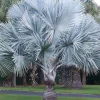
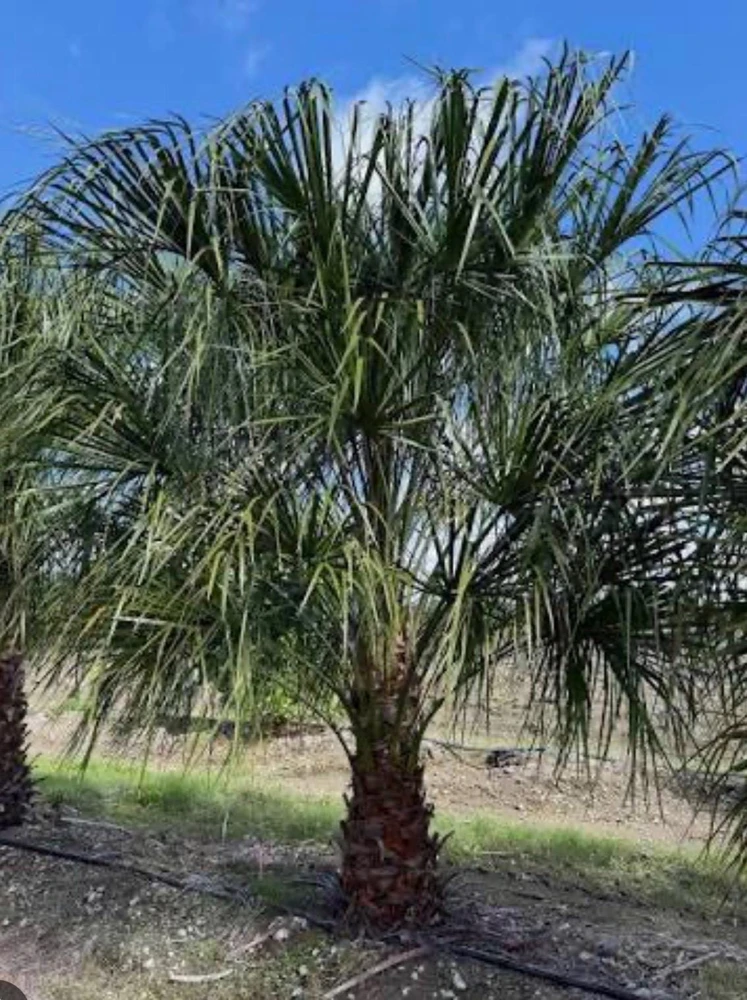
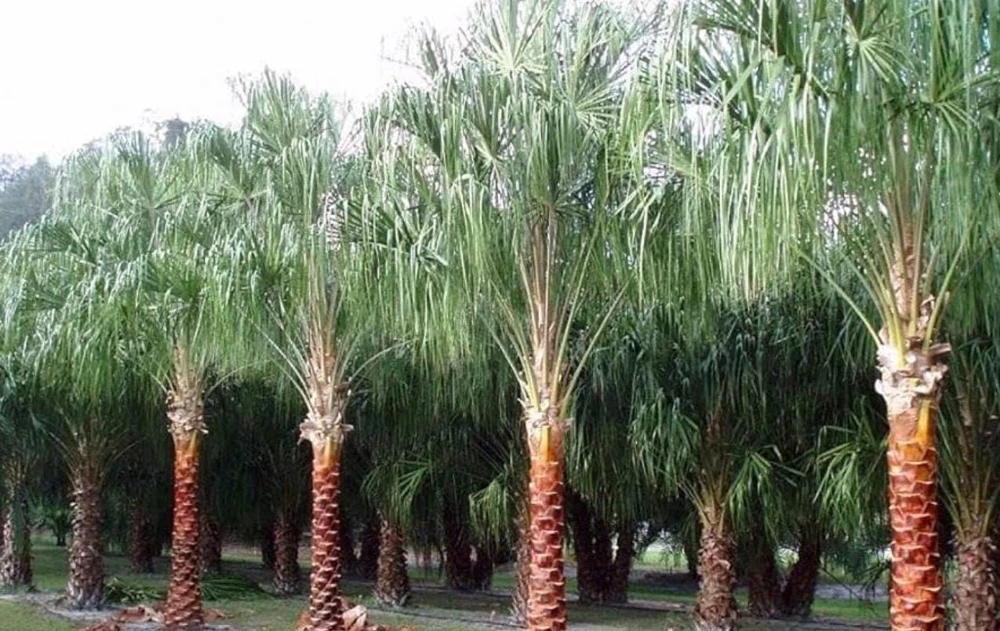
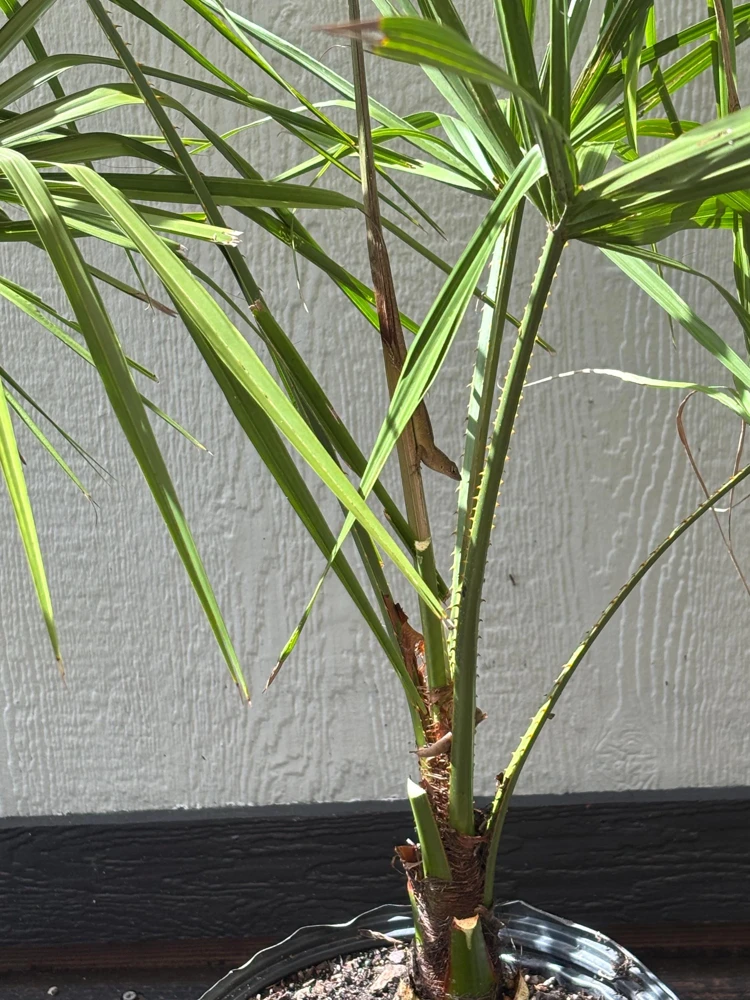
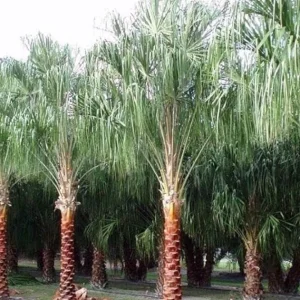
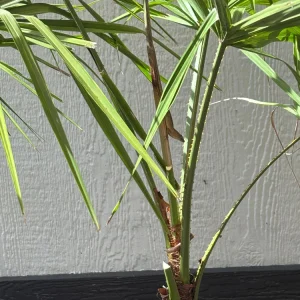
Introduce a touch of tropical elegance to your garden with the exquisite ribbon palm live plant. This offering is for a well-rooted 3-gallon specimen of Livistona decipiens, formerly known as Livistona decora. Commonly referred to as the weeping cabbage palm or fountain palm due to its distinctive appearance, this graceful, slow-growing fan palm is native to Australia. It is highly prized for its dark green, fan-shaped fronds that split into long, delicate, ribbon-like segments, creating a beautiful weeping effect as they cascade towards the ground. The ribbon palm live plant is a fantastic choice for those seeking a unique and resilient palm that can withstand cooler temperatures, making it a truly cold hardy palm suitable for a variety of outdoor landscapes.
The unique form and texture of the livistona decipiens make it an exceptional focal point in any garden design. Its elegant weeping habit provides a dynamic visual interest that stands out from more upright palm varieties. Whether you’re aiming for a lush tropical aesthetic or simply want to add a distinctive specimen to your collection, this fountain palm delivers both beauty and durability. With proper care, your ribbon palm live plant will thrive and become a long-lasting feature in your outdoor living space.
Key Benefits
The ribbon palm live plant offers numerous advantages, making it a favored choice for landscape architects and home gardeners alike. Its unique growth habit and resilience contribute significantly to its appeal:
- Exceptional Ornamental Value: The ribbon palm live plant boasts stunning, dark green, fan-shaped fronds that gracefully split into long, ribbon-like segments, creating a captivating weeping effect. This unique aesthetic makes it a superb focal point in any garden or landscape.
- Cold Hardiness: Unlike many tropical palms, the Livistona decipiens is notably cold-hardy, allowing it to thrive in a wider range of climates. This resilience ensures it can withstand cooler temperatures, making it a reliable choice for regions that experience occasional dips in mercury.
- Low Maintenance: Once established, this weeping cabbage palm is relatively low-maintenance, requiring minimal intervention to maintain its health and beauty. It’s an excellent option for gardeners seeking an impactful plant without extensive care demands.
- Drought Tolerance: The mature fountain palm exhibits good drought tolerance, making it suitable for water-wise landscaping. While it appreciates consistent moisture, it can endure periods of dryness, especially in established plants.
- Unique Texture and Form: The delicate, ribbon-like segments of its fronds provide a unique textural element that contrasts beautifully with broader-leafed plants, adding depth and interest to your garden design.
- Versatile Landscaping: Whether planted as a standalone specimen, in groups, or as part of a mixed border, the ribbon palm live plant integrates seamlessly into various garden styles, from tropical to contemporary.
- Slow Growing: Its slow growth rate means it won’t outgrow its space quickly, making it easier to manage in smaller gardens or for those who prefer a more controlled growth habit.
Plant Care & Growing Tips
Caring for your ribbon palm live plant, or Livistona decipiens, is straightforward once you understand its basic requirements. This cold hardy palm thrives with the right balance of sun, water, and well-draining soil. For optimal growth, choose a location that receives full sun to partial shade. In hotter climates, some afternoon shade can protect the fronds from scorching. Aim for at least 6 hours of direct sunlight per day if possible. Young palms may benefit from more shade initially, gradually acclimating to brighter conditions as they mature. This weeping cabbage palm is adaptable but will perform best in its preferred environment.
When it comes to watering, consistent moisture is key, especially for newly planted and young fountain palm specimens. Water deeply and regularly, allowing the top few inches of soil to dry out slightly between waterings. Avoid overwatering, as this can lead to root rot. Established palms are more drought-tolerant but will still benefit from occasional deep watering during prolonged dry spells. The ideal soil for a ribbon palm live plant is well-draining, fertile, and slightly acidic to neutral. Amend heavy clay soils with organic matter to improve drainage. Good drainage is crucial for preventing waterlogged conditions around the roots. This cold hardy palm can tolerate a range of soil types as long as they are not constantly wet.
The livistona decipiens is known for its cold hardiness, generally thriving in USDA zones 9-11. In colder parts of zone 9, protection during severe freezes may be beneficial, especially for younger plants. Fertilize your ribbon palm live plant with a balanced slow-release palm fertilizer in spring and late summer, following the product’s instructions. Look for a fertilizer that includes micronutrients like magnesium and potassium, which are essential for palm health. Pruning is generally minimal; remove only old, brown, or damaged fronds to maintain its attractive appearance. Avoid over-pruning green fronds, as they contribute to the plant’s overall health and vigor. Watch out for common pests like spider mites or mealybugs, and treat with appropriate organic insecticides if necessary. By following these guidelines, your ribbon palm live plant will flourish.
Size & Details
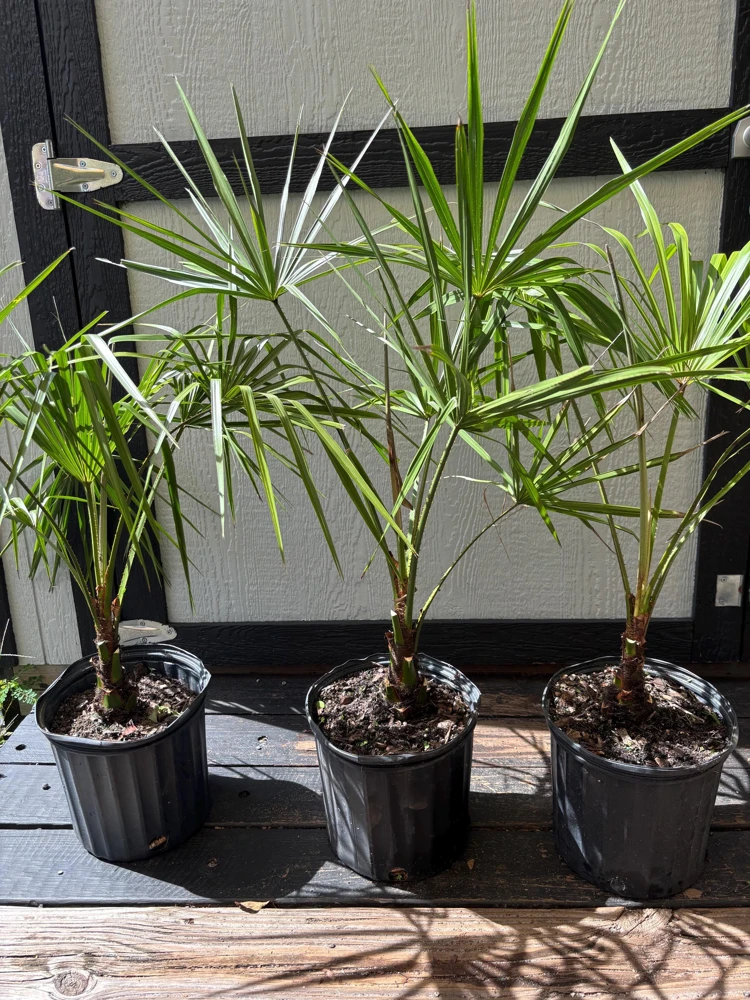
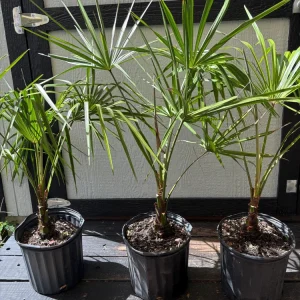
This offering includes one robust ribbon palm live plant, shipped in a 3-gallon nursery pot. The plant is well-rooted and ready for transplanting into your garden or a larger container. The Livistona decipiens is a slow-growing palm, typically reaching a mature height of 20-30 feet with a spread of 10-15 feet in its natural habitat, though it may remain smaller in cultivation or containers. The distinctive weeping fronds give it a graceful silhouette that adds significant architectural interest to any landscape. Your weeping cabbage palm will arrive carefully packaged to ensure its health during transit. Expected growth rate is moderate, allowing you to enjoy its beauty without it quickly overwhelming its space. This fountain palm is an excellent long-term investment for a tropical or semi-tropical garden, offering many years of beauty and elegance.
Frequently Asked Questions
- Q: How big does this ribbon palm live plant get? A: The Livistona decipiens typically grows to a height of 20-30 feet with a spread of 10-15 feet in optimal outdoor conditions. In containers, its size can be somewhat restricted, making it manageable for smaller spaces or patios.
- Q: Is this an indoor or outdoor plant? A: The ribbon palm live plant is primarily an outdoor palm, best suited for tropical and subtropical climates due to its size and light requirements. It can be grown in large containers and brought indoors in colder climates during winter, but it prefers outdoor conditions.
- Q: How much sunlight does the fountain palm need? A: This palm thrives in full sun to partial shade. In very hot climates, partial afternoon shade can prevent frond scorching. It needs at least 6 hours of direct sunlight daily for optimal growth and frond development.
- Q: Is this plant easy to care for? A: Yes, once established, the ribbon palm live plant is considered relatively easy to care for. It requires well-draining soil, consistent watering when young, and occasional fertilization. Its cold hardy palm nature also contributes to its resilience.
- Q: What condition will my weeping cabbage palm arrive in? A: Your 3-gallon ribbon palm live plant will arrive well-rooted in its nursery pot, carefully packaged to minimize stress during shipping. We ensure the plant is healthy and ready for transplanting upon arrival.
- Q: When is the best time to plant a livistona decipiens? A: The best time to plant a ribbon palm live plant is in the spring or early summer, allowing it ample time to establish its root system before the colder months. This is particularly important for a cold hardy palm to ensure it can withstand winter temperatures.
- Q: What USDA hardiness zones is this cold hardy palm suitable for? A: The ribbon palm live plant is generally suitable for USDA Hardiness Zones 9-11. In zone 9, it may require protection during severe or prolonged freezes, especially when young.


Reviews
There are no reviews yet.