Overview
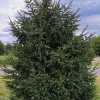
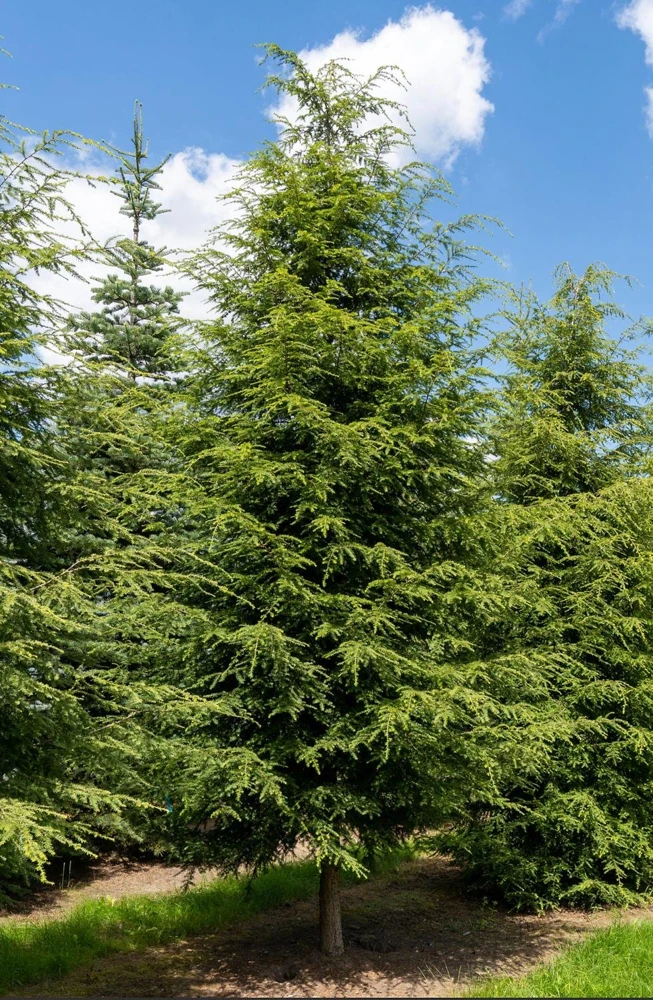
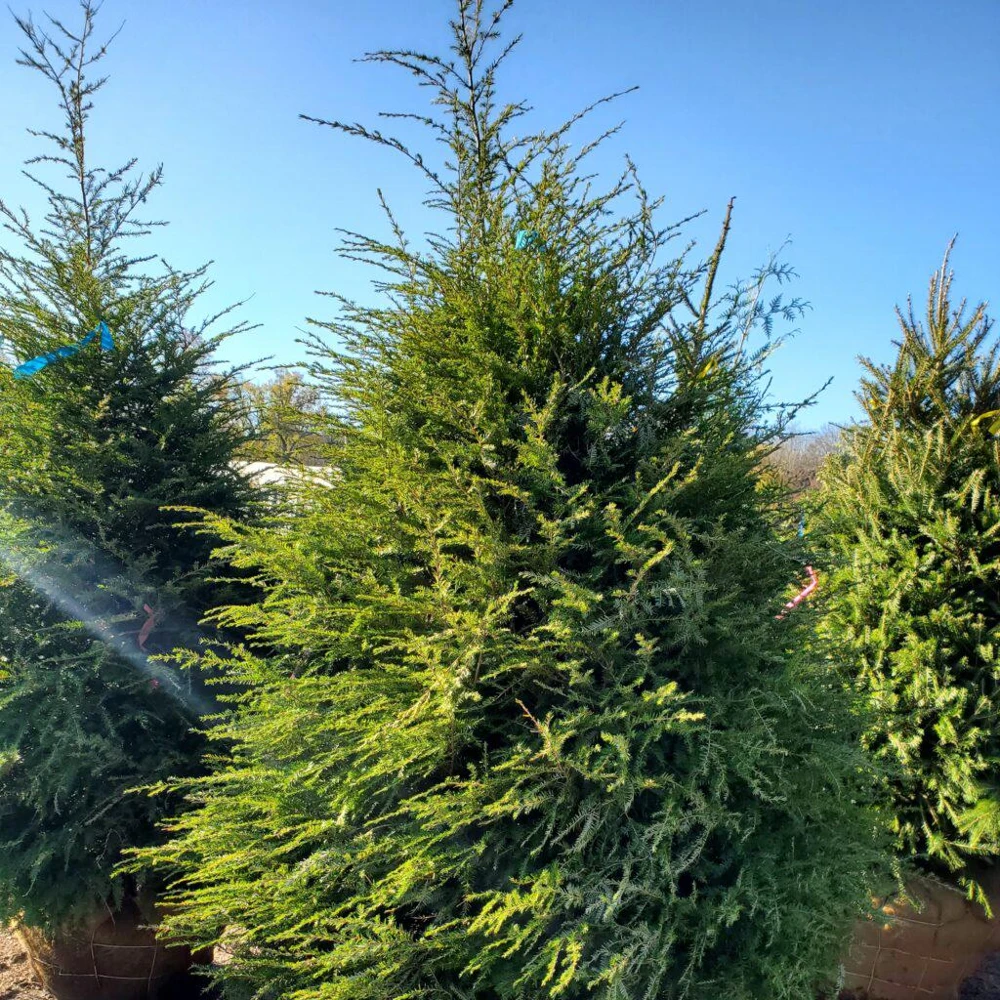
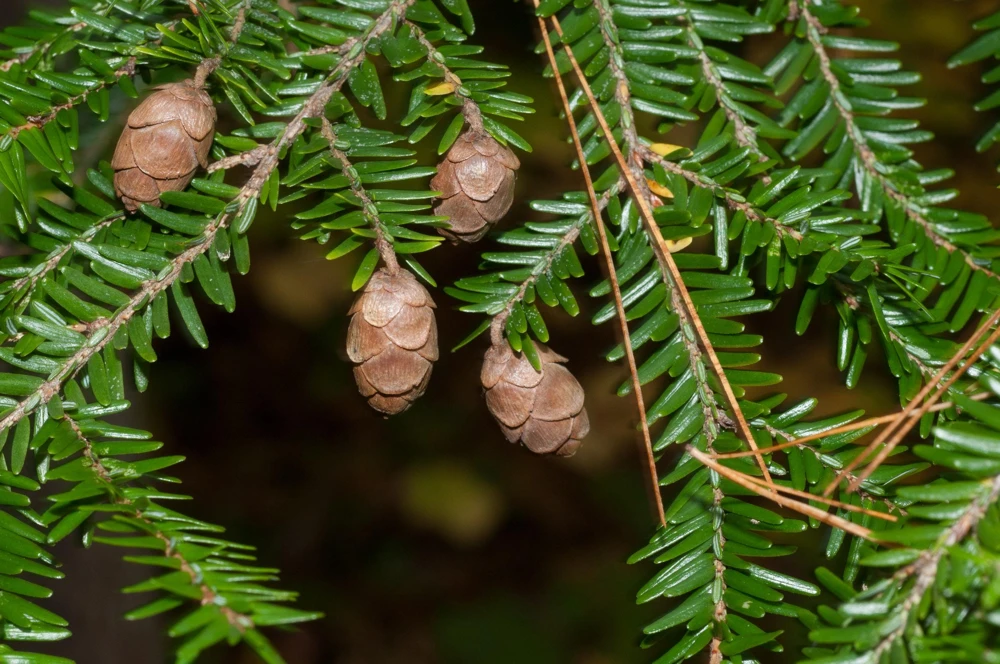
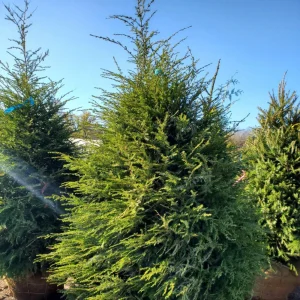
Introduce a touch of natural elegance to your garden with an Eastern Hemlock live plant. Also known by its botanical name, Tsuga canadensis, or commonly as Canadian Hemlock, this beautiful conifer is renowned for its dense, pyramidal growth habit and delicate, lacy evergreen foliage. Native to the eastern regions of North America, from Canada to the Appalachian Mountains, it thrives in moist, shaded environments, making it an excellent choice for a woodland garden or a shaded border. This species is unique for having some of the smallest needles and cones within its genus, contributing to its refined appearance. With a mature height of 40-75 feet in the wild, this tree offers significant vertical interest and a serene presence, providing year-round beauty.
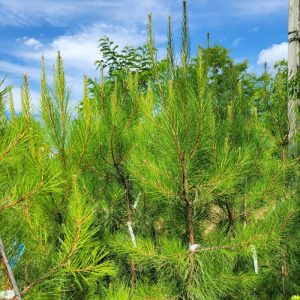
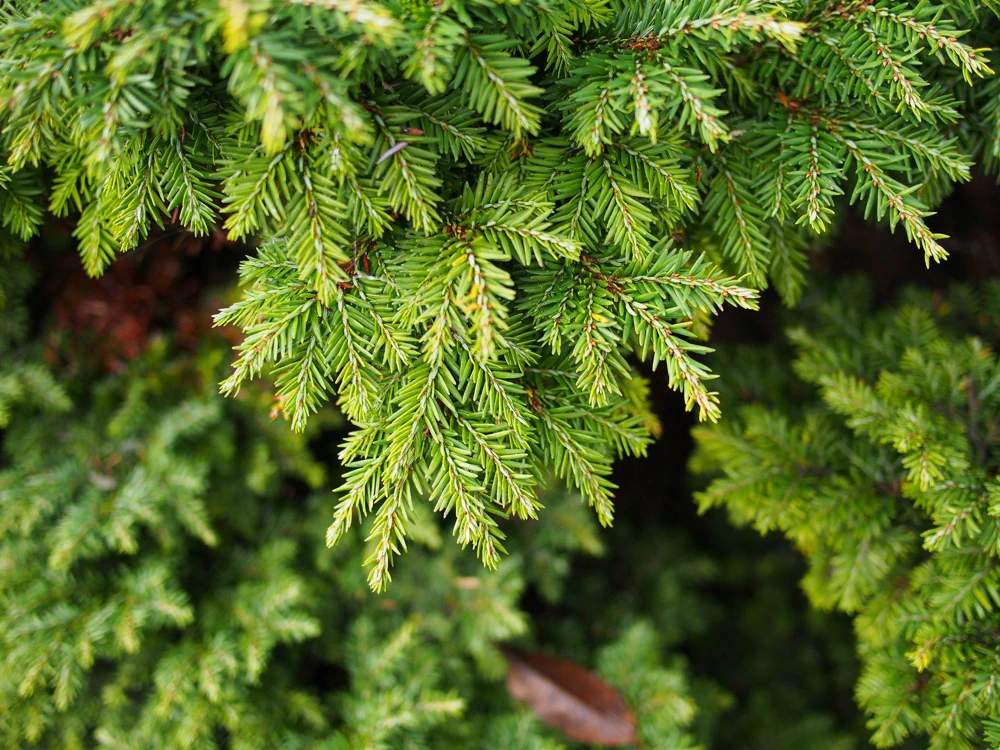
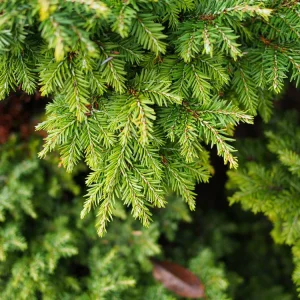
The Eastern Hemlock live plant is a fantastic addition for those seeking a graceful, long-lived specimen that provides structure and texture to their landscape. Its deep green, short needles with distinctive white bands beneath are arranged in two opposite rows, creating a soft, feathery look. The tree’s lower branches often gracefully dip towards the ground, adding to its picturesque form. This starter plant provides an excellent foundation for establishing a thriving Tsuga canadensis care regimen in your own garden.
Key Benefits
The Eastern Hemlock live plant offers a multitude of benefits for the discerning gardener, enhancing both the aesthetic and ecological value of your outdoor space. Its unique characteristics make it a standout choice.
- Year-Round Beauty: As an evergreen, the Eastern Hemlock live plant provides consistent color and texture throughout all seasons, offering a vibrant green contrast even in winter. Its lacy foliage adds a delicate touch to the landscape.
- Shade Tolerance: This species is exceptionally well-suited for shaded areas where many other conifers struggle, making it an ideal choice for woodland gardens or beneath larger deciduous trees. It thrives in conditions ranging from part shade to full shade.
- Deer and Critter Resistant: A significant advantage for many gardeners, the Eastern Hemlock is known to be resistant to deer and other common garden critters, helping to protect your investment and maintain the plant’s pristine appearance.
- Graceful Form: The dense, pyramidal growth habit and pendulous lower branches give this tree a naturally elegant and refined silhouette, creating a calming focal point in the garden.
- Ecological Value: Beyond its beauty, the Tsuga canadensis care contributes to local ecosystems by providing shelter and nesting sites for various wildlife, enhancing biodiversity in your garden.
- Low Maintenance: Once established, the Eastern Hemlock requires relatively low maintenance, primarily needing consistent moisture and protection from harsh conditions, making it a rewarding plant for many gardeners.
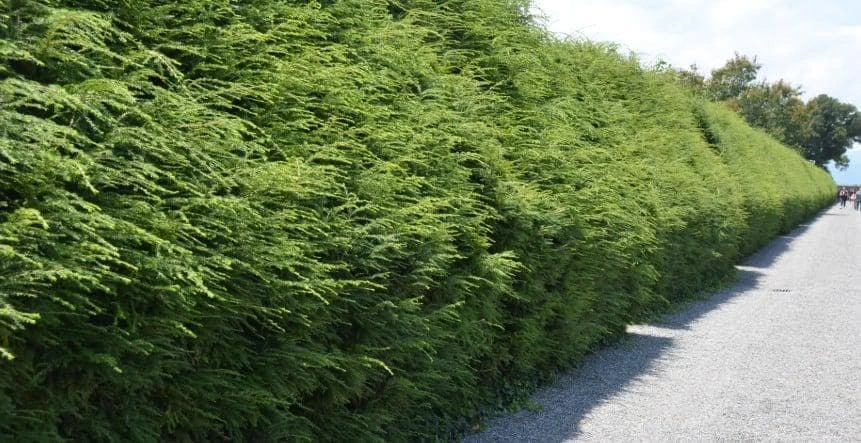
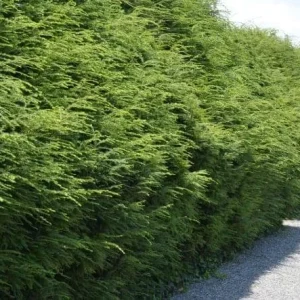
- Sound and Wind Break: Its dense foliage makes it an excellent choice for creating natural screens, reducing noise, and providing a windbreak, enhancing the comfort and privacy of your outdoor living spaces.
Plant Care & Growing Tips
Successful Tsuga canadensis care begins with understanding its specific environmental needs. The Eastern Hemlock live plant thrives in average, medium moisture, well-drained soils. While it appreciates part shade to full shade, it can tolerate full sun in cooler northern climates. However, in regions with hot and humid summers, particularly south of USDA Zone 6, it is best sited in part shade and protected from strong drying winds and intense afternoon sun, which can cause sun scald. Consistent moisture is crucial, especially during prolonged dry spells and when the plant is young, as it is intolerant of drought. A thick winter mulch can help retain soil moisture and regulate temperature.
When planting your Eastern Hemlock live plant, ensure the soil is rich in organic matter and has good drainage. Amend heavy clay soils with compost to improve structure. Dig a hole twice as wide as the root ball and just as deep, ensuring the top of the root ball is level with or slightly above the soil surface. After planting, water thoroughly to settle the soil around the roots. Fertilization is generally not necessary in the first year; thereafter, a balanced, slow-release evergreen fertilizer can be applied in spring according to package directions. Monitor for pests like hemlock woolly adelgid, a common concern for this species, and treat promptly if detected. Proper Canadian Hemlock growing guide practices will ensure your plant flourishes.
This shade tolerant evergreen is hardy in USDA Zones 3-7. While generally robust, providing some winter protection in the colder parts of its range can be beneficial, especially for young plants. Ensure good air circulation to prevent fungal diseases, particularly in humid environments. Regular watering is key to preventing stress, which can make the plant more susceptible to pests and diseases. With proper attention to these care guidelines, your Eastern Hemlock will grow into a majestic and enduring feature of your landscape, offering a beautiful and resilient presence for many years.
Size & Details
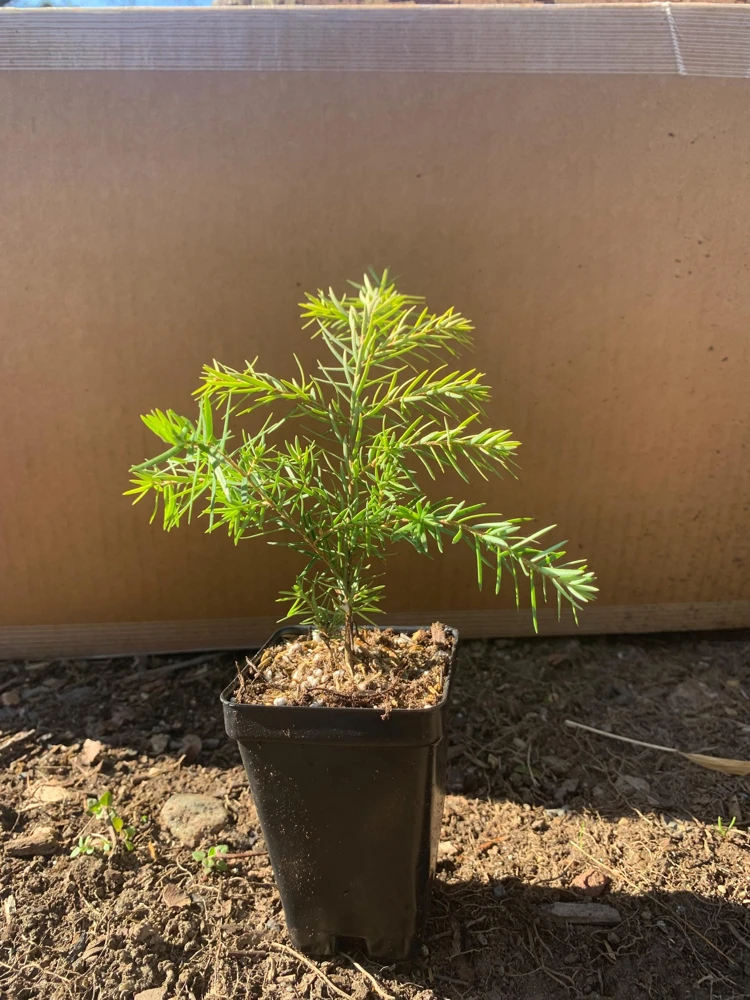
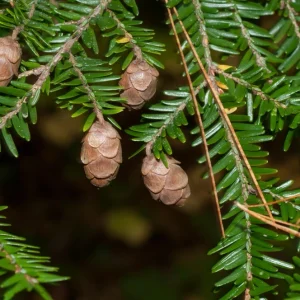
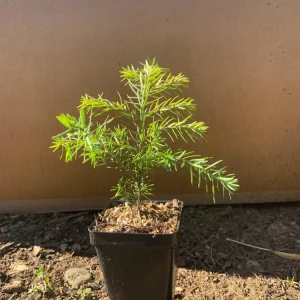
This offering is for one healthy, well-rooted Eastern Hemlock live plant. Each starter plant measures approximately 4-8 inches tall and is shipped in a 2.5×3.5 inch pot, providing a robust young specimen ready for transplanting. While young, this plant exhibits the characteristic short, dark green needles with two white bands beneath, arranged in flat sprays that will develop into the graceful, lacy evergreen foliage of a mature tree. The small, pendant, tan-brown cones, typically less than 3/4 inch long, are a distinctive feature of this species, though they may not be present on young starter plants.
The Canadian Hemlock growing guide suggests that in its natural habitat, this tree can reach impressive heights of 40-75 feet, with a spread of 25-35 feet, though garden specimens often remain smaller, especially with pruning. It has a moderate growth rate, typically adding 12-24 inches per year under ideal conditions. The thick, ridged bark on mature trees transitions from red-brown to gray-brown, adding to its aesthetic appeal. This starter plant is an excellent way to begin cultivating a long-term landscape feature that will provide beauty and ecological benefits for decades to come, becoming a prominent deer resistant trees option.
Frequently Asked Questions
- Q: How big does this Eastern Hemlock live plant get? A: In the wild, Eastern Hemlocks can grow to 40-75 feet tall and 25-35 feet wide. In a garden setting, their size can vary depending on conditions and pruning, but they are generally substantial trees.
- Q: What size pot does it come in? A: This Eastern Hemlock live plant is a starter plant and comes in a 2.5×3.5 inch pot, ready for you to transplant into a larger container or directly into your garden.
- Q: Is this an indoor or outdoor plant? A: The Eastern Hemlock (Tsuga canadensis care) is an outdoor plant, best suited for planting in your garden or landscape. It is not typically grown as an indoor houseplant.
- Q: How much sunlight does it need? A: This plant prefers part shade to full shade, especially in warmer climates. In cool northern climates, it can tolerate full sun, but protection from hot afternoon sun is recommended in many areas. It is a true shade tolerant evergreen.
- Q: Is this plant easy to care for? A: Once established, the Eastern Hemlock is relatively low maintenance. Its main requirements are consistent moisture and protection from extreme heat and drought. It’s a good choice for gardeners looking for a resilient tree.
- Q: What condition will it arrive in? A: Your Eastern Hemlock live plant will arrive as a healthy, well-rooted starter plant, carefully packaged to ensure its safe transit and readiness for planting.
- Q: When is the best time to plant? A: The best time to plant Eastern Hemlock is in spring or early fall, allowing the plant to establish its root system before extreme summer heat or winter cold.
- Q: Will it survive winter in my zone? A: Yes, the Eastern Hemlock is hardy in USDA Zones 3-7, meaning it is well-adapted to survive cold winters within these zones, making it one of the best deer resistant trees.
- Q: Is the Eastern Hemlock poisonous? A: No, the Eastern Hemlock (Tsuga canadensis) is not poisonous. The poisonous plants commonly referred to as “hemlock” are herbaceous perennials in the parsley family (Circuta maculata and Conium maculatum), which are entirely different species.
- Q: Is this plant deer resistant? A: Yes, the Eastern Hemlock is known to be deer and critter resistant, which is a significant advantage for gardeners in areas with wildlife.


Reviews
There are no reviews yet.