Overview
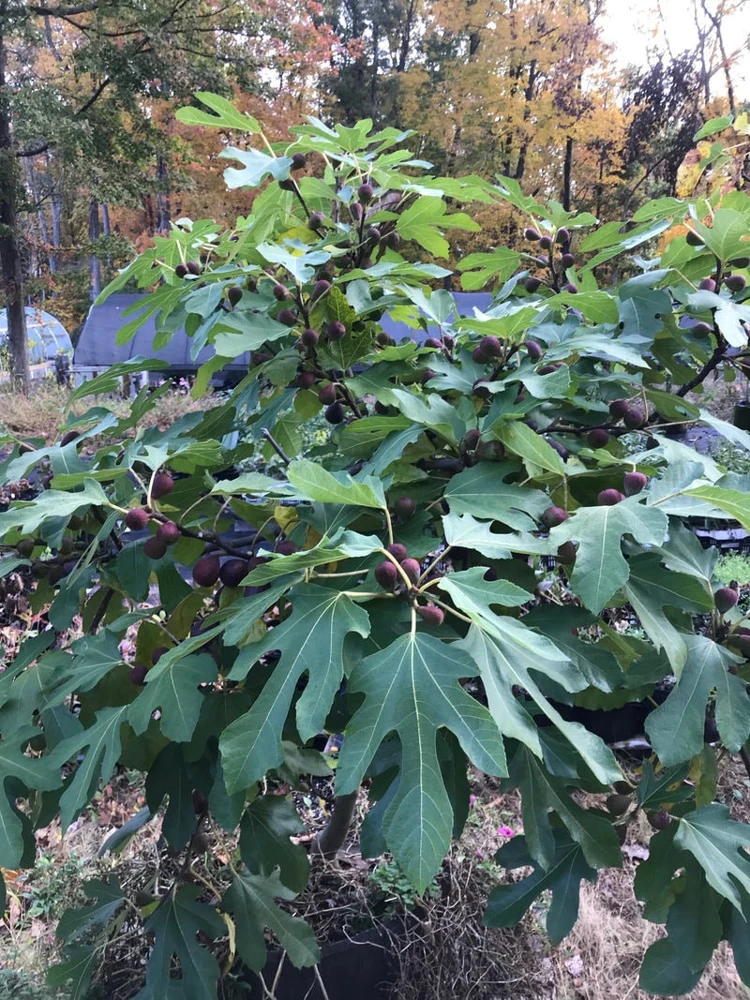
Bring the joy of home-grown, gourmet fruit to your garden with an Organic Violette De Bordeaux Fig Tree. This live starter plant offers an exceptional opportunity to cultivate one of the most highly prized fig varieties. The ‘Violette De Bordeaux’ fig, often simply called ‘Bordeaux Fig’, is celebrated for its intensely rich flavor and beautiful appearance. Originating from France, this variety is a favorite among fig connoisseurs for its reliability and delicious fruit. As a live starter plant, it provides a head start on growing your own produce, ensuring you receive a healthy, well-rooted specimen ready for planting. Whether you’re an experienced gardener or a beginner looking to add an exotic touch to your edible landscape, this organic fig plant is an excellent choice.
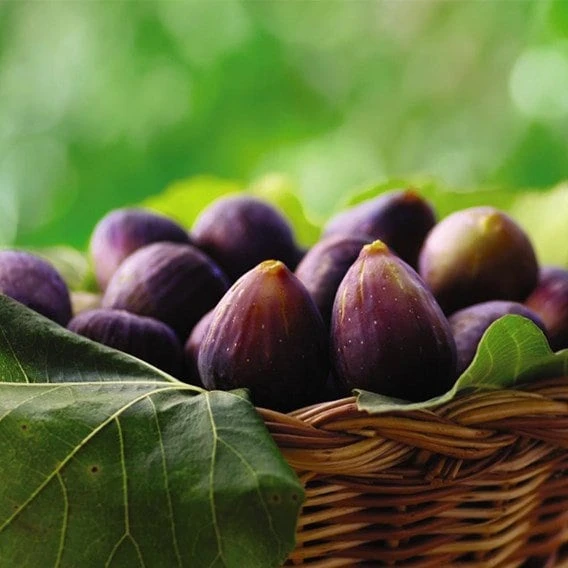
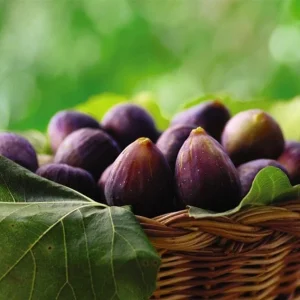
The ‘Violette De Bordeaux’ is renowned for its distinctive medium-sized, purple-black fruit, which encases a luscious, deep red, strawberry-like pulp. Its flavor profile is uniquely rich and sweet, making it superb for fresh consumption, drying, or preserving. This particular fig tree is self-fertile, meaning you only need one plant to produce fruit, making it incredibly convenient for smaller gardens or container growing. It’s truly a rewarding experience to harvest fresh figs directly from your own edible fig plant.
Key Benefits
Investing in a Violette De Bordeaux fig tree brings a multitude of benefits, from the sheer delight of fresh fruit to its adaptability in various garden settings. This exceptional variety offers both aesthetic appeal and practical value, making it a standout choice for any gardener. Here are some of the key advantages:
- Exceptional Flavor: The ‘Violette De Bordeaux’ fig is highly acclaimed for its fine, rich, and sweet flavor, often compared to premium fruits. Its deep red, strawberry-like pulp offers a gourmet experience whether eaten fresh, dried, or used in culinary creations.
- Dual Cropping: This variety produces two crops per year: a light ‘breba’ crop early in the season and a heavier, main crop later. This extended harvest period ensures a continuous supply of delicious figs throughout the growing season.
- Self-Fertile: Being a self-fertile fig tree, you do not need multiple plants for pollination. A single organic fig plant is sufficient to produce abundant fruit, simplifying cultivation and maximizing yields in limited spaces.
- Excellent for Containers: The compact growth habit of the ‘Violette De Bordeaux’ makes it an ideal candidate for container gardening. This allows it to be grown in patios, balconies, or moved indoors during colder months in non-hardy zones. If you want to grow figs in containers, this is a top choice.
- Organically Grown: Our fig tree for sale is organically grown, ensuring you receive a plant free from synthetic pesticides and fertilizers. This commitment to organic practices results in healthier plants and more natural, wholesome fruit.
- Good for Drying: Beyond fresh eating, the rich flavor and texture of ‘Violette De Bordeaux’ figs make them excellent for drying. This preserves their sweetness and allows you to enjoy their unique taste year-round.
- Hardy & Adaptable: This fig tree is hardy in USDA Zones 7-10, tolerating a range of climates. Its robust nature makes it a reliable addition to many garden types, offering consistent production.
Plant Care & Growing Tips
Caring for your Violette De Bordeaux fig tree is straightforward, and with a little attention, you’ll be rewarded with abundant, delicious fruit. Understanding its specific needs will ensure your organic fig plant thrives and produces its best. Figs generally prefer warm climates and plenty of sunlight to develop their sweet fruit.
When it comes to sunlight, your Violette De Bordeaux fig tree will perform best in full sun, meaning at least 6-8 hours of direct sunlight per day. While it can tolerate partial sun, fruit production and sweetness may be reduced. For watering, figs prefer consistently moist, but not waterlogged, soil. Allow the top inch or two of soil to dry out between waterings, especially for container-grown plants. Good drainage is crucial to prevent root rot. The ideal soil type is well-draining loam with a slightly acidic to neutral pH (6.0-7.0). Amend heavy clay soils with organic matter like compost to improve drainage, and sandy soils to improve water retention. This particular fig tree for sale is hardy in USDA Zones 7-10, meaning it can withstand winter temperatures down to about 0-10°F (-18 to -12°C). In colder zones, it’s best to grow figs in containers so they can be moved indoors or protected during winter.
Fertilize your fig tree in early spring as new growth begins, and again in mid-summer, using a balanced all-purpose fertilizer or one slightly higher in phosphorus and potassium to encourage fruiting. Avoid over-fertilizing with nitrogen, which can lead to excessive leaf growth at the expense of fruit production. Common problems include fig rust, which can be managed with good air circulation and appropriate fungicides if necessary. Pests like fig borers are less common but can be addressed with horticultural oils or insecticides. Proper pruning is also important to maintain shape, encourage air flow, and improve fruit set. Prune in late winter or early spring while the tree is dormant, removing dead, damaged, or crossing branches.
Size & Details
This offering is for one healthy, well-rooted Violette De Bordeaux fig tree starter plant. Each plant is approximately 6-12 inches tall, measured from the soil line, and comes established in a 2.5-inch by 3.5-inch nursery pot. These are robust young plants, organically grown to ensure vigor and health upon arrival. The ‘Violette De Bordeaux’ is known for its moderate growth rate, typically reaching 6-10 feet tall and wide when mature, though it can be kept smaller with pruning or when grown in containers. When you grow figs in containers, their size is generally more manageable. The ‘closed eye’ characteristic of this fig variety means the small opening at the bottom of the fruit remains tightly closed, which helps prevent insects from entering and reduces spoilage.
You can expect your organic fig plant to begin fruiting within 1-2 years under optimal growing conditions. The first ‘breba’ crop typically ripens in early summer, followed by the main, heavier crop in late summer to early fall. This variety offers a delightful and extended harvesting period. The starter plant provides a solid foundation for a productive fig tree, allowing you to enjoy fresh, delicious figs for many years to come.
Frequently Asked Questions
- Q: How big does this Violette De Bordeaux fig tree get? A: When mature, a Violette De Bordeaux fig tree can reach 6-10 feet tall and wide. However, its size can be easily maintained through pruning, especially when grown in a container, making it versatile for various garden spaces.
- Q: What size pot does this fig tree come in? A: This is a live starter plant, approximately 6-12 inches tall, and it comes in a 2.5-inch by 3.5-inch nursery pot, ready for transplanting into a larger container or directly into your garden.
- Q: Is this an indoor or outdoor plant? A: The organic fig plant is primarily an outdoor plant, hardy in USDA Zones 7-10. In colder zones, it can be grown outdoors in containers and moved indoors or protected during the winter months.
- Q: How much sunlight does it need? A: For best fruit production and sweetness, the Violette De Bordeaux fig tree requires full sun, which means at least 6-8 hours of direct sunlight per day. It can tolerate partial sun, but fruit yield may be lower.
- Q: Is this fig tree easy to care for? A: Yes, ‘Violette De Bordeaux’ figs are relatively easy to care for, making them suitable for both experienced and novice gardeners. They require consistent watering, well-draining soil, and adequate sunlight.
- Q: What condition will the fig tree arrive in? A: Your fig tree for sale will arrive as a healthy, well-rooted starter plant, carefully packaged to ensure its safe journey. We guarantee our plants will arrive in good health.
- Q: How long until it produces fruit? A: Under optimal growing conditions, you can expect your Violette De Bordeaux fig tree to begin producing fruit within 1-2 years after planting. It will typically yield two crops per year.
- Q: Will it survive winter in my zone? A: This fig tree is hardy in USDA Zones 7-10. If you are in a colder zone, it is recommended to grow figs in containers so you can provide winter protection or move the plant indoors.
- Q: Is the Violette De Bordeaux fig self-fertile? A: Yes, this variety is self-fertile, meaning you only need one plant to produce fruit. You do not require a separate pollinator.
- Q: Can I use the fruit for drying? A: Absolutely! The ‘Violette De Bordeaux’ figs are known for their rich flavor and firm texture, making them excellent for drying, as well as for fresh eating and preserves.


Reviews
There are no reviews yet.