Overview
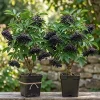
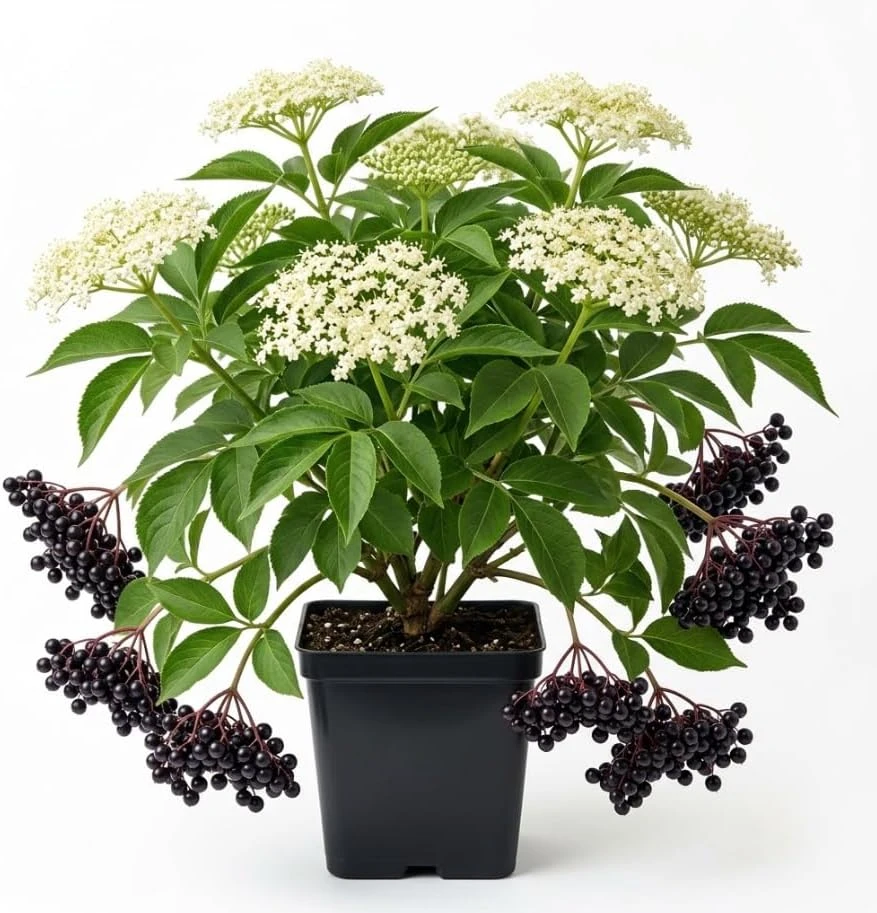
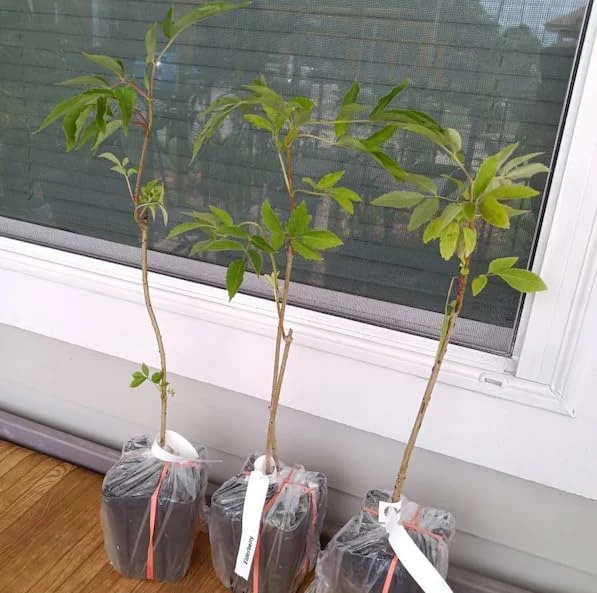
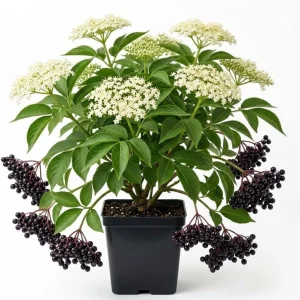
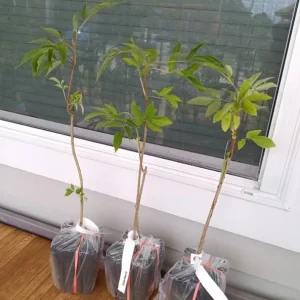
Discover the joy of growing your own American Elderberry plant (Sambucus nigra). This robust and versatile shrub is not only a beautiful addition to any landscape but also a prolific producer of nutritious dark berries. Each live plant is carefully nurtured and arrives healthy, well-established in a quart-sized pot, standing proudly at 7 to 12 inches tall, eager to begin its journey in your garden. The American Elderberry plant is renowned for its adaptability and ease of care, making it an excellent choice for both seasoned gardeners and enthusiastic beginners.
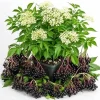
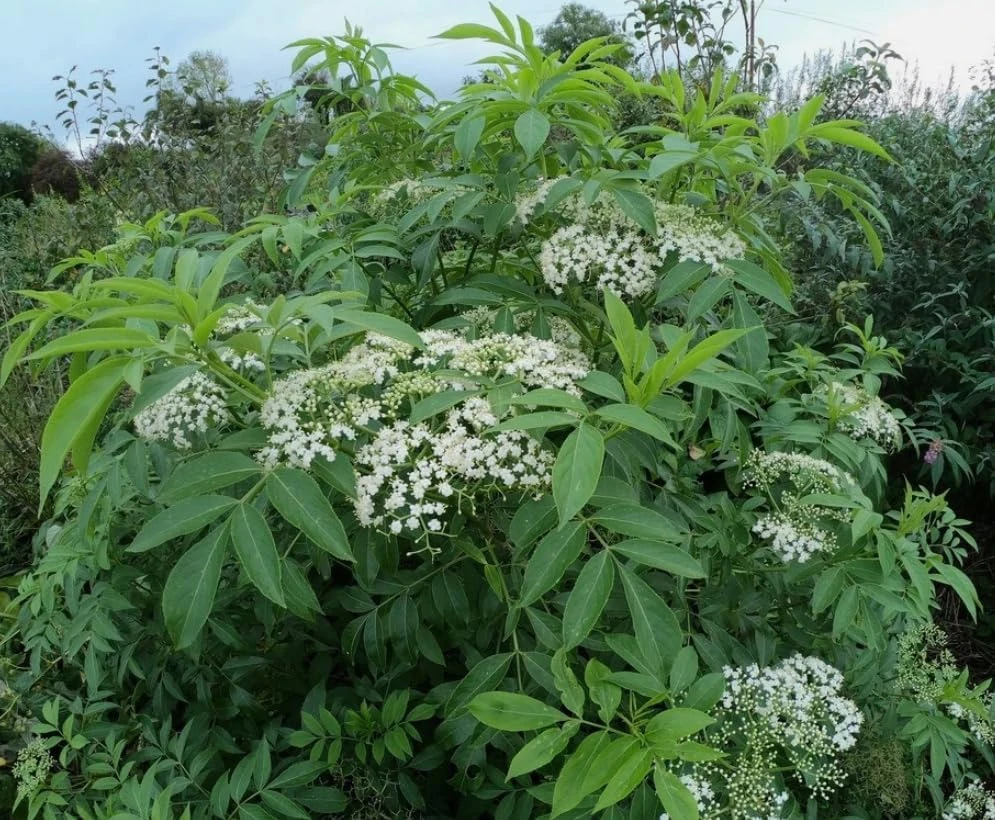
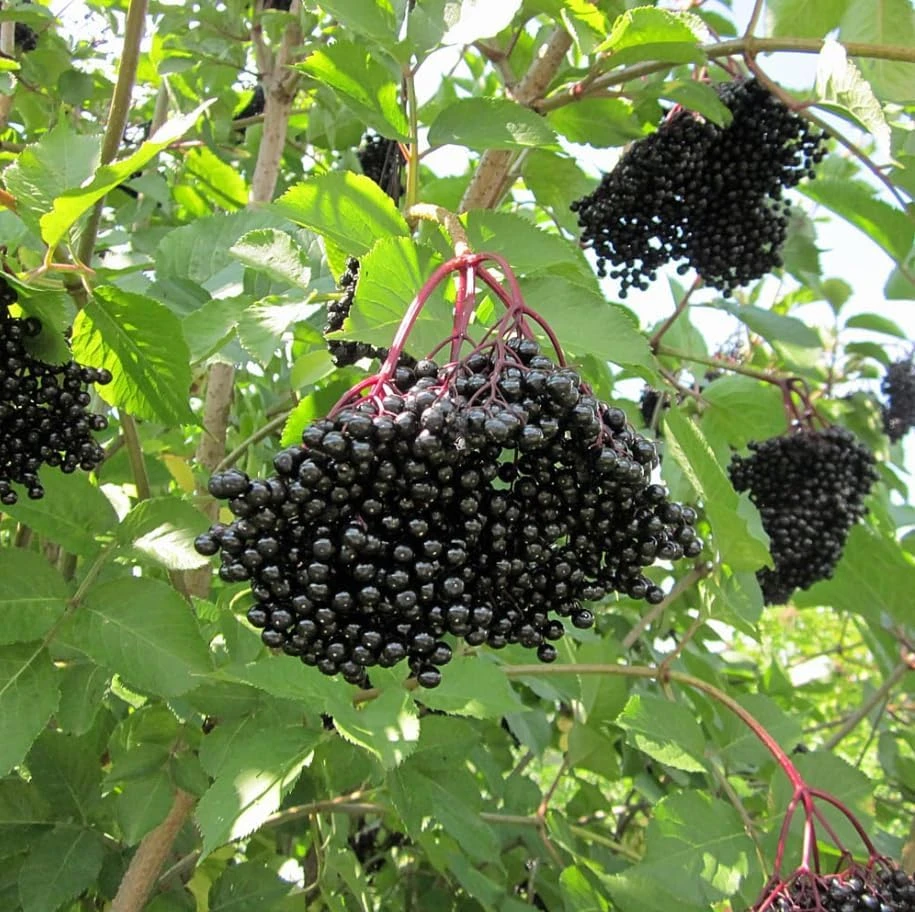
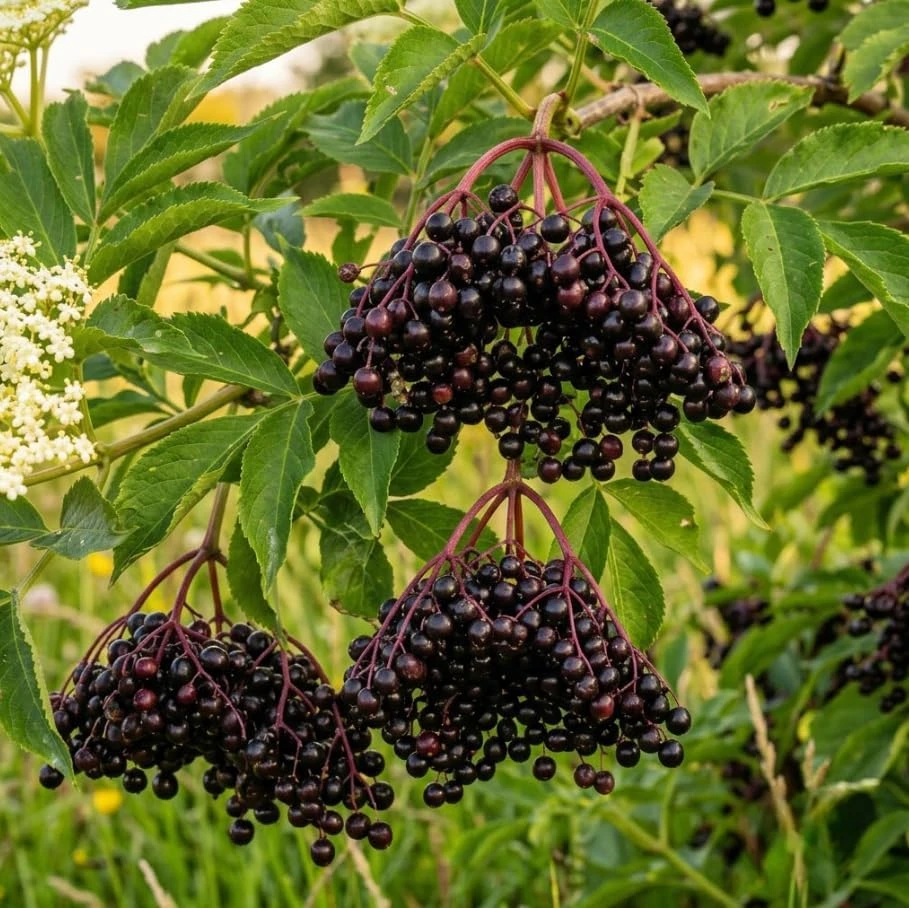
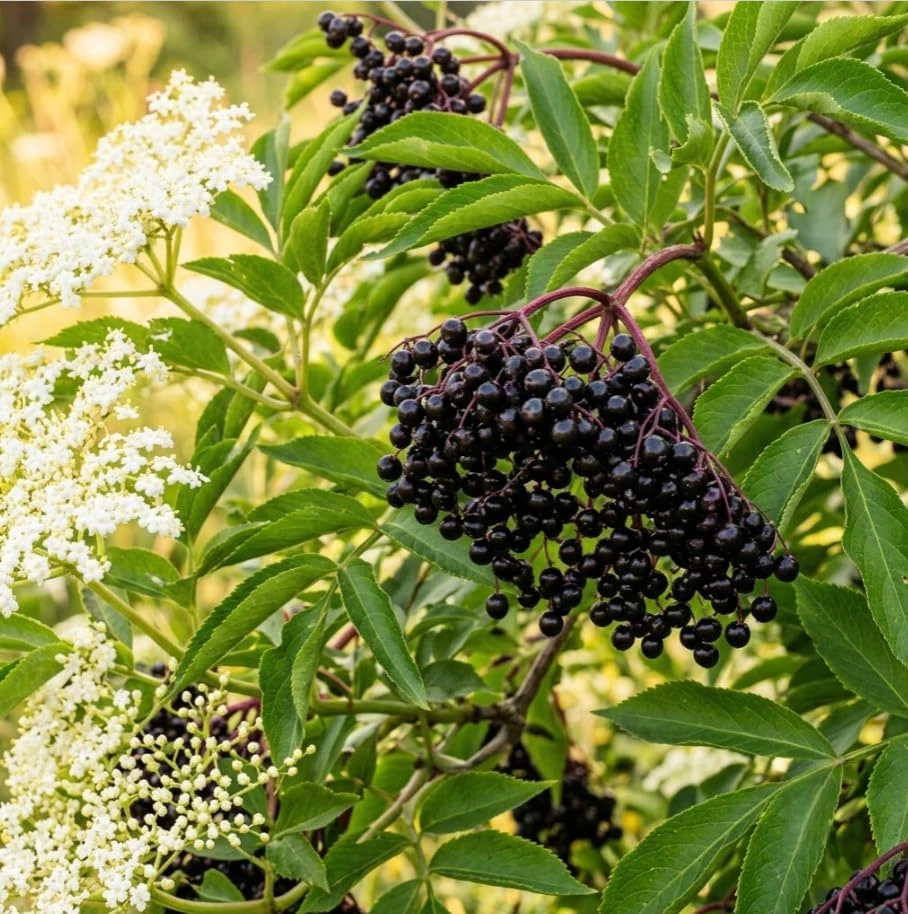
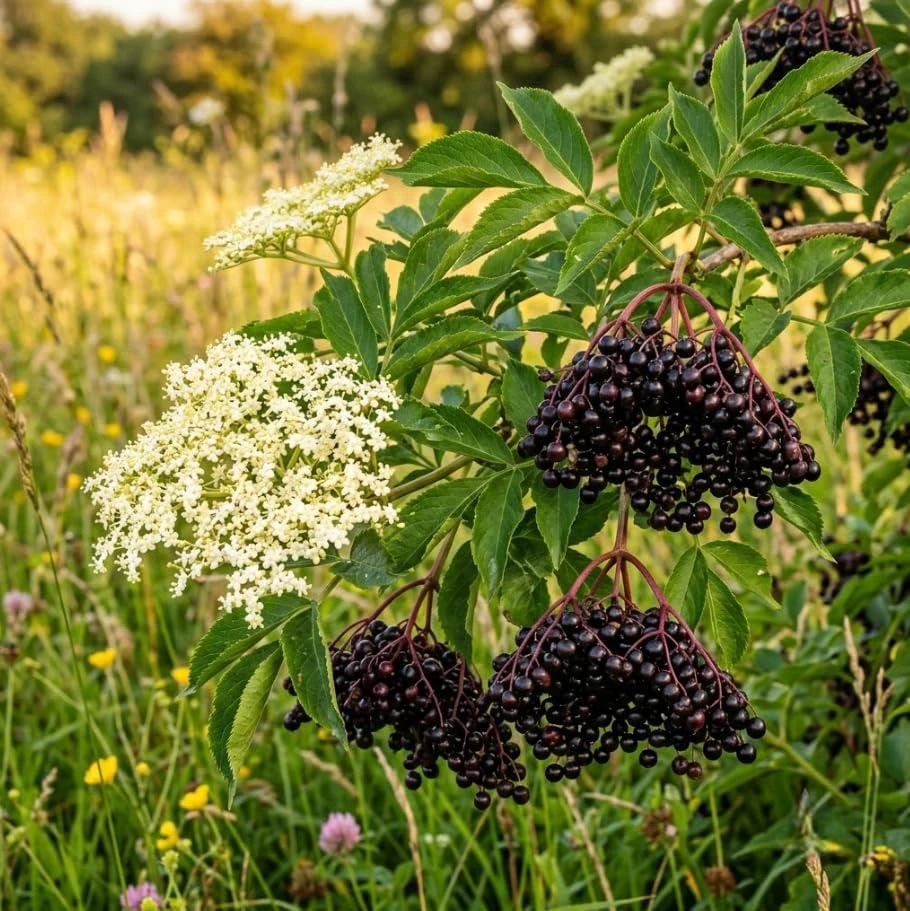
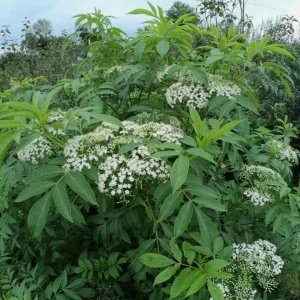
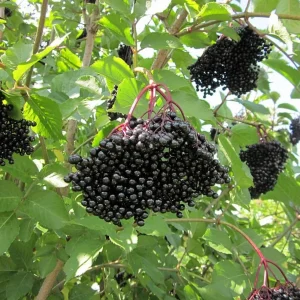
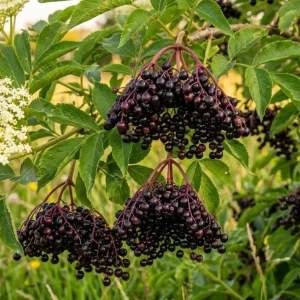
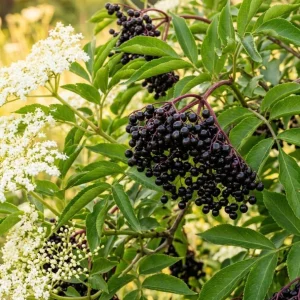
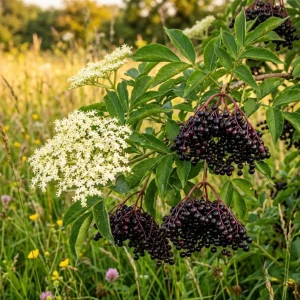
Known for its attractive foliage, delicate white flower clusters in spring, and abundant dark purple berries in late summer, the American Elderberry plant offers year-round interest. Whether you’re looking to create a natural hedgerow, enhance a garden border, or simply add a productive and ornamental shrub to your yard, this elderberry is an ideal selection. Its resilience across various climates and soil conditions ensures a rewarding growing experience, culminating in a harvest of delicious fruit perfect for jams, jellies, pies, and beverages.
Key Benefits
Choosing to cultivate an American Elderberry plant brings a multitude of advantages to your garden and home. This remarkable shrub provides both aesthetic appeal and practical benefits, enriching your outdoor space in several ways:
- Abundant Berry Production: Enjoy a generous harvest of dark, nutrient-rich elderberries, perfect for making delicious pies, jams, jellies, and health-boosting syrups. The berries are a culinary delight and a fantastic source of antioxidants.
- Ecological Value: The white flower clusters attract pollinators like bees and butterflies, while the berries provide a vital food source for birds and other wildlife, enhancing your garden’s biodiversity.
- Landscape Versatility: Ideal for creating natural hedgerows, screening, or as an ornamental specimen plant in garden borders and mixed shrub beds. Its moderate size and attractive form make it suitable for various garden designs.
- Low Maintenance: Once established, this elderberry shrub is remarkably low-maintenance, tolerating a wide range of soil types and moisture levels. It’s an excellent choice for gardeners seeking a productive yet easy-to-care-for plant.
- Hardiness & Adaptability: Thrives across many USDA zones, demonstrating excellent cold hardiness and heat tolerance. It adapts well to different light conditions, from full sun to partial shade.
- Medicinal Properties: Elderberries and elderflowers have been traditionally used for their potential immune-boosting and anti-inflammatory properties, making this a valuable addition to a home apothecary.
Plant Care & Growing Tips
Caring for your American Elderberry plant is straightforward, ensuring a healthy and productive shrub for years to come. These plants are known for their resilience, but providing optimal conditions will maximize berry yield and overall vigor. Elderberries prefer a location with full sun to partial shade, meaning at least 4-6 hours of direct sunlight daily. While they tolerate some shade, more sun generally leads to more abundant flowering and fruiting. They are adaptable to a wide range of soil types but thrive best in moist, well-draining soil with a slightly acidic to neutral pH (6.0-7.0).
Consistent watering is crucial, especially during dry spells and in the first year of establishment. Aim to keep the soil consistently moist but not waterlogged. Once mature, elderberries are somewhat drought-tolerant but will perform best with regular moisture. A layer of mulch around the base of the plant will help retain soil moisture, suppress weeds, and regulate soil temperature. Fertilize in early spring with a balanced slow-release fertilizer or compost to promote healthy growth and fruit production. Pruning is best done in late winter or early spring while the plant is dormant. Remove any dead, damaged, or weak canes, and thin out older canes to encourage new growth and better air circulation. This helps maintain the health and productivity of your Sambucus nigra plant.
The American Elderberry plant is generally hardy and disease-resistant. Keep an eye out for common garden pests like aphids, which can be managed with insecticidal soap. Ensure good air circulation to prevent fungal issues. With proper care, your elderberry shrub will flourish, providing beauty and bountiful harvests. For those wondering how to grow elderberry successfully, remember that consistent moisture, adequate sunlight, and occasional pruning are key.
Size & Details
Each American Elderberry plant you receive is a live, vigorous specimen, ready for planting. It arrives healthy and established in a durable quart-sized nursery pot, ensuring its roots are well-protected during transit and prepared for transplanting. The plants typically stand between 7 to 12 inches tall from the base of the pot, providing a good head start for growth in your garden. Elderberries are fast-growing shrubs, and with optimal conditions, they can reach a mature height of 6-12 feet tall and wide, forming a dense, multi-stemmed bush. Expect your plant to begin producing flowers and berries within 1-2 years after planting, with full production typically by the third year.
These plants are shipped with care to ensure they arrive in excellent condition, ready to be integrated into your landscape. The quart pot size makes them easy to handle and transplant. This particular variety, Sambucus nigra plant, is known for its robust growth habit and cold hardiness. It’s an ideal choice for creating a productive and attractive feature in your yard, whether you’re looking for an individual specimen or planning to plant a hedgerow. Understanding how to grow elderberry effectively involves appreciating its natural growth patterns and providing space for its eventual mature size.
Frequently Asked Questions
- Q: How big does this plant get? A: The American Elderberry plant typically grows to a mature height and spread of 6-12 feet. Your plant arrives 7-12 inches tall in a quart pot, giving it a great start to reach its full potential in your garden.
- Q: What size pot does it come in? A: Each American Elderberry plant is shipped in a quart-sized nursery pot, providing a healthy root system and making it easy to transplant into your garden or a larger container.
- Q: Is this an indoor or outdoor plant? A: This is primarily an outdoor plant, suited for landscapes, gardens, and hedgerows. While young plants can be temporarily kept indoors in a bright spot, they thrive and produce best when planted outdoors.
- Q: How much sunlight does it need? A: The elderberry shrub prefers full sun to partial shade, ideally receiving at least 4-6 hours of direct sunlight per day for optimal growth and fruit production.
- Q: Is this plant easy to care for? A: Yes, the American Elderberry plant is considered easy to care for and is very adaptable. It’s a great choice for beginners looking to grow elderberry with minimal fuss once established.
- Q: What condition will it arrive in? A: Your American Elderberry plant will arrive healthy, well-established, and ready for planting. We take great care in packaging to ensure its safe journey.
- Q: When is the best time to plant? A: Elderberries can be planted in spring after the last frost or in early fall before the ground freezes. Spring planting is generally recommended for best establishment.
- Q: Can I use the berries for cooking? A: Absolutely! The dark berries from the American Elderberry plant are excellent for making jams, jellies, pies, syrups, and even wine. Ensure they are cooked before consumption.
- Q: Will it survive winter in my zone? A: The American Elderberry plant is remarkably cold hardy and can thrive in USDA Zones 3-9, making it suitable for a wide range of climates across the United States.
- Q: What’s the best soil type for this plant? A: This elderberry shrub prefers moist, well-draining soil, ideally with a slightly acidic to neutral pH. It adapts well to various soil conditions but avoids overly wet or extremely dry areas.


Reviews
There are no reviews yet.