Overview
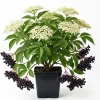
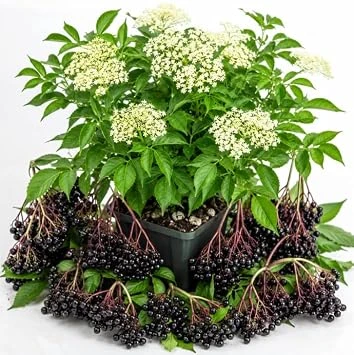
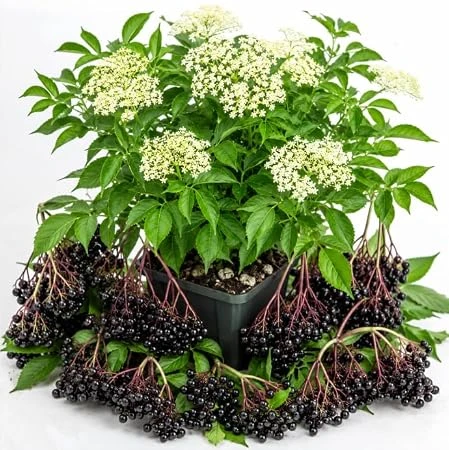
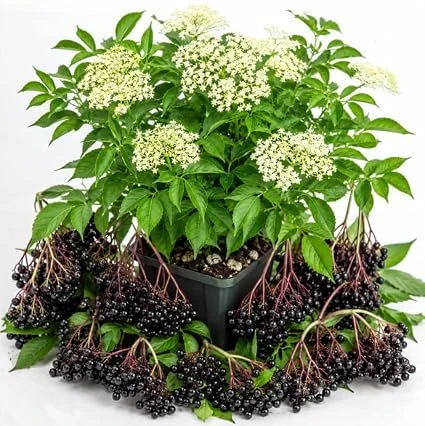
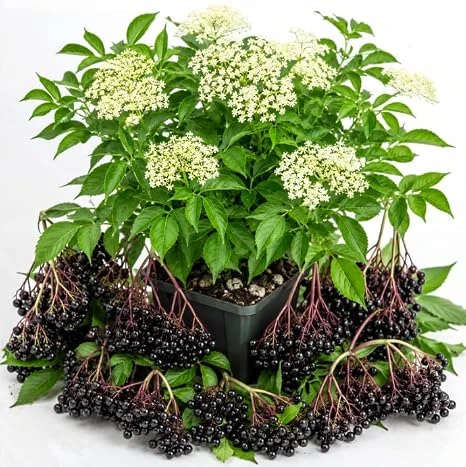
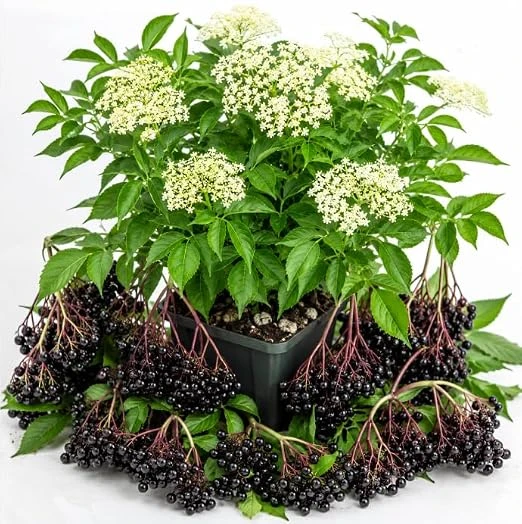
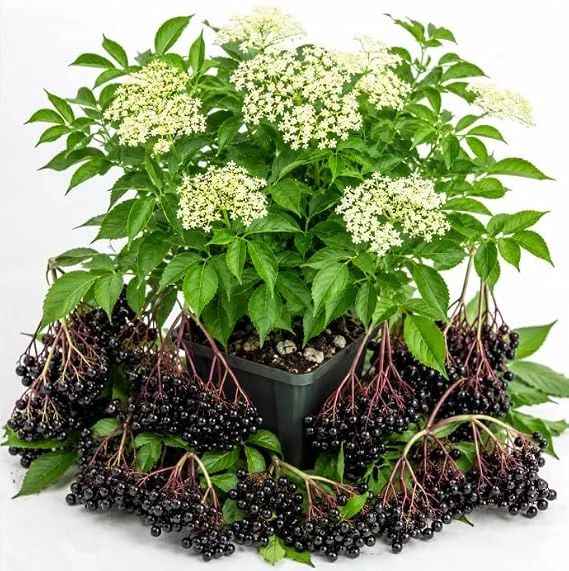
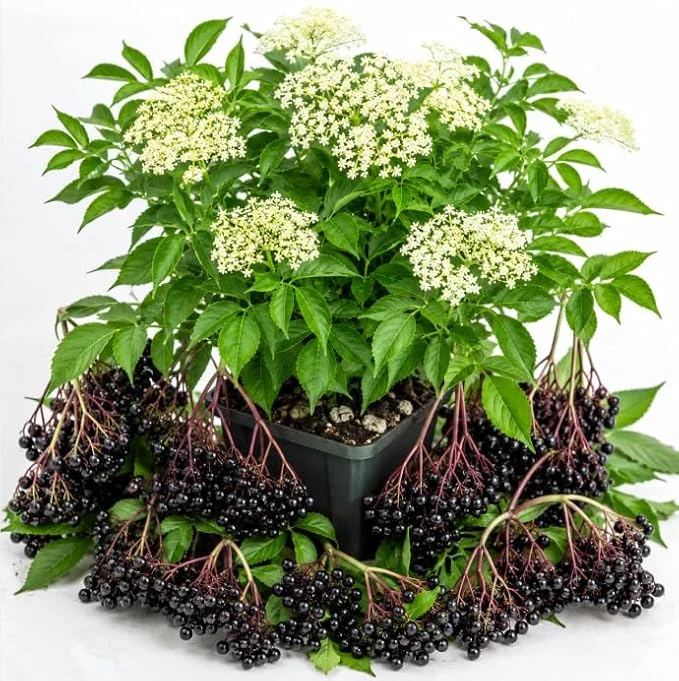
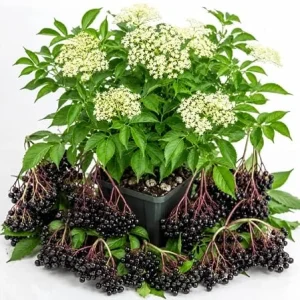
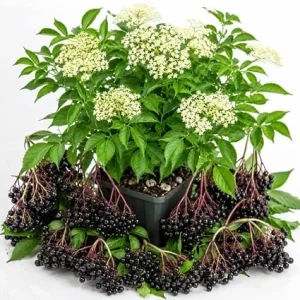
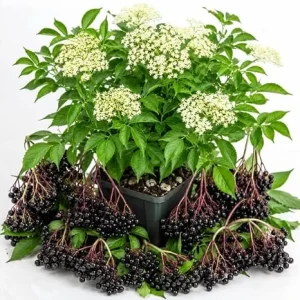
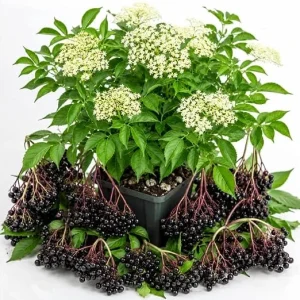
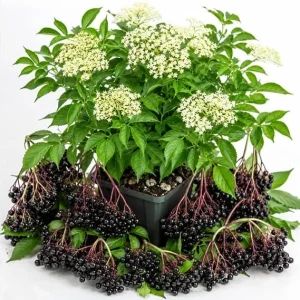
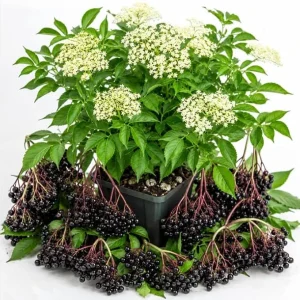
Discover the versatile and rewarding black elderberry plant, scientifically known as Sambucus nigra. This particular variety is the beloved american elderberry, a resilient and native shrub cherished for its ornamental beauty and prolific production of dark, nutrient-dense berries. Each offering is for a healthy, vibrant live plant, carefully grown and established in a quart-sized pot, standing proudly at 7 to 12 inches tall. Ready for immediate integration into your garden or landscape, this plant promises to be a delightful addition, bringing both aesthetic appeal and a bountiful harvest. The black elderberry plant is a fantastic choice for those looking to add a functional and beautiful native species to their outdoor space. It’s an excellent option for anyone interested in how to grow elderberry at home.
The american elderberry is a deciduous shrub that is well-adapted to a wide range of climates and soil conditions, making it a low-maintenance choice for gardeners of all experience levels. Its lush green foliage provides a beautiful backdrop throughout the growing season, culminating in clusters of small, fragrant white flowers in late spring to early summer, which then transform into the iconic dark purple to black berries. These berries are not only visually appealing but also highly sought after for their culinary and traditional medicinal uses. Planting an elderberry shrub is an investment in both your landscape’s beauty and your potential for homegrown produce.
Key Benefits
The black elderberry plant offers a multitude of benefits, making it an excellent choice for a wide array of landscapes and gardening goals. From its ecological contributions to its practical uses, this shrub is truly a garden powerhouse.
- Abundant Berry Production: Enjoy clusters of dark, nutrient-rich berries that are perfect for making jams, jellies, pies, wines, and syrups. The american elderberry is known for its generous yields, providing a sustainable source of delicious fruit.
- Ornamental Appeal: Beyond its fruit, the elderberry shrub boasts attractive foliage, delicate white flower clusters, and a robust growth habit, making it a beautiful addition to borders, hedgerows, or as a standalone specimen.
- Wildlife Attraction: The flowers attract pollinators like bees and butterflies, while the berries are a favorite food source for various bird species, enhancing biodiversity in your garden.
- Adaptable and Resilient: This plant thrives in a wide range of conditions, from full sun to partial shade, and tolerates various soil types and moisture levels, making it incredibly easy to care for and establish. It’s a great option if you want to grow elderberry in challenging spots.
- Erosion Control: Its strong root system helps stabilize soil, making it an excellent choice for planting on slopes or in areas prone to erosion.
- Low Maintenance: Once established, the black elderberry plant requires minimal care, making it ideal for busy gardeners or those new to growing fruit-bearing shrubs.
- Traditional Uses: Both the berries and flowers have a long history of use in traditional remedies and culinary applications, adding a historical and practical dimension to your garden.
Plant Care & Growing Tips
Caring for your black elderberry plant is straightforward, as these resilient shrubs are known for their adaptability and vigor. To ensure optimal growth and berry production, understanding their basic needs is key. Elderberries prefer a location with full sun to partial shade. For the best berry yields, aim for at least 6 hours of direct sunlight per day. While they can tolerate some shade, too much will reduce flowering and fruiting. They are highly adaptable to various soil types but prefer rich, well-draining soil with a pH between 5.5 and 6.5. Amending heavy clay soils with organic matter will improve drainage and aeration, which is crucial for healthy root development for your american elderberry.
Watering should be consistent, especially during the first year of establishment and during dry spells. Keep the soil consistently moist but not waterlogged. Once established, elderberries are relatively drought-tolerant but will benefit from supplemental watering during prolonged dry periods to ensure a good harvest. Fertilization is generally not heavily required; a balanced, all-purpose fertilizer in early spring can encourage vigorous growth and fruiting. Pruning is best done in late winter or early spring while the plant is dormant. Remove any dead, damaged, or weak canes, and thin out older, less productive canes to encourage new growth. This helps maintain the shrub’s shape and promotes better air circulation, which can reduce disease risk. The elderberry shrub is hardy in USDA zones 3-9, tolerating a broad range of temperatures.
Size & Details
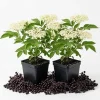
This offering is for one robust black elderberry plant, specifically the american elderberry (Sambucus nigra), arriving as a healthy, live specimen. Each plant is well-rooted and established in a quart-sized nursery pot, ensuring a smooth transition to your garden. At the time of shipment, the plants stand approximately 7 to 12 inches tall, measured from the soil line, offering a substantial start for your landscape. Elderberries are known for their relatively fast growth rate, and with proper care, this shrub can reach a mature height of 6-12 feet tall and wide, forming a dense, multi-stemmed bush. Expect your plant to begin producing berries within 1-2 years of planting, with increasing yields as it matures. The plant is shipped in its nursery pot with soil, carefully packaged to protect it during transit and ensure it arrives ready to thrive. This size is ideal for planting directly into your garden or for potting up into a larger container temporarily before permanent placement. Knowing how to grow elderberry starts with a healthy specimen like this.
Frequently Asked Questions
- Q: How big does this plant get? A: This black elderberry plant typically grows to a mature height and width of 6 to 12 feet, forming a dense, multi-stemmed shrub. Its final size can be influenced by growing conditions and pruning.
- Q: What size pot does it come in? A: Each american elderberry plant is shipped in a quart-sized nursery pot, approximately 4.5 inches in diameter and 5 inches deep, containing a well-established root system and soil.
- Q: Is this an indoor or outdoor plant? A: This elderberry shrub is an outdoor plant, best suited for planting in your garden, yard, or landscape where it can receive adequate sunlight and space to grow. It is not recommended as an indoor houseplant.
- Q: How much sunlight does it need? A: For optimal growth and the best berry production, the black elderberry plant prefers full sun (at least 6 hours of direct sunlight per day). It can tolerate partial shade, but berry yields may be reduced.
- Q: Is this plant easy to care for? A: Yes, elderberry plants are known for being relatively easy to care for and are quite adaptable. They are a good choice for both beginner and experienced gardeners looking to grow elderberry.
- Q: What condition will it arrive in? A: Your black elderberry plant will arrive healthy and well-established in its quart pot, carefully packaged to ensure it withstands transit and is ready to thrive upon arrival.
- Q: When is the best time to plant? A: The best time to plant your american elderberry is in spring after the last frost, or in early fall. This allows the plant to establish its root system before extreme weather.
- Q: Will it survive winter in my zone? A: The elderberry shrub is remarkably cold hardy, typically thriving in USDA Hardiness Zones 3 through 9, making it suitable for a wide range of climates across the US.
- Q: Can I use the berries for cooking? A: Yes, the berries from the black elderberry plant are edible after cooking and are commonly used to make jams, jellies, pies, syrups, and wines. They should not be eaten raw.
- Q: What is the typical growth rate? A: Elderberry plants have a moderate to fast growth rate, often putting on 1-3 feet of growth per year once established. You can expect to see significant development in the first few seasons.


Reviews
There are no reviews yet.