Overview
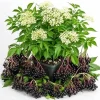
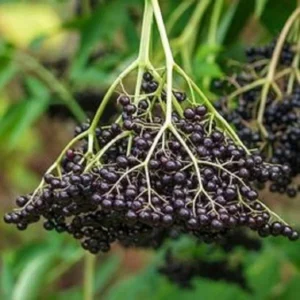
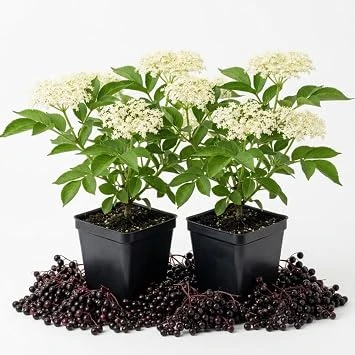
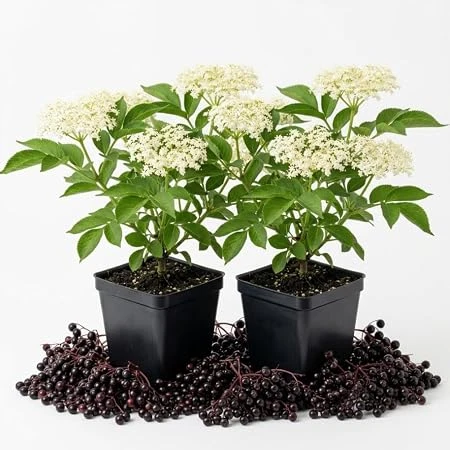
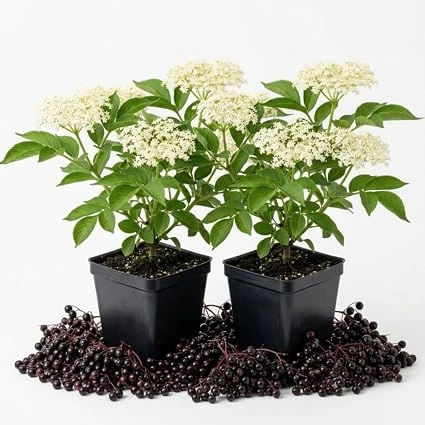
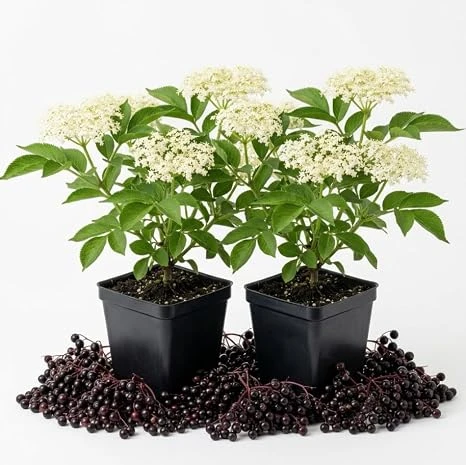
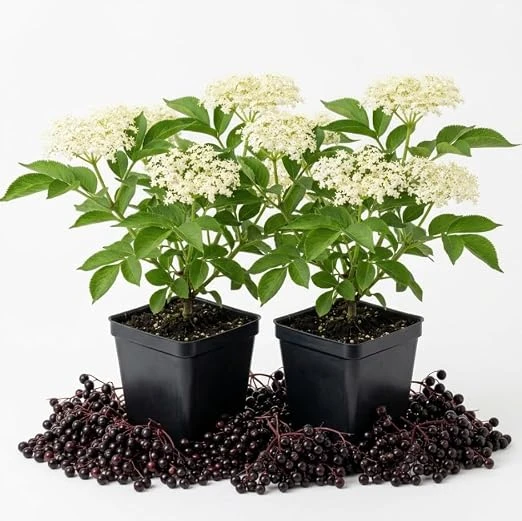
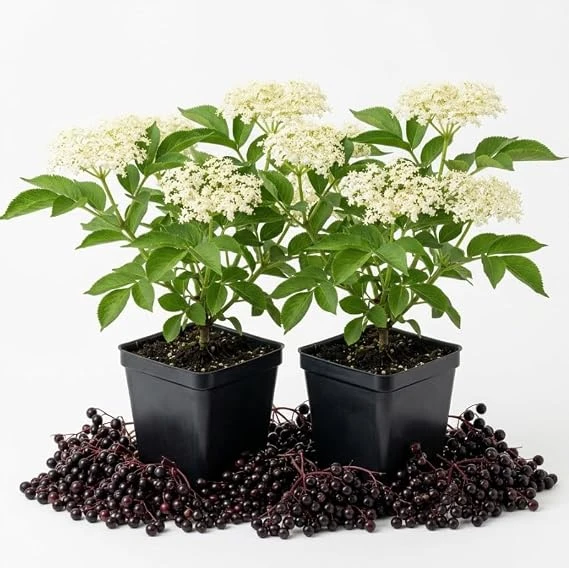
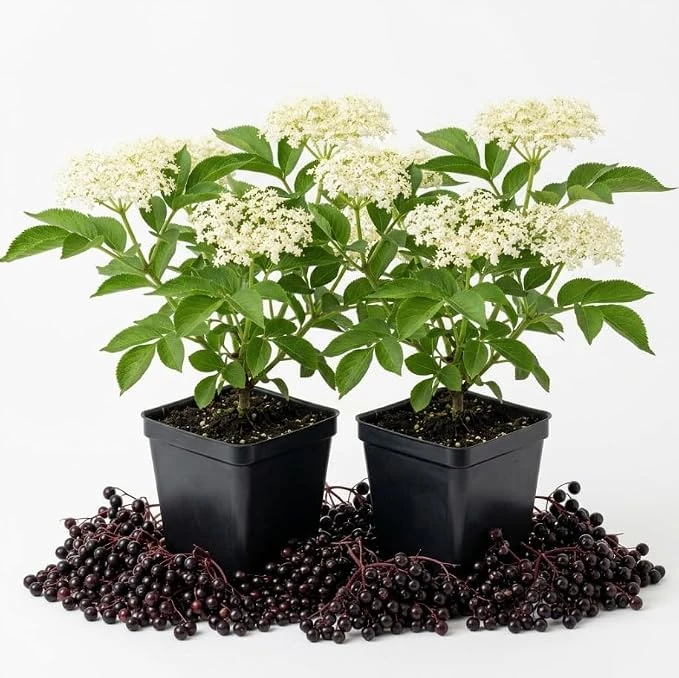
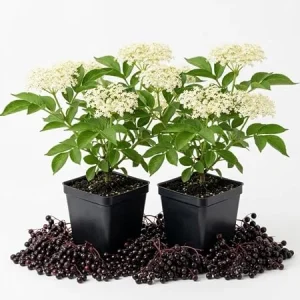
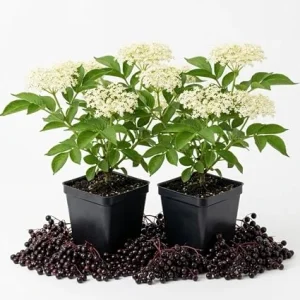
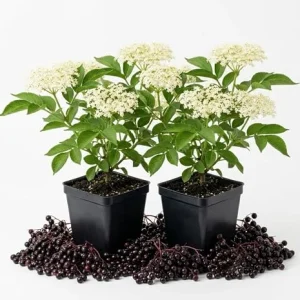
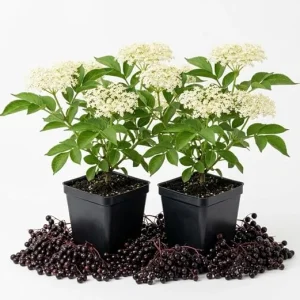
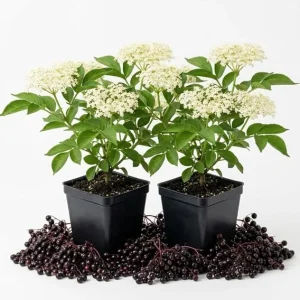
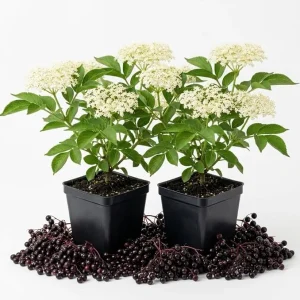
Bring the beauty and bounty of nature to your garden with this pack of 2 Black Elderberry live plant. These robust American Elderberry shrubs, scientifically known as Sambucus nigra, are renowned for their ornamental appeal and prolific production of dark, nutrient-rich berries. Each plant arrives healthy and well-established in a quart-sized pot, standing between 7 to 12 inches tall, ensuring a strong start in your landscape. The black elderberry live plant is a versatile and resilient addition, perfect for gardeners looking to add both aesthetic value and a source of delicious fruit to their outdoor spaces. Discover the joy of growing your own elderberries, a traditional and cherished plant.
The american elderberry shrub is a deciduous plant, celebrated for its clusters of creamy white flowers in spring, which mature into abundant dark purple to black berries in late summer. These berries are highly sought after for making jams, jellies, wines, and syrups, offering a delightful flavor and numerous health benefits. Whether you’re an experienced gardener or just starting, these easy-to-grow plants will provide years of enjoyment and harvest. Plant them in hedgerows, as part of a naturalized landscape, or as a striking focal point in your yard. The sambucus nigra plant adapts well to various conditions, making it a rewarding choice for many regions.
Key Benefits
Adding a black elderberry live plant to your garden offers a multitude of advantages, from its visual appeal to its practical uses. These shrubs are not only beautiful but also highly productive, providing a sustainable source of berries for your home. Here are some of the key benefits you’ll enjoy:
- Abundant Berry Production: The primary benefit of these elderberry berry plants is their generous yield of dark, nutritious berries. These berries are excellent for culinary uses, allowing you to create homemade syrups, pies, and preserves.
- Ornamental Appeal: Beyond their fruit, these plants offer significant aesthetic value. They feature attractive foliage, delicate white flower clusters in spring, and vibrant dark berries in late summer, enhancing any garden design.
- Pollinator Friendly: The fragrant flowers of the american elderberry shrub attract a variety of pollinators, including bees and butterflies, contributing to a healthier and more biodiverse ecosystem in your garden.
- Hardy and Adaptable: These elderberry plants are known for their resilience. They can tolerate a wide range of soil types and moisture levels and are generally easy to care for, making them suitable for many different growing environments.
- Versatile Landscape Use: Ideal for creating natural hedgerows, adding to wildlife gardens, or incorporating into mixed borders, the sambucus nigra plant offers flexibility in landscape design. Its medium size makes it suitable for various garden scales.
- Wildlife Attraction: The berries are a favorite food source for many bird species, providing natural sustenance and encouraging local wildlife to visit your garden.
- Traditional & Medicinal Uses: Elderberries have a long history of use in traditional medicine, valued for their potential immune-boosting properties and rich antioxidant content.
Plant Care & Growing Tips
Caring for your black elderberry live plant is straightforward, making it an excellent choice for gardeners of all experience levels. These plants are quite resilient, but providing optimal conditions will ensure a bountiful harvest and healthy growth. For successful growing elderberry, consider the following guidelines:
Sunlight Requirements: Elderberry plants thrive in full sun to partial shade. For the best berry production, aim for at least 6 hours of direct sunlight per day. While they can tolerate some shade, too much will reduce flowering and fruiting. Position your american elderberry shrub in a location that receives ample morning sun, with some protection from intense afternoon heat in hotter climates.
Watering Schedule and Soil Moisture: These plants prefer consistently moist soil, especially during their establishment period and during dry spells. Water deeply once or twice a week, allowing the top inch or two of soil to dry out slightly between waterings. Avoid waterlogging, as this can lead to root rot. Once established, elderberries are relatively drought-tolerant but will perform best with regular moisture. The sambucus nigra plant appreciates good drainage.
Soil Type and Drainage: Elderberries are adaptable to a wide range of soil types, but they prefer rich, well-draining loam with a slightly acidic to neutral pH (6.0-7.0). Amend heavy clay soils with organic matter like compost to improve drainage and fertility. For sandy soils, adding compost will help retain moisture and nutrients. Ensure the planting site has good drainage to prevent water accumulation around the roots.
Temperature Range and USDA Hardiness Zone: These elderberry berry plants are quite cold-hardy and generally thrive in USDA Zones 3-9. They can tolerate winter temperatures well below freezing. In warmer zones, ensure they receive adequate moisture and some afternoon shade to prevent stress. They require a period of cold dormancy to produce fruit effectively.
Fertilization Schedule: Fertilize your elderberry plants in early spring before new growth begins. Use a balanced slow-release fertilizer or an organic compost spread around the base of the plant. Avoid over-fertilizing, which can lead to excessive foliage growth at the expense of berry production. A soil test can help determine specific nutrient deficiencies.
Common Problems and Solutions: Elderberries are generally pest and disease resistant. However, watch out for common garden pests like aphids, which can be treated with insecticidal soap. Leaf spot diseases can occur in humid conditions; ensure good air circulation and avoid overhead watering to minimize risk. Pruning dead or diseased branches promptly helps maintain plant health. Regular inspections will help catch any issues early for your black elderberry live plant.
Size & Details
This offering includes a pack of 2 Black Elderberry live plant, each ready to establish itself in your garden. These young shrubs arrive in quart-sized pots, ensuring their root systems are well-developed and prepared for transplanting. Each plant stands approximately 7 to 12 inches tall, a perfect size for easy handling and rapid growth once planted. The american elderberry shrub has a moderate growth rate, typically reaching a mature height of 5 to 12 feet tall and a similar spread, depending on the variety and growing conditions. They can be pruned to maintain a more compact size or allowed to grow into a larger, more naturalized form.
Upon arrival, your sambucus nigra plant will be in actively growing condition, carefully packaged to minimize stress during transit. Expect to see flowers and berries within 1-2 years of planting, with increasing yields as the plant matures. The berries ripen in late summer, typically from August to September, offering a seasonal harvest. These elderberry berry plants are shipped in their nursery pots, allowing for a smooth transition to your garden soil. They will benefit from immediate planting upon arrival to minimize transplant shock and encourage vigorous growth.
Frequently Asked Questions
- Q: How big does this plant get? A: A mature black elderberry live plant typically grows to a height of 5 to 12 feet and can spread similarly. Its final size depends on growing conditions and whether it is pruned.
- Q: What size pot does it come in? A: Each elderberry plant in this pack arrives healthy and well-rooted in a quart-sized nursery pot, standing 7 to 12 inches tall.
- Q: Is this an indoor or outdoor plant? A: The american elderberry shrub is primarily an outdoor plant, best suited for gardens and landscapes where it can receive adequate sunlight and space to grow. It is not recommended as an indoor houseplant.
- Q: How much sunlight does it need? A: For optimal growth and berry production, the sambucus nigra plant requires full sun (at least 6 hours of direct sunlight daily) to partial shade. More sun generally leads to more berries.
- Q: Is this plant easy to care for? A: Yes, elderberry plants are considered relatively easy to care for, making them suitable for beginners. They are adaptable to various soil types and are generally hardy and resistant to most pests and diseases.
- Q: What condition will it arrive in? A: Your pack of 2 Black Elderberry live plant will arrive healthy, well-established, and actively growing in its quart-sized pot, carefully packaged to ensure safe transit.
- Q: Can I use the berries from this plant in cooking? A: Absolutely! The berries from the elderberry berry plants are excellent for making jams, jellies, pies, syrups, and wine. Ensure berries are cooked before consumption.
- Q: How long until it blooms? A: You can typically expect the elderberry plants to start blooming and producing berries within 1 to 2 years after planting, with yields increasing as the plants mature.
- Q: When is the best time to plant? A: The best time to plant your elderberry shrubs is in early spring or fall when temperatures are moderate. This allows the roots to establish before extreme heat or cold.
- Q: Will it survive winter in my zone? A: These American Elderberry plants are hardy in USDA Zones 3-9, meaning they can tolerate a wide range of winter temperatures and are well-suited for many climates across the US.


Reviews
There are no reviews yet.