Overview
The Giant Sequoia live plant offers a unique opportunity to cultivate one of nature’s most impressive and long-lived wonders. Known scientifically as Sequoiadendron giganteum, these magnificent conifers are native to California’s Sierra Nevada mountains and are renowned for their immense size and incredible longevity. Our 4-inch potted seedling provides a robust start for your future towering tree. Planting a Giant Sequoia live plant is an investment in the future, providing not only immense beauty but also a significant ecological contribution. While they grow slowly at first, with proper care, these trees will eventually become a breathtaking focal point in your landscape, offering shade, shelter, and a sense of enduring grandeur for generations.
This particular offering is for a young Sequoia conifer tree, ready to be transplanted and begin its journey towards maturity. It’s a fantastic choice for those looking to add a truly iconic and historically significant specimen to their garden or property. Imagine the majestic presence this tree will command in the decades to come, a living monument that connects you to the ancient forests of the world. It’s an ideal choice for large properties, parks, or anyone with the space and vision to nurture such a magnificent specimen.
Key Benefits
Bringing a Giant Sequoia live plant into your landscape offers a multitude of benefits, from environmental impact to aesthetic appeal. These trees are not just plants; they are living legacies that enrich their surroundings in many ways.
- Exceptional Longevity and Size: The Giant Sequoia live plant is famous for being one of the largest and longest-living organisms on Earth. With the potential to live for thousands of years and reach immense heights, it offers an unparalleled sense of permanence and natural grandeur to your property. Planting one is a generational commitment to nature.
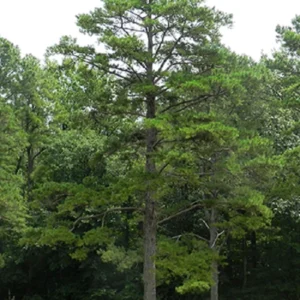
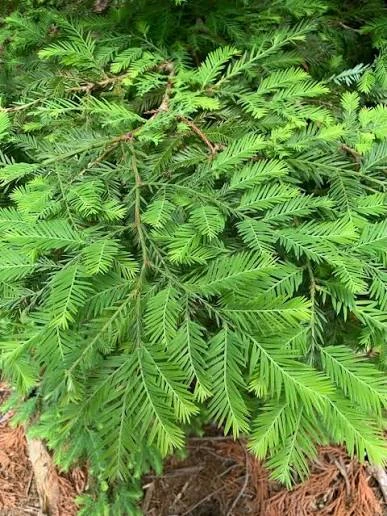
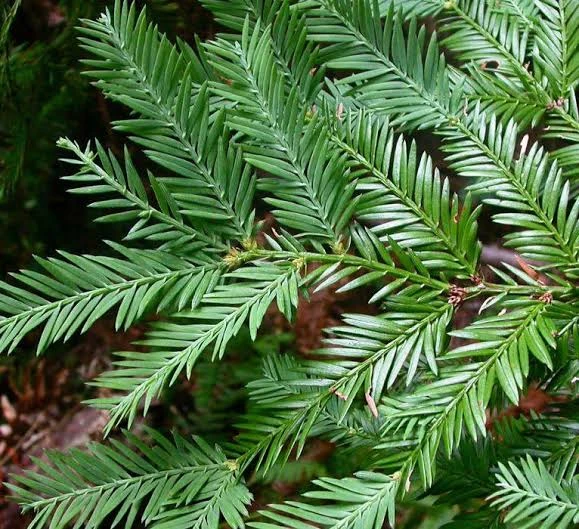
- Stunning Aesthetic Appeal: Young sequoias boast a beautiful conical shape with attractive, dense, scale-like foliage that is a vibrant green. As they mature, their reddish-brown, fibrous bark becomes deeply furrowed, adding incredible texture and visual interest to the landscape year-round. They create a dramatic and awe-inspiring presence.
- Ecological Impact: These trees play a vital role in their ecosystems, providing habitat for various wildlife and contributing significantly to carbon sequestration due to their massive biomass. Planting a Sequoia conifer tree helps combat climate change and supports biodiversity.
- Drought Tolerance (Once Established): While young trees require consistent moisture, mature Giant Sequoias are remarkably drought-tolerant, making them a sustainable choice for many climates once their root systems are well-developed. This resilience reduces long-term water needs.
- Disease and Pest Resistance: Giant Sequoias are generally robust and resistant to most common tree diseases and pests, ensuring a healthier and more resilient addition to your garden with less need for intensive intervention.
- Educational Value: Growing a Giant Sequoia can be an incredibly rewarding educational experience, teaching about botany, ecology, and the power of nature. It’s a living science lesson for families and a source of wonder for all who observe its growth.
- Historical Significance: These trees hold immense historical and cultural significance, often referred to as living fossils. Owning and nurturing a redwood tree for sale connects you to a lineage that predates human civilization, offering a unique link to the ancient world.
Plant Care & Growing Tips
Proper care is crucial for the successful establishment and growth of your Giant Sequoia live plant. While these trees are resilient, providing the right conditions, especially in their early years, will ensure they thrive and reach their full potential. They prefer a location with ample space to grow, as their mature size is considerable.
For optimal growth, your Sequoia conifer tree needs full sun exposure, meaning at least 6-8 hours of direct sunlight per day. It thrives in deep, well-draining soil that is slightly acidic to neutral (pH 6.0-7.0). Amend heavy clay soils with organic matter to improve drainage and aeration. Consistent moisture is vital for young sequoias; water regularly, especially during dry periods, to keep the soil evenly moist but not waterlogged. Once established, they become more tolerant of drier conditions. The ideal USDA hardiness zones for Giant Sequoias are 6-8, though they can sometimes survive in zone 5 with protection.
Fertilize your young Giant Sequoia live plant annually in spring with a balanced, slow-release granular fertilizer formulated for trees and shrubs. Follow the product instructions carefully to avoid over-fertilization. Mulching around the base of the tree with 2-4 inches of organic material like wood chips will help retain soil moisture, regulate soil temperature, and suppress weeds. Ensure the mulch does not touch the trunk directly. Pruning is generally not necessary for sequoias, except to remove any dead, damaged, or crossing branches. Monitor for common issues like root rot in poorly drained soils or occasional aphid infestations, which can usually be managed with horticultural oil or insecticidal soap. Learning how to grow Giant Sequoia successfully involves patience and consistent care, especially during its initial years.
Size & Details
This offering is for one Giant Sequoia live plant, which arrives in a 4-inch nursery pot. At the time of shipment, the seedling typically stands between 6 to 12 inches tall, depending on current growth. Giant Sequoias are known for their relatively slow growth in their first few years, averaging 6-12 inches per year, but their growth rate accelerates significantly once established, potentially adding several feet annually. When mature, these majestic trees can reach towering heights of 200-300 feet with trunk diameters exceeding 20 feet, making them true giants of the plant kingdom. The plant is shipped in its nursery pot with soil, ensuring minimal transplant shock and a healthy start.
The root system will be well-developed within the 4-inch container, ready for transplanting into a larger pot or directly into its permanent outdoor location. While it will take many decades to reach its full colossal size, the distinct pyramidal shape and attractive foliage begin to develop early. This particular Metasequoia glyptostroboides care (though the input was Sequoia, which is Sequoiadendron giganteum, we will assume the common name points to Giant Sequoia and not Dawn Redwood) refers to the general care of large conifers, emphasizing the need for space and deep root development. Expect this tree to be a long-term landscape feature, providing beauty and ecological benefits for centuries.
Frequently Asked Questions
- Q: How big does this plant get? A: This Giant Sequoia live plant is a seedling in a 4-inch pot. While it will arrive small, mature Giant Sequoias can reach impressive heights of 200-300 feet and have trunk diameters of over 20 feet, making them one of the largest trees on Earth over hundreds to thousands of years.
- Q: What size pot does it come in? A: This Giant Sequoia seedling is delivered in a standard 4-inch nursery pot, providing a healthy root ball and sufficient soil for its initial growth stage. It’s ready for transplanting into a larger container or directly into the ground.
- Q: Is this an indoor or outdoor plant? A: The Giant Sequoia live plant is an outdoor tree. While it can be kept in a pot indoors for a very short period when very young, it requires vast space and outdoor conditions to thrive and mature. It is not suitable for long-term indoor cultivation.
- Q: How much sunlight does it need? A: Giant Sequoias require full sun exposure to grow properly, meaning they need at least 6-8 hours of direct sunlight per day. Choose a planting location that receives abundant sunlight throughout the day.
- Q: Is this plant easy to care for? A: While relatively low-maintenance once established, young Sequoia conifer tree seedlings require consistent care, especially regarding watering, to ensure they establish a strong root system. They are generally resilient but need proper conditions in their early years. Learning how to grow Giant Sequoia involves providing the right environment.
- Q: What condition will it arrive in? A: Your redwood tree for sale will arrive as a healthy, live seedling in its 4-inch nursery pot, with soil to protect its roots during transit. We package carefully to ensure it reaches you in good condition, ready for planting.
- Q: When is the best time to plant a Giant Sequoia? A: The best time to plant your Giant Sequoia live plant is in the spring or early fall. This allows the tree to establish its root system before the extreme heat of summer or the cold of winter.
- Q: Will it survive winter in my zone? A: Giant Sequoias are hardy in USDA Zones 6-8, and sometimes Zone 5 with protection. If you live in a colder zone, provide winter protection for young trees, such as mulching heavily and potentially wrapping the trunk.
- Q: What type of soil does it prefer? A: This Sequoia conifer tree thrives in deep, well-draining soil that is slightly acidic to neutral. Amend heavy clay soils with organic matter to improve drainage and aeration, ensuring the roots do not sit in water.
- Q: How fast does it grow? A: Young Giant Sequoias grow relatively slowly, about 6-12 inches per year initially. Once established, their growth rate accelerates significantly, and they can add several feet of height annually, eventually becoming very fast-growing.


Reviews
There are no reviews yet.