Overview
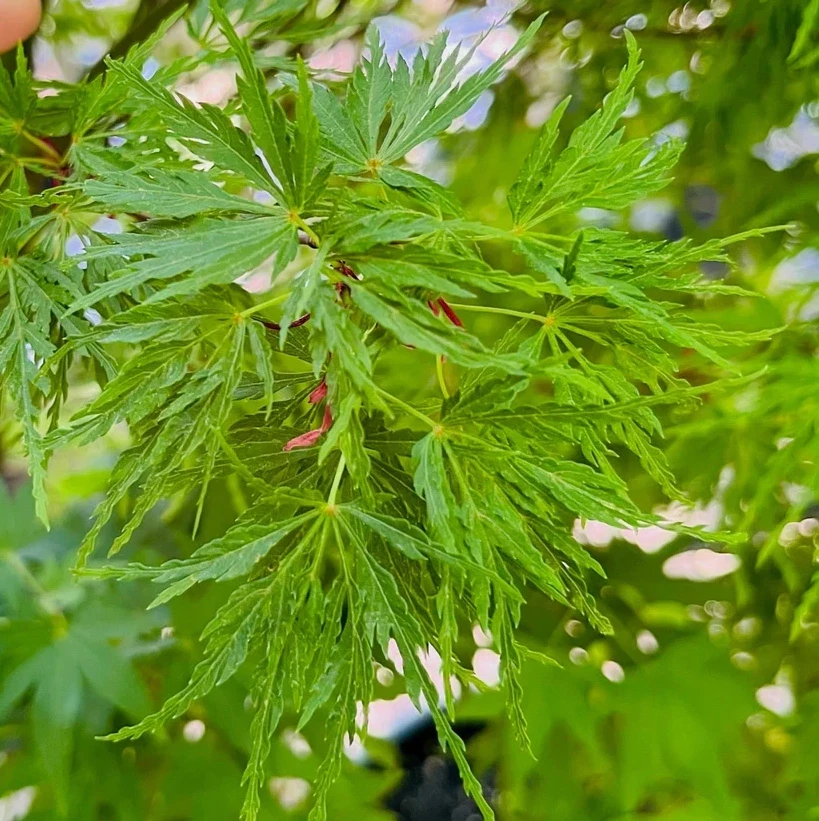
The Seiryu Japanese Maple is a truly exceptional deciduous tree, prized for its distinctive upright growth habit and delicate, finely dissected foliage. Unlike many other dissectum (cut-leaf) Japanese Maples that tend to weep, ‘Seiryu’ stands tall and proud, making it a focal point in any garden or landscape. Its vibrant green leaves provide a refreshing display throughout spring and summer, eventually transitioning into a breathtaking tapestry of fiery reds and oranges in autumn. This live plant is a perfect choice for those seeking a unique ornamental tree that combines elegance with a graceful form. Known botanically as Acer palmatum ‘Seiryu’, this cultivar is a must-have for collectors and garden enthusiasts alike, offering year-round visual interest and a serene presence.
This particular offering is for a healthy Seiryu Japanese Maple tree, ready to be planted and admired. It’s a robust specimen, carefully nurtured to ensure it thrives in its new home. Its unique characteristics, such as its airy texture and upright stature, distinguish it from other varieties. Whether you’re a seasoned gardener or just starting, this tree promises to be a rewarding addition, providing beauty and tranquility for many years to come.
Key Benefits
The Seiryu Japanese Maple offers a multitude of benefits, making it a highly sought-after specimen for various garden designs and landscapes. Its unique attributes contribute significantly to its appeal and value.
- Exceptional Ornamental Value: The ‘Seiryu’ cultivar stands out with its finely dissected, lace-like green leaves that provide an airy, delicate texture throughout the growing season. Its upright, vase-shaped form creates an elegant silhouette, adding significant aesthetic appeal to any setting.
- Stunning Seasonal Color: Experience a dramatic transformation each autumn as the leaves shift from vibrant green to brilliant shades of gold, orange, and fiery red. This spectacular display ensures continuous visual interest and makes the Seiryu Japanese Maple a standout feature in the fall garden.
- Unique Upright Growth Habit: Unlike many other dissectum Japanese Maples that have a weeping form, ‘Seiryu’ grows upright, making it a versatile choice for smaller gardens, courtyards, or as a striking specimen tree. This characteristic also allows for easier underplanting.
- Versatile Landscape Use: This dissectum Japanese Maple is well-suited for a variety of landscape applications, including specimen planting, accenting borders, rock gardens, or even growing in large containers on patios. Its moderate size makes it adaptable to different garden scales.
- Relatively Low Maintenance: Once established, the Seiryu Japanese Maple is fairly easy to care for, requiring minimal pruning to maintain its shape and health. It is generally resistant to most pests and diseases, simplifying garden upkeep.
- Adds Architectural Interest: The graceful branching structure and delicate foliage provide year-round architectural interest, especially in winter when its bare branches create intricate patterns against the sky.
- Enhances Biodiversity: While not a primary food source, the tree provides shelter and a natural habitat for various small birds and beneficial insects, contributing to a healthier garden ecosystem.
Plant Care & Growing Tips
Caring for your Seiryu Japanese Maple involves understanding its specific needs to ensure robust growth and vibrant seasonal color. Proper site selection and consistent care are crucial for the health of this beautiful tree. It thrives best in a location that receives partial shade, especially in hotter climates where direct afternoon sun can scorch its delicate leaves. Morning sun with afternoon shade is ideal, as it provides enough light for good coloration without causing stress. In cooler regions, it can tolerate more sun, but always ensure protection from intense midday heat. Adequate air circulation is also important to prevent fungal issues.
The ideal soil for a Japanese Maple tree is well-draining, slightly acidic to neutral (pH 6.0-7.0), and rich in organic matter. Heavy clay soils should be amended with compost or other organic materials to improve drainage. Conversely, sandy soils benefit from organic matter to help retain moisture. Consistent moisture is key, particularly during dry spells and in the first few years after planting. Water deeply and regularly, allowing the top inch or two of soil to dry out slightly between waterings. Avoid overwatering, which can lead to root rot. Mulching around the base of the tree with 2-3 inches of organic material like shredded bark or pine needles will help conserve soil moisture, regulate soil temperature, and suppress weeds. Fertilize sparingly in early spring with a balanced, slow-release granular fertilizer formulated for acid-loving plants, or use a liquid feed at half strength. Avoid fertilizing late in the season, as this can encourage new growth that is susceptible to frost damage.
The Seiryu Maple care routine also includes protection from harsh winter conditions in colder zones. While generally hardy, young trees can benefit from a protective wrap or burlap screen in areas with severe winter winds or extreme cold. Pruning is typically minimal, focused on removing dead, damaged, or crossing branches in late winter or early spring before new growth begins. Shaping can be done to enhance its natural upright form, but avoid heavy pruning, which can stress the tree. Monitor for common pests like aphids or scale, and treat with horticultural oil or insecticidal soap if necessary. Fungal diseases like powdery mildew can occur in humid conditions; ensure good air circulation and consider preventative fungicidal sprays if problems persist. Providing consistent care will ensure your upright Japanese Maple flourishes and provides years of beauty.
Size & Details
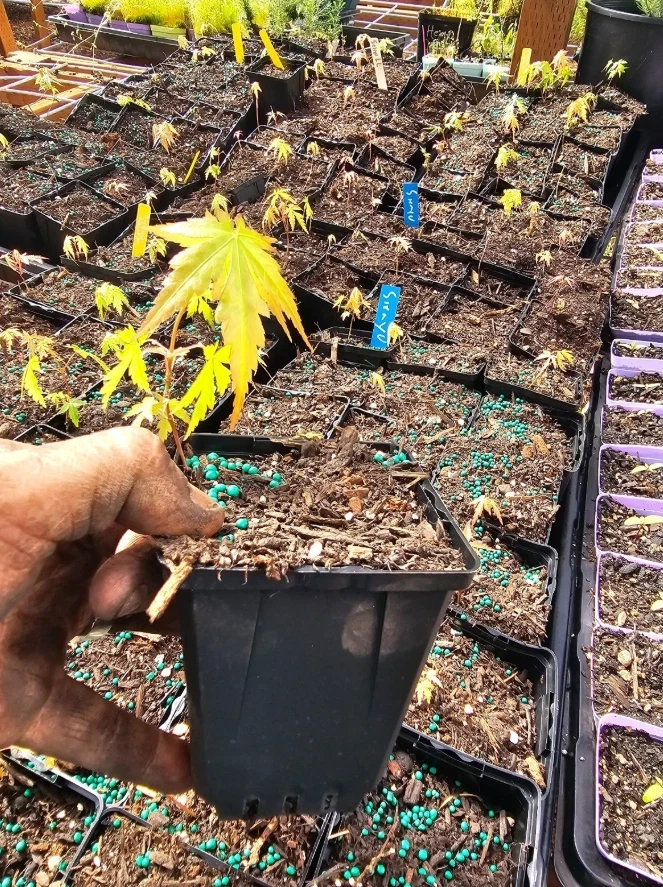
This Seiryu Japanese Maple live plant is supplied in a 4-inch nursery pot, providing a healthy root system ready for transplanting. At this stage, the plant typically measures approximately 8-12 inches in height from the soil line, though exact dimensions may vary slightly depending on the individual specimen. This variety is known for its moderate growth rate, eventually reaching a mature height of 10-15 feet with a spread of 6-10 feet over many years, forming an elegant, vase-shaped canopy. It is a deciduous tree, meaning it will shed its leaves in autumn and remain dormant through winter, displaying its attractive branch structure. The 4-inch pot size makes it an ideal starter plant for gardens, patios, or even as a bonsai subject. The tree ships carefully packaged to ensure its safe arrival, ready for immediate planting in its permanent location or a larger container. Expect to see significant growth and an increasingly impressive display of its unique foliage and fall colors as it matures.
Frequently Asked Questions
- Q: How big does this Seiryu Japanese Maple get? A: The Seiryu Japanese Maple typically reaches a mature height of 10-15 feet with a spread of 6-10 feet over several years. Its ultimate size can vary slightly depending on growing conditions and pruning.
- Q: What size pot does it come in? A: This Japanese Maple tree is shipped in a 4-inch nursery pot, providing a well-established root system for successful transplanting.
- Q: Is this an indoor or outdoor plant? A: The Seiryu Japanese Maple is primarily an outdoor plant, best suited for gardens and landscapes. It requires a period of dormancy and specific light conditions that are difficult to replicate indoors long-term.
- Q: How much sunlight does it need? A: This tree thrives in partial shade, especially in regions with hot summers. Morning sun with afternoon shade is ideal to protect its delicate leaves from scorching, ensuring vibrant fall colors.
- Q: Is this plant easy to care for? A: Yes, once established, the Seiryu Maple care is relatively low maintenance. It requires consistent watering, well-draining soil, and protection from extreme sun and wind.
- Q: What condition will it arrive in? A: Your Seiryu Japanese Maple will arrive as a healthy, live plant, carefully packaged in its 4-inch nursery pot, ready for planting. We take great care to ensure its safe journey.
- Q: When is the best time to plant a Seiryu Japanese Maple? A: The best time to plant is in early spring or early fall, allowing the tree to establish its root system before extreme weather conditions.
- Q: Will it survive winter in my zone? A: The upright Japanese Maple ‘Seiryu’ is hardy in USDA Zones 5-8. In colder zones (Zone 5), protection from harsh winter winds and extreme cold may be beneficial for young trees.
- Q: What makes the ‘Seiryu’ variety unique among Japanese Maples? A: ‘Seiryu’ is unique because it is an upright-growing dissectum (cut-leaf) Japanese Maple. Most dissectum varieties have a weeping or mounding habit, making ‘Seiryu’ a distinct and elegant choice for vertical interest.


Reviews
There are no reviews yet.