Overview
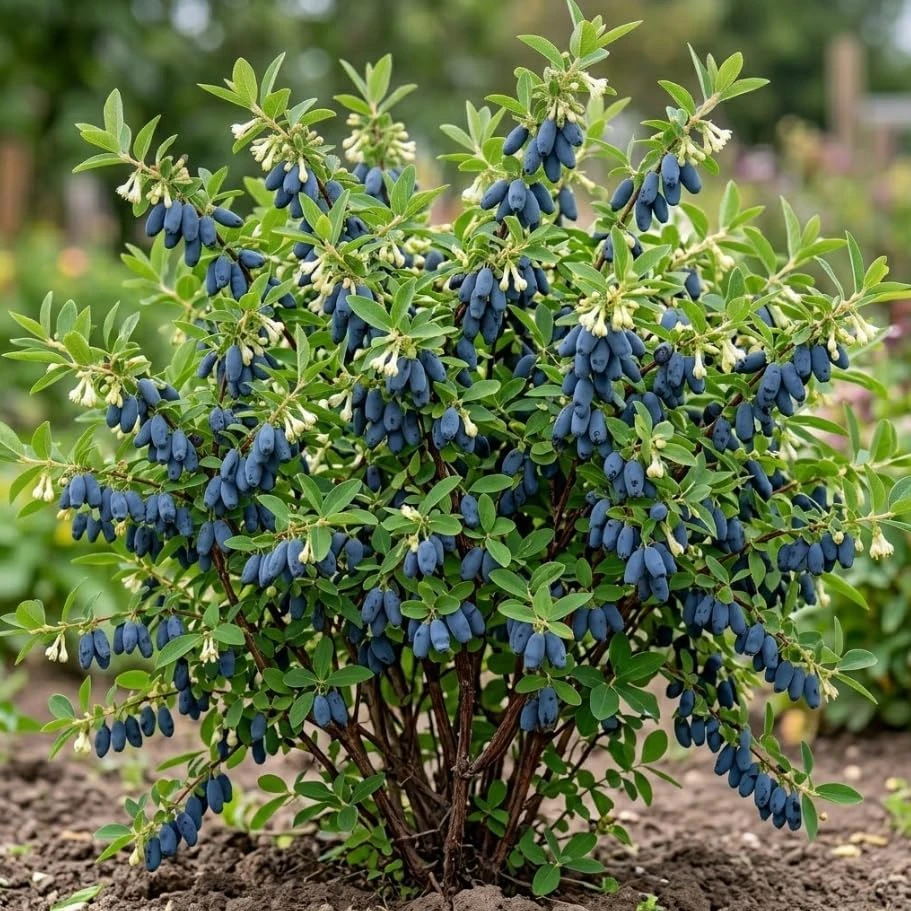
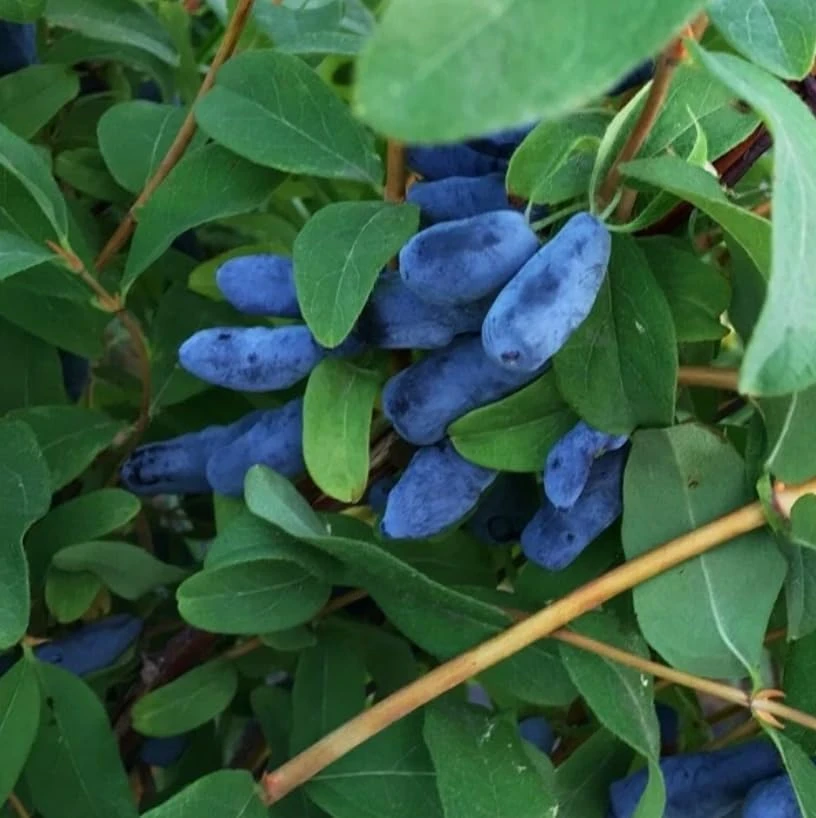
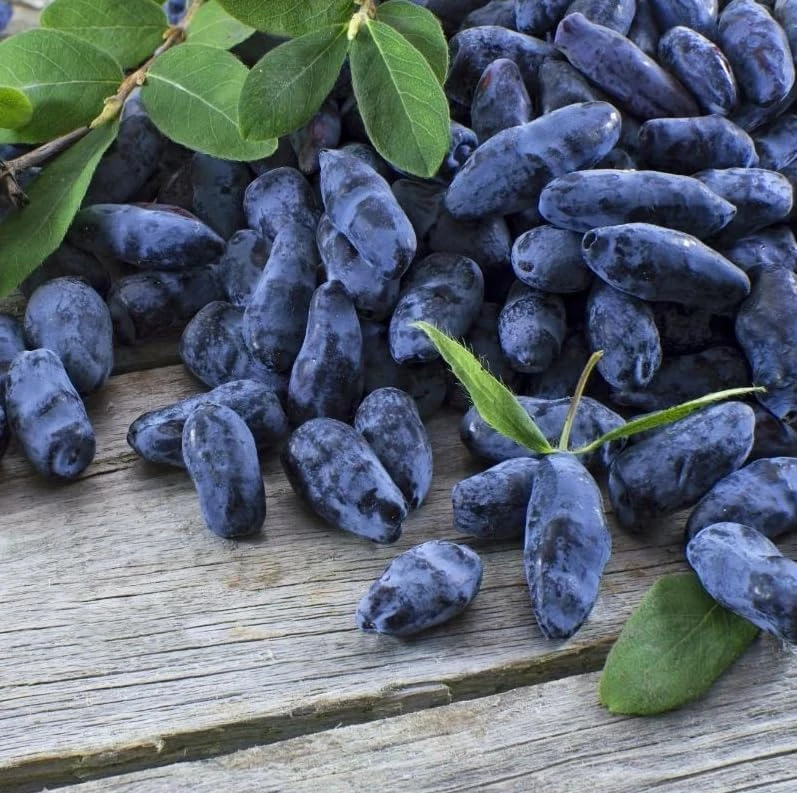
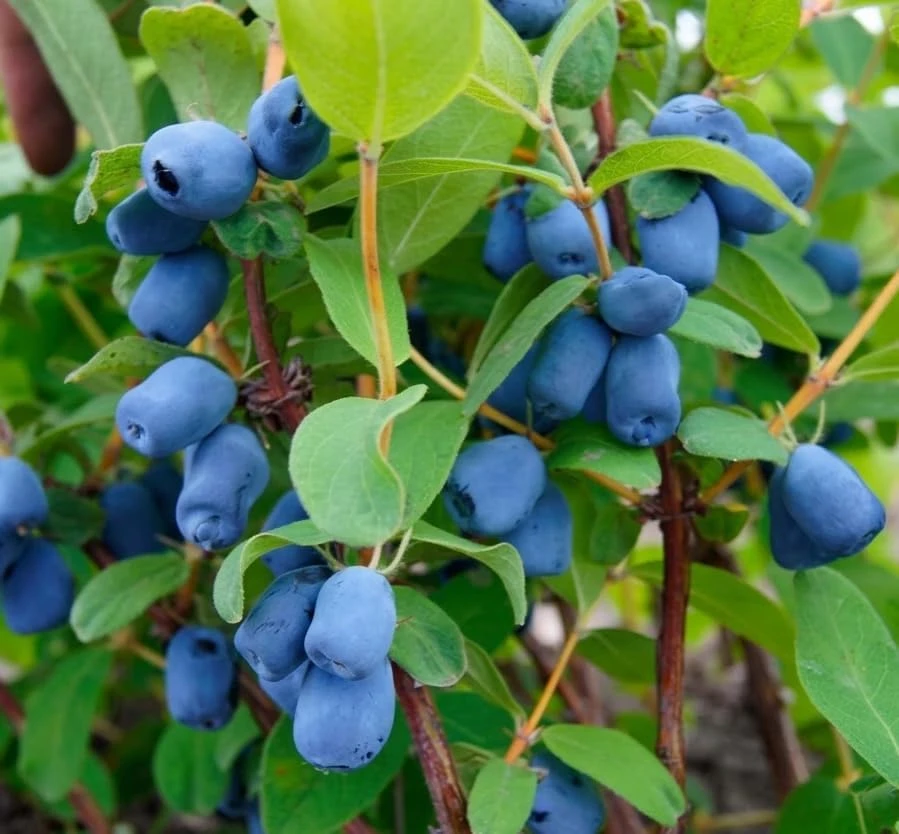
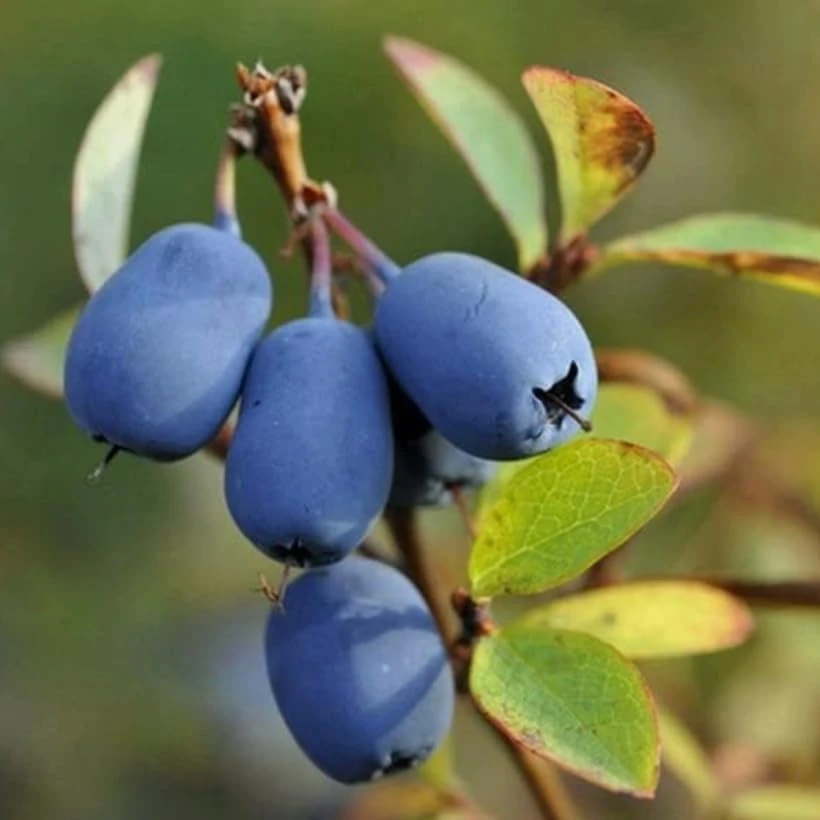
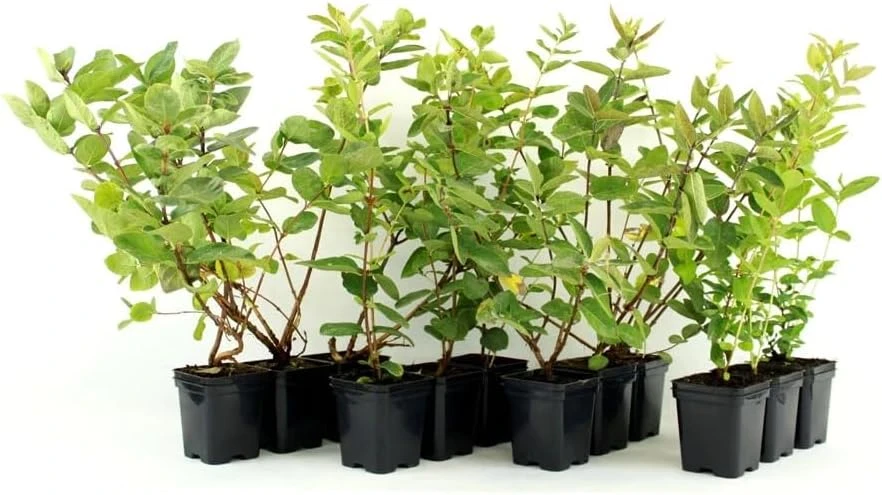
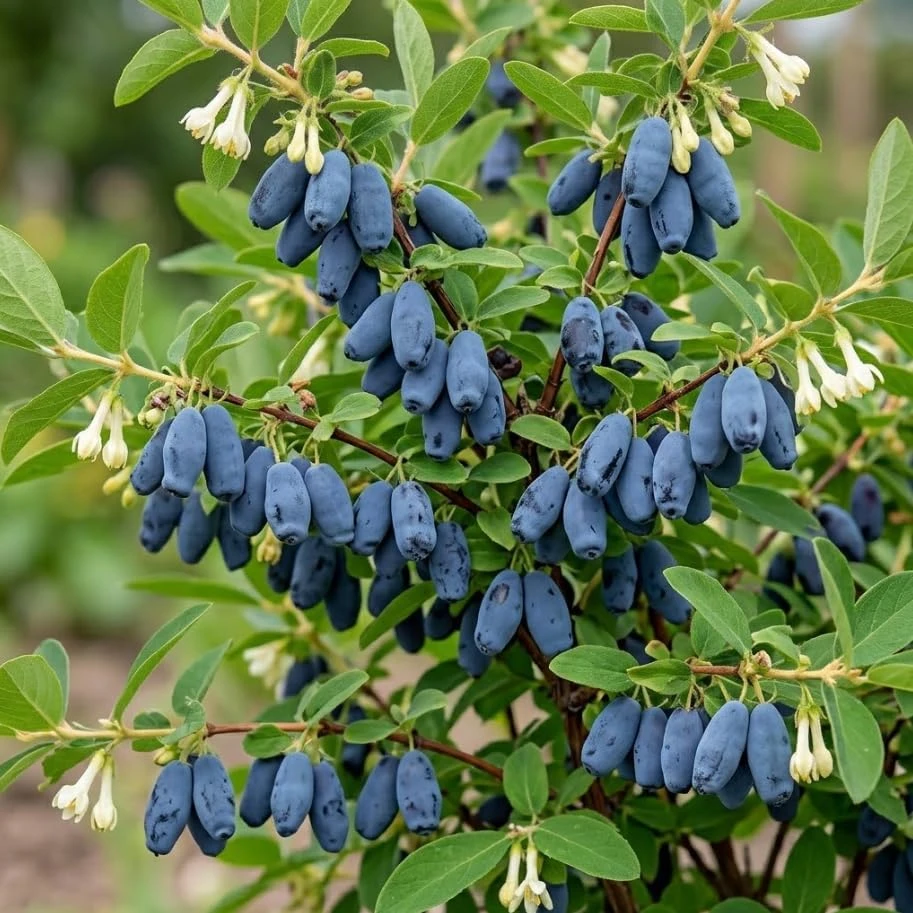
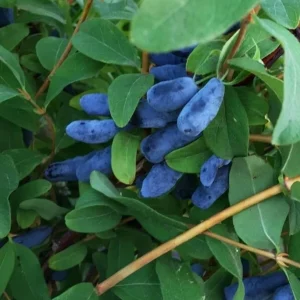
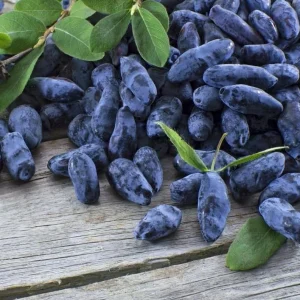
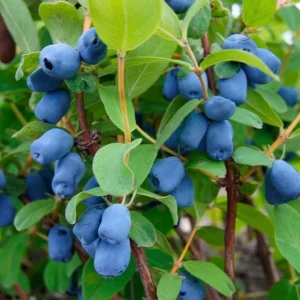
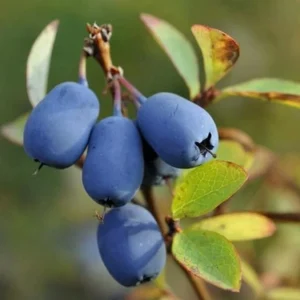
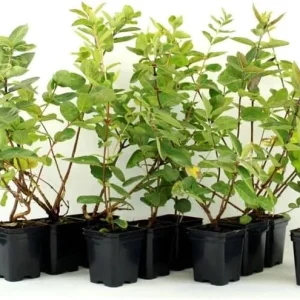
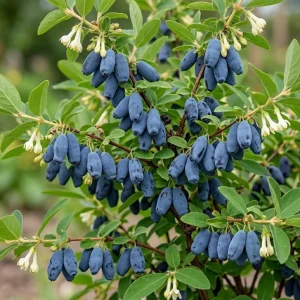
Introduce a unique and highly nutritious fruit to your garden with the haskap berry plant, also known as Blue Honeysuckle. This remarkable fruiting shrub is celebrated for its delicious, elongated blue berries that offer a delightful sweet-tart flavor, reminiscent of a blueberry and a raspberry combined. Our haskap berry plant is a live, dormant seedling, typically shipped 6-12 inches tall, ready to establish itself and flourish in your landscape. Renowned for its exceptional cold hardiness, this plant thrives across a wide range of climates, making it an excellent choice for gardeners in USDA Zones 3-8 who want to grow haskap berries. Easy to cultivate and highly productive, the blue honeysuckle bush offers both ornamental beauty and a bountiful harvest of superfood berries, perfect for fresh eating, jams, pies, and more. This resilient plant is an ideal addition to any edible landscape, providing early-season fruit often before strawberries, extending your harvest period significantly.
The cold hardy berry bush is a low-maintenance option for those looking to expand their home orchard or add unique flavors to their garden. Its adaptability to various soil types and sunlight conditions further enhances its appeal, ensuring a successful growing experience for both novice and experienced gardeners. Discover the joy of growing your own nutrient-rich haskap berries with this robust and vigorous plant, a true superfood for your backyard.
Key Benefits
The haskap berry plant offers numerous advantages for the home gardener, combining ease of cultivation with a rewarding harvest of healthful fruit. Its unique characteristics make it a standout choice for diverse garden settings, allowing you to easily grow haskap berries.
- Exceptional Cold Hardiness: This cold hardy berry bush is incredibly resilient, tolerating temperatures down to -40°F (-40°C), making it suitable for a vast array of northern climates where other berry plants might struggle. Gardeners in colder regions can confidently grow this plant, ensuring a reliable fruit source even in harsh winters.
- Delicious & Nutritious Berries: Enjoy sweet-tart, elongated blue berries packed with antioxidants, vitamins, and minerals. Haskap berries are considered a superfood and are perfect for fresh eating, baking, preserves, and juicing, contributing to a healthy diet.
- Early Fruiting Season: Haskap berries are among the first fruits to ripen in spring, often weeks before strawberries and blueberries, providing an early harvest and extending your berry season. This means fresh fruit earlier in the year!
- Easy to Grow & Low Maintenance: This blue honeysuckle bush is a robust and forgiving plant, requiring minimal care once established. It’s an excellent choice for beginners and busy gardeners looking for productive, hassle-free plants. You’ll find that proper haskap plant care is quite straightforward.
- Adaptable to Various Conditions: Thrives in a range of soil types, from clay to sandy, and can tolerate both full sun and partial shade, offering flexibility in planting locations. This adaptability makes it suitable for many garden designs.
- Ornamental Value: Beyond its fruit, the haskap berry plant offers attractive foliage and delicate early spring flowers, adding visual interest to your garden landscape. It’s a beautiful addition even before it fruits.
- Pest and Disease Resistant: Haskap plants are generally resistant to many common pests and diseases, reducing the need for chemical treatments and promoting organic gardening practices. This makes for a healthier garden and less work for you.
Plant Care & Growing Tips
Caring for your haskap berry plant is straightforward, ensuring a healthy and productive shrub for years to come. These plants are known for their resilience and adaptability, making them a great choice for various garden settings. Understanding their basic needs will help you achieve the best results with your blue honeysuckle bush and practice effective haskap plant care.
For optimal growth, haskap berry plants prefer full sun to partial shade, meaning at least 6 hours of direct sunlight per day for best fruit production, though they can tolerate less. They thrive in well-draining soil with a slightly acidic to neutral pH (5.5-7.0). While adaptable to various soil types, enriching the soil with organic matter before planting will provide a strong start. Regular watering is crucial during the first year to help the plant establish its root system, especially during dry spells. Once established, they are moderately drought-tolerant but will benefit from consistent moisture, particularly when berries are developing. Fertilize in early spring with a balanced slow-release fertilizer or a berry-specific formula to support robust growth and fruit yield. Pruning is best done in late winter or early spring while the plant is dormant, focusing on removing dead, damaged, or crossing branches to improve air circulation and light penetration, and to encourage new fruiting wood. These are truly a cold hardy berry bush, making them an excellent choice for many climates.
Haskap plants are generally pest and disease resistant, minimizing the need for interventions. However, keeping an eye out for common garden pests and addressing issues promptly will ensure the health of your plant. Remember that most haskap varieties require cross-pollination from another compatible variety to produce fruit, so planting at least two different varieties is recommended for a bountiful harvest. With these simple tips, you’ll be well on your way to enjoying delicious berries from your haskap berry plant.
Size & Details
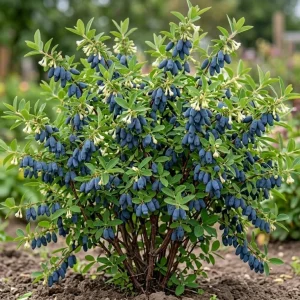
This haskap berry plant is shipped as a live, dormant seedling, typically measuring 6-12 inches tall from the base of the root system to the tip of the plant. It is ready to be planted directly into your garden or a larger container upon arrival. Haskap plants are moderate growers, reaching a mature height and spread of 3-6 feet, making them suitable for various garden sizes and hedges. They begin to produce fruit within 1-3 years of planting, with increasing yields as the plant matures. Expect an abundance of delicious berries once established. This specific offering focuses on providing a healthy young plant to help you grow haskap berries successfully in your home garden.
Frequently Asked Questions
- Q: How big does this plant get? A: The haskap berry plant typically grows to a mature height and spread of 3-6 feet, making it a manageable size for most gardens and landscapes.
- Q: What condition will the plant arrive in? A: Your haskap berry plant will arrive as a live, dormant seedling, usually 6-12 inches tall, carefully packaged to ensure its health during transit and ready for planting.
- Q: Is this an indoor or outdoor plant? A: This blue honeysuckle bush is an outdoor plant, specifically bred for its cold hardiness and ability to thrive in garden settings within USDA Zones 3-8.
- Q: How much sunlight does it need? A: For the best fruit production, your haskap berry plant requires full sun (at least 6 hours of direct sunlight per day), though it can tolerate partial shade.
- Q: Is this plant easy to care for? A: Yes, the haskap berry plant is considered easy to grow and low-maintenance once established, making it suitable for both beginner and experienced gardeners. Effective haskap plant care involves basic watering and occasional pruning.
- Q: How long until it produces fruit? A: You can typically expect your haskap berry plant to begin producing fruit within 1-3 years of planting, with yields increasing significantly as the plant matures.
- Q: Will it survive winter in my zone? A: Absolutely! This cold hardy berry bush is exceptionally cold-hardy, thriving in USDA Zones 3-8 and tolerating temperatures down to -40°F (-40°C).
- Q: Do I need more than one plant to get berries? A: Yes, most haskap varieties, including this haskap berry plant, require cross-pollination from a different compatible variety to produce a good harvest of berries. Planting at least two different varieties is highly recommended.
- Q: What kind of soil does it prefer? A: Haskap plants prefer well-draining soil with a slightly acidic to neutral pH (5.5-7.0). Amending with organic matter is beneficial for healthy growth.
- Q: Can I grow haskap berries in containers? A: Yes, you can grow haskap berries in large containers, provided they have good drainage and are protected during extreme winter conditions in colder zones. Choose a container at least 15-20 gallons in size.


Reviews
There are no reviews yet.