Overview
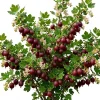
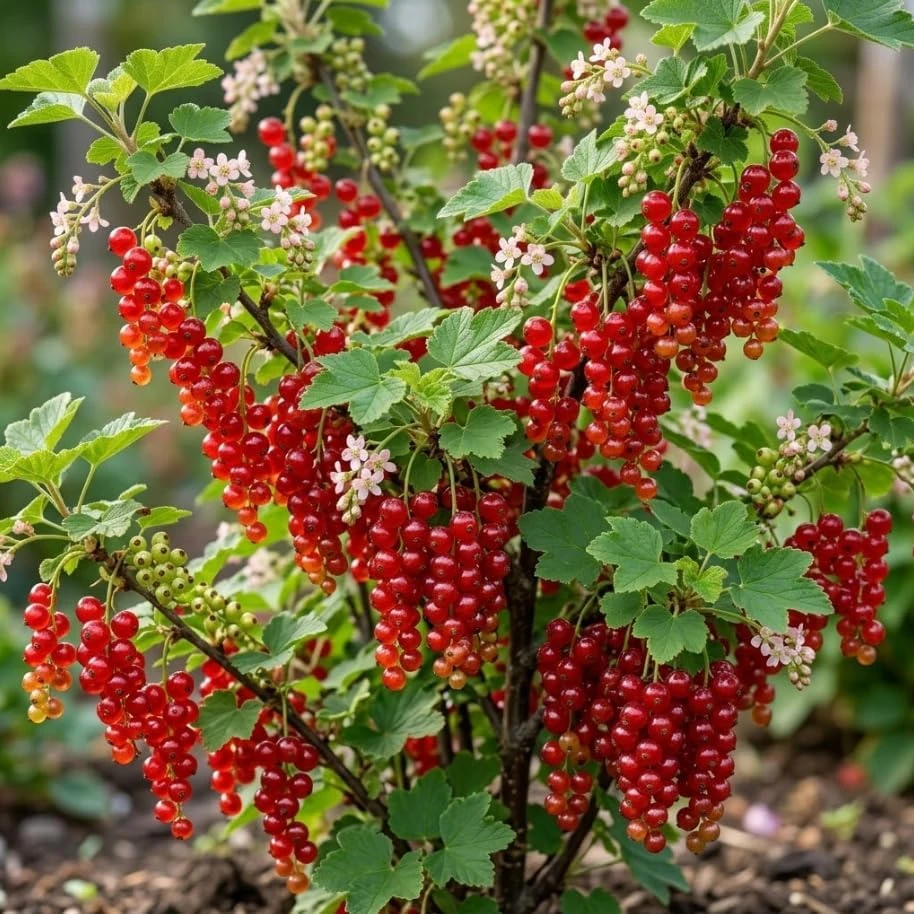
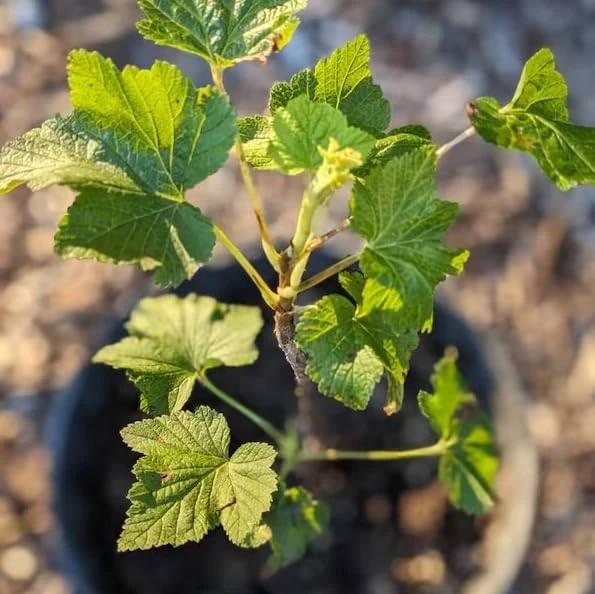
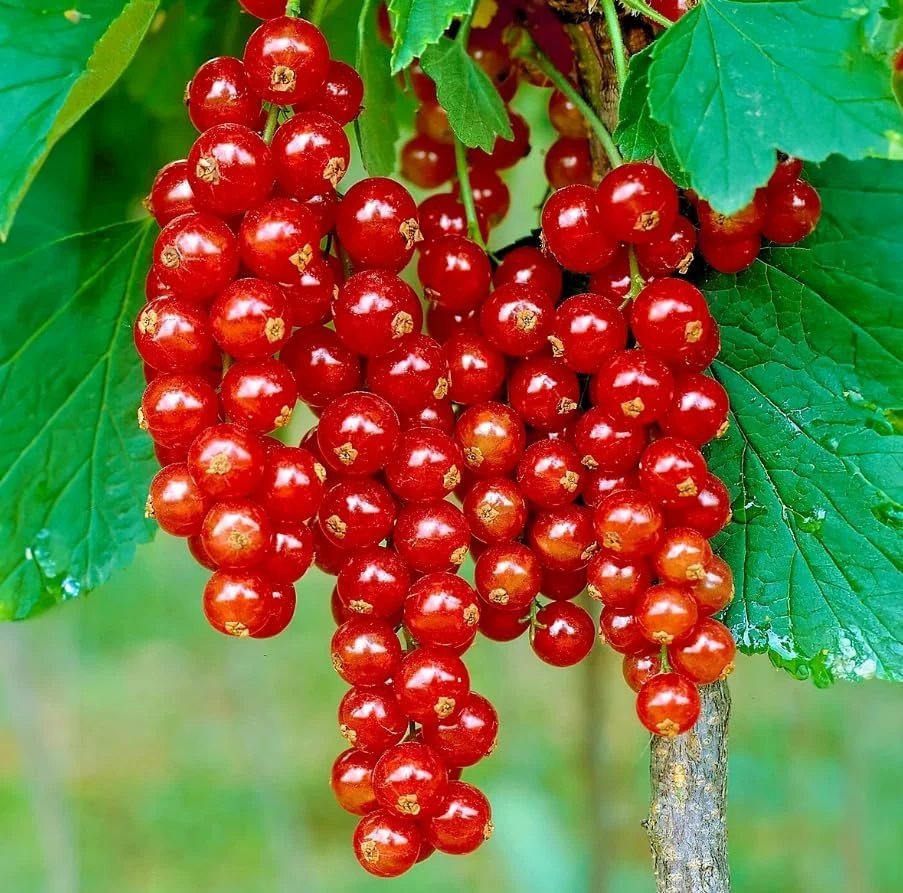
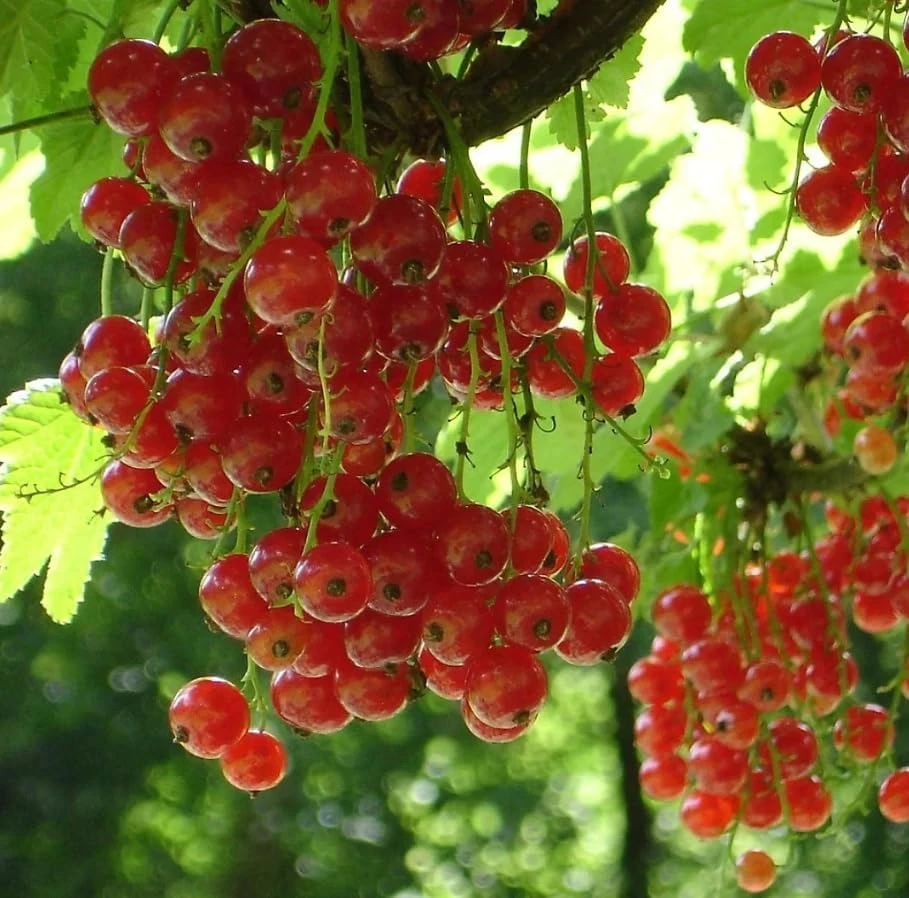
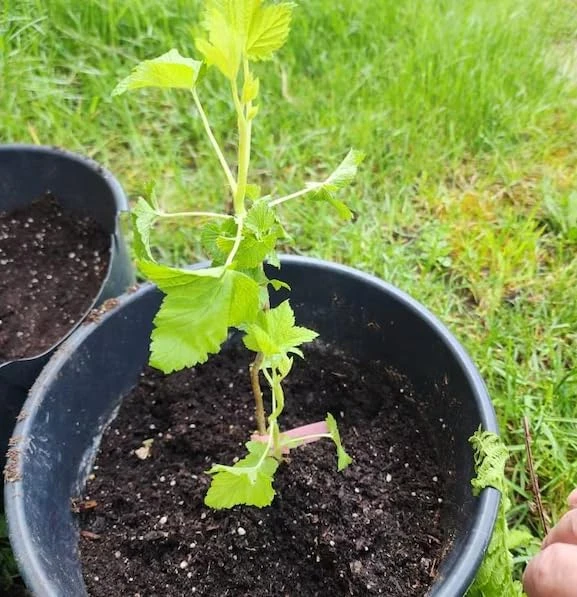
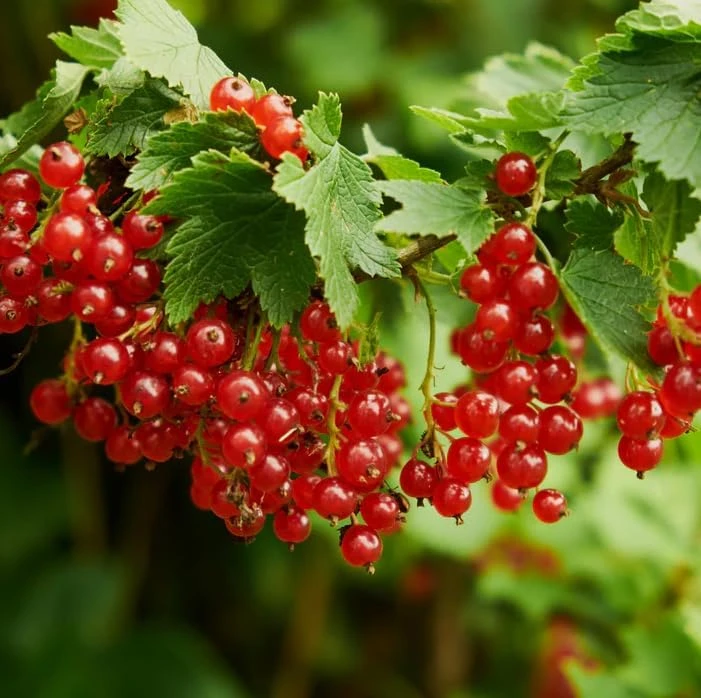
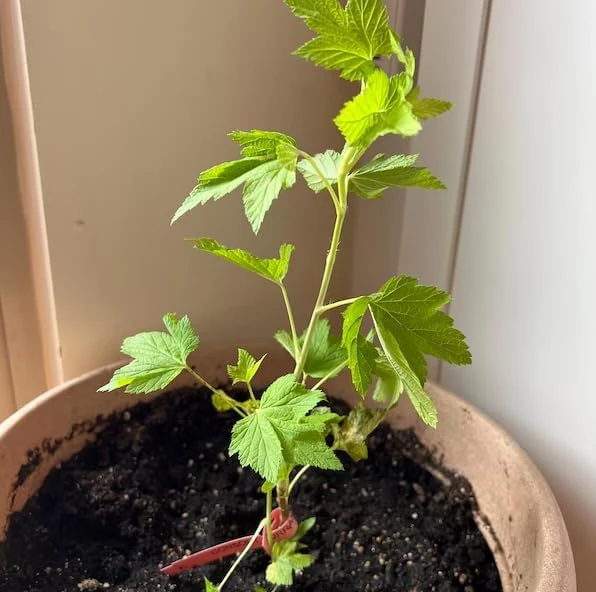
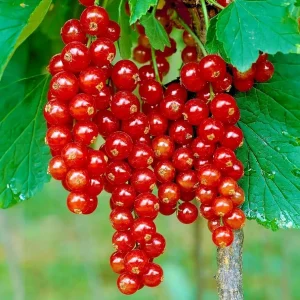
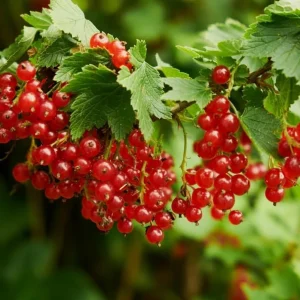
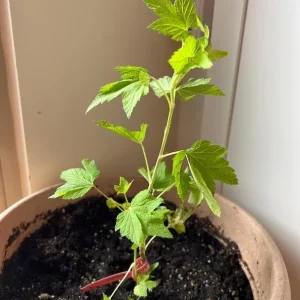
Cultivate your own delicious and nutritious berries with this vibrant red currant live plant. Known for its tart, jewel-toned fruits, the red currant (Ribes rubrum) is a highly desirable addition to any home garden, edible landscape, or even container planting. This particular variety is celebrated for its robust nature and exceptional cold hardiness, thriving in a wide range of climates from USDA Zones 3 through 8. Shipped as a healthy, dormant bare root plant, typically 6-12 inches tall, it’s ready to establish quickly and begin its journey towards producing bountiful harvests of bright red berries. Whether you’re a seasoned gardener or just starting your edible garden, this red currant live plant offers a rewarding and relatively low-maintenance fruiting experience. You’ll love to grow red currants in your backyard.
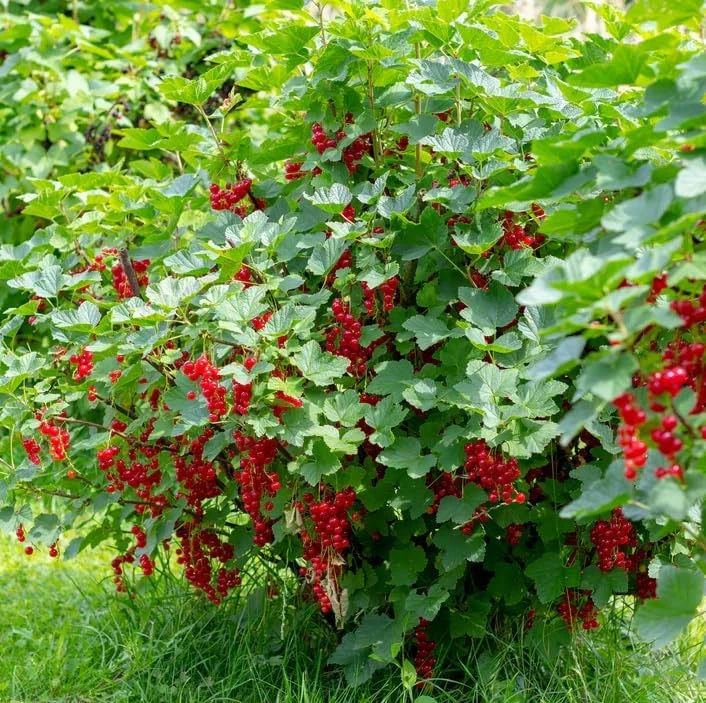
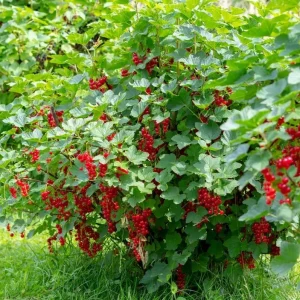
Red currants are not only prized for their culinary uses but also for their ornamental appeal. The attractive foliage and strings of bright berries add visual interest to your garden throughout the growing season. Easy to grow and adaptable, this red currant live plant is an excellent choice for those looking to expand their home orchard or add unique flavors to their culinary repertoire. This red currant bush is a versatile addition to any outdoor space, making it a fantastic fruiting shrub for garden enthusiasts.
Key Benefits
Adding a red currant live plant to your garden provides numerous advantages, from delicious harvests to ecological benefits. These versatile shrubs are a gardener’s delight:
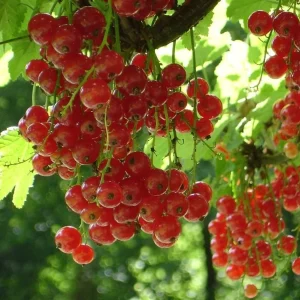
- Abundant and Delicious Harvests: Enjoy a steady supply of tart, juicy red currants perfect for jams, jellies, pies, sauces, or fresh eating. A single mature red currant bush can produce several pounds of fruit, making it an excellent fruiting shrub for garden enthusiasts. You’ll be amazed at how many berries a single red currant live plant can yield.
- Exceptional Cold Hardiness: This variety is remarkably resilient, thriving in USDA Hardiness Zones 3-8, making it suitable for a wide range of climates where other fruit-bearing plants might struggle. It’s a truly cold hardy currant shrub, ensuring success even in colder regions.
- Low Maintenance & Easy to Grow: Once established, red currant plants require minimal care, making them an ideal choice for both novice and experienced gardeners. They are generally resistant to common pests and diseases, allowing you to easily grow red currants without constant fuss.
- Versatile Garden Addition: Plant them in formal garden beds, informal hedgerows, or even large containers. Their compact size and attractive appearance make them suitable for various landscape designs. This makes it easy to incorporate a red currant live plant into diverse outdoor spaces.
- Nutrient-Rich Fruits: Red currants are packed with vitamin C, antioxidants, and dietary fiber, contributing to a healthy diet straight from your backyard.
- Pollinator Friendly: The subtle flowers in spring attract beneficial pollinators, contributing to the overall health and biodiversity of your garden ecosystem.
- Long Lifespan: With proper care, a cold hardy currant shrub can be productive for many years, providing a lasting source of fresh fruit for your family.
Plant Care & Growing Tips
Caring for your red currant live plant is straightforward, ensuring a healthy and productive shrub for years to come. Red currants thrive in locations that receive full sun to partial shade. For optimal fruit production, aim for at least 6-8 hours of direct sunlight per day. While they are adaptable, a spot with morning sun and some afternoon shade can be beneficial, especially in hotter climates, to prevent scorching of leaves and berries. They are tolerant of various soil types but prefer well-draining soil with a slightly acidic to neutral pH (6.0-7.0). If your soil is heavy clay, amend it with organic matter like compost to improve drainage and aeration. Regular watering is crucial, especially during dry spells and when the fruit is developing. Keep the soil consistently moist but not waterlogged.
Pruning is essential for maintaining the health and productivity of your red currant bush. Prune in late winter or early spring while the plant is dormant, removing any dead, diseased, or crossing branches. Focus on encouraging new growth and an open structure for better air circulation and fruit development. Fertilize in early spring with a balanced slow-release fertilizer or well-rotted compost. Red currants are generally resilient to pests, but occasional checks for aphids or currant borers are recommended. With proper care, you’ll be able to grow red currants that are healthy and produce abundant harvests for many years.
This cold hardy currant shrub is remarkably adaptable, making it a great choice for many gardeners. Ensure good air circulation to prevent fungal issues, and consider mulching around the base of the plant to retain moisture and suppress weeds. Protecting young plants from deer or rabbits might be necessary in some areas. Following these simple care guidelines will help your red currant live plant thrive and reward you with delicious berries.
Size & Details
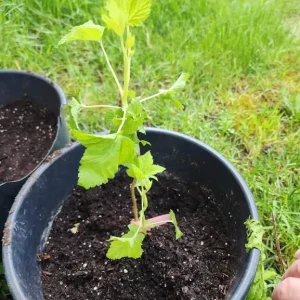
This offering is for a healthy red currant live plant, shipped as a dormant bare root specimen. The plant typically measures between 6 to 12 inches tall upon arrival, ready for immediate planting. Bare root plants are an economical and effective way to establish new fruit-bearing shrubs, as they quickly develop a robust root system once planted. The mature size of a red currant bush can reach approximately 3-5 feet in height and width, depending on growing conditions and pruning. Expect your plant to begin producing fruit within 1-2 years of planting, with increasing yields as it matures. This makes it an excellent fruiting shrub for garden spaces where you desire a long-term harvest.
Frequently Asked Questions
- Q: How big does this red currant live plant get? A: A mature red currant live plant typically grows to a height and width of 3-5 feet. Its size can be managed with proper pruning, making it suitable for various garden spaces.
- Q: Is this an indoor or outdoor plant? A: This cold hardy currant shrub is an outdoor plant, designed to thrive in garden settings, edible landscapes, or large outdoor containers. It requires outdoor conditions for optimal growth and fruit production.
- Q: How much sunlight does a red currant bush need? A: For best fruit production, a red currant bush needs at least 6-8 hours of direct sunlight daily. It can tolerate partial shade, especially in hotter climates, but full sun is ideal.
- Q: Is this red currant live plant easy to care for? A: Yes, red currant plants are generally considered low-maintenance and easy to grow, making them suitable for both novice and experienced gardeners. They are resilient and relatively disease-resistant.
- Q: What condition will the red currant live plant arrive in? A: Your red currant live plant will be shipped as a healthy, dormant bare root plant, typically 6-12 inches tall. This ensures it’s ready to establish quickly in your garden.
- Q: When is the best time to grow red currants? A: The best time to plant a bare root red currant live plant is in early spring or late fall when the plant is dormant. This allows it to establish its root system before the stress of summer or winter.
- Q: Will this cold hardy currant shrub survive winter in my zone? A: This cold hardy currant shrub is exceptionally resilient and thrives in USDA Hardiness Zones 3 through 8, making it suitable for a wide range of climates, including those with cold winters.
- Q: What type of soil is best for a red currant bush? A: A red currant bush prefers well-draining soil with a slightly acidic to neutral pH (6.0-7.0). Amending heavy clay soils with organic matter will improve drainage and overall plant health.
- Q: How long until I can harvest fruit from my red currant live plant? A: You can typically expect your red currant live plant to begin producing fruit within 1-2 years after planting, with yields increasing significantly as the plant matures.
- Q: Can I grow red currants in containers? A: Yes, you can successfully grow red currants in large containers. Ensure the container has good drainage and use a high-quality potting mix. Regular watering and feeding will be important for container-grown plants.


Reviews
There are no reviews yet.