Overview
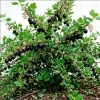
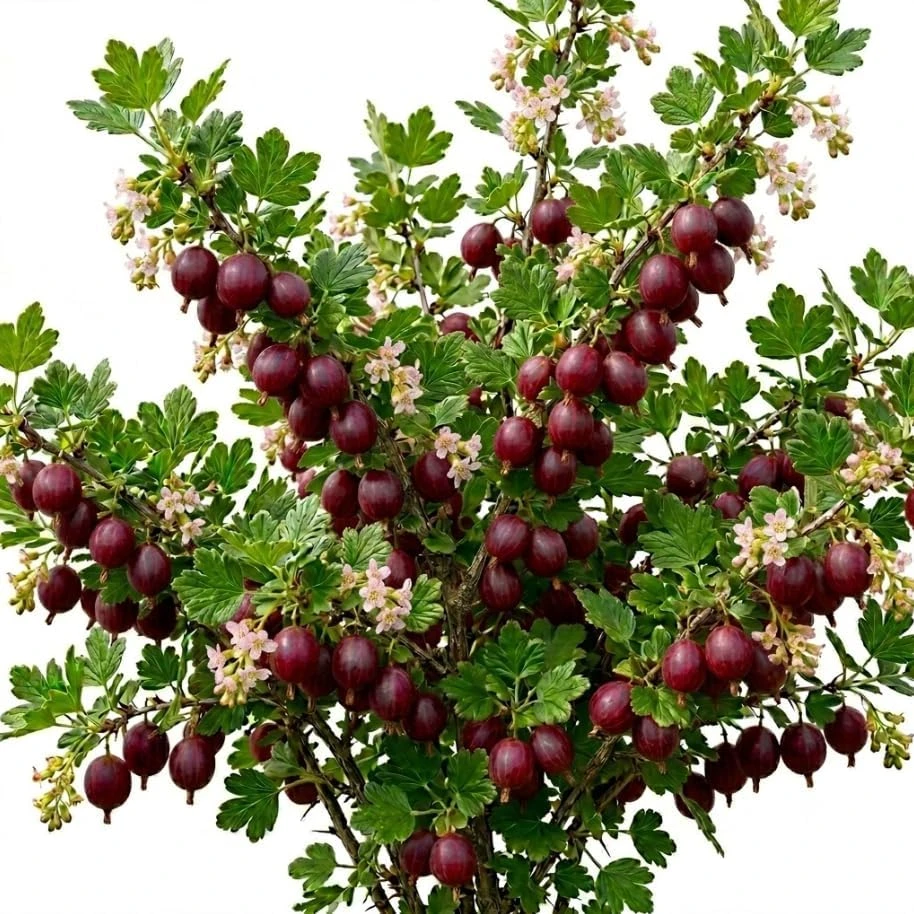
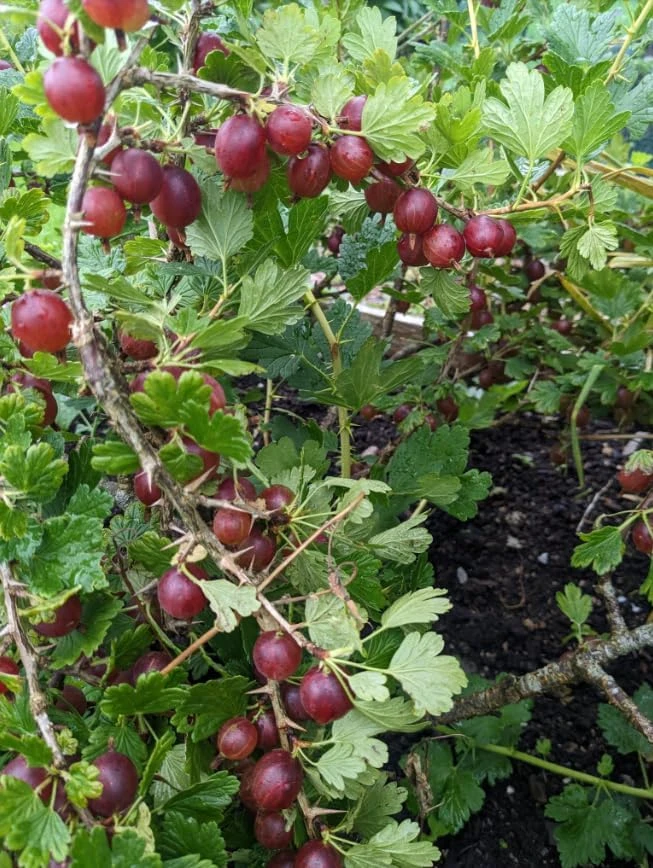
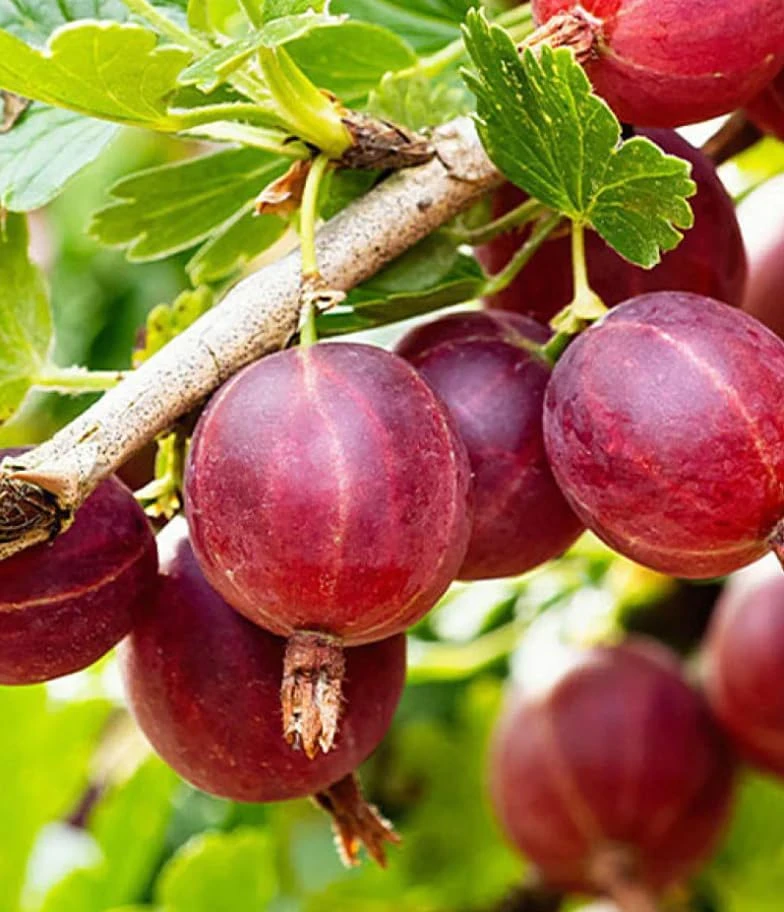
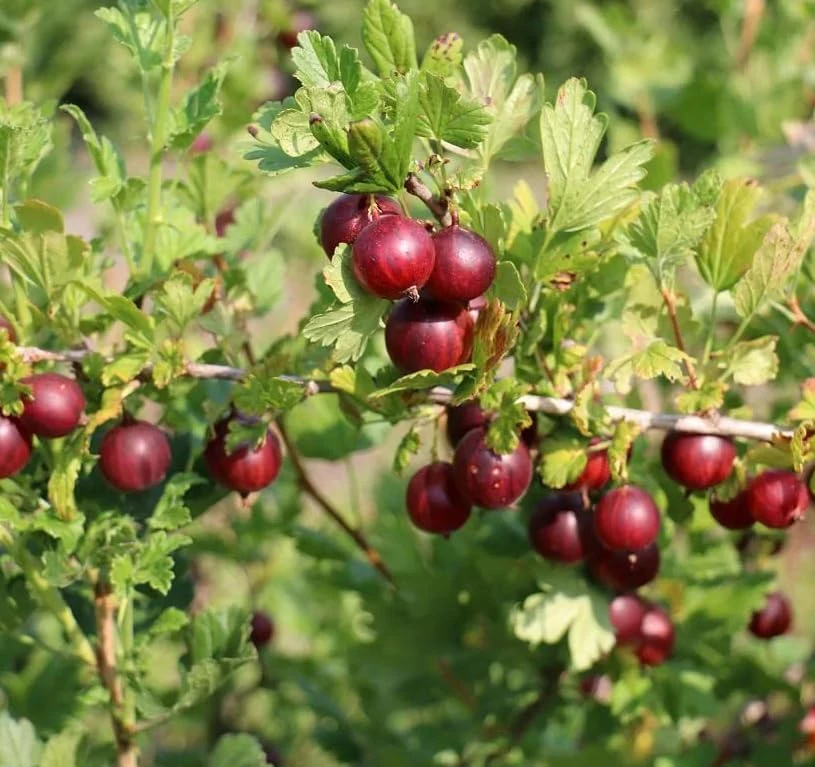
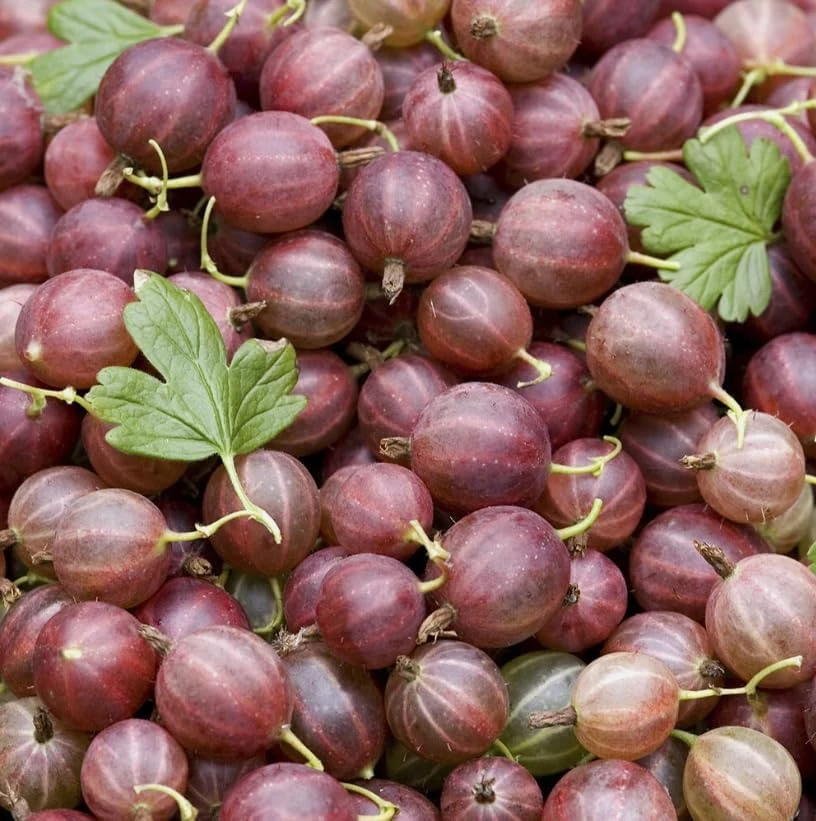
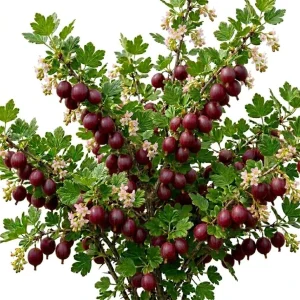
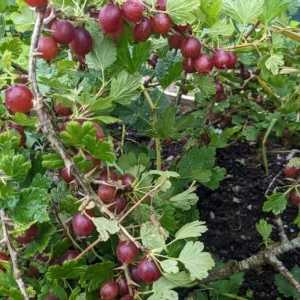
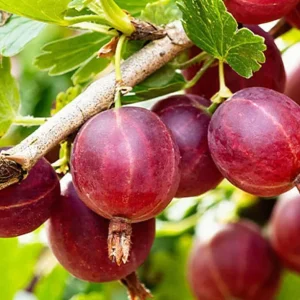
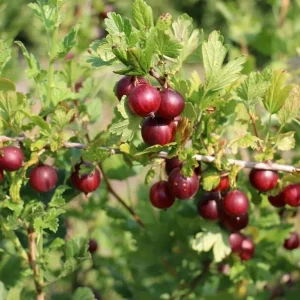
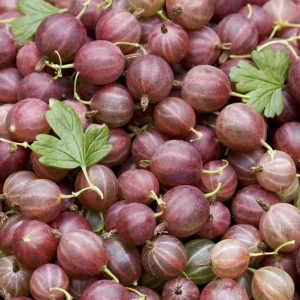
Discover the joy of growing your own berries with the jostaberry live plant. This remarkable hybrid is a cross between a blackcurrant (Ribes nigrum) and a gooseberry (Ribes uva-crispa), offering the best qualities of both parents. Known for its vigorous growth and thornless branches, the jostaberry produces abundant, dark purple-black berries that are slightly larger than blackcurrants and less tart than gooseberries. This resilient jostaberry bush is an excellent choice for home gardeners looking for an easy-to-care-for fruiting plant. It’s a fantastic addition to any edible landscape, providing both ornamental value and a bountiful harvest of nutritious fruit. Experience the unique flavor and robust nature of this exceptional berry producer. Originating in Germany, the jostaberry (Ribes x nidigrolaria) is a relatively new fruit sensation, gaining popularity for its disease resistance and adaptability. Our jostaberry live plant arrives as a dormant bare root, typically 6-12 inches tall, ready to establish quickly in your garden. Whether you’re an experienced gardener or just starting, this cold-hardy plant will reward you with delicious fruit for years to come. Enjoy fresh berries straight from the bush, or use them in jams, jellies, pies, and sauces.
Key Benefits
Adding a jostaberry live plant to your garden offers a multitude of advantages, combining ease of care with a rewarding harvest. This versatile plant brings both aesthetic appeal and practical benefits to your outdoor space, ensuring a rewarding gardening experience. The unique characteristics of this gooseberry currant cross make it a standout choice for home fruit production.
- Abundant Fruiting: Enjoy a prolific yield of dark, flavorful berries that ripen in mid-summer. The fruit is excellent for fresh eating, baking, preserves, and juicing, providing a versatile ingredient for your culinary creations.
- Cold Hardy & Resilient: Thrives in a wide range of climates, specifically USDA Hardiness Zones 3-8, making it a reliable choice for many regions. This plant can withstand colder temperatures, ensuring consistent performance year after year.
- Disease Resistant: Known for its strong resistance to common gooseberry and blackcurrant diseases, such as powdery mildew and rust, reducing the need for chemical treatments and making it a low-maintenance option. This resilience makes the jostaberry bush a gardener’s favorite.
- Thornless Branches: Unlike traditional gooseberries, thornless jostaberry bushes are unburdened by thorns, making harvesting a more pleasant and injury-free experience. This feature is particularly appealing for families with children.
- Easy to Grow: Ideal for both novice and experienced gardeners, this fruiting shrub requires minimal fuss once established. It adapts well to various soil types and light conditions, making it highly forgiving, making how to grow jostaberry an easy endeavor.
- Nutrient-Rich Berries: The berries are packed with vitamins, antioxidants, and fiber, contributing to a healthy diet. Growing your own ensures you have access to fresh, organic produce.
- Versatile Landscape Use: Can be grown as a stand-alone specimen, in a hedgerow, or even in large containers, adding a productive and attractive element to your garden design.
Plant Care & Growing Tips
Caring for your jostaberry live plant is straightforward, ensuring a healthy and productive bush for many years. These plants are remarkably adaptable and resistant to many common issues, making them an excellent choice for a low-maintenance edible garden. Understanding their basic needs will help them thrive and produce abundant fruit.
Sunlight Requirements: Jostaberries prefer full sun to partial shade. For optimal fruit production, aim for at least 6 hours of direct sunlight per day. In hotter climates, some afternoon shade can protect the plant from scorching. Watering: Keep the soil consistently moist, especially during dry periods and when the plant is establishing. Aim for about 1 inch of water per week, either from rain or irrigation. Avoid waterlogging, as this can lead to root rot. Soil: Jostaberries thrive in well-draining, fertile soil with a pH between 6.0 and 7.0. Amending heavy clay soils with organic matter like compost can improve drainage and nutrient content. Temperature & Hardiness: These resilient plants are cold-hardy, performing well in USDA Zones 3-8. They can tolerate temperatures down to -30°F (-34°C). Fertilization: Apply a balanced fertilizer in early spring before new growth begins, and again after fruiting. Organic options like compost or well-rotted manure also work well to nourish your jostaberry bush. Pruning: Prune in late winter or early spring while the plant is dormant. Remove any dead, damaged, or weak canes. Thin out older canes (more than 3-4 years old) to encourage new, productive growth. This helps maintain the plant’s vigor and fruit quality. Pest & Disease Control: Jostaberries are generally disease-resistant, particularly to powdery mildew and rust. Monitor for common garden pests, but severe infestations are rare. Good air circulation through proper spacing and pruning helps prevent issues.
Size & Details
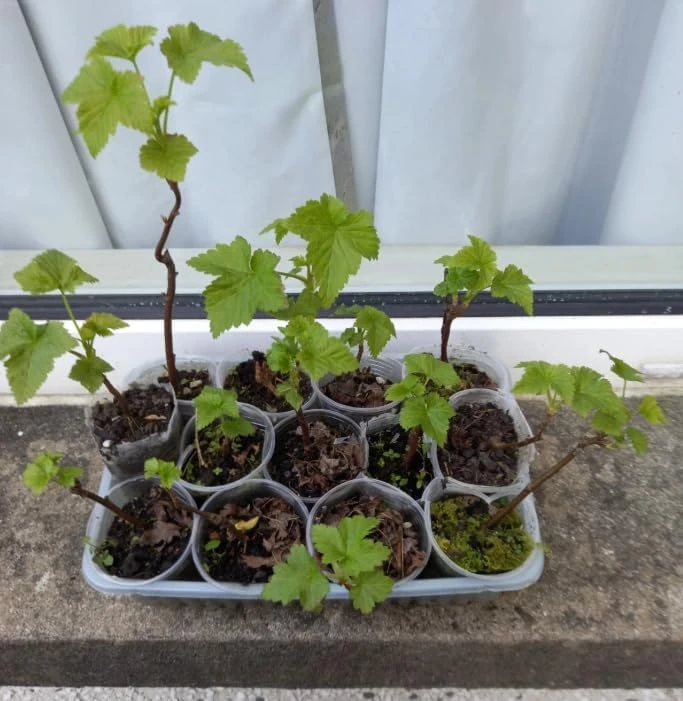
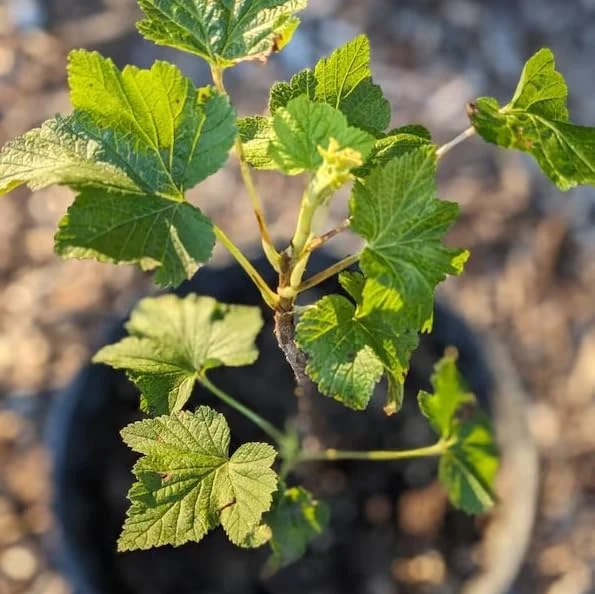
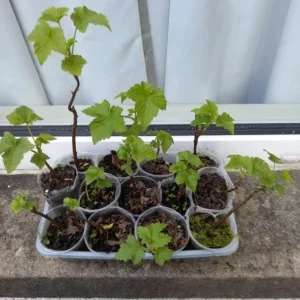
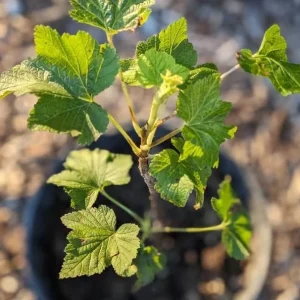
Our jostaberry live plant arrives as a dormant bare root, typically measuring 6-12 inches tall. This allows for easy establishment and vigorous growth once planted in your garden. When mature, a jostaberry bush can reach a height and spread of 4-6 feet, forming a rounded, dense shrub. The growth rate is moderate to fast, meaning you can expect your plant to establish quickly and begin producing fruit within 1-2 years of planting. These plants are shipped ready for immediate planting in the ground or a large container, providing a solid foundation for your future harvests. The berries typically ripen in mid-summer, offering a delicious treat for several weeks.
Frequently Asked Questions
- Q: How big does a jostaberry bush get? A: A mature jostaberry live plant typically grows to be 4-6 feet tall and equally wide, forming a dense, rounded shrub. Its size makes it suitable for various garden settings.
- Q: Is this an indoor or outdoor plant? A: The jostaberry live plant is an outdoor fruiting bush. It requires the changing seasons and cold dormancy to produce fruit effectively and thrives in garden environments.
- Q: How much sunlight does a jostaberry need? A: Jostaberries prefer full sun to partial shade, ideally receiving at least 6 hours of direct sunlight daily for the best fruit production. In very hot climates, some afternoon shade is beneficial.
- Q: Is this plant easy to care for? A: Yes, the thornless jostaberry bush is considered very easy to grow and maintain. It’s disease-resistant, cold-hardy, and adapts well to various soil and light conditions, making it perfect for beginners.
- Q: What condition will the jostaberry plant arrive in? A: Your jostaberry live plant will arrive as a dormant bare root, typically 6-12 inches tall, carefully packaged to ensure its health and readiness for planting.
- Q: When is the best time to plant a jostaberry? A: The best time to plant a jostaberry bare root is in early spring, after the last frost, or in the fall before the ground freezes. This allows the plant to establish its root system.
- Q: Will it survive winter in my zone? A: Yes, jostaberries are exceptionally cold-hardy and thrive in USDA Hardiness Zones 3-8, meaning they can withstand very cold winter temperatures common in many regions.
- Q: What is the main difference between a jostaberry and a gooseberry or blackcurrant? A: A jostaberry is a hybrid of a gooseberry and a blackcurrant (gooseberry currant cross), combining the disease resistance and vigorous growth of blackcurrants with the larger, less tart berries of gooseberries, and importantly, it’s thornless.
- Q: Can I grow a jostaberry in a container? A: While they prefer to be in the ground, you can grow a jostaberry live plant in a large container (at least 15-20 gallons) with good drainage, ensuring adequate watering and feeding.
- Q: What are the berries used for? A: The dark purple-black berries are versatile and can be eaten fresh, used in jams, jellies, pies, sauces, and juices. They have a unique flavor profile that is less tart than gooseberries.


Reviews
There are no reviews yet.