Overview
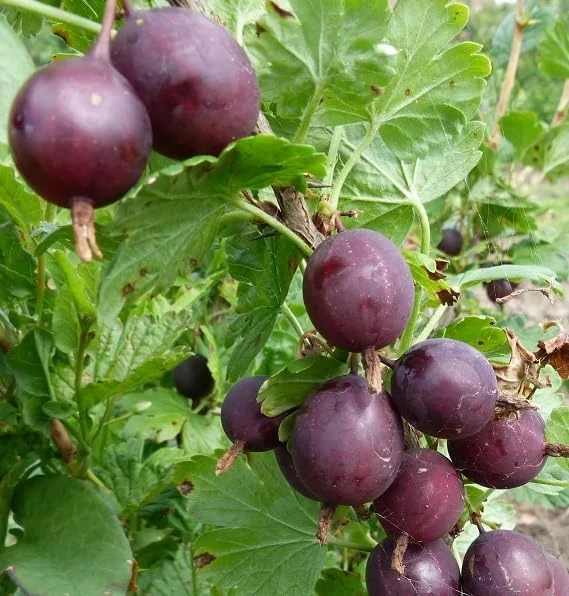
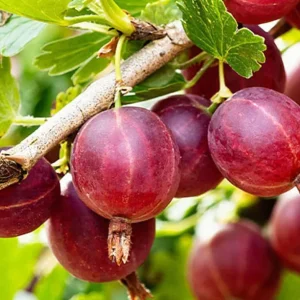
Cultivate your own delicious fruit with a jostaberry live plant. This exceptional fruiting shrub, scientifically known as Ribes × nidigrolaria, is a fascinating and highly desirable hybrid, combining the best traits of blackcurrants and gooseberries. Gardeners rave about the vigorous growth and prolific yields of dark, flavorful berries that ripen in mid-summer. These versatile berries boast a unique sweet-tart taste, making them ideal for fresh snacking, baking into pies, crafting jams and jellies, or creating flavorful sauces. Our jostaberry live plant arrives healthy and ready to establish quickly in your garden, promising years of bountiful harvests. It’s an outstanding choice for anyone seeking a productive, low-maintenance berry bush that thrives across a wide range of climates and is a fantastic addition to any edible landscape.
The jostaberry stands out as a remarkable hybrid, inheriting the robust disease resistance of blackcurrants and the hardiness and generous fruit size of gooseberries. This genetic combination results in a reliable and rewarding berry plant for both novice and experienced gardeners. A significant advantage of the jostaberry is its thornless nature, which makes harvesting the delicious fruit a much more enjoyable and safer experience compared to many gooseberry varieties. Furthermore, these plants are highly adaptable, performing well in various soil types and sunlight conditions, ensuring that jostaberry plant care is straightforward and accessible. This exceptional gooseberry currant cross not only offers a distinctive flavor profile but also robust growth and resilience.
Key Benefits
Incorporating a jostaberry into your garden landscape offers a wealth of advantages, from its delectable fruit to its inherent hardiness and ease of cultivation. This versatile fruiting shrub is truly a garden treasure, delivering both aesthetic appeal and a generous bounty:
- Abundant, Delicious Fruit: Enjoy prolific yields of dark, juicy berries that offer a unique sweet-tart flavor, making them perfect for a wide array of culinary applications or simply fresh snacking. The berries typically ripen in mid-summer, providing a generous harvest from your thriving jostaberry live plant.
- Cold Hardiness: This plant demonstrates exceptional resilience, thriving across a broad spectrum of climates, and is particularly well-suited for USDA Zones 3-8. This makes it an incredibly reliable and cold hardy berry plant option for many gardeners, ensuring it can withstand colder temperatures with ease.
- Disease Resistance: The jostaberry inherits strong natural resistance to common currant and gooseberry diseases, including mildew and rust. This reduces the necessity for chemical treatments, simplifying jostaberry plant care and promoting organic gardening practices.
- Thornless Branches: A significant advantage over many traditional gooseberry varieties, jostaberries are virtually thornless. This feature makes both harvesting the fruit and performing routine pruning much safer and more pleasant, making it an ideal thornless berry bush for families and gardens with children.
- Easy to Grow: Renowned for being a low-maintenance plant, the jostaberry adapts readily to various soil conditions and light exposures. This makes it an excellent choice for both beginner and experienced gardeners, as your jostaberry live plant will establish quickly with minimal fuss.
- Versatile Use: The berries are excellent for fresh eating, baking into desserts, and creating delicious jams, jellies, and sauces. They retain their flavor exceptionally well and can be frozen for extended use, allowing you to enjoy the fruits of your labor throughout the year.
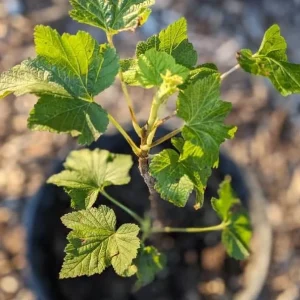
- Attractive Landscape Addition: Beyond its culinary benefits, the jostaberry forms an attractive bush with lush green foliage, adding significant aesthetic value to your garden space, even when it’s not bearing fruit.
Plant Care & Growing Tips
Caring for your jostaberry live plant is remarkably straightforward, making it a highly rewarding addition to any garden. These robust plants are celebrated for their resilience and adaptability, ensuring they thrive with minimal effort. For optimal growth and the most abundant fruit production, select a planting site that receives full sun to partial shade. While full sun exposure generally encourages the best berry yield and sweetest fruit, jostaberries are quite tolerant and can still perform well in locations with some afternoon shade, which can be particularly beneficial in hotter climates to prevent scorching. Ensure the chosen planting site offers good air circulation to help prevent fungal issues and promote overall plant health.
When it comes to watering, jostaberries prefer consistently moist, but not waterlogged, soil, especially during dry spells and when the fruit is developing. Deep watering once or twice a week is typically sufficient, allowing the top inch or two of soil to dry out between waterings. They are adaptable to a range of soil types but thrive best in well-draining, fertile soil with a slightly acidic to neutral pH (6.0-7.0). Incorporating organic matter, such as compost, into the planting hole can significantly improve soil structure and fertility. For fertilization, a balanced slow-release fertilizer in early spring, or a top-dressing of compost, will support healthy growth and fruit production. Pruning should be done in late winter or early spring while the plant is dormant, focusing on removing dead, damaged, or weak canes, and thinning out older, less productive wood to encourage new growth and better air circulation. Proper jostaberry plant care ensures a healthy, productive bush.
Jostaberries are incredibly cold hardy, typically thriving in USDA Zones 3-8, making them suitable for many regions. They can tolerate temperatures down to -30°F (-34°C). While generally disease resistant, monitoring for common pests like aphids or currant borers is advisable, though serious infestations are rare. Good cultural practices, such as proper spacing and air circulation, are the best defense. This cold hardy berry plant is an excellent choice for gardeners looking for a reliable and low-maintenance fruit producer. Its ability to resist common diseases and pests makes it a highly sustainable option for organic gardening. With just a little attention, your gooseberry currant cross will flourish, providing delicious berries for years to come.
Size & Details
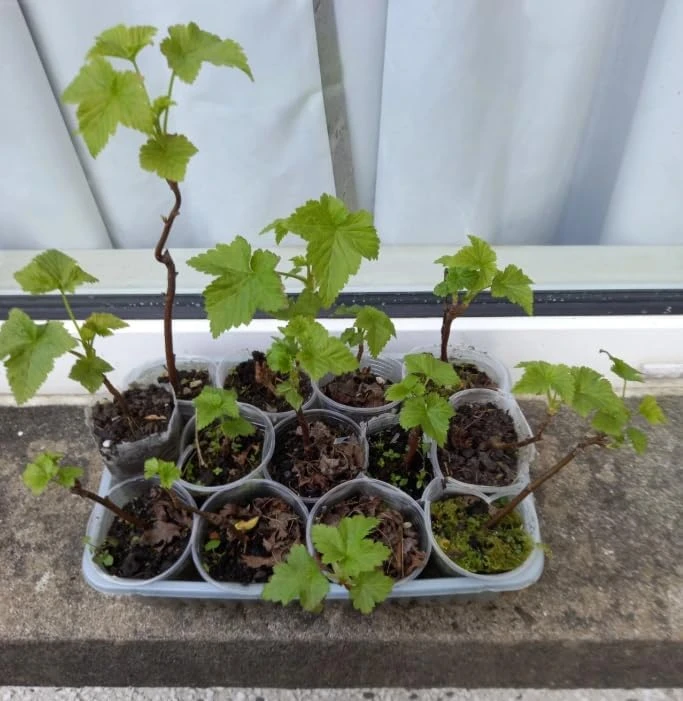
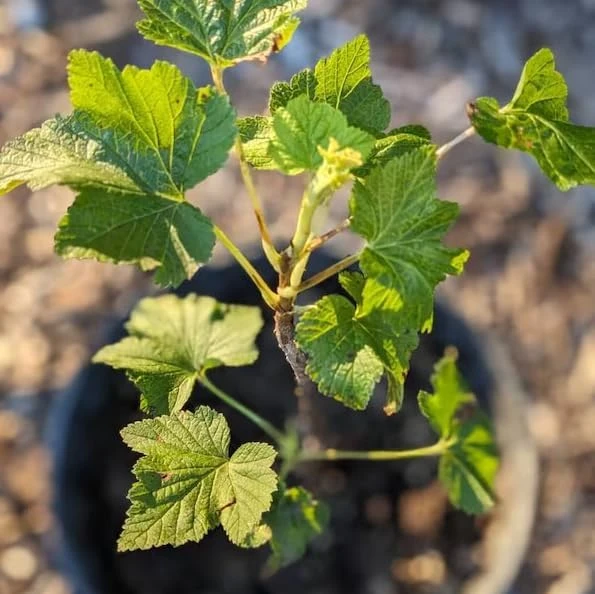
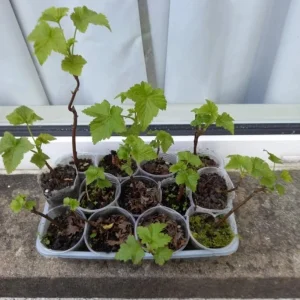
This jostaberry live plant typically arrives as a young, established bush, ranging from 6-12 inches tall, ready for planting. Once mature, jostaberries can grow into a substantial bush, reaching an average height and spread of 4-6 feet. The growth rate is moderate to fast, allowing you to enjoy significant fruit production within a couple of years after planting. It is shipped as a rooted plant, carefully packaged to ensure its health upon arrival. Expect the first harvest of berries within 1-2 years, with yields increasing significantly as the plant matures. This thornless berry bush is a long-lived perennial, providing decades of enjoyment with proper care.
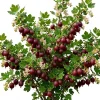
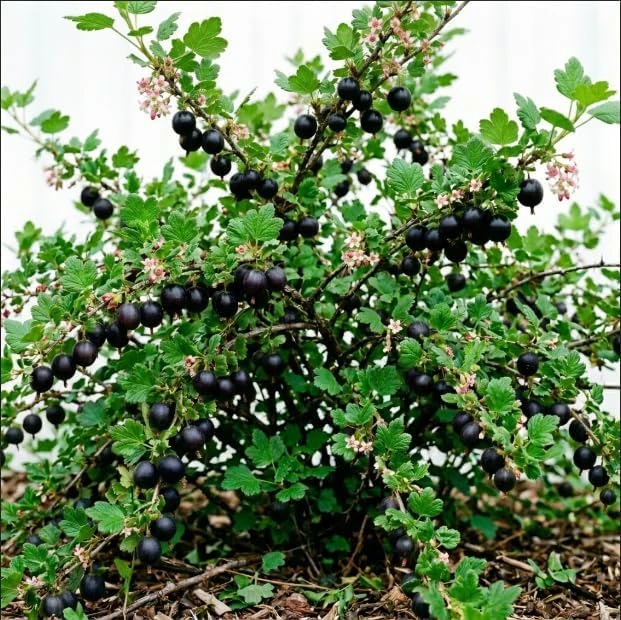
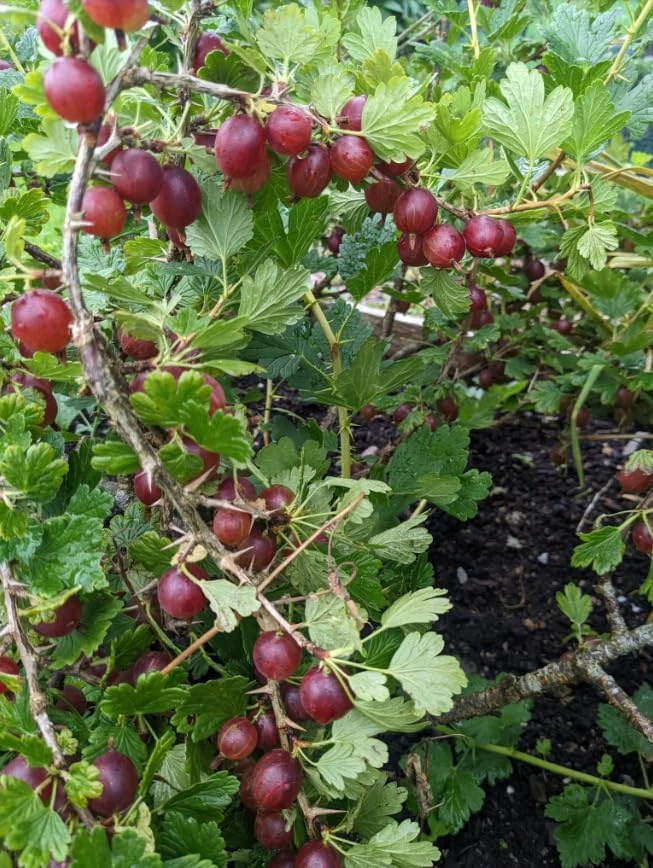
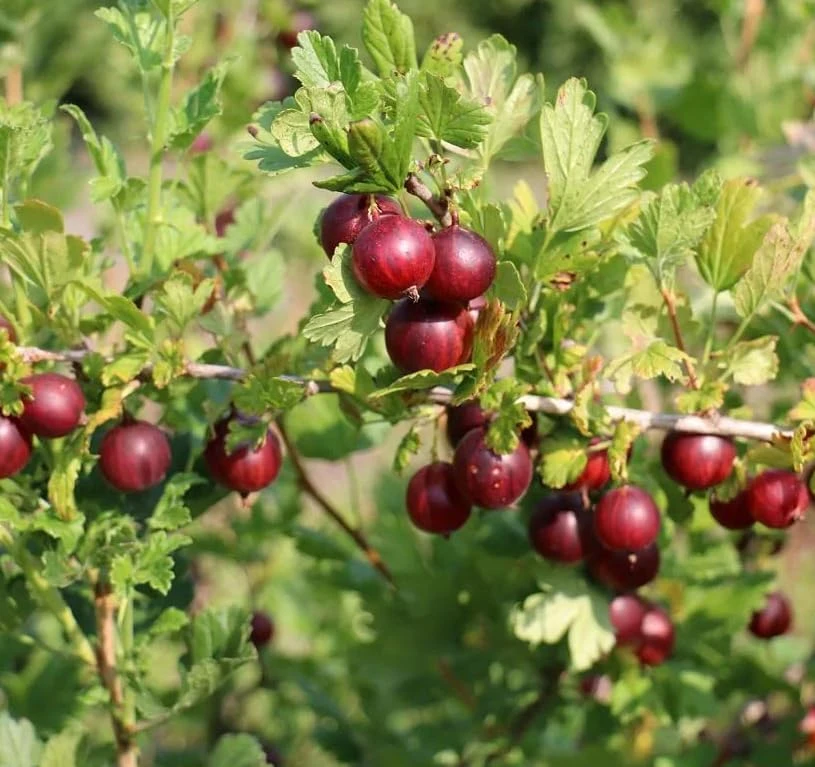
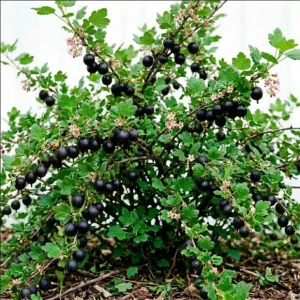
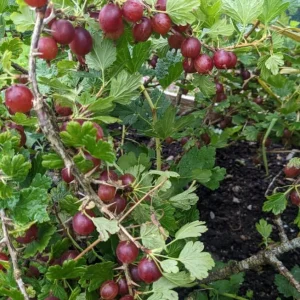
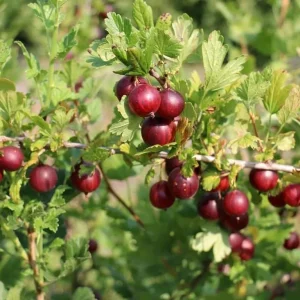
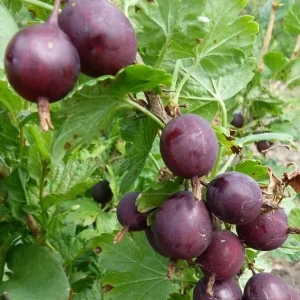
The berries are typically dark purple to black when ripe, about the size of a small grape, and develop in clusters. They are ready for harvest in mid-summer, usually from late June to July, depending on your specific climate zone. The plant forms an attractive, dense shrub making it a good choice for edible landscaping or as a hedge. Its adaptability to various soil types and light conditions, combined with its robust nature, makes the jostaberry live plant a perfect fit for a wide range of garden designs and gardener skill levels.
Frequently Asked Questions
- Q: How big does this jostaberry live plant get? A: A mature jostaberry plant typically grows to a height and spread of 4-6 feet, forming a substantial and productive bush. The plant you receive will be 6-12 inches tall, ready to grow.
- Q: Is this an indoor or outdoor plant? A: The jostaberry live plant is an outdoor fruiting shrub, best suited for garden planting. It requires outdoor conditions to thrive and produce fruit.
- Q: How much sunlight does a jostaberry need? A: Jostaberries prefer full sun for optimal fruit production but can tolerate partial shade, especially in hotter climates. Aim for at least 6 hours of direct sunlight per day.
- Q: Is this plant easy to care for? A: Yes, the jostaberry is known for being a low-maintenance and easy-to-grow plant, making it suitable for both beginner and experienced gardeners. Its resilience and disease resistance simplify jostaberry plant care.
- Q: What condition will the jostaberry live plant arrive in? A: Your jostaberry live plant will arrive as a healthy, rooted plant, carefully packaged to ensure it withstands transit and is ready for planting upon arrival.
- Q: When is the best time to plant a jostaberry? A: The best time to plant a jostaberry is in early spring or late fall when the plant is dormant or semi-dormant. This allows it to establish its root system before extreme weather.
- Q: Will this cold hardy berry plant survive winter in my zone? A: Yes, jostaberries are very cold hardy and thrive in USDA Zones 3-8, meaning they can tolerate very cold winter temperatures common in many regions. It’s a truly cold hardy berry plant.
- Q: Can I grow this thornless berry bush in a container? A: While possible, jostaberries thrive best when planted directly in the ground to allow for ample root development. If using a container, choose a very large pot (at least 15-20 gallons) to accommodate its mature size.
- Q: What kind of fruit does this gooseberry currant cross produce? A: It produces dark, round berries with a unique sweet-tart flavor, a delightful blend of blackcurrant and gooseberry. These are perfect for fresh eating or various culinary uses.
- Q: Is the jostaberry plant self-pollinating? A: Yes, jostaberries are self-fertile, meaning you only need one plant to produce fruit. However, planting multiple bushes may lead to even higher yields due to cross-pollination.


Reviews
There are no reviews yet.