Overview
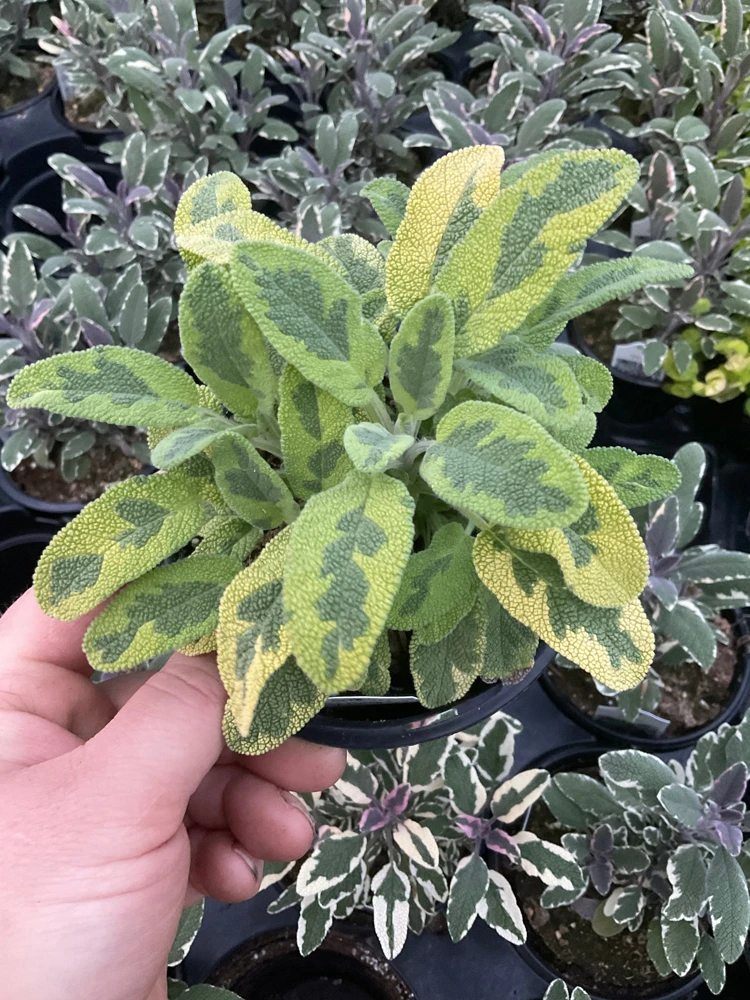
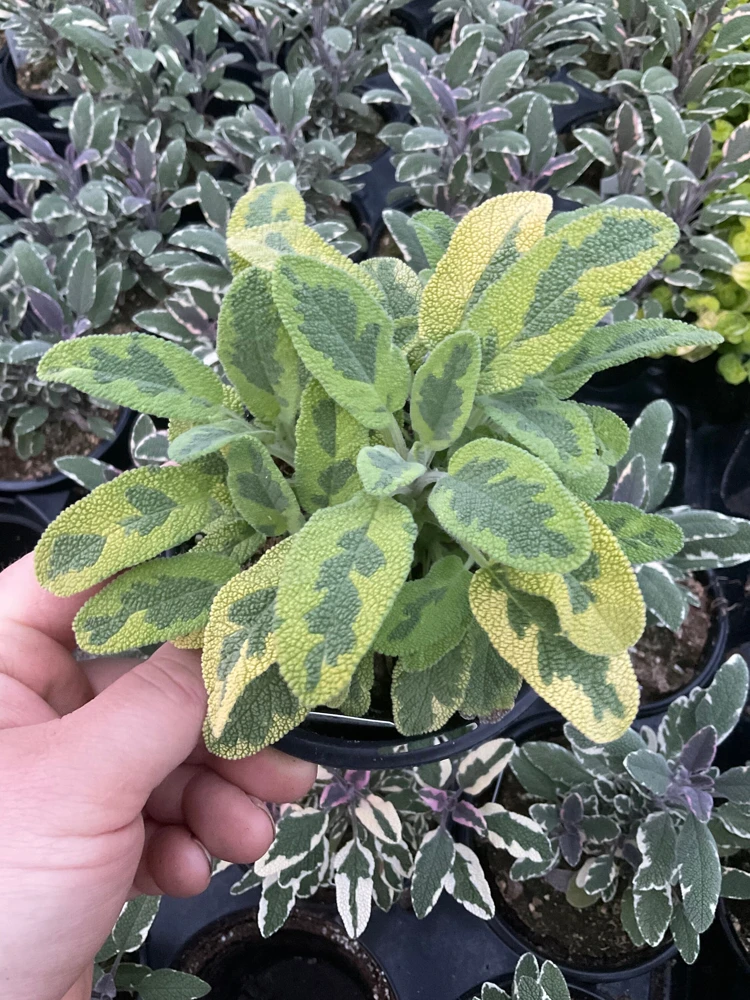
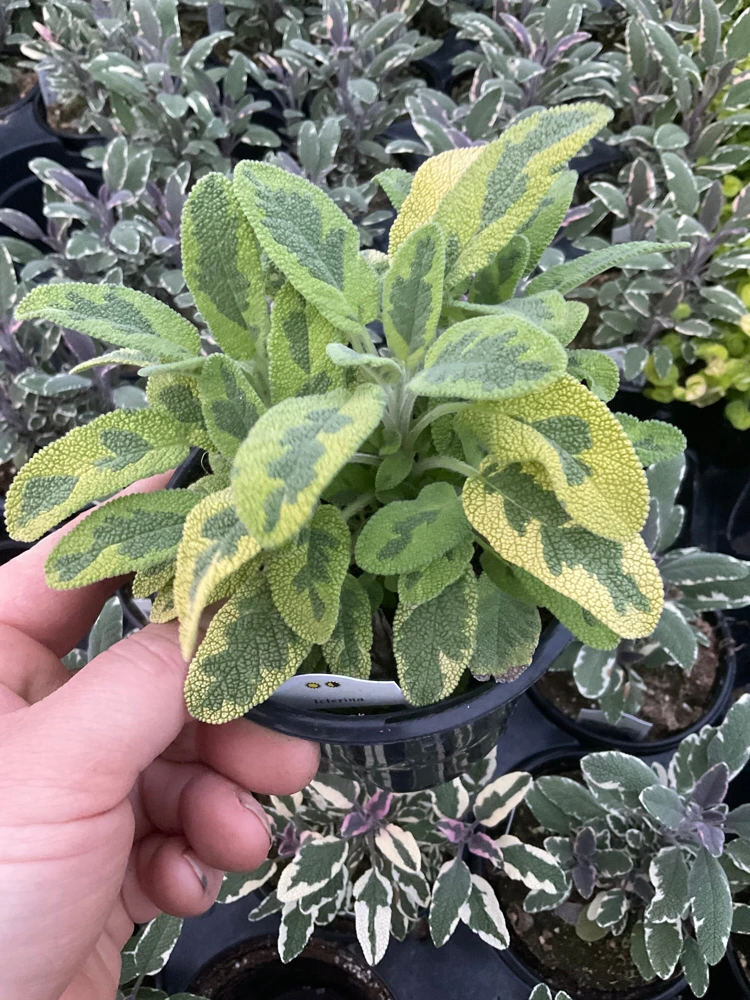
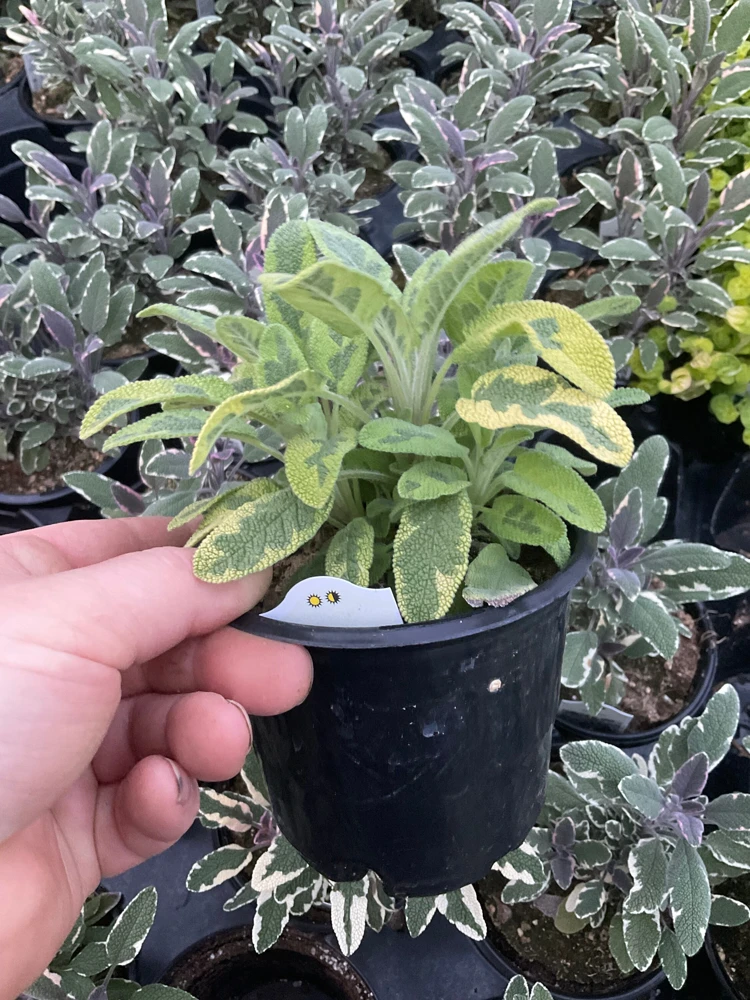
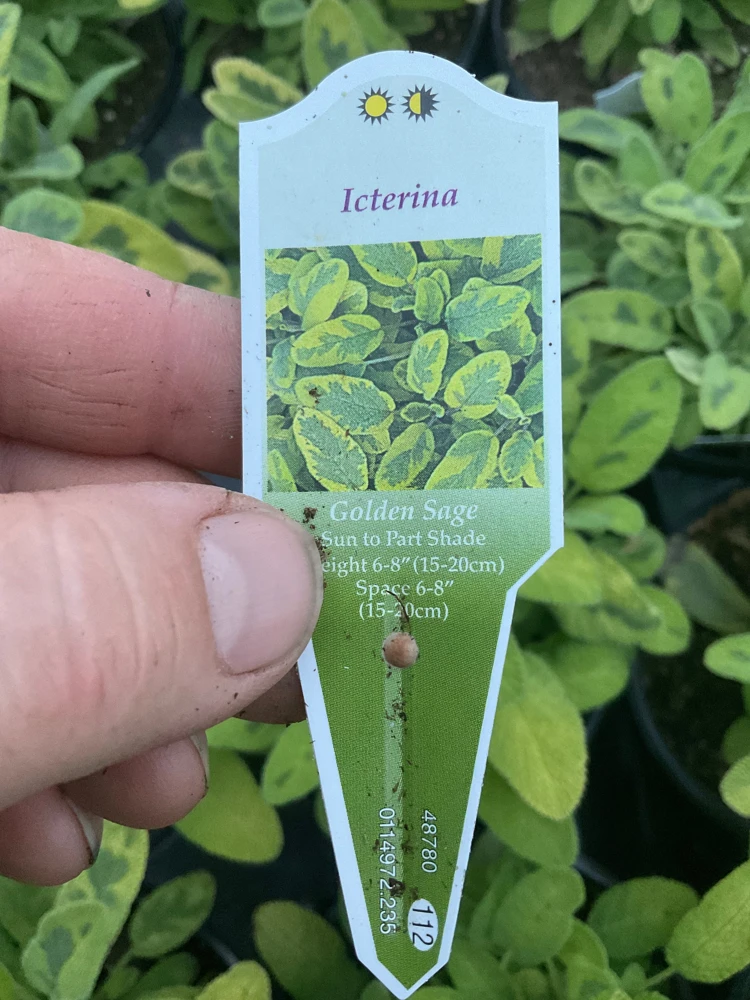
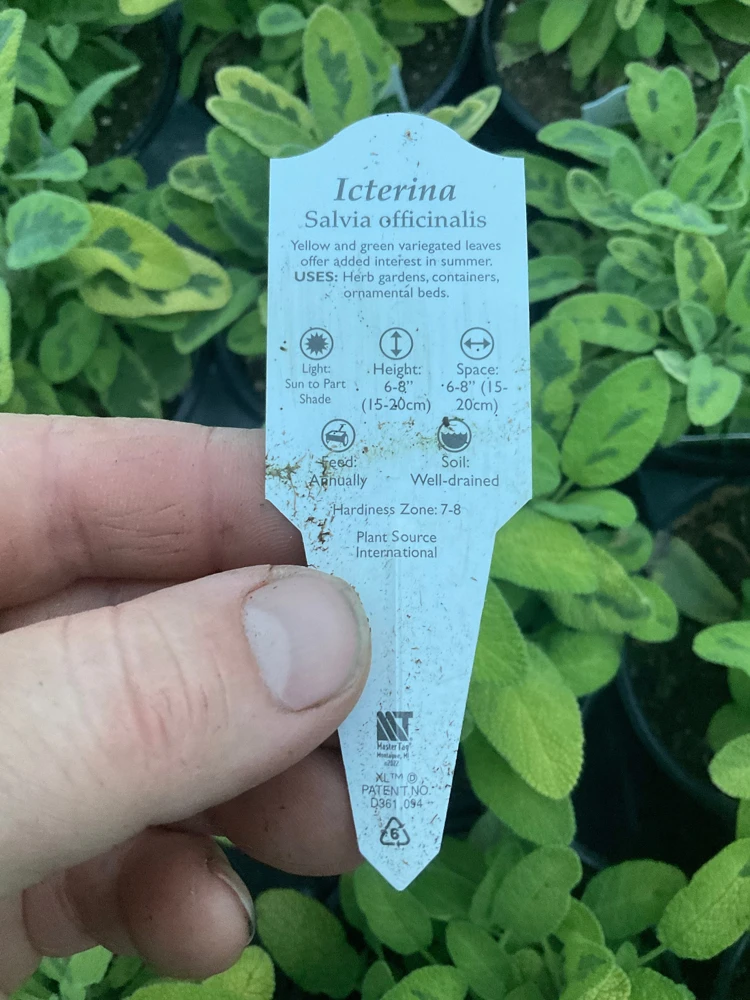
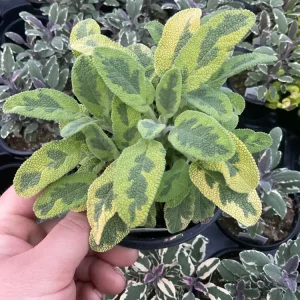
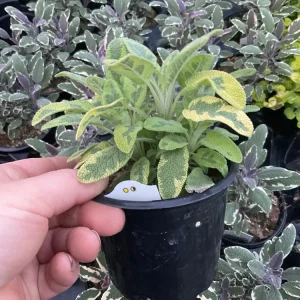
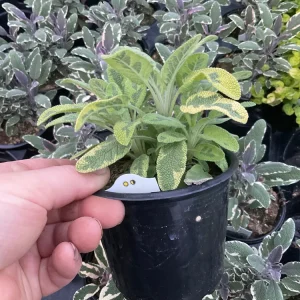
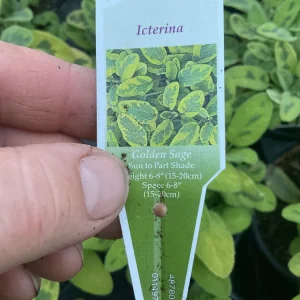
Introduce a touch of culinary elegance and vibrant color to your garden with the Icterina Sage live plant. This exquisite variety of Salvia officinalis, commonly known as Icterina Sage, is cherished for its striking variegated foliage, featuring a beautiful blend of green and golden-yellow. Each leaf is a miniature work of art, making it a standout in herb gardens, borders, or decorative containers. More than just a pretty face, this sage is a robust and aromatic herb, perfect for adding its distinct flavor to your favorite dishes. Whether you’re a seasoned chef or a gardening enthusiast, the variegated sage plant offers both aesthetic appeal and practical utility. It arrives as a healthy, established plant in a 4.5” nursery pot, ready to be transplanted and flourish in its new home.
Our Icterina Sage live plant is carefully cultivated to ensure strong root development and vigorous growth, providing you with a high-quality specimen that will thrive. Its unique coloring makes it an excellent choice for adding visual interest to your plant collection, while its classic sage aroma and taste are indispensable in the kitchen. This versatile herb is relatively easy to care for, making it suitable for gardeners of all experience levels. Enjoy the dual benefits of an ornamental gem and a flavorful culinary staple with this beautiful Salvia officinalis Icterina.
Key Benefits
The Icterina Sage live plant offers a wealth of advantages, from its stunning appearance to its practical uses in the kitchen and garden. It’s a plant that truly delivers on multiple fronts, enriching your outdoor or indoor space in various ways. Embrace the unique qualities of this exceptional herb.
- Striking Variegated Foliage: The most immediate benefit is its visual appeal. The leaves feature a captivating blend of green and golden-yellow, providing year-round color and texture that elevates any garden design or container arrangement. This makes it an excellent focal point.
- Aromatic Culinary Herb: Beyond its beauty, Icterina Sage is a fantastic culinary herb. Its leaves carry the classic, earthy, slightly peppery flavor of sage, perfect for seasoning poultry, pork, vegetables, and stuffings. Fresh sage from your garden significantly enhances the taste of home-cooked meals.
- Low Maintenance and Drought Tolerant: This variegated sage plant is remarkably resilient and easy to care for. Once established, it requires minimal watering and is quite drought-tolerant, making it an ideal choice for busy gardeners or those in drier climates.
- Attracts Pollinators: When it blooms, typically in late spring to early summer, Salvia officinalis Icterina produces small, attractive flowers that are highly appealing to bees, butterflies, and other beneficial pollinators, contributing to a healthier garden ecosystem.
- Deer and Rabbit Resistant: Due to its aromatic foliage, Icterina Sage is generally unappealing to deer and rabbits, making it a great choice for gardens where these pests are a concern. You can enjoy its beauty without constant worry.
- Versatile Garden Use: This plant is incredibly versatile. It thrives in herb gardens, rock gardens, perennial borders, and containers. Its compact, bushy habit makes it suitable for various landscape applications, adding beauty and fragrance wherever it’s placed.
- Potential Medicinal Properties: Like other sage varieties, Salvia officinalis Icterina has historically been used in traditional medicine for its purported anti-inflammatory and antioxidant properties, adding another layer of value to this remarkable plant.
Plant Care & Growing Tips
Caring for your Icterina Sage live plant is straightforward, ensuring you enjoy its beauty and bounty for years to come. This robust herb prefers conditions that mimic its Mediterranean origins, thriving in sunny, well-draining environments. Providing the right care will lead to a healthy, vigorous plant with vibrant foliage and abundant flavor.
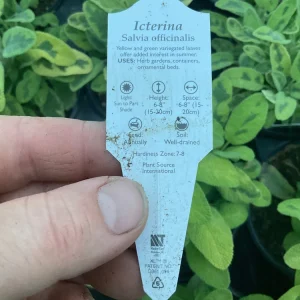
Sunlight: Icterina Sage thrives in full sun, meaning it requires at least 6-8 hours of direct sunlight per day. In very hot climates, some afternoon shade can be beneficial to prevent leaf scorch, but generally, the more sun it receives, the better its variegation and overall health will be. For indoor growing, place it in your brightest south-facing window or under a grow light.
Watering: This culinary sage plant is drought-tolerant once established. Water thoroughly when the top 1-2 inches of soil feel dry to the touch. Allow the soil to dry out between waterings to prevent root rot. Overwatering is a common cause of issues with sage. Reduce watering significantly during cooler, dormant months. Always ensure proper drainage.
Soil: Well-draining soil is crucial for Icterina Sage. It prefers lean to moderately fertile soil with a neutral to slightly alkaline pH. A sandy loam mix amended with some compost is ideal. Avoid heavy, clay soils that retain too much moisture. For container planting, use a high-quality potting mix designed for herbs or succulents, ensuring the pot has drainage holes.
Temperature & Hardiness: Icterina Sage is generally hardy in USDA Zones 5-9. It can tolerate light frost but may need protection in colder zones during winter, such as mulching or bringing potted plants indoors. It prefers moderate temperatures and good air circulation. Extreme humidity can sometimes lead to fungal issues.
Fertilization: Sage is not a heavy feeder. A light application of a balanced, slow-release granular fertilizer in spring is usually sufficient. Alternatively, you can use a diluted liquid feed every 4-6 weeks during the growing season. Avoid over-fertilizing, as this can lead to leggy growth and reduced flavor concentration. Composting around the base can provide gentle, continuous nutrients.
Pruning: Prune your ornamental herb in early spring to encourage bushier growth and prevent it from becoming woody. You can also lightly prune throughout the growing season to harvest leaves and maintain its shape. After flowering, trim back spent flower stalks. Regular harvesting of leaves also acts as a form of pruning, promoting new growth.
Pest and Disease: Icterina Sage is generally pest-resistant. Occasionally, aphids or spider mites might appear; these can usually be managed with insecticidal soap or a strong spray of water. Ensure good air circulation to prevent fungal diseases like powdery mildew, especially in humid conditions.
Size & Details
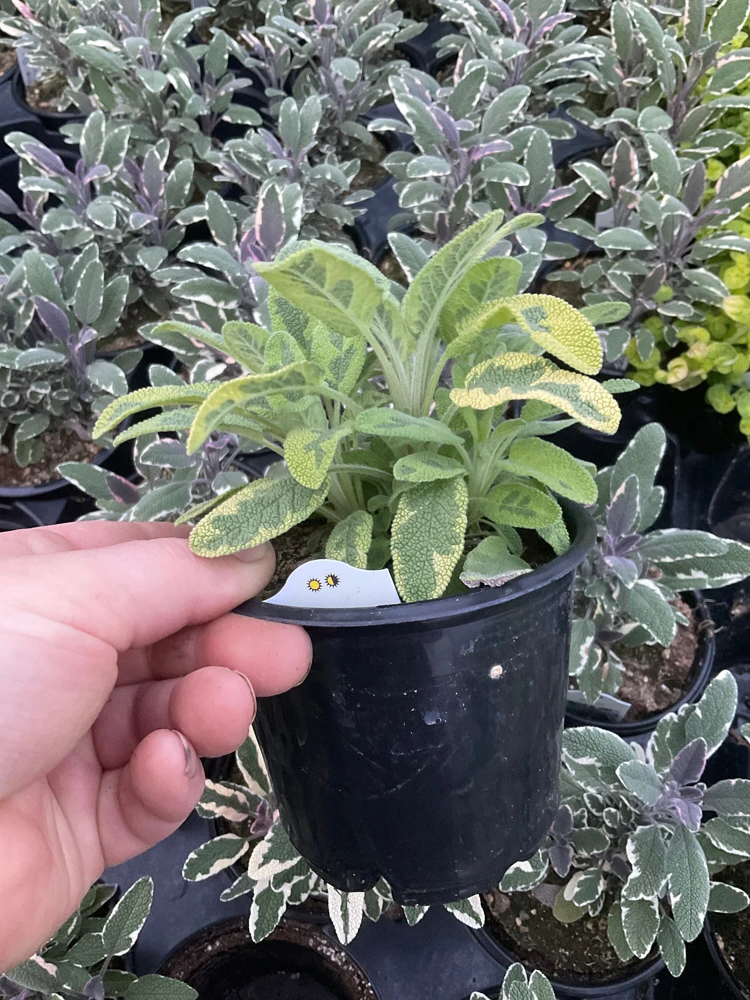
The Icterina Sage live plant you receive will be a healthy, established specimen, ready to thrive in your garden or container. Each plant is carefully nurtured in a 4.5-inch plastic nursery pot, providing a robust root system for successful transplanting. At the time of shipment, plants typically stand between 6-10 inches tall, including the pot, offering a good size for immediate impact and further growth. This perennial herb generally forms a compact, bushy mound, reaching a mature size of about 18-24 inches in height and spread, depending on growing conditions and pruning habits.
With proper care, your variegated sage plant will establish quickly and begin producing its aromatic leaves. While it can be harvested lightly upon arrival, allow it some time to acclimate to its new environment for optimal growth. Expect consistent growth throughout the spring and summer, with potential flowering in late spring to early summer, adding another layer of beauty to this already attractive Salvia officinalis Icterina. It ships in its nursery pot with soil, ensuring minimal transplant shock and a smooth transition to your garden or chosen container.
Frequently Asked Questions
- Q: How big does this Icterina Sage plant get? A: The Icterina Sage live plant typically grows to a mature size of about 18-24 inches tall and wide. Its compact, bushy habit makes it suitable for various garden spaces and containers. Regular pruning can help maintain its desired size and shape.
- Q: What size pot does it come in? A: Your Icterina Sage live plant will arrive growing in a 4.5-inch plastic nursery pot. This size is ideal for a young, established plant, providing enough space for its roots before transplanting to a larger container or garden bed.
- Q: Is this an indoor or outdoor plant? A: While primarily grown outdoors in garden beds or containers, the Icterina Sage live plant can also be grown indoors in a very sunny location. If grown indoors, ensure it receives at least 6 hours of bright, direct sunlight daily, ideally from a south-facing window.
- Q: How much sunlight does it need? A: Icterina Sage thrives in full sun, requiring a minimum of 6-8 hours of direct sunlight per day to maintain its vibrant variegation and robust growth. In very hot climates, some afternoon shade can be beneficial.
- Q: Is this plant easy to care for? A: Yes, Icterina Sage is considered a relatively easy-care plant. It’s drought-tolerant once established and generally pest-resistant, making it suitable for both beginner and experienced gardeners. Its main requirements are full sun and well-draining soil.
- Q: What condition will it arrive in? A: Your variegated sage plant will arrive as a healthy, live plant in its 4.5-inch nursery pot, carefully packaged to minimize stress during transit. It will be ready for transplanting or acclimation to its new environment.
- Q: Is it shipped in soil? A: Yes, the Icterina Sage live plant is shipped in its original nursery pot with soil, ensuring the roots remain undisturbed and hydrated during shipping. This method helps reduce transplant shock upon arrival.
- Q: Can I use Icterina Sage in cooking? A: Absolutely! Icterina Sage is a fantastic culinary herb. Its leaves have the classic sage flavor, perfect for seasoning poultry, pork, stuffings, and various other dishes. The variegated leaves also make a beautiful garnish.
- Q: When is the best time to plant Icterina Sage? A: The best time to plant your culinary sage plant outdoors is in spring after the last frost, or in early fall. If planting in a container, it can be done at any time of year, provided you can meet its light and temperature requirements.
- Q: Will it survive winter in my zone? A: Icterina Sage is hardy in USDA Zones 5-9. In Zone 5, it may benefit from winter protection like mulching. In colder zones, it’s best grown as an annual or brought indoors for the winter. In warmer zones, it’s a reliable perennial.


Reviews
There are no reviews yet.