Overview
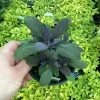
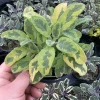
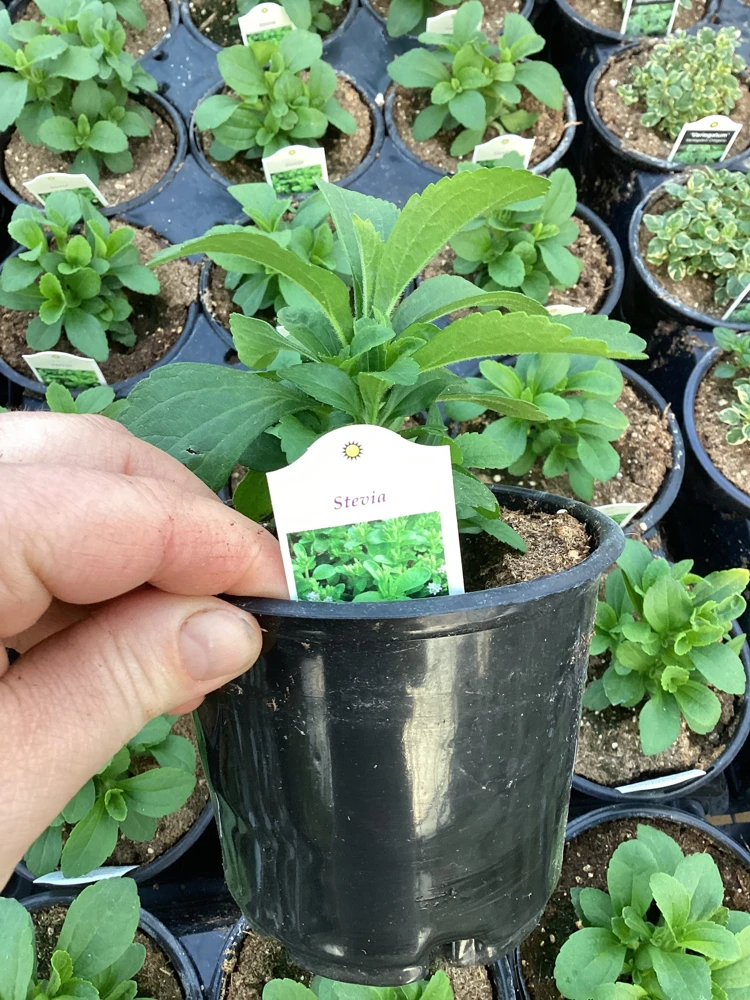
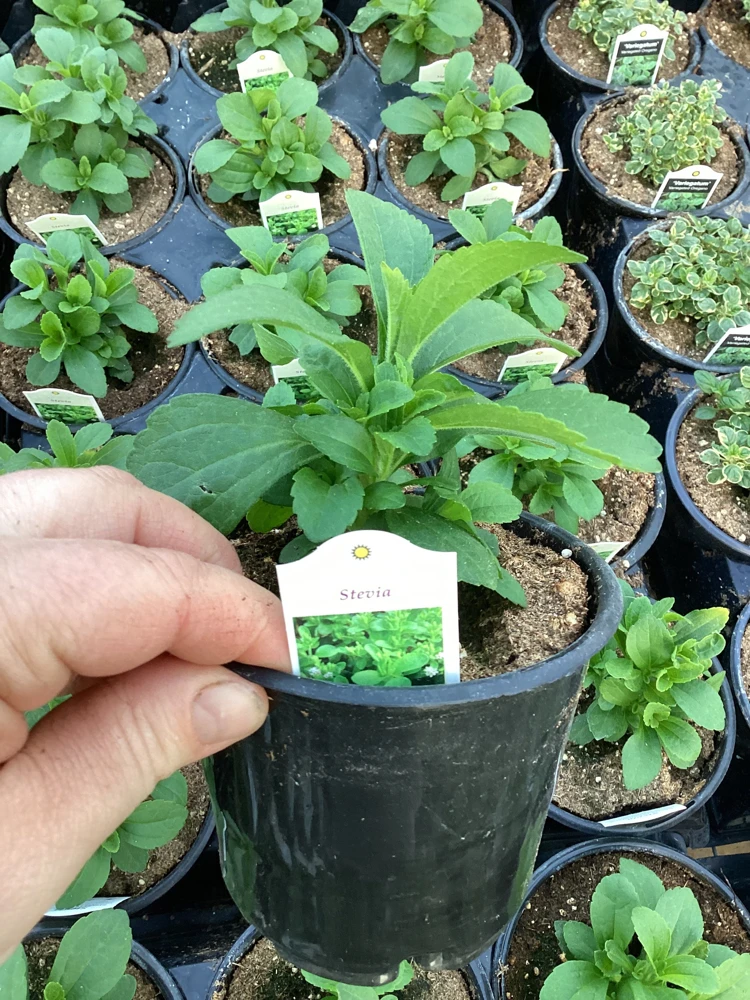
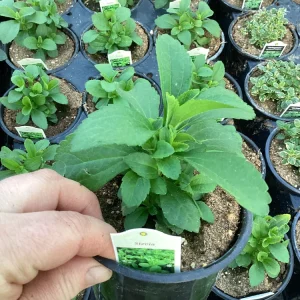
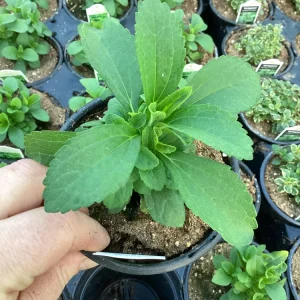
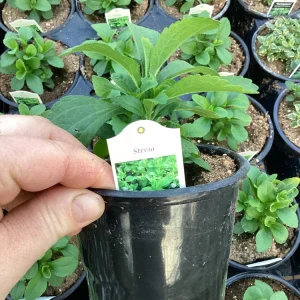
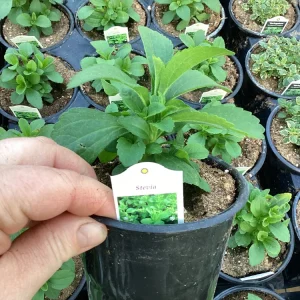
Discover the joy of growing your own natural sweetener with our premium stevia live plant. Stevia (Stevia rebaudiana) is a remarkable herb native to South America, renowned for its intensely sweet leaves that contain steviol glycosides, compounds hundreds of times sweeter than sugar without the calories. This live plant offers a sustainable and healthy way to enjoy sweetness directly from your garden or patio. Imagine plucking fresh stevia leaves to sweeten your tea, coffee, or favorite recipes, knowing exactly where your sweetener comes from. Our stevia live plant is carefully nurtured to ensure it arrives healthy and ready to thrive in your home garden, providing you with an abundant supply of nature’s own sugar substitute.
Whether you’re looking to reduce sugar intake, explore natural alternatives, or simply enjoy the novelty of growing unique edible plants, stevia is an excellent choice. It’s a beautiful, compact plant that fits well in various settings, from herb gardens to container pots on a sunny balcony. Growing your own stevia live plant also connects you to a long history of use, as indigenous peoples have utilized stevia for centuries for its sweetening and medicinal properties. Embrace a healthier lifestyle and add this extraordinary herb to your botanical collection today.
Key Benefits
Bringing a stevia live plant into your home offers a multitude of advantages, making it a highly desirable addition for health-conscious gardeners and culinary enthusiasts alike. Its unique properties provide benefits that extend beyond simple gardening.
- Natural Sweetener: The primary benefit is access to a zero-calorie, all-natural sweetener. Stevia leaves can be used fresh, dried, or powdered to sweeten drinks and food without the need for processed sugars or artificial alternatives, making it ideal for those managing blood sugar levels or weight.
- Health-Conscious Choice: By growing your own, you ensure a pure, unadulterated source of stevia, free from additives often found in commercial stevia products. This empowers you to make healthier choices for your diet and lifestyle.
- Easy to Grow: Stevia plants are relatively low-maintenance once established. They adapt well to various growing conditions, making them suitable for both novice and experienced gardeners. Learning how to grow stevia plant is a rewarding experience.
- Versatile Culinary Use: Fresh stevia leaves can be muddled into drinks, steeped in teas, or finely chopped and added to smoothies, desserts, and savory dishes. Dried leaves can be ground into a powder for long-term storage and use.
- Attractive Foliage: Beyond its utility, the stevia live plant features attractive green foliage that adds a touch of natural beauty to herb gardens, kitchen windowsills, or patio containers.
- Sustainable & Economical: Once established, your stevia plant will continuously produce sweet leaves, offering a sustainable and cost-effective alternative to buying packaged sweeteners.
- Educational Experience: Growing stevia can be a fascinating educational project for families, teaching about plant biology, sustainable living, and healthy eating habits.
Plant Care & Growing Tips
Ensuring your stevia live plant thrives requires understanding its basic needs for sunlight, water, and soil. Stevia is a fairly resilient herb, but providing optimal conditions will lead to a more prolific and sweeter harvest. For successful growth, focus on mimicking its native subtropical environment.
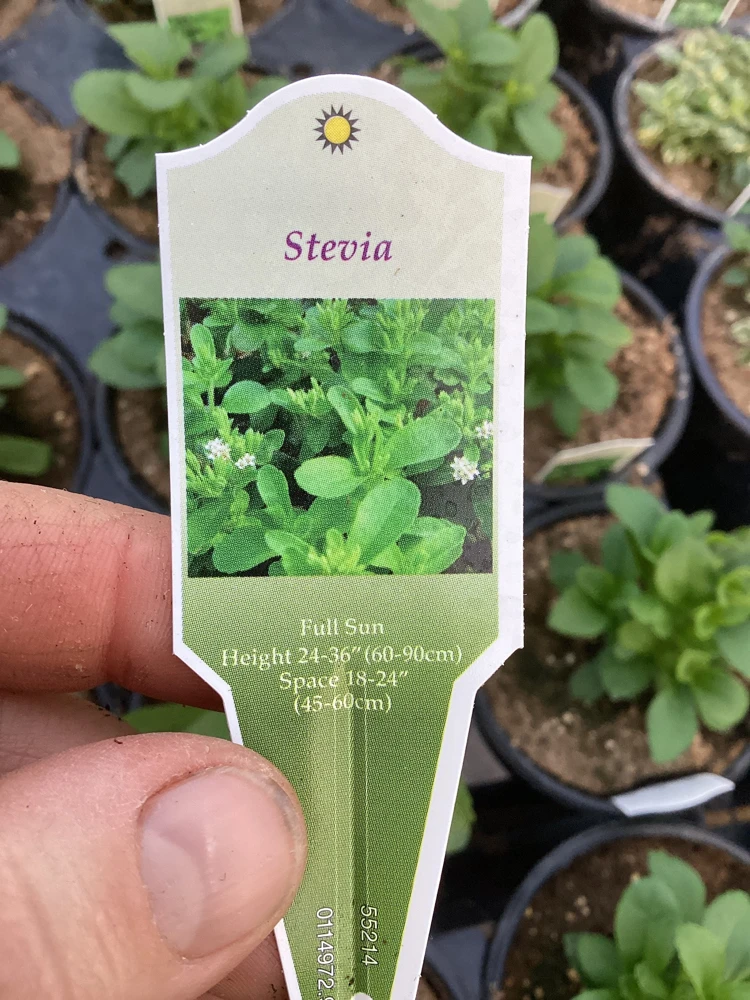
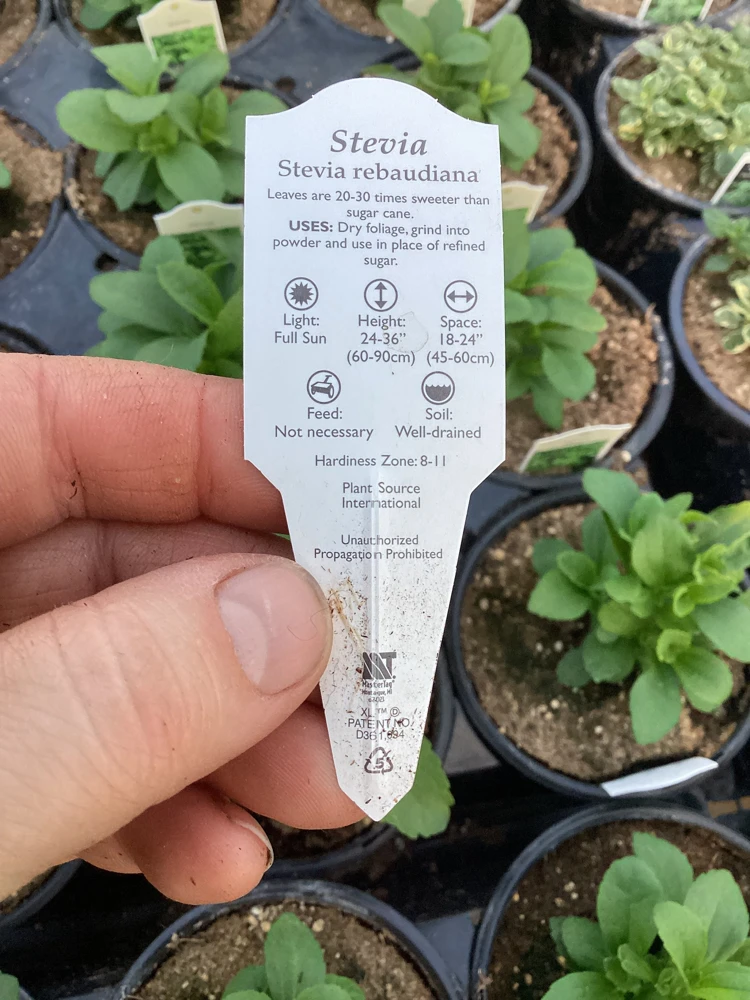
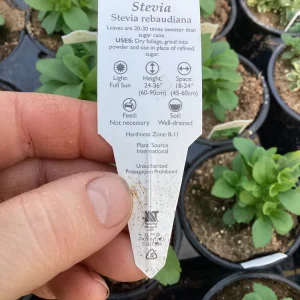
Sunlight: Stevia plants love sunlight. They perform best in full sun, meaning at least 6-8 hours of direct sunlight per day. If growing indoors, place your plant in a south-facing window or under a grow light to ensure it receives adequate light. Insufficient light can lead to leggy growth and reduced sweetness in the leaves. When growing outdoors, choose a spot that gets morning sun and some afternoon shade in very hot climates to prevent scorching.
Watering: Consistent moisture is key for a healthy stevia live plant. Water thoroughly when the top inch of soil feels dry to the touch. Avoid overwatering, which can lead to root rot, but also prevent the soil from drying out completely, especially during hot weather. Good drainage is crucial. In containers, ensure pots have drainage holes, and water until it flows out the bottom. Reduce watering slightly in cooler months or if the plant is dormant.
Soil & Fertilization: Stevia prefers well-draining, fertile soil with a pH between 6.7 and 7.2. A good quality potting mix enriched with compost or organic matter is ideal for container growing. For garden beds, amend heavy clay soils with sand and compost to improve drainage and fertility. Fertilize sparingly; a balanced liquid fertilizer diluted to half strength every 2-4 weeks during the growing season (spring and summer) is usually sufficient. Over-fertilization can reduce the sweetness of the leaves. Understanding stevia plant care involves finding a balance.
Temperature & Hardiness: Stevia is a tender perennial and is typically grown as an annual in most temperate climates. It thrives in warm temperatures, ideally between 68-86°F (20-30°C). It is not frost-tolerant and will die back with the first hard frost. In USDA zones 8 and above, it may overwinter outdoors with protection. In colder zones, it can be brought indoors before the first frost to continue growing as a houseplant. Regular pruning encourages bushier growth and more leaf production, which is essential for a good harvest of your natural sweetener plant.
Size & Details
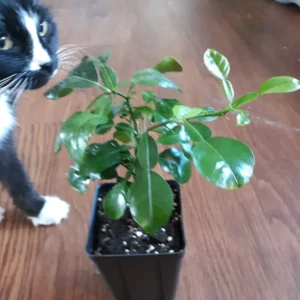
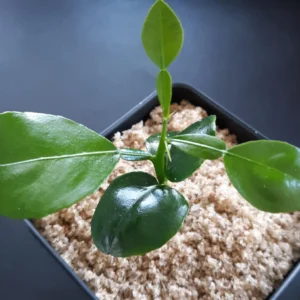
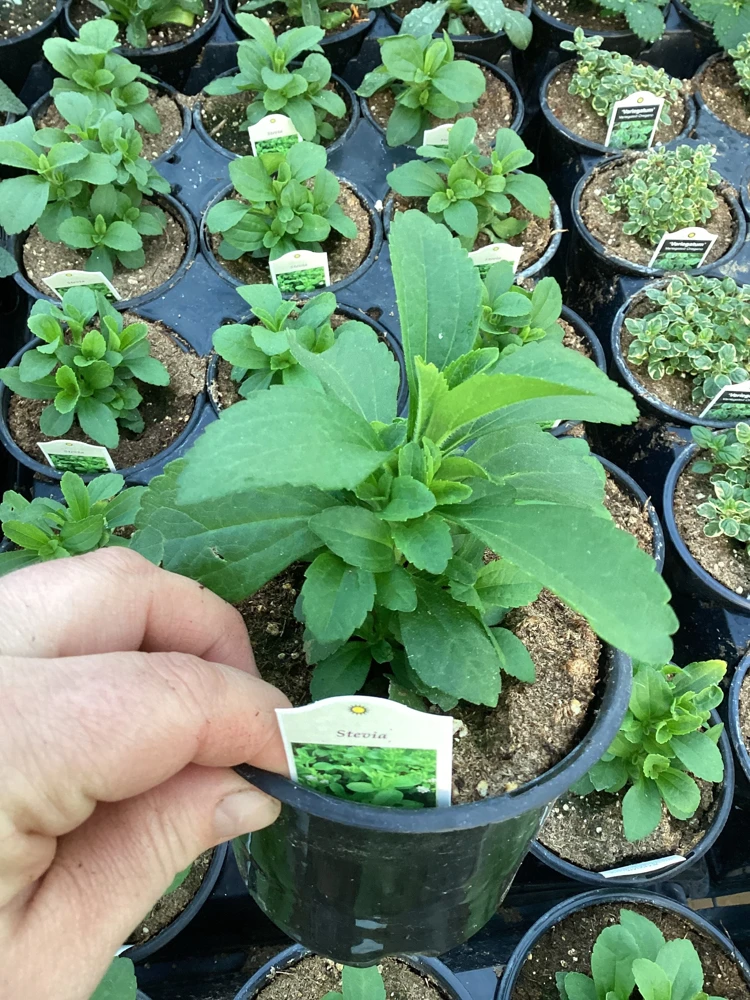
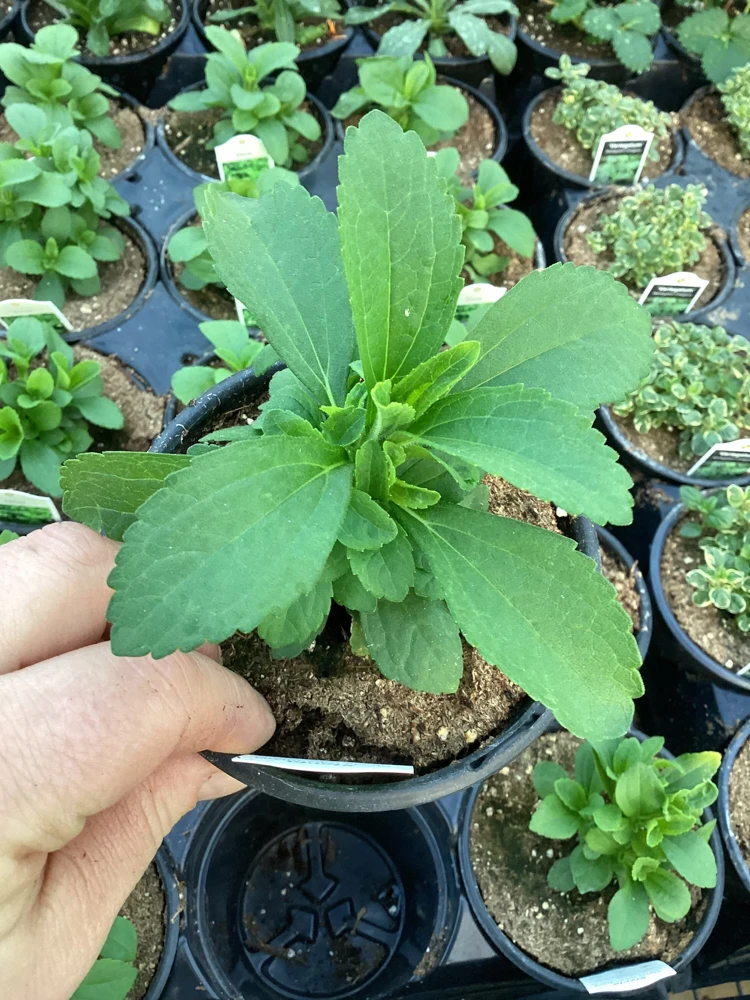
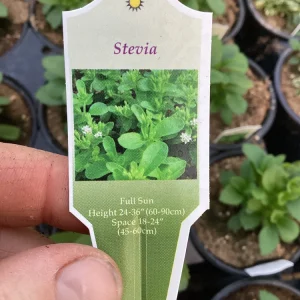
Our stevia live plant typically ships as a young, actively growing plant, usually 4-8 inches tall, ready for transplanting into a larger pot or your garden. It is carefully packaged to ensure it arrives healthy and vibrant. When mature, stevia plants can reach a height of 1-3 feet tall and spread about 1-2 feet wide, forming a bushy, upright habit. The growth rate is moderate, allowing you to enjoy fresh leaves relatively quickly after planting. The plant produces small, white, inconspicuous flowers, which can be pinched off to encourage more leaf growth and maintain sweetness, as flowering can sometimes reduce the intensity of the leaf flavor.
This herb is well-suited for container gardening, making it an excellent choice for patios, balconies, or sunny windowsills. For best results, transplant into a pot at least 6-8 inches in diameter, gradually increasing pot size as the plant grows. In ideal conditions, your stevia rebaudiana plant can provide fresh, sweet leaves throughout the growing season, offering a continuous supply of natural sweetness for your culinary needs. Expect a robust root system and healthy foliage upon arrival, indicating a strong start for your new herb.
Frequently Asked Questions
- Q: How big does this stevia plant get? A: A mature stevia live plant typically grows to about 1 to 3 feet tall and spreads 1 to 2 feet wide, forming a compact, bushy herb. Its size can be managed with regular pruning, making it suitable for various garden spaces or containers.
- Q: Is this an indoor or outdoor plant? A: Stevia can be grown both indoors and outdoors. It thrives outdoors in warm weather and full sun. In colder climates, it’s best grown in a container and brought indoors before the first frost to continue growing as a houseplant in a sunny window.
- Q: How much sunlight does it need? A: Your stevia live plant requires plenty of sunlight. Aim for at least 6-8 hours of direct sunlight per day for optimal growth and sweetness. If growing indoors, place it in the brightest spot available, ideally a south-facing window.
- Q: Is this plant easy to care for? A: Yes, stevia is considered relatively easy to care for. It needs consistent watering, well-draining soil, and plenty of sun. With these basic requirements met, even beginner gardeners can successfully grow stevia plant and enjoy its sweet leaves.
- Q: What condition will it arrive in? A: Your stevia live plant will arrive carefully packaged, typically as a healthy young plant with established roots and vibrant foliage, ready for transplanting. We take great care to ensure its safe journey to your home.
- Q: Can I use stevia leaves in cooking? A: Absolutely! Fresh or dried stevia leaves can be used to naturally sweeten teas, coffees, smoothies, desserts, and various recipes. You can muddle fresh leaves, steep them, or grind dried leaves into a powder for versatile culinary applications.
- Q: When is the best time to plant stevia? A: The best time to plant stevia outdoors is in the spring after all danger of frost has passed and soil temperatures have warmed. If growing indoors, it can be planted year-round, provided it receives adequate light and warmth.
- Q: What’s the minimum temperature this plant can tolerate? A: Stevia is not frost-hardy. It prefers temperatures above 50°F (10°C) and will suffer damage or die if exposed to freezing temperatures. If you live in a cold climate, bring your natural sweetener plant indoors before temperatures drop.
- Q: Is this plant pet-safe? A: Stevia is generally considered non-toxic to pets according to various plant safety lists. However, it’s always wise to monitor your pets and discourage them from consuming large quantities of any plant.
- Q: How do I harvest stevia leaves? A: You can begin harvesting leaves once the plant is established and has grown several inches tall. Simply snip off individual leaves or small sections of stems as needed. Regular harvesting encourages bushier growth and more leaf production from your stevia rebaudiana.


Reviews
There are no reviews yet.