Overview
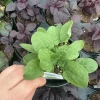
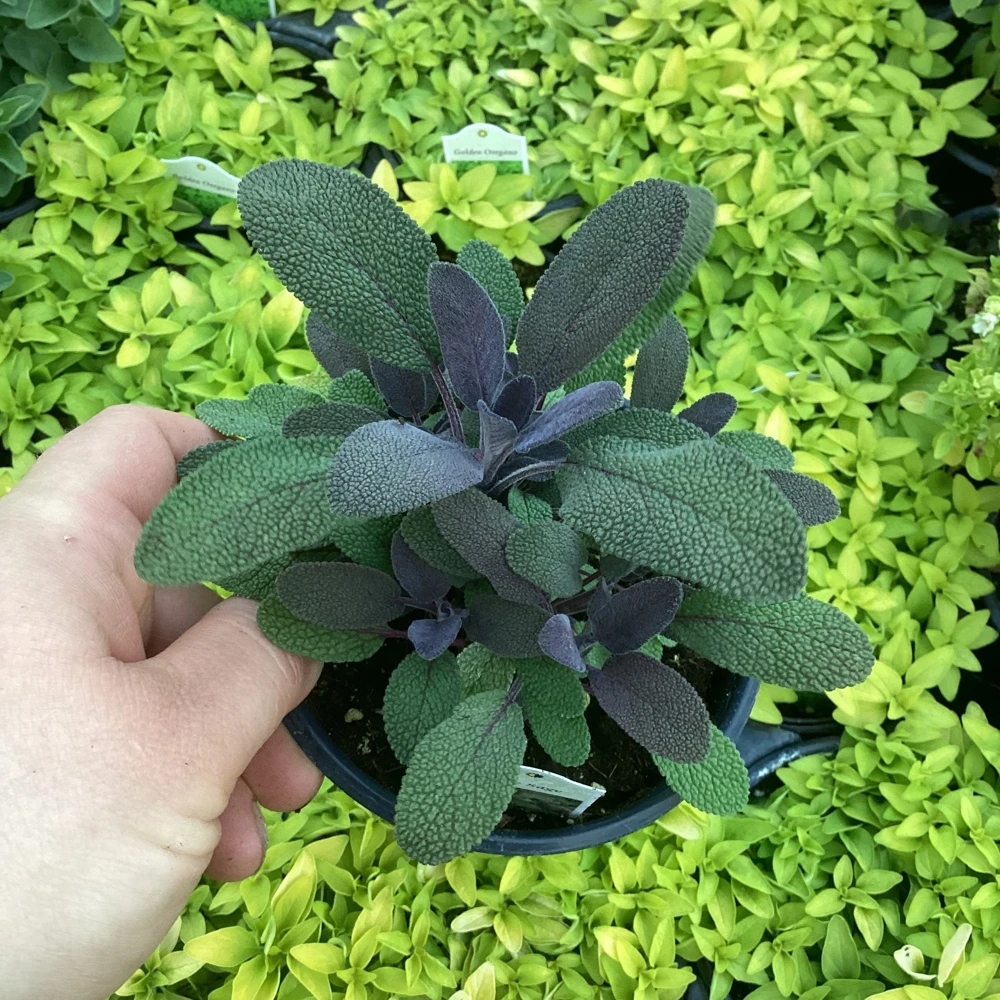
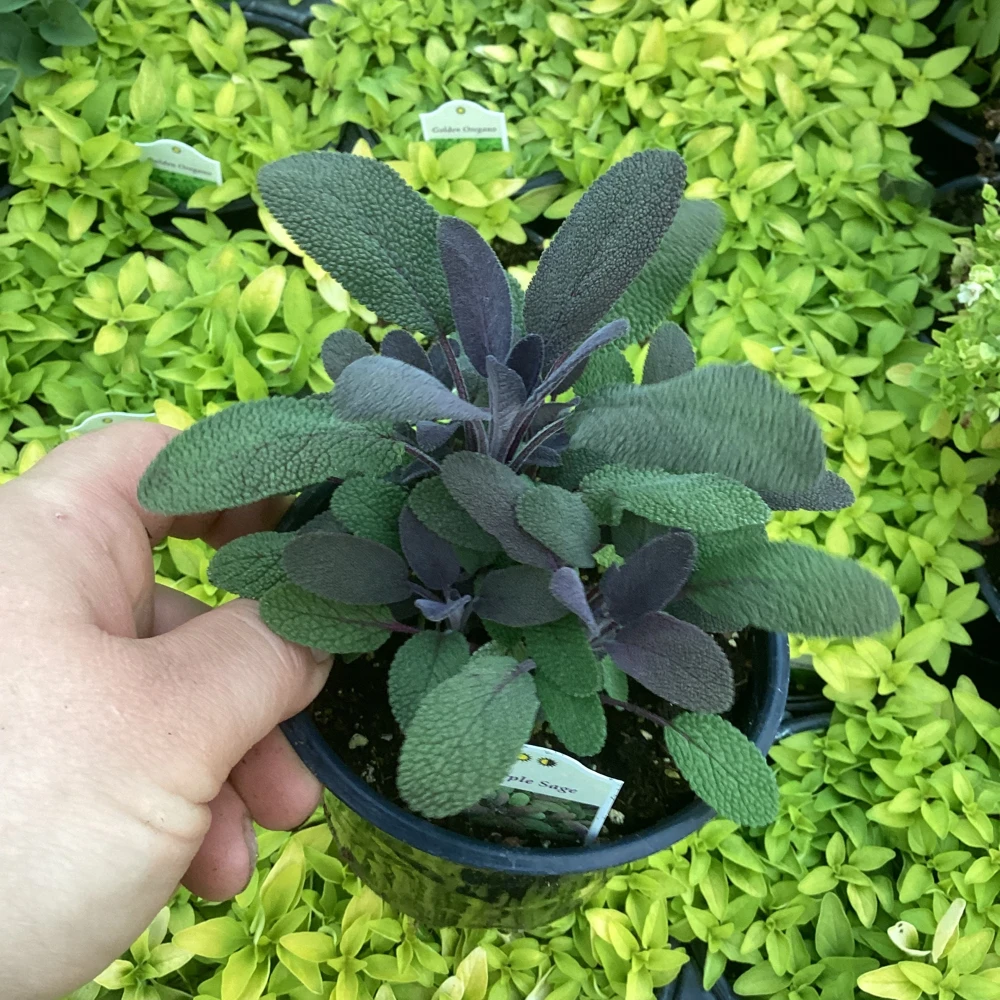
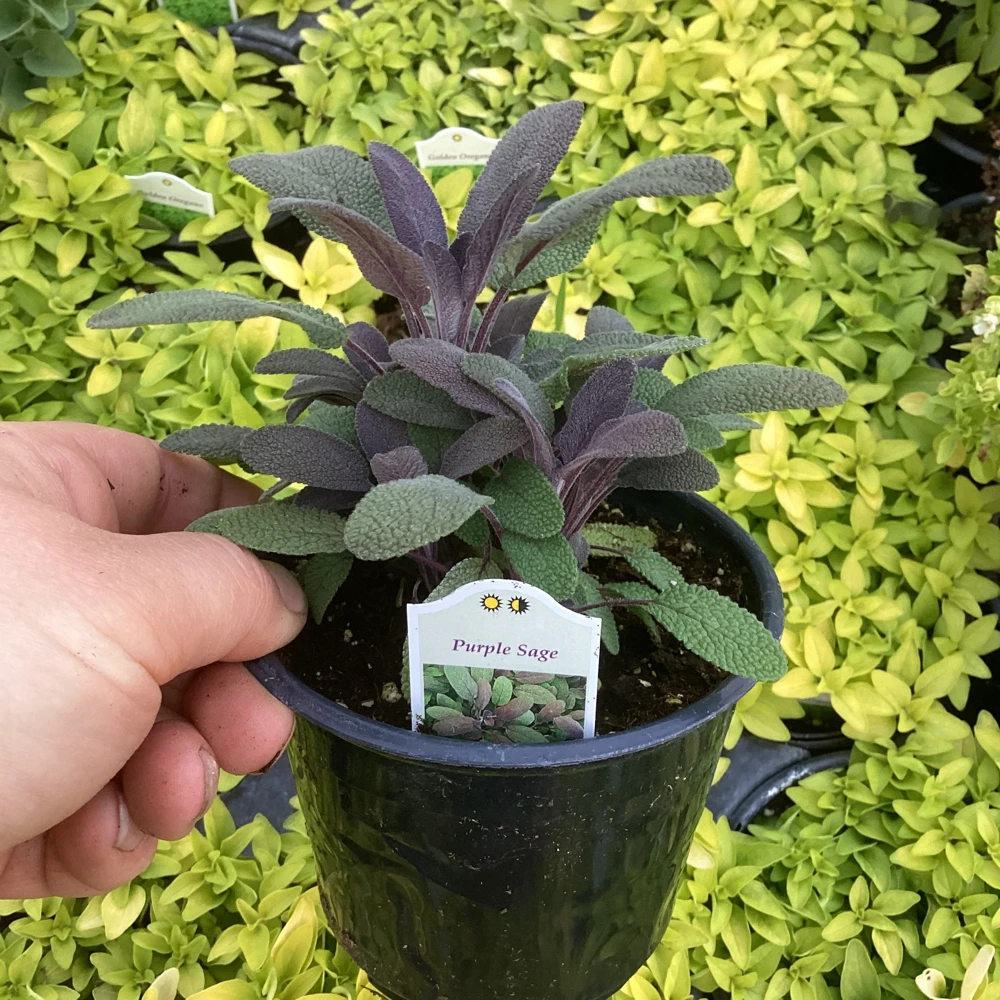
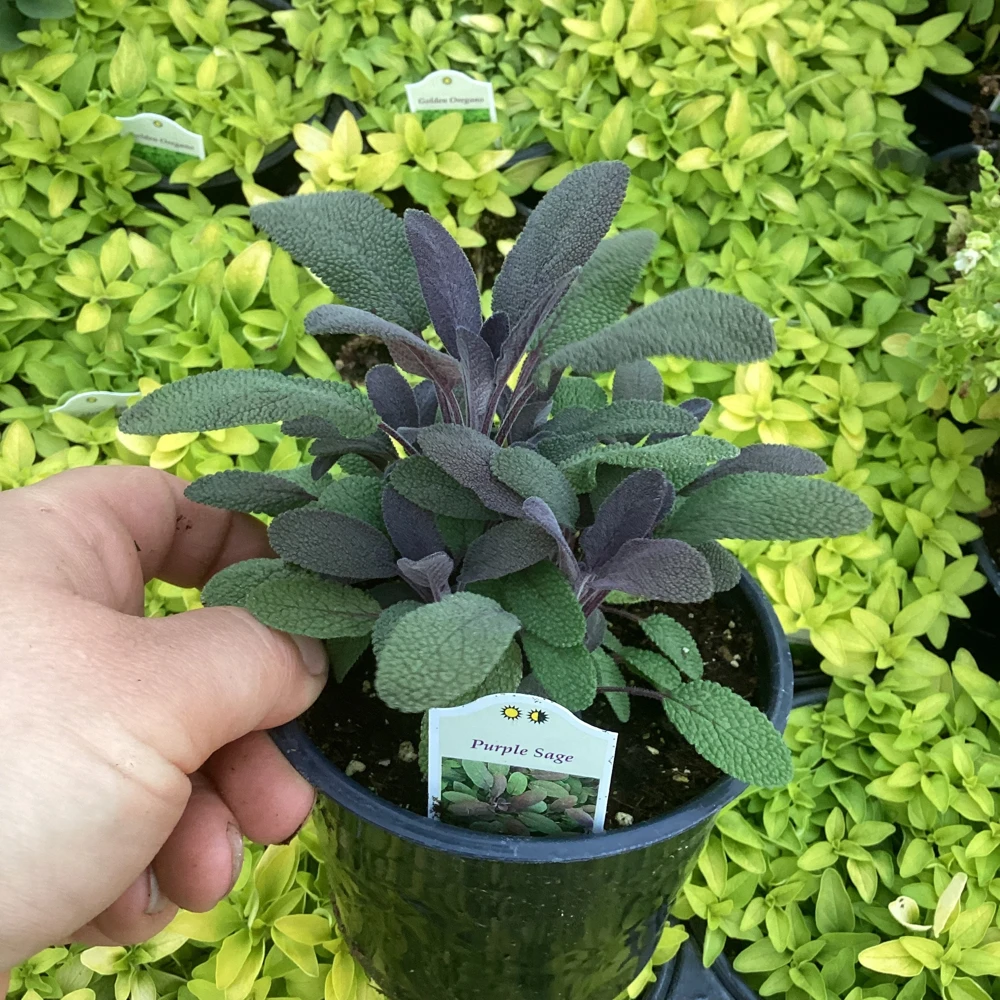
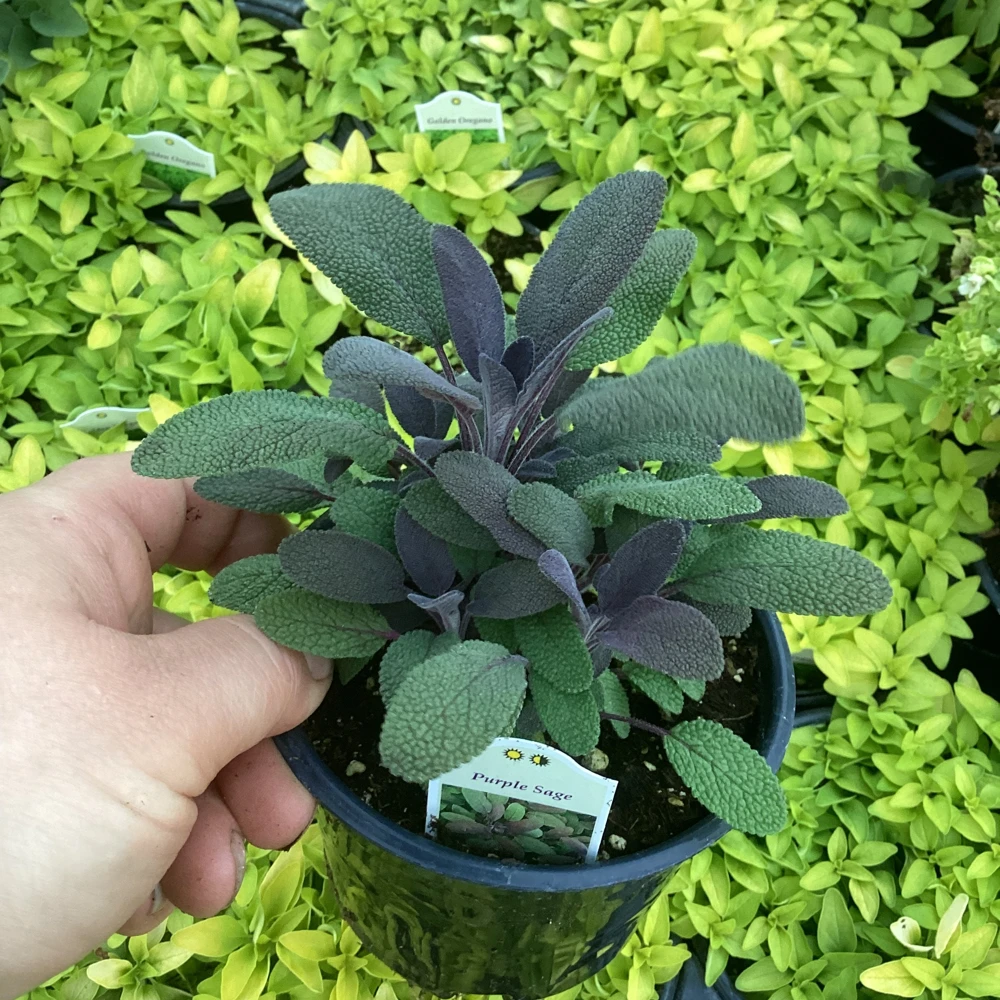
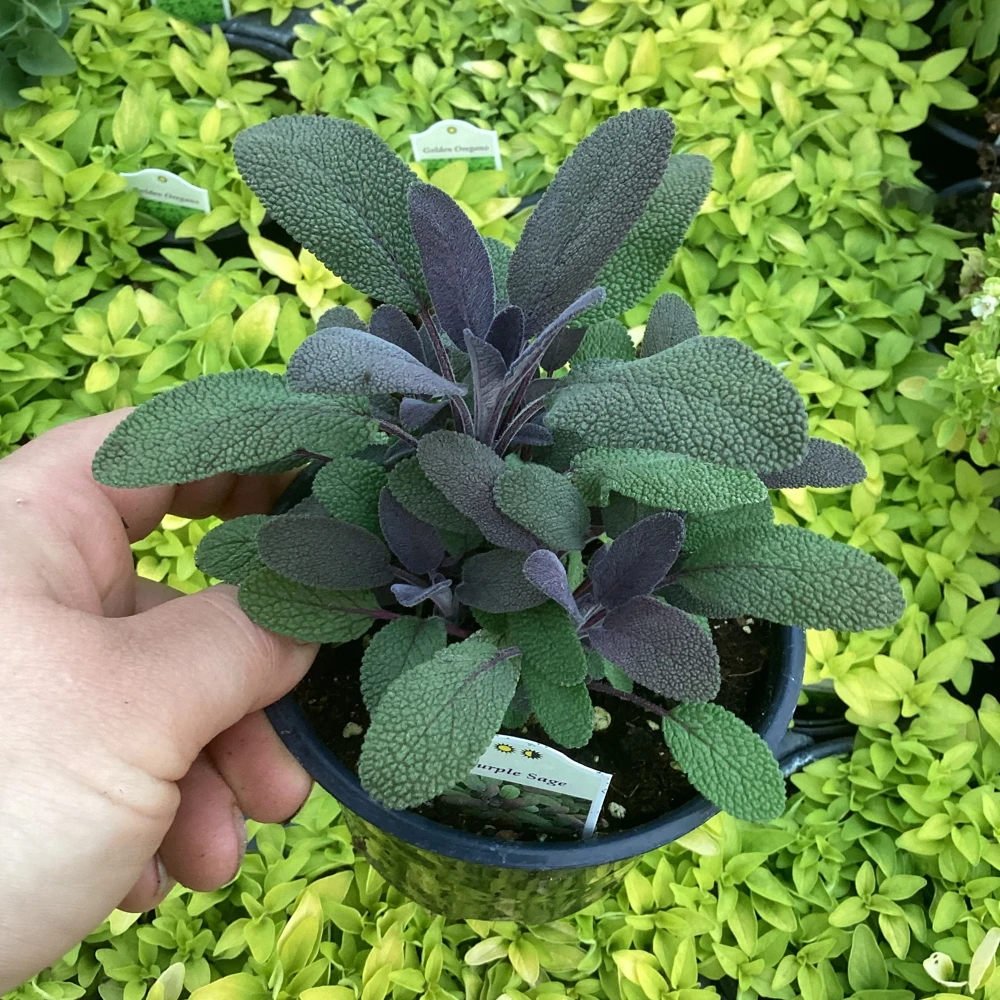
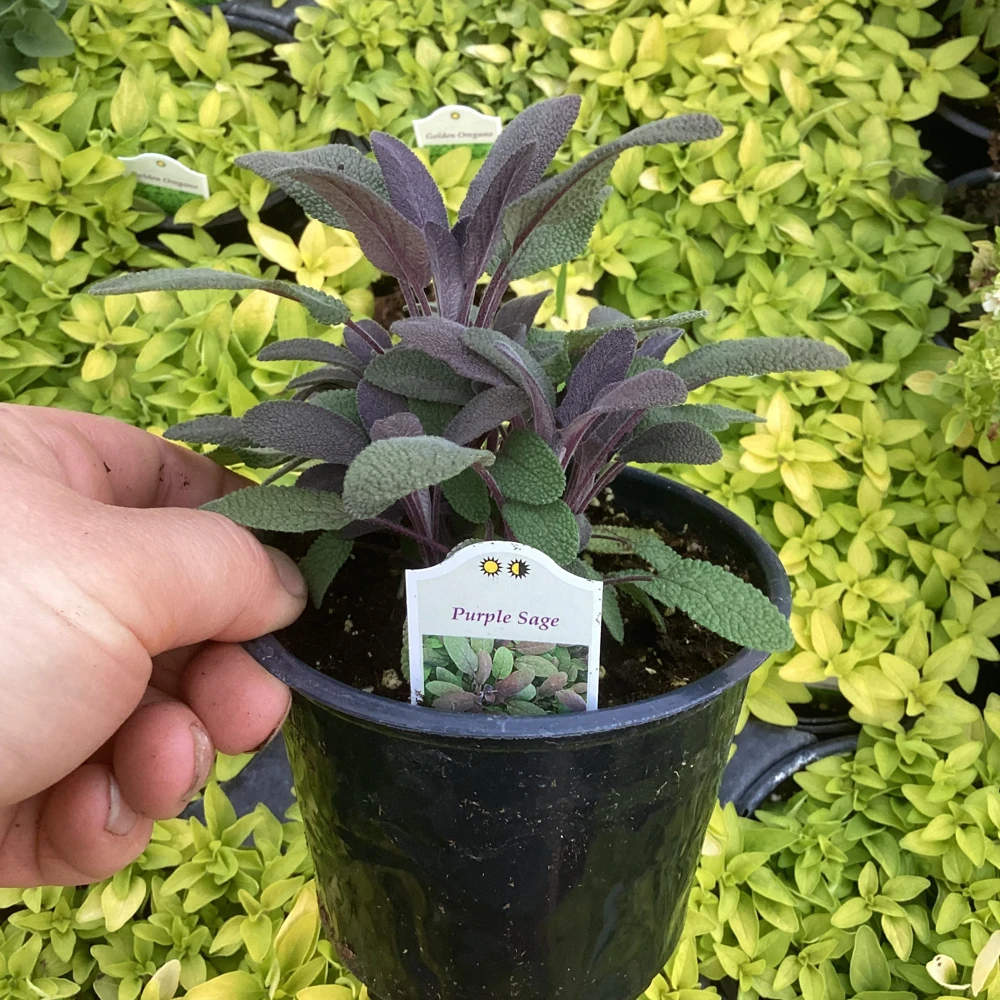
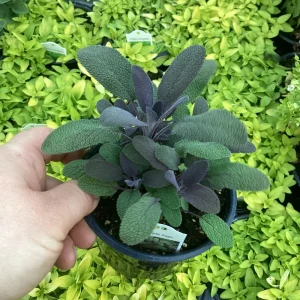
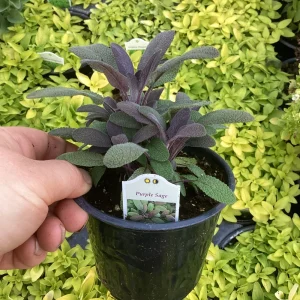
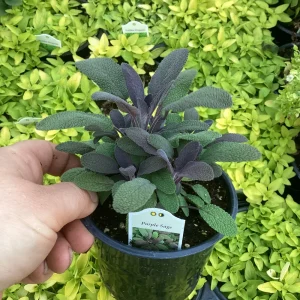
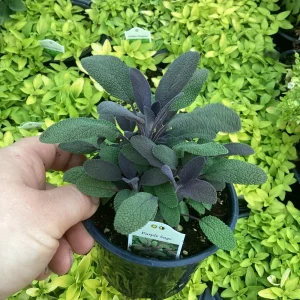
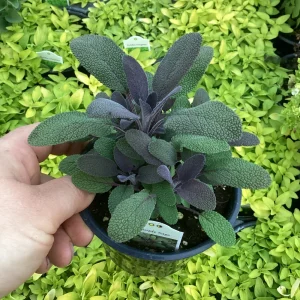
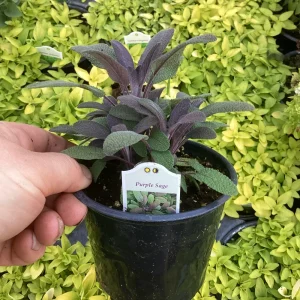
Introduce a touch of elegance and functionality to your garden with this vibrant purple sage live plant. This particular variety, known botanically as salvia officinalis plant ‘Purpurascens’, is cherished for its striking purplish-green foliage and aromatic qualities. Unlike its common green counterpart, purple sage offers a more ornamental appeal while retaining all the culinary benefits. You will receive a well-established plant, ready to be transplanted into your garden or a larger pot, ensuring a healthy start for your new herb. This purple sage live plant is a versatile addition, perfect for herb gardens, mixed borders, or even as a distinctive container plant on your patio.
Growing purple sage is a rewarding experience for gardeners of all levels. This robust herb is a perennial, meaning it will return year after year, providing continuous beauty and flavor. Its unique color makes it a standout, whether planted among other herbs or as a focal point. The distinct aroma and flavor of this culinary sage plant are indispensable in many dishes, from savory meats to flavorful stuffings. Embrace the beauty and utility of this exceptional herb, and enjoy the satisfaction of harvesting fresh sage directly from your garden.
Key Benefits
The purple sage live plant offers a multitude of benefits, combining aesthetic appeal with practical uses, making it a must-have for any garden.
- Distinctive Ornamental Value: The striking purplish-green foliage provides a unique color contrast in garden beds, containers, and borders, enhancing visual interest throughout the growing season. It’s an excellent choice for gardeners looking for something beyond traditional green.
- Culinary Excellence: This culinary sage plant is highly prized for its strong, earthy flavor and aroma. Its leaves are perfect for seasoning poultry, pork, sausages, and various Mediterranean dishes, adding depth and richness to your cooking.
- Aromatic Foliage: The leaves release a pleasant, pungent scent when brushed or crushed, which can be enjoyed in the garden and deters some common garden pests naturally. This makes it a great companion plant.
- Drought-Tolerant and Low Maintenance: Once established, salvia officinalis plant is remarkably resilient and requires minimal care. It thrives in sunny, dry conditions and is an excellent choice for xeriscaping or gardens in arid climates, reducing water usage.
- Perennial Growth: As a perennial herb, purple sage will return year after year, providing a continuous supply of fresh leaves without the need for annual replanting, making it a sustainable choice for your garden.
- Attracts Pollinators: While primarily grown for its foliage, purple sage produces beautiful purple-blue flowers that are highly attractive to bees and other beneficial pollinators, contributing to a healthy garden ecosystem.
- Medicinal Properties: Historically, sage has been used for various medicinal purposes, including aiding digestion, soothing sore throats, and as an anti-inflammatory. Having a purple sage live plant readily available allows for easy access to these traditional remedies.
Plant Care & Growing Tips
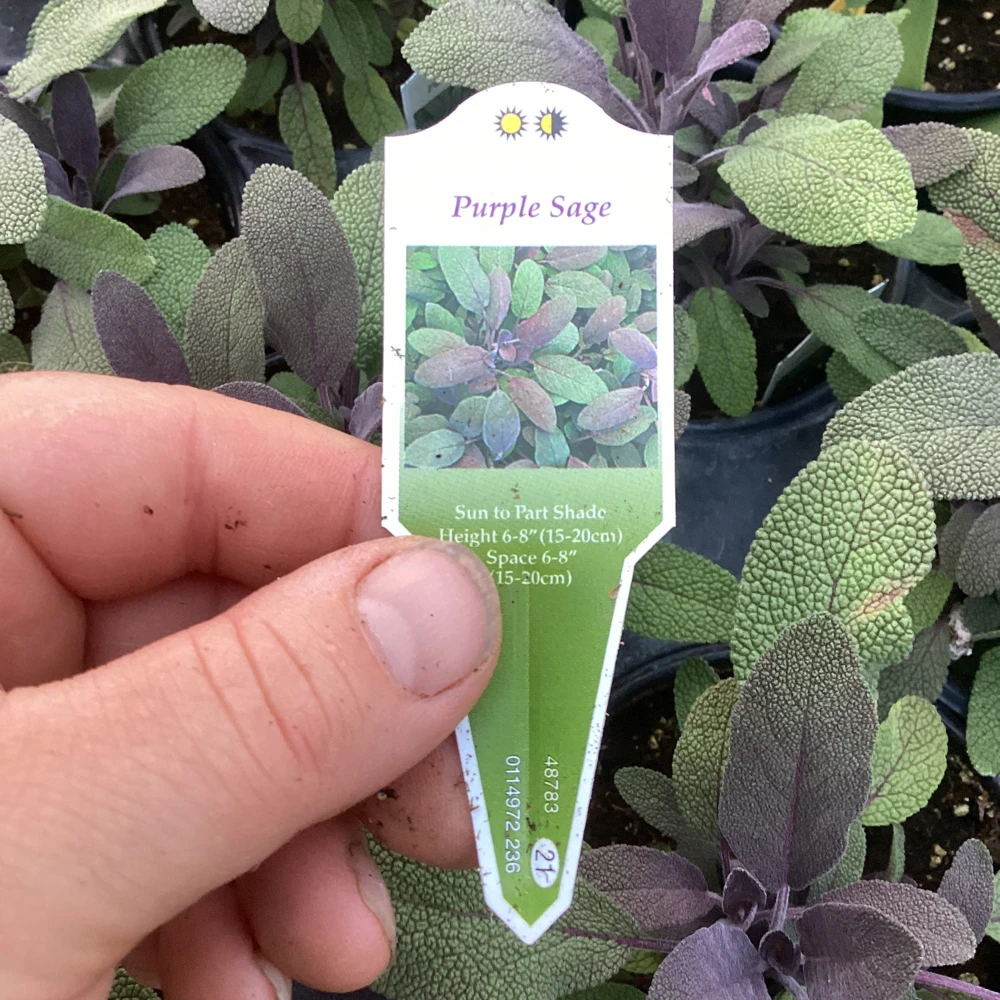
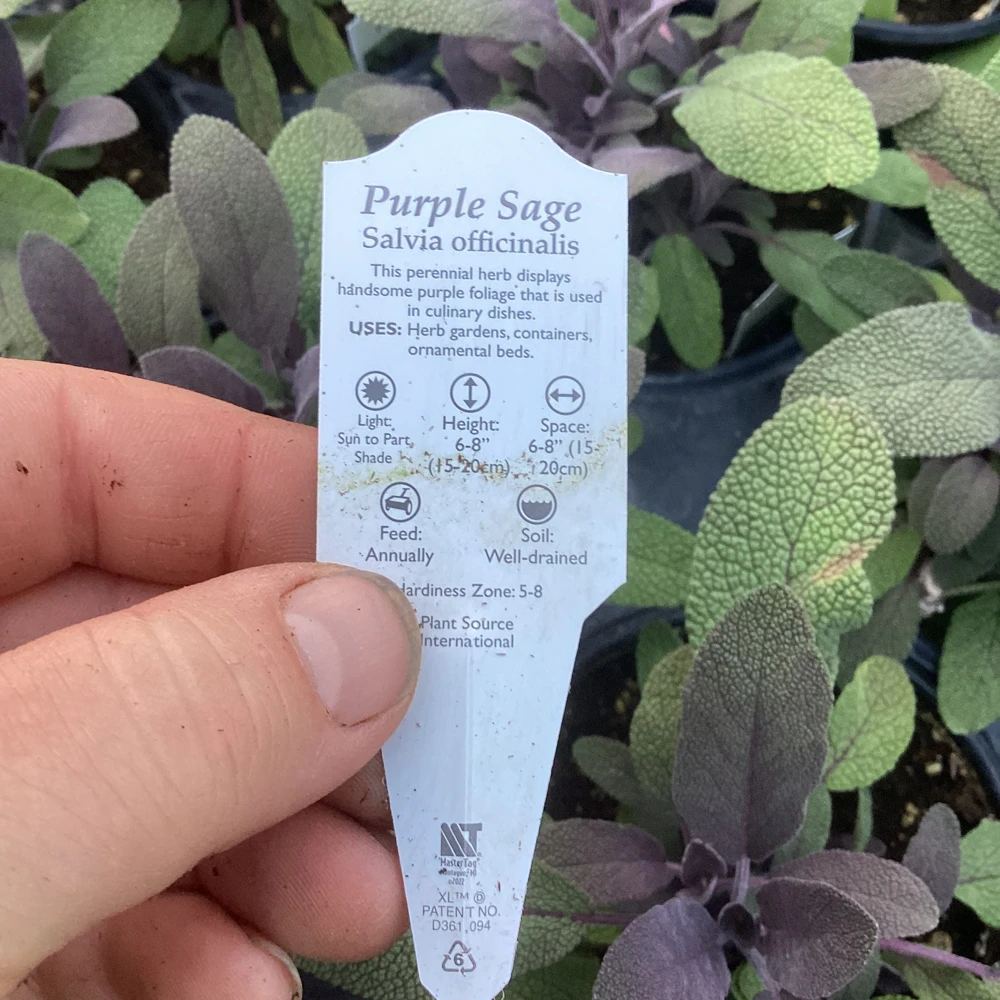
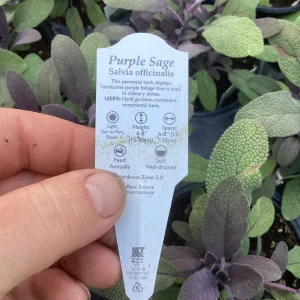
Caring for your purple sage live plant is relatively straightforward, as it is a hardy and forgiving herb. The key to successful growing purple sage lies in providing the right conditions that mimic its native Mediterranean environment. Sage thrives in full sun, meaning it requires at least 6-8 hours of direct sunlight per day. Choose a location in your garden that receives ample sun exposure, or a south-facing window if growing indoors. Good air circulation is also beneficial to prevent fungal issues.
When it comes to watering, sage prefers well-draining soil and is quite drought-tolerant once established. Allow the soil to dry out completely between waterings to avoid root rot. Overwatering is a common mistake that can be detrimental to sage plants. During periods of extended drought, a deep watering every few weeks should suffice. For soil, a sandy, loamy mix with a neutral to slightly alkaline pH is ideal. Ensure your potting mix or garden soil drains well, as soggy conditions are the enemy of sage. You can amend heavy clay soils with sand or perlite to improve drainage.
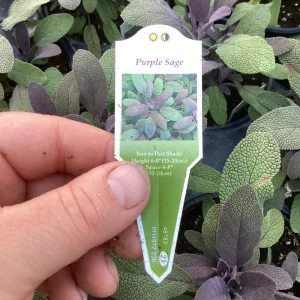
Purple sage is generally hardy in USDA zones 5-9. In colder climates, consider growing it in containers that can be brought indoors during winter, or provide a thick layer of mulch for protection. Fertilization is usually not heavily required; sage prefers lean soil. A light application of a balanced, slow-release fertilizer in spring is often sufficient. Pruning is essential for maintaining a bushy shape and encouraging new growth. After the plant flowers, or when it starts to look leggy, prune back about one-third of the plant. Regular harvesting of leaves for culinary use will also act as a form of pruning, promoting a healthier and more productive salvia officinalis plant.
Size & Details
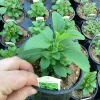
This purple sage live plant arrives well-established and actively growing purple sage in a 4.5-inch plastic nursery pot. The plant’s current height typically ranges from 6 to 10 inches from the soil line, with a spread appropriate for its pot size. This size is ideal for immediate transplanting into a larger container, a raised garden bed, or directly into your garden landscape. Purple sage is a moderately fast grower, and with proper care, it can reach a mature height of 18 to 24 inches tall and wide within a season or two. The vibrant purplish-green leaves are characteristic of this specific cultivar, offering both visual appeal and a rich aromatic quality.
The plant is shipped fresh from our greenhouse, ensuring it arrives healthy and ready to thrive in its new home. Expect it to begin producing an abundance of aromatic foliage shortly after planting. This culinary sage plant is a perennial, meaning it will return year after year, offering continuous harvests. Its robust nature and established root system provide a strong foundation for successful long-term growth, making it a valuable addition for anyone interested in ornamental sage or fresh herbs.
Frequently Asked Questions
- Q: How big does this purple sage live plant get? A: This plant is shipped in a 4.5-inch pot and typically grows to a mature size of 18-24 inches tall and wide. Its ultimate size can depend on growing conditions and pruning habits.
- Q: Is this an indoor or outdoor plant? A: While primarily an outdoor plant, especially in USDA zones 5-9, growing purple sage can also be done indoors in a sunny window. It thrives best with ample sunlight and good air circulation.
- Q: How much sunlight does salvia officinalis plant need? A: Purple sage requires full sun, which means at least 6-8 hours of direct sunlight per day. Ensure it gets plenty of light for optimal growth and color.
- Q: Is this plant easy to care for? A: Yes, sage is known for being a low-maintenance herb. It’s drought-tolerant and thrives on neglect once established, making it suitable for beginner gardeners.
- Q: What condition will the plant arrive in? A: Your purple sage live plant will arrive well-established and growing in its 4.5-inch nursery pot, carefully packaged to ensure its health during transit.
- Q: Can I use this sage for cooking? A: Absolutely! This is a culinary sage plant, and its aromatic leaves are perfect for seasoning a wide variety of dishes, adding a rich, earthy flavor.
- Q: What’s the best soil for ornamental sage? A: Sage prefers well-draining, sandy-loamy soil with a neutral to slightly alkaline pH. Avoid heavy, water-retentive soils to prevent root rot.
- Q: When is the best time to plant this sage? A: Spring is generally the best time to plant, after the last frost. However, if planting in a container, it can be planted any time of year indoors.
- Q: Will this purple sage live plant survive winter? A: In USDA zones 5-9, purple sage is perennial and will typically survive winter outdoors. In colder zones, it’s best to grow it in containers and bring it indoors or provide heavy winter protection.
- Q: Is it pet-safe? A: Sage is generally considered non-toxic to cats and dogs in small quantities, but large ingestion can cause mild digestive upset. It’s always best to monitor pets around plants.


Reviews
There are no reviews yet.