

Overview
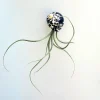
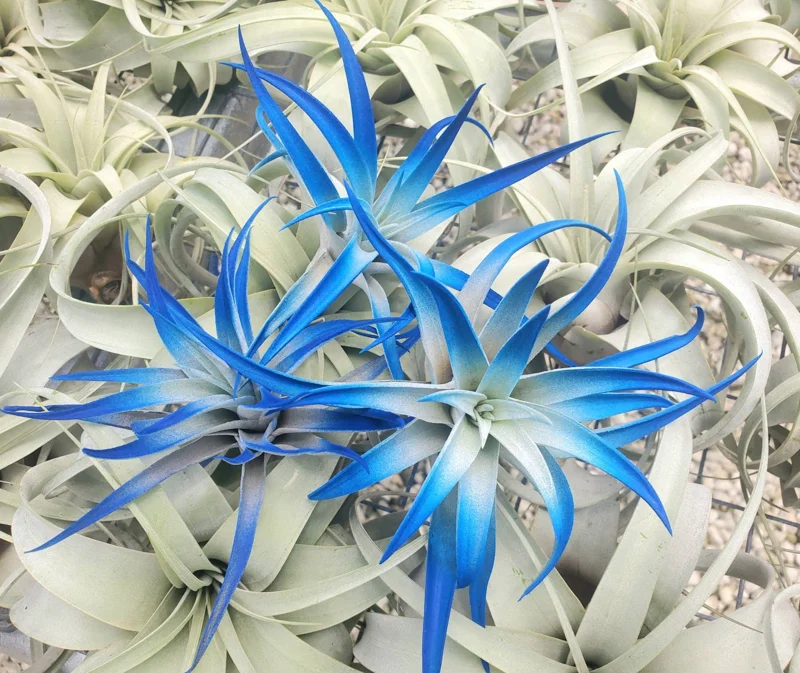
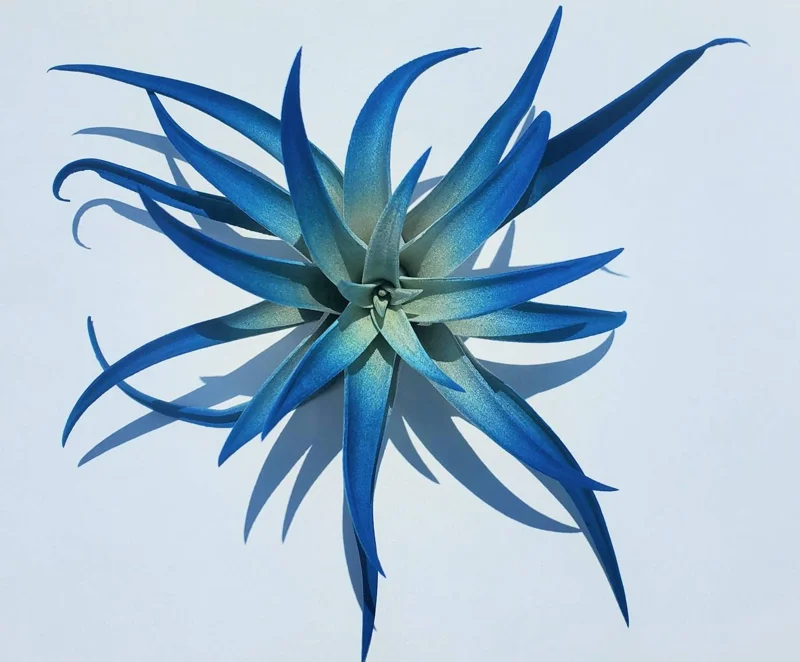
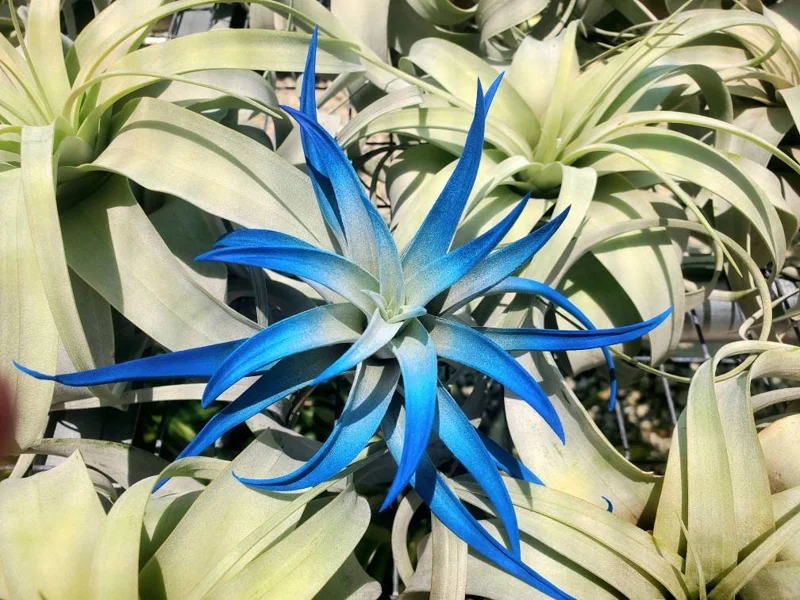
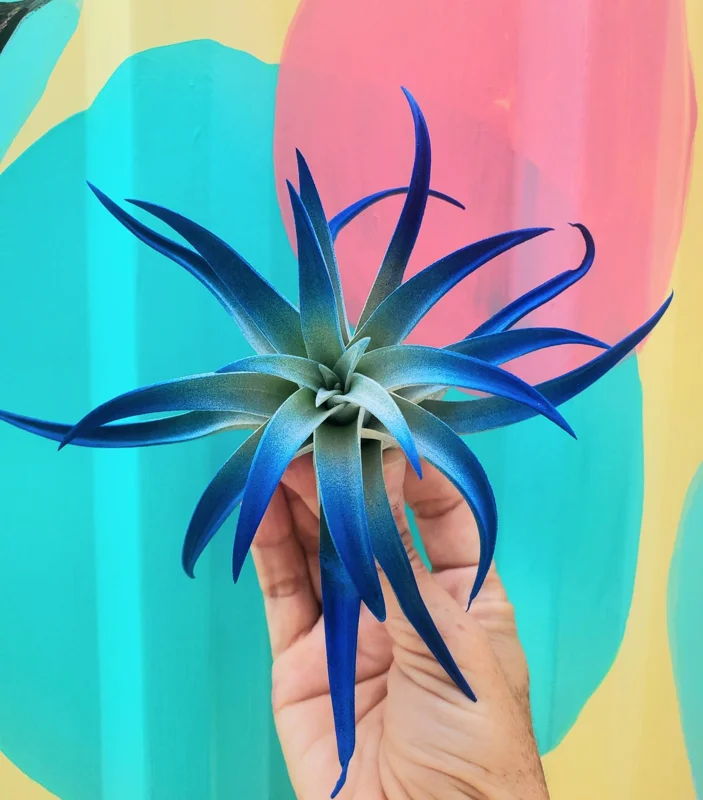
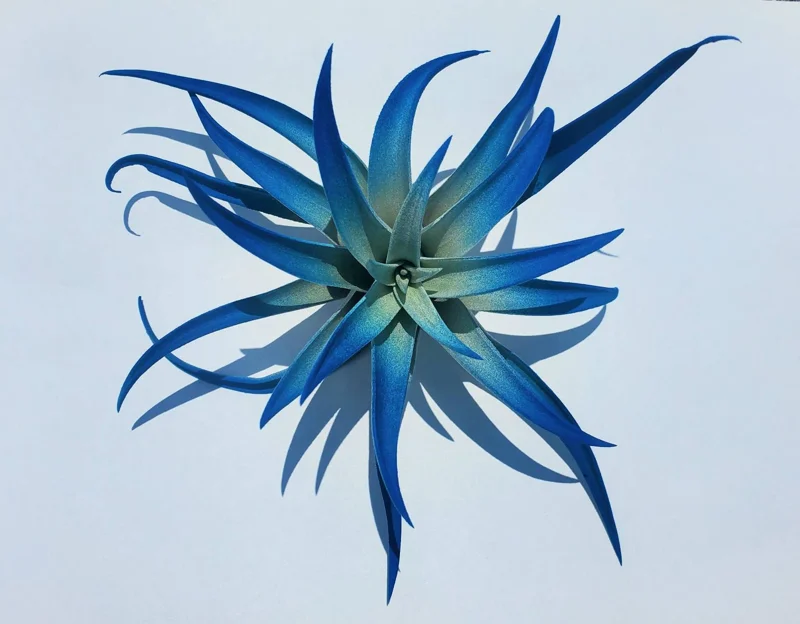
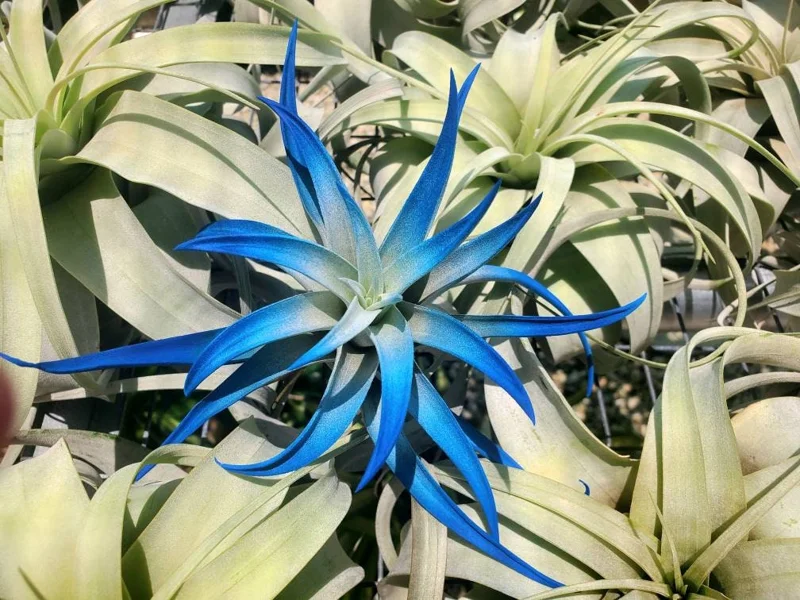
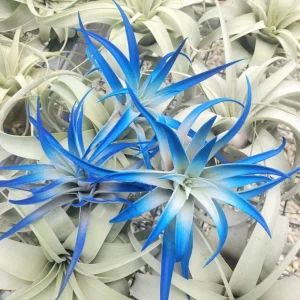
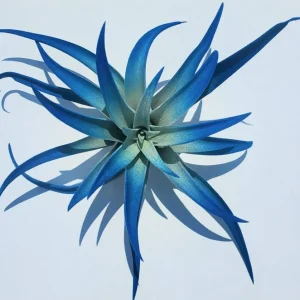
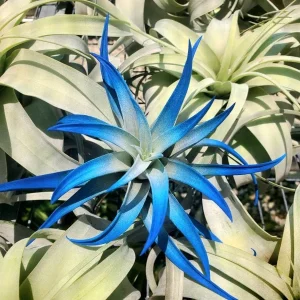
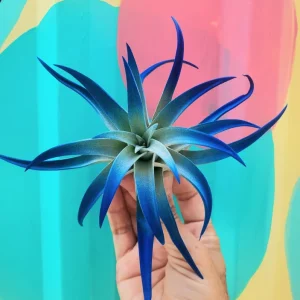
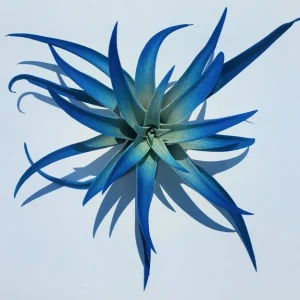
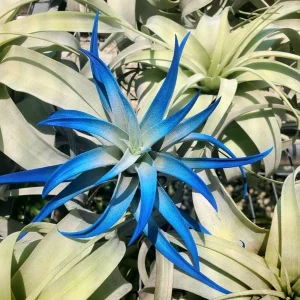
Introduce an extraordinary splash of color into your living space with the indigo air plant tillandsia. This captivating live plant is known for its stunning dark blue hue, achieved through a safe and organic enhancement process that includes vitamins, nutrients, and a bloom inducer. Unlike traditional potted plants, air plants, or Tillandsias, absorb moisture and nutrients directly from the air, making them incredibly versatile for various decorative arrangements. Each dark blue air plant is a unique specimen, typically arriving at a size of 4-6 inches and growing up to 8-10 inches, providing a dynamic element to your home decor. Its striking color and minimal care requirements make it an ideal choice for both seasoned plant enthusiasts and those new to gardening.
The Tillandsia genus, to which this indigo air plant tillandsia belongs, encompasses over 650 species, all native to the forests, mountains, and deserts of Central and South America, and the southern United States. They are epiphytes, meaning they naturally grow on other plants, usually trees, without drawing nutrients from them. This particular enhanced variety offers a brilliant, long-lasting color that provides visual interest for 1-2 months or more, depending on environmental conditions. Its unique growth habit and vibrant appearance make it a fantastic focal point or accent piece in terrariums, on shelves, or as part of a creative plant display.
Key Benefits
The indigo air plant tillandsia offers numerous advantages, making it a popular choice for enhancing indoor environments. Its unique characteristics contribute to its appeal and ease of integration into diverse settings. This dark blue air plant is more than just a decorative item; it’s a living piece of art that brings several benefits to its owner.
- Stunning Visual Appeal: The vibrant, enhanced dark blue color provides a striking contrast and unique aesthetic that can instantly elevate any room’s decor, making it a conversation starter.
- Low Maintenance: As epiphytes, tillandsia care is minimal. They don’t require soil, making them perfect for busy individuals or those looking for an easy-to-care-for plant.
- Versatile Decor: Their soil-free nature allows for incredible versatility in display. Arrange them in terrariums, on driftwood, in decorative bowls, or simply on a shelf for an artistic touch.
- Air Purification: Like many plants, air plants contribute to better indoor air quality by absorbing carbon dioxide and releasing oxygen, promoting a healthier living environment.
- Pet-Friendly: Air plants are generally considered non-toxic to pets, making them a safe choice for homes with curious animals.
- Long-Lasting Color: The organic enhancement ensures the beautiful dark blue color remains vibrant for 1-2 months minimum, often longer, providing extended enjoyment.
- Unique Gift Idea: Due to their unusual appearance and ease of care, air plant varieties make excellent and memorable gifts for plant lovers or anyone looking to add a touch of nature to their space.
Plant Care & Growing Tips
Proper tillandsia care is crucial for the longevity and vibrancy of your indigo air plant tillandsia. While generally low-maintenance, understanding their specific needs will help them thrive. Air plants require bright, indirect light. Place them near a window with filtered sunlight, or under fluorescent lighting. Avoid direct, intense sunlight, especially during hot summer afternoons, as this can scorch their leaves. Good air circulation is also vital; avoid placing them in enclosed, stagnant spaces. They are not suited for extremely cold temperatures, thriving best in environments above 50°F (10°C) and ideally between 60-80°F (15-27°C).
Watering is the most important aspect of tillandsia care. The primary method is soaking: submerge your air plant in a bowl of room-temperature water for 20-30 minutes once or twice a week. After soaking, gently shake off excess water and allow the plant to dry completely in a well-ventilated area before returning it to its display. This drying process is critical to prevent rot. Alternatively, you can mist your plants daily or every other day, though soaking is generally more effective for thorough hydration. While the enhancement includes nutrients, you can occasionally use a specialized air plant fertilizer (diluted to 1/4 strength) once a month during watering in spring and summer to encourage growth and blooming. Keep an eye out for signs of dehydration, such as curled or wrinkled leaves, which indicate the need for more frequent watering. The enhanced color of this dark blue air plant will naturally fade over time, but consistent care will ensure the plant remains healthy and happy.
When considering different air plant varieties, the indigo air plant stands out not just for its color but also for its resilience. These plants do not need soil, so soil type is irrelevant. However, ensure they are placed in environments with adequate humidity if possible. During dry spells or in arid climates, more frequent misting or soaking may be necessary. If you notice any browning or blackening at the base, it could be a sign of overwatering or poor air circulation, leading to rot. Trim off any dead or dying leaves to maintain the plant’s health and appearance. The organic enhancement process used for this specific enhanced air plant is safe and supports its overall well-being, promoting a longer-lasting vibrant hue.
Size & Details
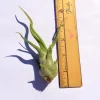
The indigo air plant tillandsia is a live plant specimen, arriving at an approximate size of 4-6 inches in height. Each plant is unique, and some may be slightly larger or smaller upon arrival, reflecting the natural variation within air plant varieties. With optimal care, these beautiful Tillandsias can grow to a mature size of about 8-10 inches. They are shipped as bare-root plants, meaning they are not in a pot, which is typical for air plants as they do not require soil. The dark blue color is an organic, safe enhancement designed to last for a minimum of 1-2 months, often longer, providing a sustained period of vibrant color before gradually returning to its natural green or blush tones. This makes the enhanced air plant a dynamic and evolving addition to your plant collection.
Frequently Asked Questions
- Q: How big does this indigo air plant get? A: The indigo air plant tillandsia typically arrives around 4-6 inches tall and can grow to an impressive 8-10 inches with proper care and favorable conditions.
- Q: Is this an indoor or outdoor plant? A: This dark blue air plant is primarily an indoor plant in most climates, though it can thrive outdoors in warm, humid, frost-free environments. It requires protection from direct sun and cold temperatures.
- Q: How much sunlight does it need? A: Your indigo air plant tillandsia thrives in bright, indirect light. Avoid harsh, direct sunlight which can burn its leaves. Filtered light near a window or under a grow light is ideal.
- Q: Is this plant easy to care for? A: Yes, tillandsia care is generally considered easy, making it a great choice for beginners. They don’t require soil and only need occasional watering and good air circulation.
- Q: What condition will it arrive in? A: Your air plant will arrive as a healthy, bare-root live plant. While the exact shape and coloring may vary slightly from images, it will be a vibrant specimen ready for display.
- Q: How long does the dark blue color last? A: The enhanced dark blue color on this enhanced air plant is organic and safe, designed to last for a minimum of 1-2 months, often longer, before gradually fading.
- Q: Can I use fertilizer for my air plant? A: Yes, you can use a specialized air plant fertilizer, diluted to 1/4 strength, once a month during soaking, especially during the growing seasons of spring and summer, to promote health and growth in your air plant varieties.
- Q: What if my air plant’s leaves start to curl or wrinkle? A: Curling or wrinkling leaves are a common sign of dehydration. Increase your watering frequency, ensuring the plant gets a good soak, and allow it to dry completely afterward to prevent rot.
- Q: Is this indigo air plant tillandsia pet-safe? A: Air plants are generally considered non-toxic to pets, making them a safe and beautiful addition to homes with animals.
- Q: What is the best way to display an air plant? A: Air plants are incredibly versatile. You can display your dark blue air plant in terrariums, on driftwood, in decorative bowls, hanging planters, or simply nestled on a shelf, allowing creative freedom.


Reviews
There are no reviews yet.