

Overview
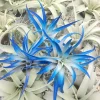
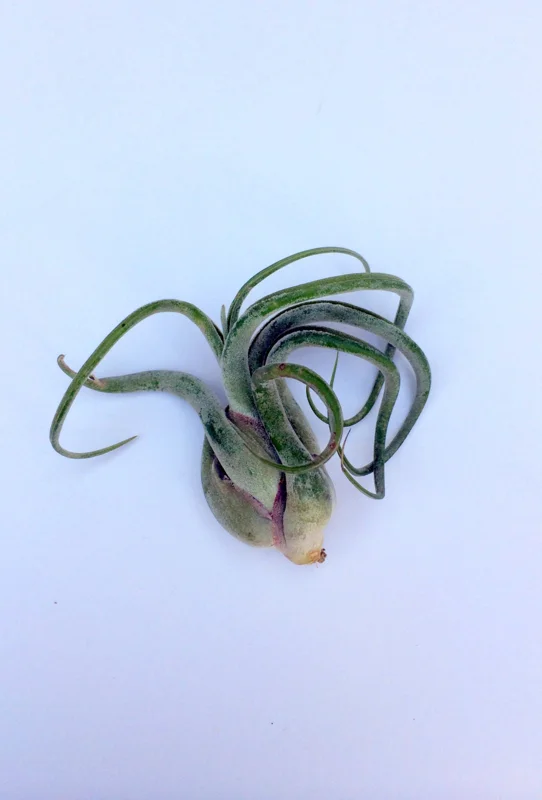
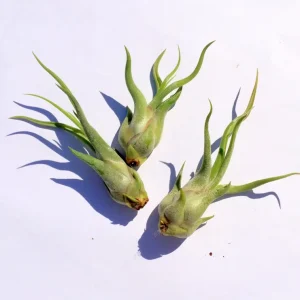
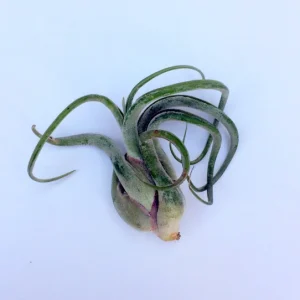
Introduce an element of living artistry into your home or office with the fascinating medusa air plant, scientifically known as Tillandsia Caput Medusae. This distinctive live plant is celebrated for its unique, silvery-green leaves that gracefully twist and curl, mimicking the Gorgon Medusa’s serpentine locks. As the plant matures, these striking leaves become even more pronounced, creating a dynamic and captivating display. Unlike traditional potted plants, the tillandsia caput medusae thrives without soil, drawing all its necessary nutrients and moisture from the air, making it an incredibly versatile and easy-to-care-for botanical specimen. It’s an ideal choice for adding a touch of natural elegance to terrariums, display shelves, or hanging planters, and it’s particularly well-suited for those looking for an intriguing yet low-maintenance houseplant.
The Tillandsia Caput Medusae is a member of the bromeliad family, native to Central and South America. Its common name, medusa air plant, perfectly describes its appearance, which is sure to spark conversation. This plant is not only beautiful but also resilient, making it a fantastic option for both seasoned plant enthusiasts and those just beginning their journey into plant parenthood. Its unique growth habit and minimal care requirements ensure it remains a popular choice for modern interior design and creative plant displays.
Key Benefits
The medusa air plant offers a multitude of benefits, making it more than just a decorative item. Its unique characteristics contribute to a healthier and more aesthetically pleasing environment, while also being remarkably simple to maintain.
- Unique Aesthetic Appeal: The most striking feature of the tillandsia caput medusae is its sculptural form and twisted leaves, providing a truly distinctive and artistic focal point in any room. It adds an exotic, intriguing touch that stands out from more conventional houseplants.
- Low Maintenance: Perfect for busy individuals or plant beginners, this indoor air plant requires minimal attention. Without the need for soil, repotting, or frequent watering, it simplifies plant care significantly.
- Versatile Decor: Its ability to thrive without soil allows for incredible versatility in display. It can be placed in terrariums, on driftwood, in decorative bowls, or hung, adapting to various interior design styles from minimalist to bohemian.
- Air Purifying Qualities: Like many plants, air plants contribute to better indoor air quality by absorbing carbon dioxide and releasing oxygen, helping to create a fresher living space.
- Pet-Friendly: A great choice for homes with pets, as the medusa air plant is generally considered non-toxic, providing peace of mind for pet owners.
- Space-Saving: Due to their compact size and lack of soil, air plants are excellent for small apartments, desks, or any area where space is a premium.
- Educational Value: Observing the unique way air plants absorb water and nutrients can be an engaging and educational experience for all ages, highlighting the diversity of plant life.
Plant Care & Growing Tips
Proper air plant care is essential for the health and longevity of your medusa air plant. While these plants are low-maintenance, understanding their specific needs will ensure they thrive and continue to display their beautiful twisted foliage. The primary factors to consider are watering, light, and air circulation.
For watering, the most common method is soaking. Submerge your tillandsia caput medusae in a bowl of room-temperature water for 20-30 minutes once a week. After soaking, gently shake off excess water and place it upside down on a towel in a well-ventilated area until completely dry. This prevents rot, which is a common issue if water collects in the base of the plant. In drier climates or during warmer months, you might need to soak your plant twice a week, while in humid environments, once every 10-14 days may suffice. Misting can supplement hydration but should not replace regular soaking.
Light is another crucial element for your indoor air plant. Tillandsia Caput Medusae prefers bright, indirect light. An east-facing window is often ideal, providing gentle morning sun. A few hours of direct morning sun can be beneficial, but avoid harsh, direct afternoon sunlight, especially in warm climates, as this can scorch the leaves. If natural light is limited, a grow light can be used, ensuring it’s not too close to the plant to prevent burning. Good air circulation is also vital; stagnant air can lead to rot, so ensure your plant receives adequate airflow, especially after watering.
Size & Details
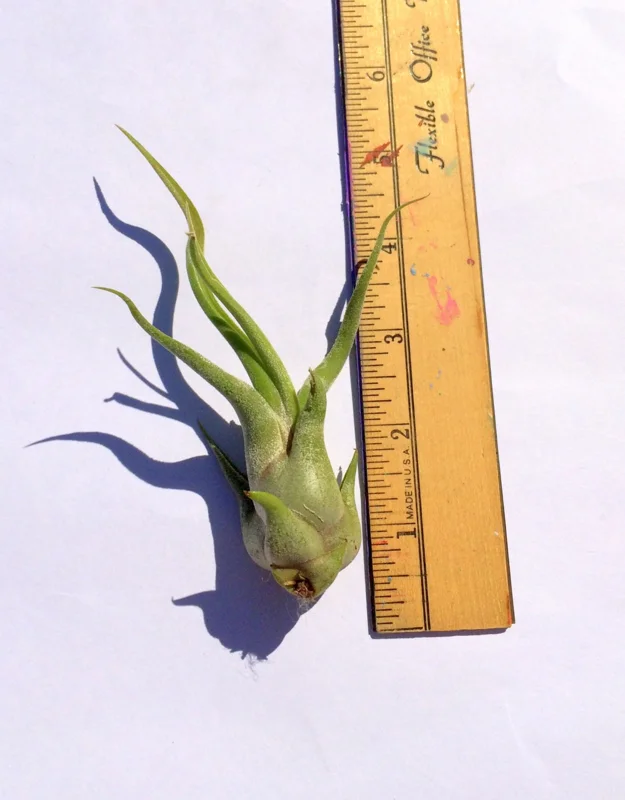
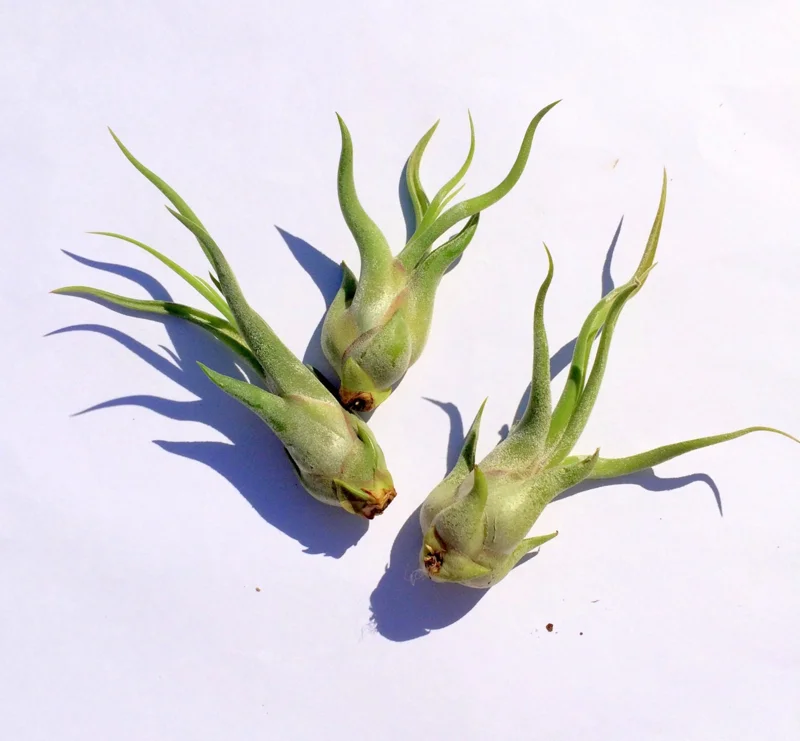
The medusa air plant typically arrives as a healthy, vibrant specimen ready for display. While each plant is unique and can vary slightly in shape and size, they generally measure approximately 3-6 inches in height and width, making them a perfect compact addition to any collection. As they mature, their distinctive twisted leaves will become more elongated and pronounced, truly embodying their namesake. These plants are shipped as individual live plants, ready to be placed in your preferred decorative setting. They do not come with a pot or soil, aligning with their epiphytic nature. With proper air plant care, your Tillandsia Caput Medusae will continue to grow and develop its captivating form over time, potentially producing small, beautiful blooms and forming pups (offsets) that can be separated to create new plants.
Frequently Asked Questions
- Q: How big does this plant get? A: The medusa air plant typically grows to be about 3-6 inches in height and width. With optimal care, they can become larger and more robust, with their twisted leaves extending further.
- Q: Is this an indoor or outdoor plant? A: While Tillandsia Caput Medusae can thrive outdoors in warm, humid climates (USDA zones 9-11), it is most commonly grown as an indoor air plant in the US to protect it from freezing temperatures and ensure consistent care.
- Q: How much sunlight does it need? A: This tillandsia caput medusae prefers bright, indirect light. Avoid direct, harsh afternoon sun, which can burn its leaves. Morning sun from an east-facing window is usually ideal.
- Q: Is this plant easy to care for? A: Yes, the medusa air plant is considered very easy to care for, making it an excellent choice for beginners. Its minimal requirements for water and light, combined with its soil-less nature, simplify maintenance.
- Q: What condition will it arrive in? A: Your air plant will arrive as a healthy, live specimen. It will be carefully packaged to ensure its safety during transit, ready for you to display and begin its simple air plant care routine.
- Q: How often should I water my air plant? A: The best method for watering is to soak your medusa air plant in room-temperature water for 20-30 minutes once a week. Ensure it dries completely upside down afterward to prevent rot.
- Q: Is the Medusa Air Plant pet-safe? A: Yes, the Tillandsia Caput Medusae is generally considered non-toxic and pet-friendly, making it a safe addition to homes with curious pets.


Reviews
There are no reviews yet.