Overview
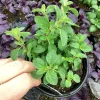
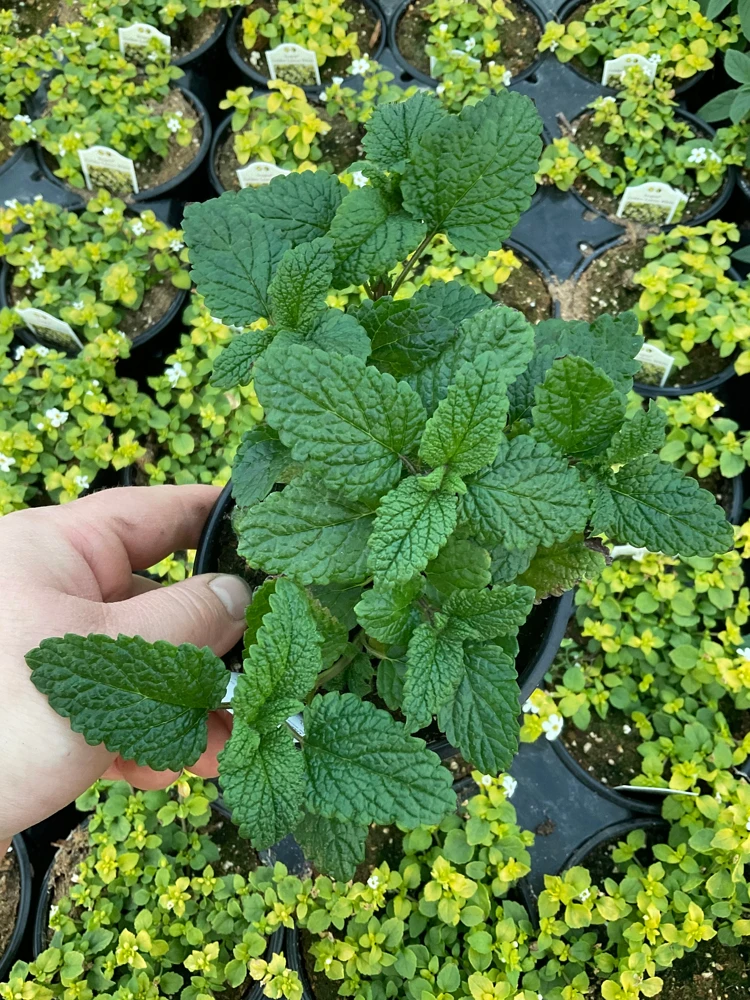
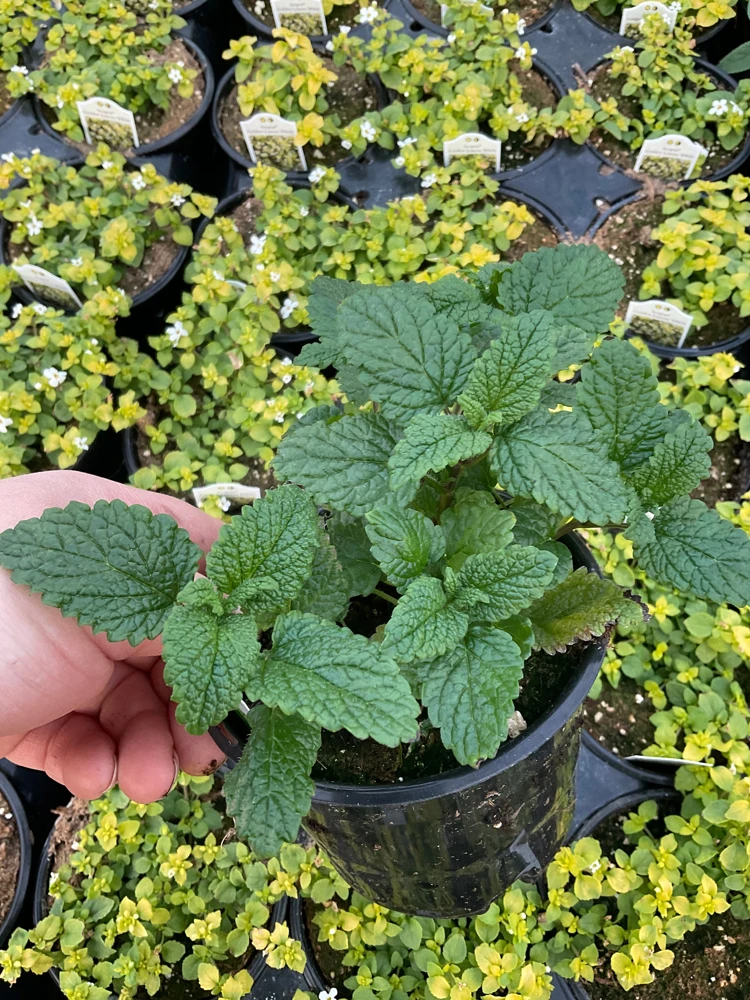
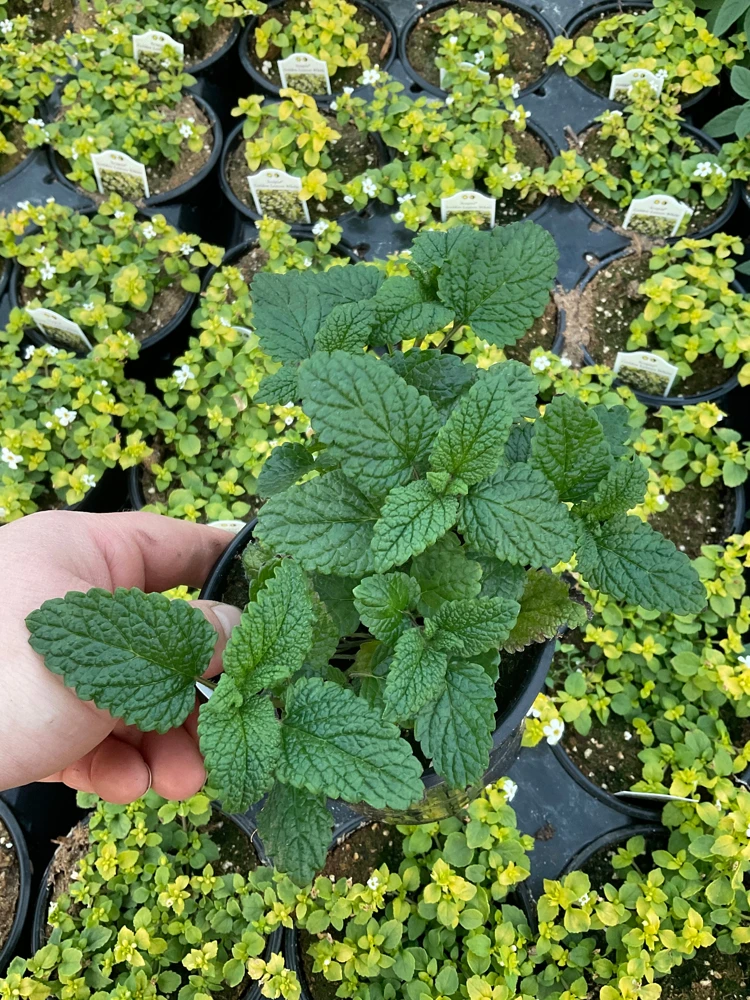
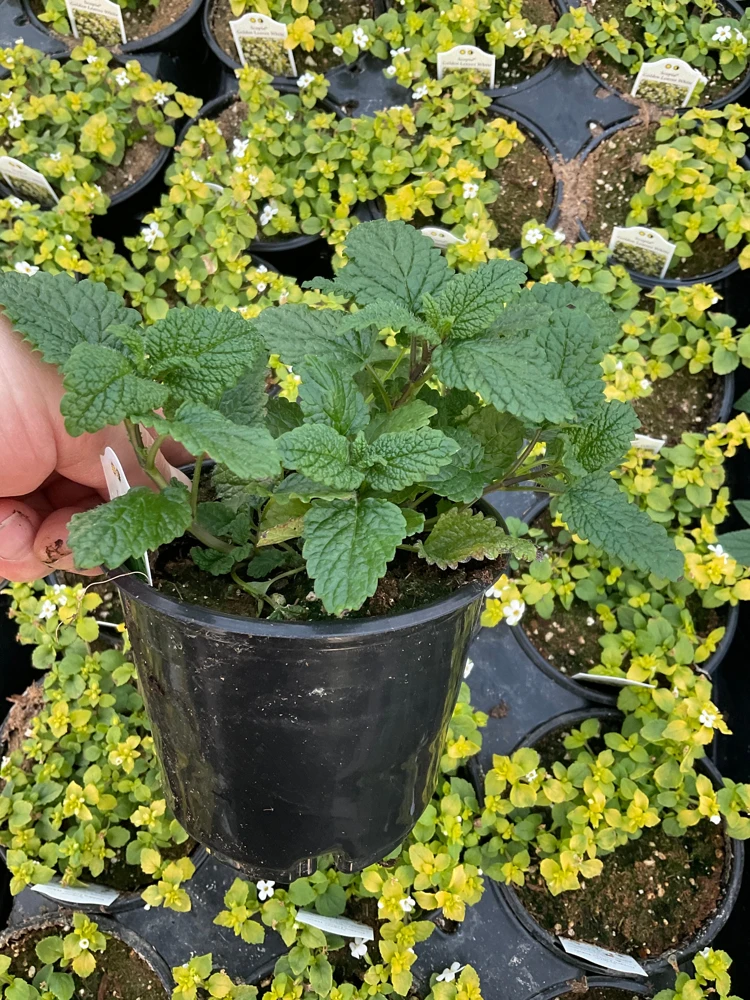
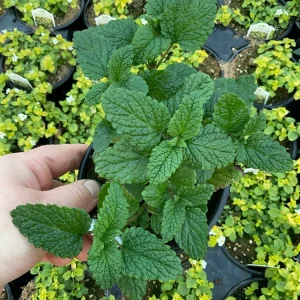
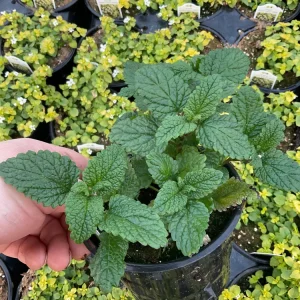
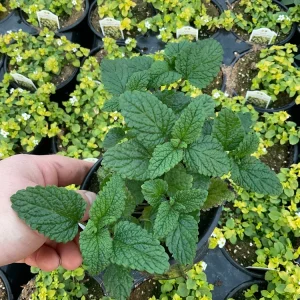
Discover the joy of cultivating your very own lemon balm live plant. This robust and fragrant herb, scientifically known as Melissa officinalis, arrives as a well-established plant in a 4.5-inch pot, ready to be transplanted into your garden bed, herb garden, or a larger container. Known for its distinct lemony scent and flavor, lemon balm is a versatile perennial herb cherished by gardeners and herbalists alike. It’s an excellent choice for those looking to add a low-maintenance yet highly rewarding plant to their collection. Your new lemon balm live plant will quickly become a favorite for its aromatic foliage and calming properties, making it a perfect addition to any outdoor space or even a sunny windowsill indoors.
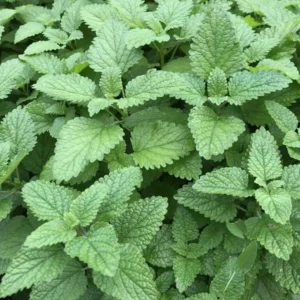
Our lemon balm live plant is carefully cultivated to ensure a healthy start in your home. It’s an ideal choice for both novice and experienced gardeners, offering a delightful sensory experience with its bright green, crinkled leaves and delicate white flowers. Whether you’re planning to use it for its culinary versatility, its traditional medicinal uses, or simply to enjoy its pleasant fragrance, this live plant provides an immediate and satisfying gardening experience. Enjoy the fresh, vibrant energy that a lemon balm live plant brings to your environment.
Key Benefits
Adding a lemon balm live plant to your garden or home offers a multitude of advantages beyond just its beauty. This herb is celebrated for its diverse benefits, making it a valuable addition to any plant collection.
- Aromatic Delight: The leaves release a refreshing lemon scent when brushed or crushed, naturally uplifting your mood and making your garden or patio a more inviting space. This natural fragrance also helps deter some unwanted garden pests.
- Culinary Versatility: Fresh lemon balm leaves can be used to enhance a variety of dishes. Add them to salads, fruit desserts, marinades for fish or chicken, or infuse them into vinegars and oils for a zesty twist.
- Soothing Herbal Teas: One of the most popular uses for lemon balm live plant is making calming herbal teas. A warm cup of lemon balm tea is traditionally enjoyed for its relaxing properties, perfect before bedtime or during stressful moments.
- Attracts Pollinators: The small, delicate flowers produced by the lemon balm plant are highly attractive to bees, butterflies, and other beneficial pollinators, helping to support local ecosystems and improve the yield of other plants in your garden.
- Low Maintenance & Hardy: This perennial herb is remarkably easy to care for, thriving in a variety of conditions once established. It’s a robust plant that can tolerate some neglect, making it suitable for busy gardeners.
- Natural Insect Repellent: The plant’s natural oils are known to gently repel mosquitoes and other common garden pests, making it a great companion plant for outdoor seating areas.
- Traditional Wellness Herb: Historically, lemon balm has been used in various cultures for its potential to support relaxation, improve mood, and aid digestion, making it a functional as well as ornamental plant.
Plant Care & Growing Tips
Caring for your lemon balm live plant is straightforward, ensuring you’ll enjoy its benefits for many seasons. Lemon balm is a relatively forgiving herb, making it an excellent choice for gardeners of all skill levels. To ensure vigorous growth and abundant foliage, provide it with the right conditions.
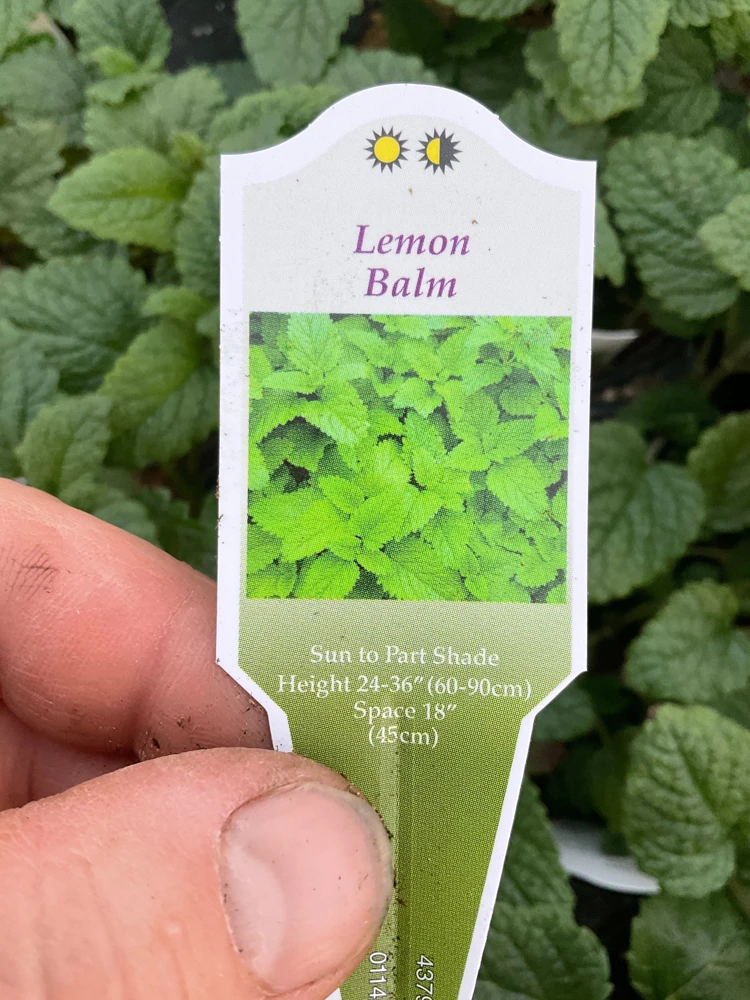
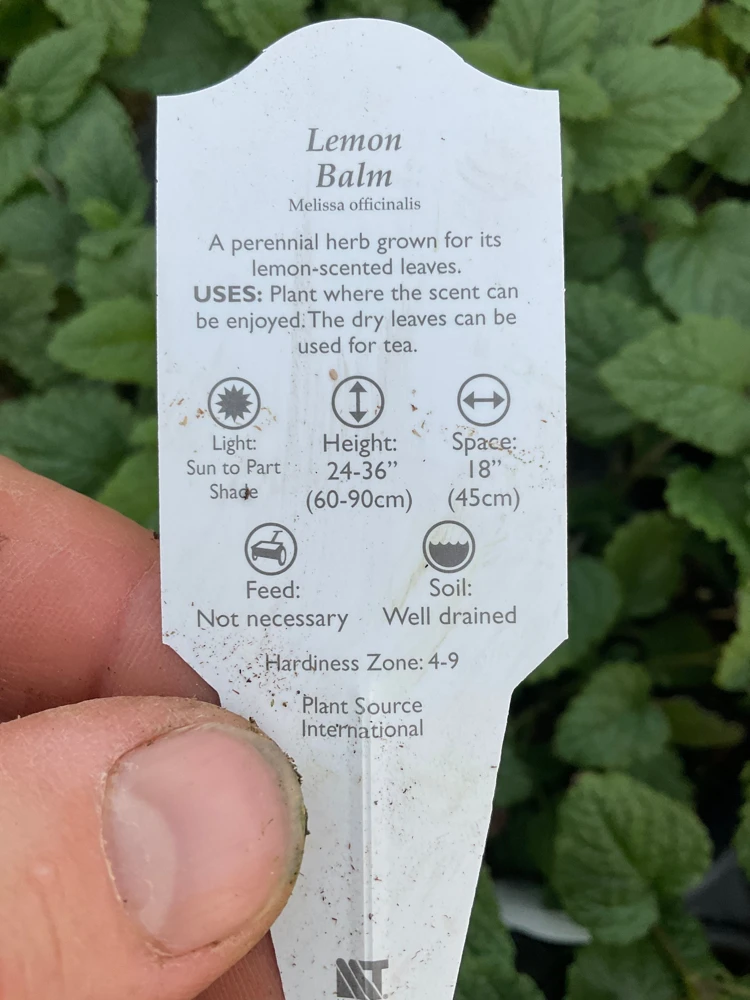
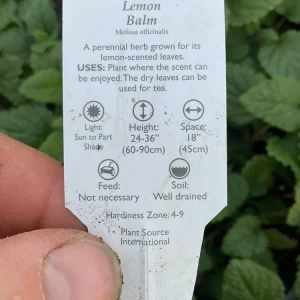
Sunlight Requirements: Lemon balm thrives in full sun to partial shade. In cooler climates, full sun (6+ hours of direct sunlight per day) will encourage the most robust growth and strongest fragrance. In hotter climates, especially during the intense afternoon heat, providing some afternoon shade will prevent leaf scorch and keep the plant happy. If growing indoors, place your lemon balm live plant in a south or west-facing window where it can receive plenty of bright, indirect light.
Watering Schedule & Soil Moisture: Keep the soil consistently moist, but not waterlogged. Water thoroughly when the top inch of soil feels dry to the touch. Lemon balm prefers regular watering, especially during dry spells and in containers where the soil dries out faster. Ensure good drainage to prevent root rot. Reduce watering slightly in cooler months when the plant’s growth slows.
Soil Type & Drainage: This herb is not overly particular about soil, but it performs best in well-draining, fertile soil rich in organic matter. A slightly acidic to neutral pH (6.0-7.0) is ideal. If planting in a container, use a high-quality potting mix that offers good drainage. Amending heavy clay soils with compost will improve drainage and aeration, which is crucial for healthy root development of your lemon balm live plant.
Temperature Range & USDA Hardiness Zone: Lemon balm is a hardy perennial, typically thriving in USDA Zones 4-9. It can tolerate a wide range of temperatures but prefers moderate conditions. It will die back to the ground in colder winter climates but reliably regrow from the roots in spring. In very hot climates, it may appreciate some afternoon shade. Protect potted plants from hard freezes by bringing them indoors or providing insulation.
Fertilization Schedule: Lemon balm is not a heavy feeder. If planted in rich soil, it may not require any additional fertilizer. For container-grown plants or those in less fertile soil, a balanced liquid fertilizer diluted to half strength can be applied once or twice during the growing season (spring and mid-summer). Avoid over-fertilizing, as this can lead to lush foliage but diminished essential oil production.
Common Problems & Solutions: Lemon balm is generally pest and disease resistant. Occasionally, you might encounter powdery mildew in humid conditions; ensure good air circulation to prevent this. Slugs and snails might be attracted to young foliage, which can be managed with organic slug baits or hand-picking. Yellowing leaves can indicate overwatering or nutrient deficiency; check soil moisture and consider a light feeding. Regular harvesting also helps keep the plant healthy and bushy.
Size & Details
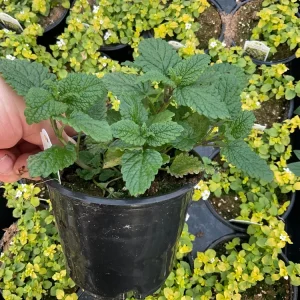
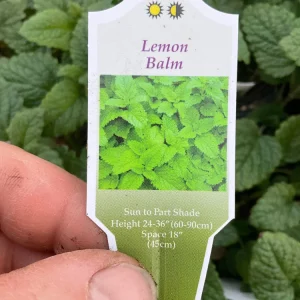
Your lemon balm live plant will arrive well-established and actively growing in a 4.5-inch nursery pot. This size provides a robust root system, ensuring a smooth transition to your garden or larger container. At the time of shipment, the plant typically stands between 4-8 inches tall, depending on growth stage, and is ready for immediate planting. Lemon balm is a fast-growing herb that can reach a mature height of 18-24 inches (45-60 cm) and spread equally wide if given space. It forms a bushy, mounding habit with bright green, textured leaves.
This perennial herb is shipped with its roots intact in soil, minimizing transplant shock. Expect vigorous growth once it settles into its new environment. Lemon balm can be harvested regularly throughout the growing season, typically from spring through fall. It produces small, inconspicuous white or pale pink flowers in mid-summer, which are attractive to pollinators. The plant will typically die back in winter in colder zones, returning in spring from its established root system, offering years of enjoyment from a single lemon balm live plant.
Frequently Asked Questions
- Q: How big does this lemon balm plant get? A: Your lemon balm live plant will arrive in a 4.5-inch pot and can grow to a mature size of 18-24 inches tall and wide. Its growth can be managed through regular harvesting and pruning, keeping it to your desired size and shape.
- Q: What size pot does it come in? A: This lemon balm live plant is shipped in a standard 4.5-inch nursery pot with soil, ensuring it has a strong root system and is ready for planting upon arrival. We recommend transplanting it into a larger pot or directly into your garden.
- Q: Is this an indoor or outdoor plant? A: Lemon balm can thrive both indoors and outdoors. Outdoors, it is a hardy perennial in USDA Zones 4-9. Indoors, it requires a sunny spot with plenty of light, such as a south-facing window, to flourish.
- Q: How much sunlight does it need? A: For optimal growth, your lemon balm live plant prefers full sun (at least 6 hours of direct sunlight) to partial shade (4-6 hours of direct sunlight, especially morning sun). In very hot climates, partial afternoon shade is beneficial.
- Q: Is this plant easy to care for? A: Yes, lemon balm is considered a very easy-to-care-for herb, making it suitable for beginner gardeners. It’s quite resilient and forgiving, requiring consistent moisture and adequate sunlight to thrive.
- Q: What condition will it arrive in? A: Your lemon balm live plant is shipped fresh from our greenhouse, well-established and actively growing in its pot with soil. It is carefully packaged to ensure it arrives healthy and ready to plant.
- Q: Is it shipped in soil? A: Yes, the lemon balm live plant is shipped in its original 4.5-inch nursery pot, complete with soil. This helps protect the roots and minimizes transplant shock during shipping.
- Q: Can I use lemon balm in cooking? A: Absolutely! Lemon balm leaves are fantastic for culinary uses. They add a fresh, lemony flavor to salads, desserts, chicken, fish, and can be used to make refreshing teas and infused drinks.
- Q: How long until it blooms? A: Your lemon balm plant may produce small white or pale pink flowers in mid-summer, typically from June to August, once it is mature and well-established.
- Q: Will it survive winter in my zone? A: Lemon balm is a perennial that is hardy in USDA Zones 4-9. In these zones, it will die back to the ground in winter but reliably regrow from its roots in the spring. In colder zones, it can be grown as an annual or brought indoors.


Reviews
There are no reviews yet.