Overview
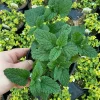
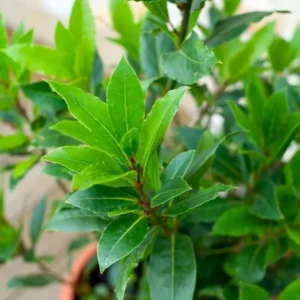
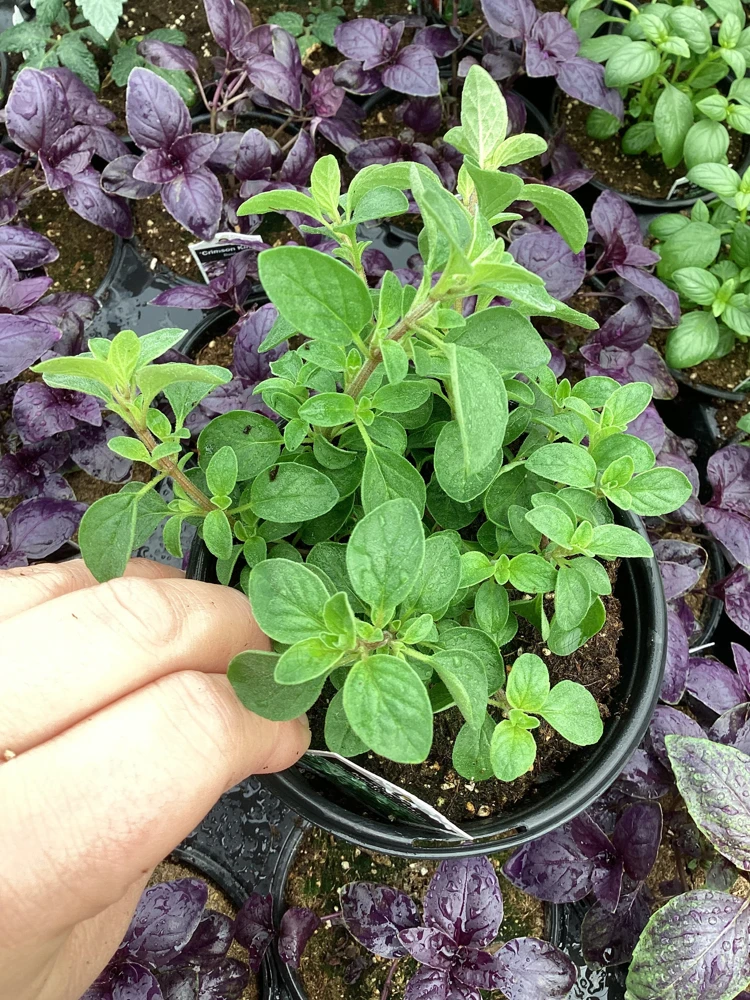
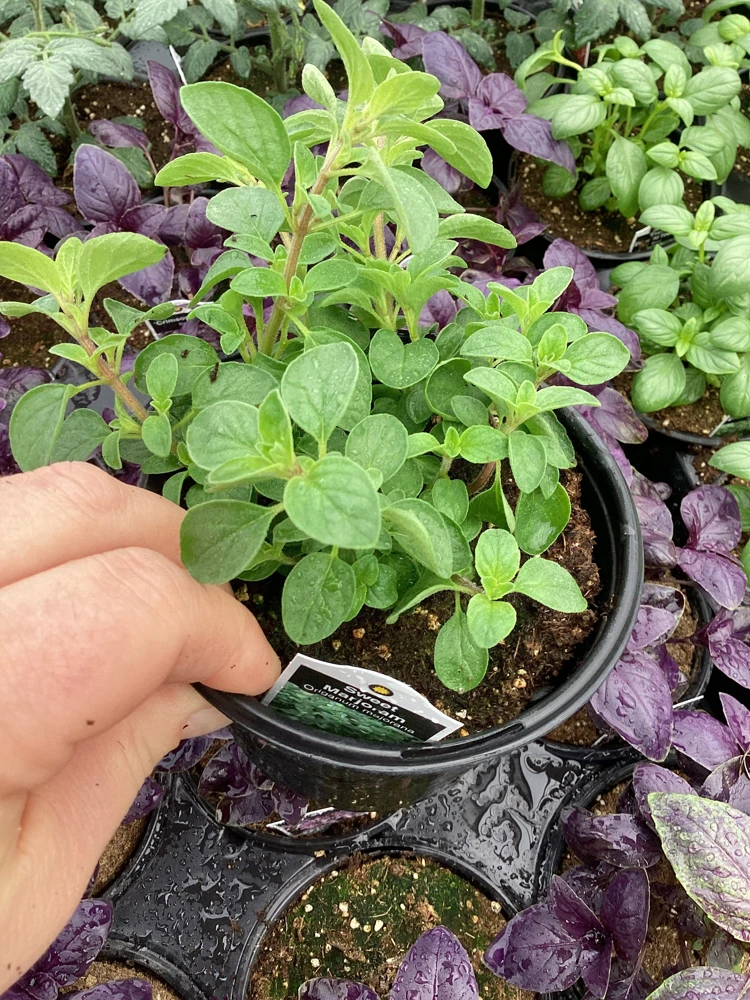
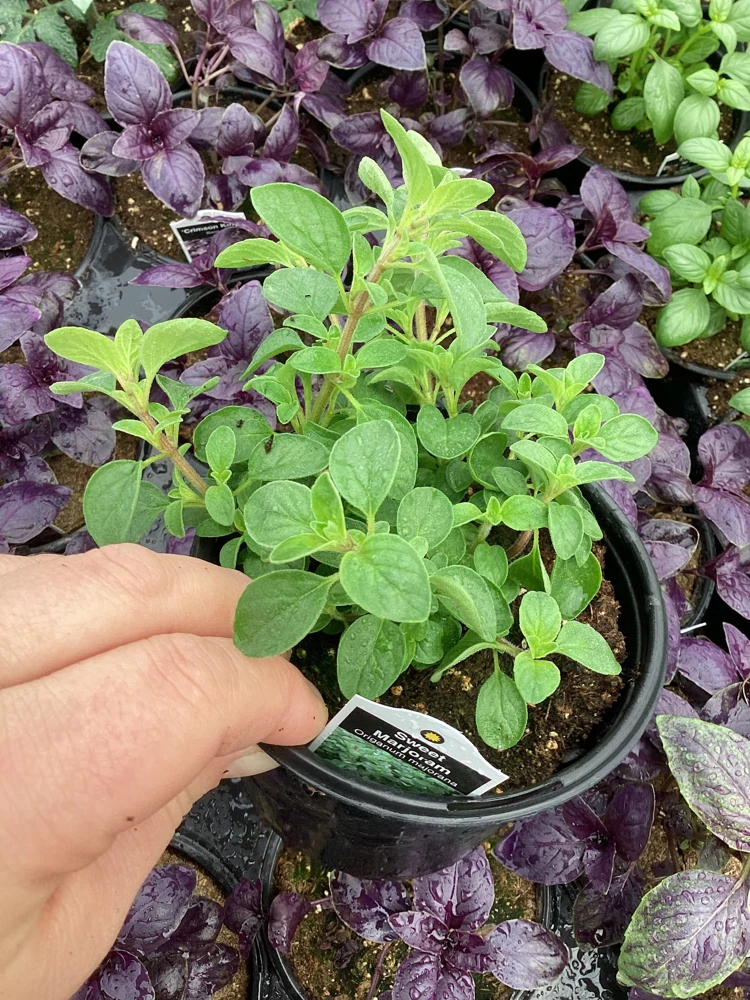
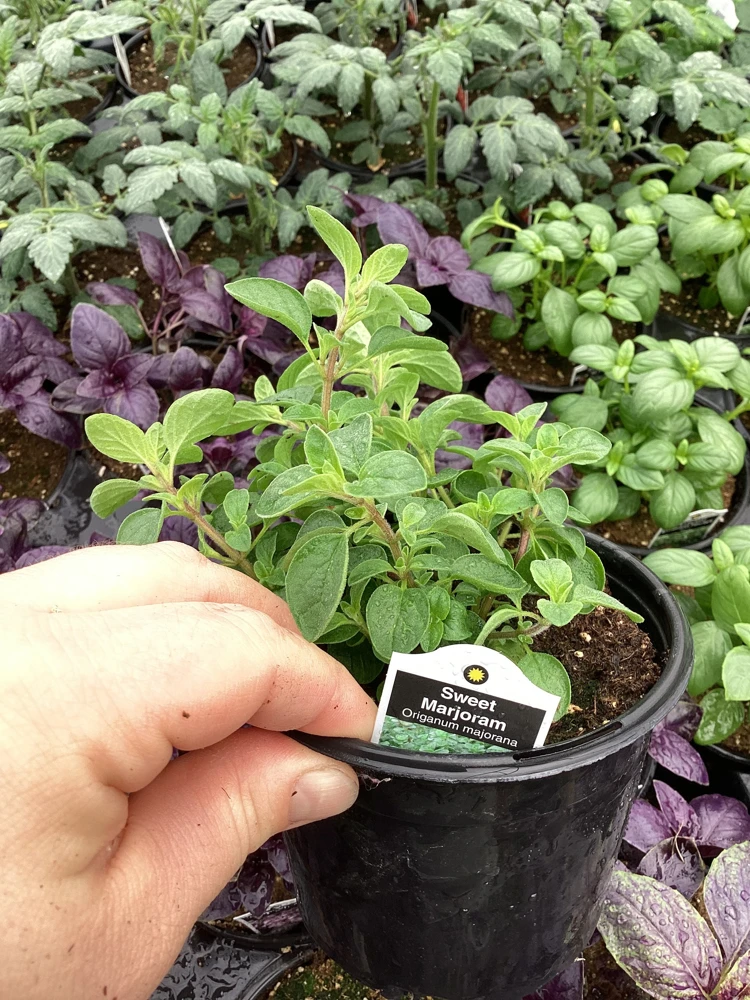
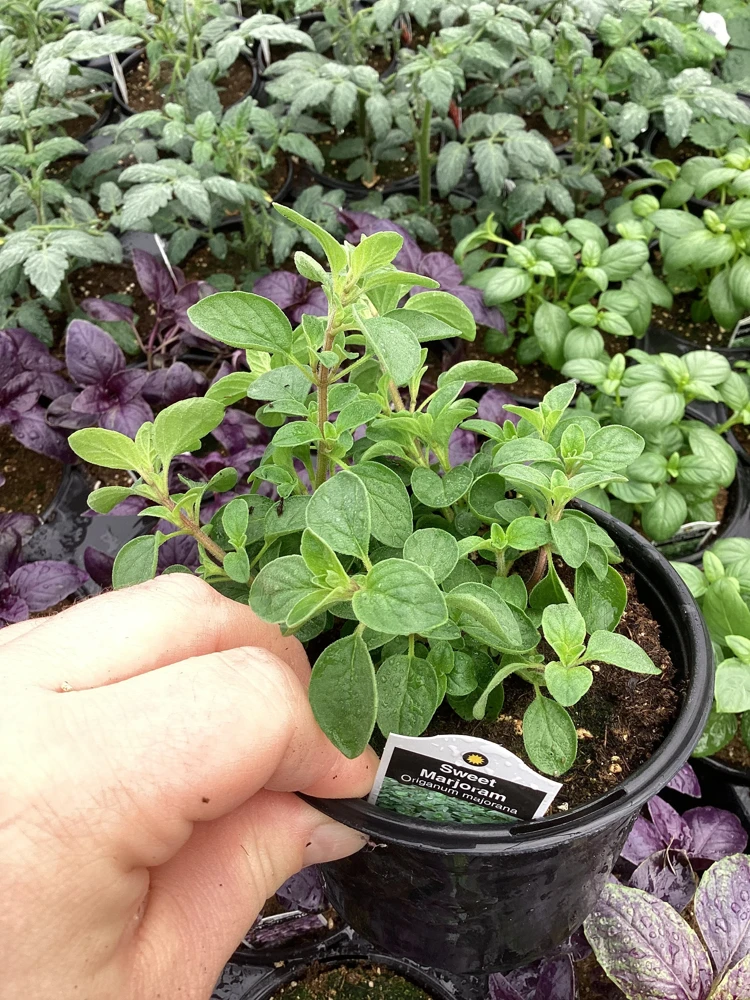
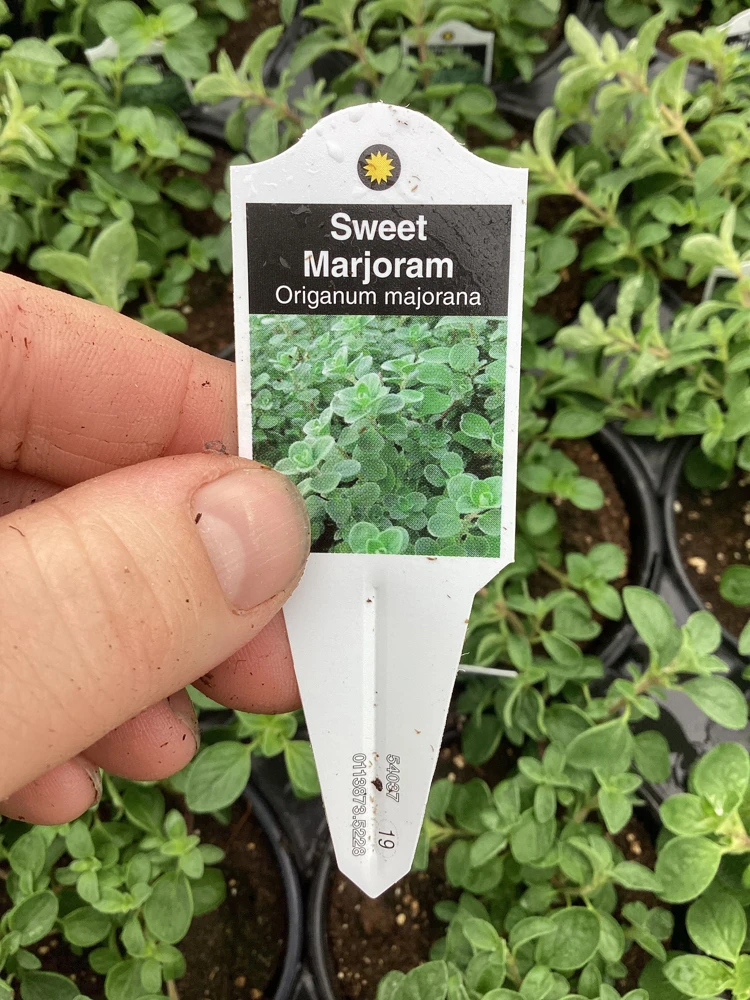
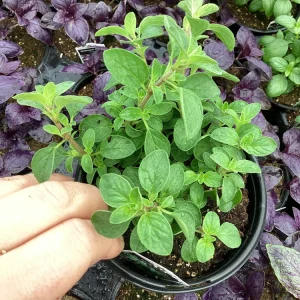
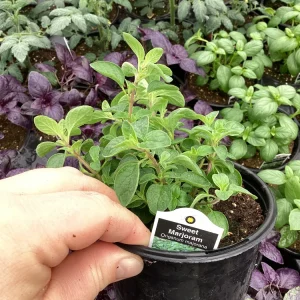
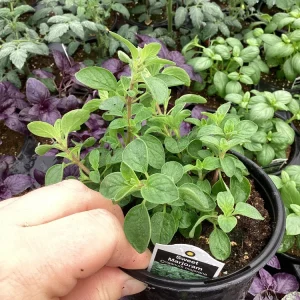
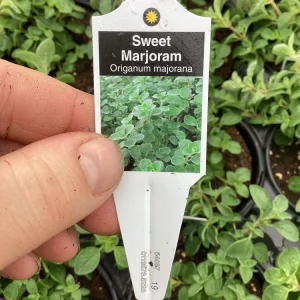
Bring the delightful aroma and flavor of fresh herbs to your home with this beautiful sweet marjoram live plant. Marjoram, scientifically known as Origanum majorana, is a tender perennial herb cherished for its delicate, sweet, and slightly spicy flavor profile, making it a staple in many culinary traditions. Unlike its close relative oregano, sweet marjoram offers a milder, sweeter taste that is perfect for seasoning meats, vegetables, soups, and sauces. This robust plant arrives well-established in a 4.5-inch nursery pot, ready to be transplanted into your garden or a larger container. Growing your own marjoram herb plant ensures you always have access to the freshest ingredients, enhancing your cooking with its unique fragrance and taste. It’s a fantastic addition for both seasoned gardeners and beginners looking to expand their herb collection.
Our sweet marjoram live plant is carefully cultivated to ensure healthy growth and vigorous production. It’s an excellent choice for anyone who enjoys cooking with fresh herbs or simply appreciates the beauty and scent of aromatic plants. Whether you’re looking to start an herb garden, fill a patio planter, or add a fragrant touch to your kitchen windowsill, this marjoram plant is a versatile and rewarding choice. Discover the joy of fresh herbs with this easy-to-grow plant.
Key Benefits
Adding a sweet marjoram live plant to your home or garden offers numerous advantages, from culinary delights to aesthetic appeal. This versatile herb is a must-have for any enthusiast:
- Exceptional Culinary Flavor: Enjoy the distinct sweet, piney, and citrusy notes of fresh marjoram. It’s a milder, sweeter alternative to oregano, perfect for delicate dishes, and a cornerstone of Mediterranean cuisine.
- Aromatic Garden Addition: The attractive gray-green foliage and tiny white to pink flowers of the marjoram herb plant add beauty to any garden or container. Its pleasant fragrance also acts as a natural deterrent to some garden pests.
- Versatile Use: Fresh marjoram leaves can be used in a wide array of dishes, from seasoning poultry, fish, and lamb to enhancing vegetable dishes, salad dressings, and herbal teas. It’s an essential ingredient for many traditional recipes.
- Easy to Grow and Maintain: This hardy herb is relatively low-maintenance, making it suitable for gardeners of all experience levels. It adapts well to various growing conditions, provided its basic needs for sun and drainage are met.
- Container Friendly: The compact growth habit of culinary marjoram makes it an excellent choice for container gardening on patios, balconies, or even indoors on a sunny windowsill, allowing you to enjoy fresh herbs year-round.
- Pollinator Attractor: The small flowers of marjoram attract beneficial pollinators like bees and butterflies to your garden, contributing to a healthy ecosystem.
- Potential Wellness Properties: Historically, marjoram has been used in traditional remedies for its soothing and digestive properties, adding another layer of value to this wonderful plant.
Plant Care & Growing Tips
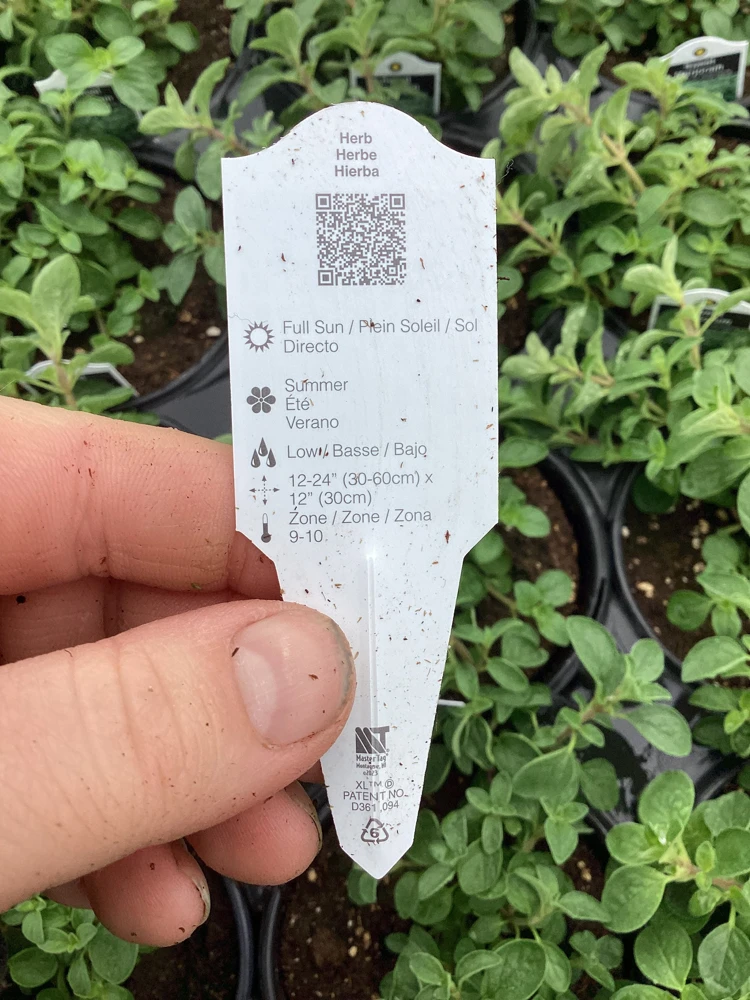
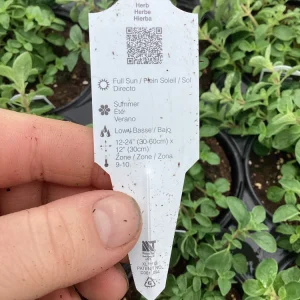
Caring for your sweet marjoram live plant is straightforward, ensuring a bountiful harvest of fragrant leaves. Marjoram thrives in conditions similar to its Mediterranean origins, preferring plenty of sunshine and well-drained soil. For optimal growth, plant your marjoram in a location that receives at least 6-8 hours of direct sunlight per day. If growing indoors, place it near a south-facing window or under a grow light. Good air circulation is also beneficial to prevent fungal issues.
When it comes to watering, marjoram prefers the soil to dry out slightly between waterings. Overwatering can lead to root rot, so ensure your pot or garden bed has excellent drainage. Water deeply but infrequently, and reduce watering in cooler months. A sandy, loamy soil with a neutral to slightly alkaline pH (6.5-7.5) is ideal. Amending heavy clay soils with compost or sand can improve drainage. Fertilize sparingly; marjoram doesn’t require rich soil and too much nitrogen can reduce its aromatic oils. A balanced liquid fertilizer diluted to half strength once a month during the growing season is usually sufficient. To encourage bushier growth and prevent the plant from becoming leggy, regularly pinch back the growing tips. Harvesting leaves frequently also promotes new growth and keeps the plant productive.
Sweet marjoram is a tender perennial, typically hardy in USDA Zones 9-11. In colder climates, it is often grown as an annual or brought indoors for the winter. Protect outdoor plants from frost by covering them or bringing potted plants inside when temperatures drop. Watch out for common pests like aphids or spider mites, which can be managed with insecticidal soap if necessary. Understanding how to grow marjoram successfully will provide you with a continuous supply of this delightful herb.
Size & Details
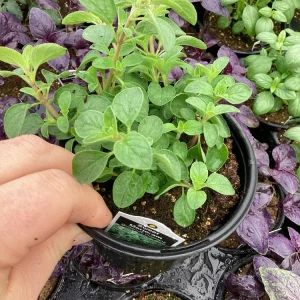
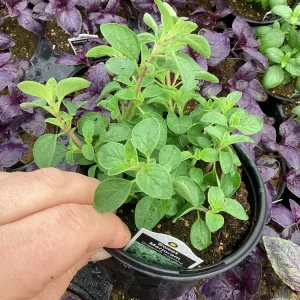
This offering includes one healthy sweet marjoram live plant, well-established and thriving in a 4.5-inch plastic nursery pot. Upon arrival, the plant will have a robust root system and several inches of fragrant foliage, ready for immediate transplanting. Sweet marjoram typically grows to a height of 1-2 feet (30-60 cm) and spreads about 1-1.5 feet (30-45 cm) wide, forming a compact, bushy mound. Its growth rate is moderate, allowing it to establish quickly in your garden or container.
The plant is shipped fresh from our greenhouse, ensuring it arrives in excellent condition. Expect to begin harvesting leaves within a few weeks of planting, with continuous production throughout the growing season. While primarily grown for its aromatic leaves, the plant will produce small, delicate white to pink flowers in summer, which are also edible and attractive to pollinators. This culinary marjoram is perfect for adding to herb gardens, kitchen gardens, or as a standalone fragrant plant on your patio.
Frequently Asked Questions
- Q: How big does this plant get? A: Your sweet marjoram live plant typically grows to about 1 to 2 feet tall and spreads 1 to 1.5 feet wide, forming a lovely bushy habit. Regular harvesting can help maintain its desired size.
- Q: What size pot does it come in? A: The plant arrives well-established in a 4.5-inch plastic nursery pot, ready for you to transplant it into a larger container or directly into your garden bed.
- Q: Is this an indoor or outdoor plant? A: While it thrives outdoors in full sun, sweet marjoram live plant can also be grown indoors on a sunny windowsill, especially in colder climates, allowing you to enjoy fresh herbs year-round.
- Q: How much sunlight does it need? A: For best results and the most flavorful leaves, marjoram requires at least 6-8 hours of direct sunlight per day. It can tolerate some partial shade but may become leggy.
- Q: Is this plant easy to care for? A: Yes, how to grow marjoram is quite simple. It’s considered a low-maintenance herb, making it an excellent choice for both beginner and experienced gardeners. Just provide plenty of sun and well-drained soil.
- Q: What condition will it arrive in? A: Your plant will arrive fresh, healthy, and well-established, carefully packaged to ensure it reaches you in optimal condition, ready to thrive in its new home.
- Q: Can I use sweet marjoram in cooking? A: Absolutely! Culinary marjoram is highly prized for its sweet, delicate flavor, perfect for seasoning meats, vegetables, soups, and sauces. It’s a staple in many Mediterranean dishes.
- Q: How often should I water my marjoram plant? A: Water thoroughly when the top inch of soil feels dry to the touch. Marjoram prefers slightly drier conditions, so avoid overwatering to prevent root rot.
- Q: When is the best time to plant sweet marjoram? A: In most regions, the best time to plant marjoram outdoors is after the last spring frost, once soil temperatures have warmed. Indoor planting can be done any time.
- Q: Will it survive winter in my zone? A: Sweet marjoram is a tender perennial and is typically winter hardy in USDA Zones 9-11. In colder zones, it should be treated as an annual or brought indoors before the first frost.


Reviews
There are no reviews yet.