
Overview
Bring life and beauty to your garden with a milkweed mix live plant, a crucial addition for any pollinator enthusiast. This vibrant perennial, scientifically known as Asclepias species, is celebrated for its indispensable role in the life cycle of the iconic Monarch butterfly. As a host plant, its leaves provide the sole food source for Monarch caterpillars, making it an essential element for their survival and transformation. Beyond its role as a host, the milkweed mix live plant also offers abundant nectar for adult Monarchs, bees, and other beneficial pollinators, fostering a thriving ecosystem right in your backyard. Our young starter plants are shipped without a pot, ensuring they are ready for immediate planting and establishment in your outdoor space.
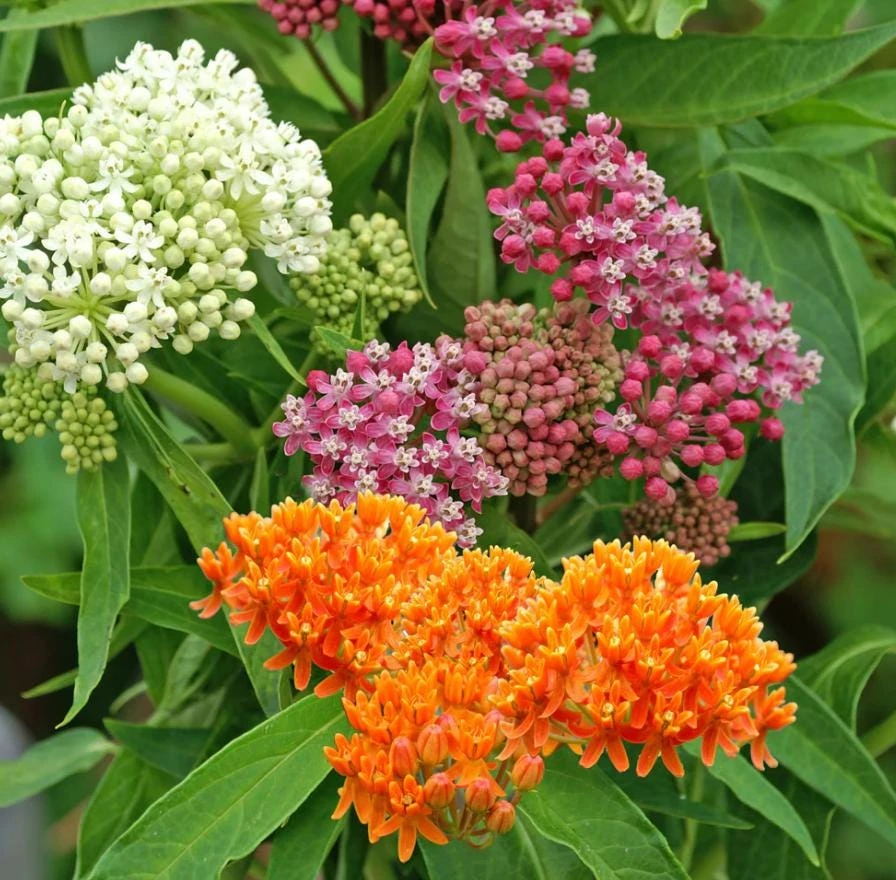
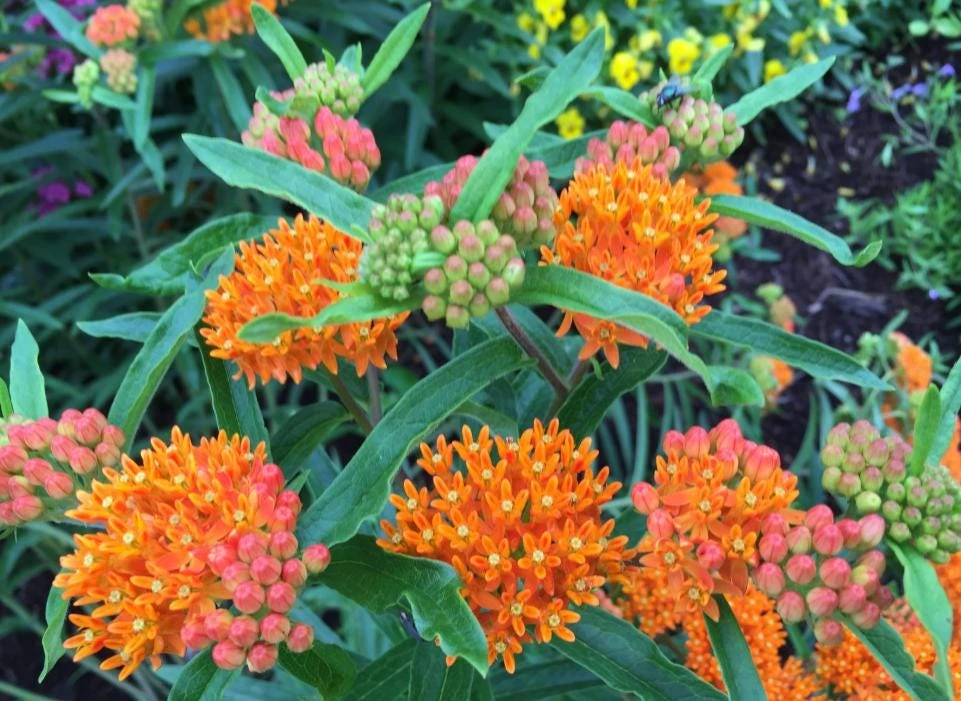
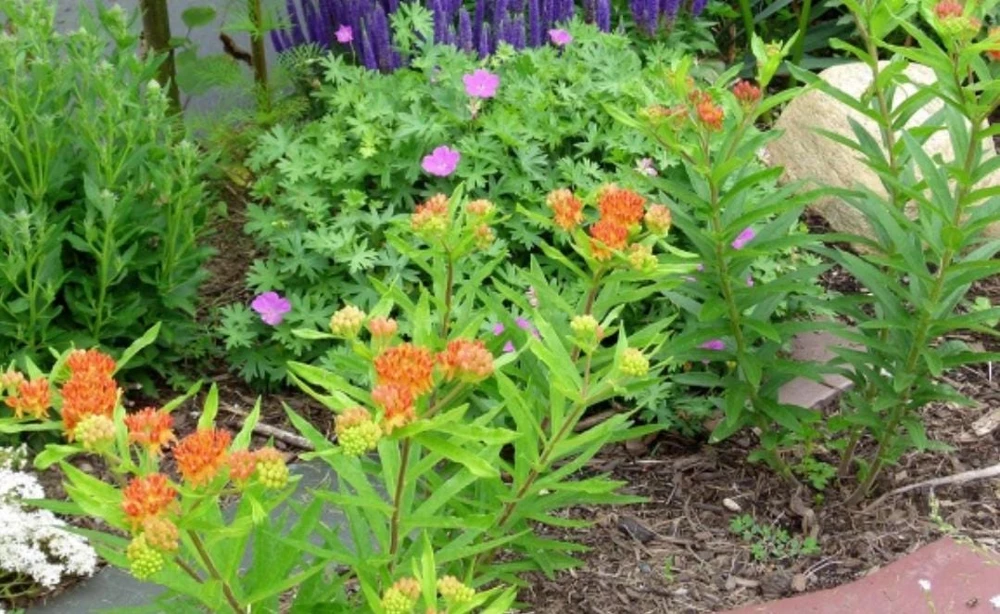
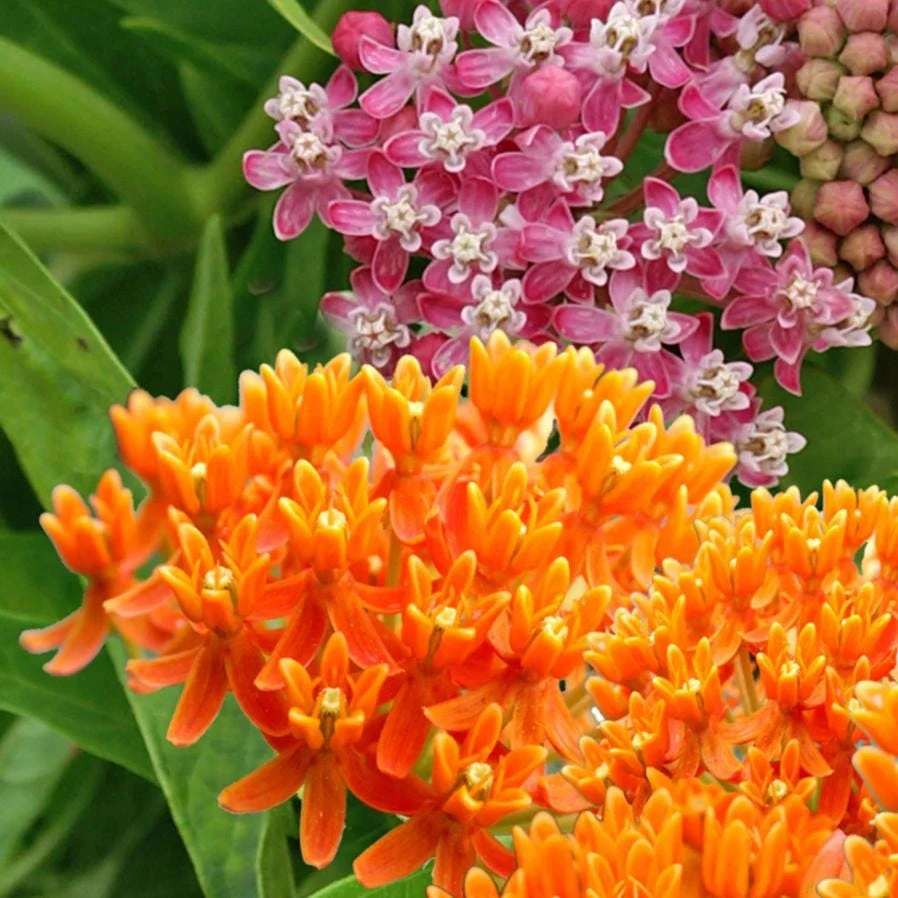
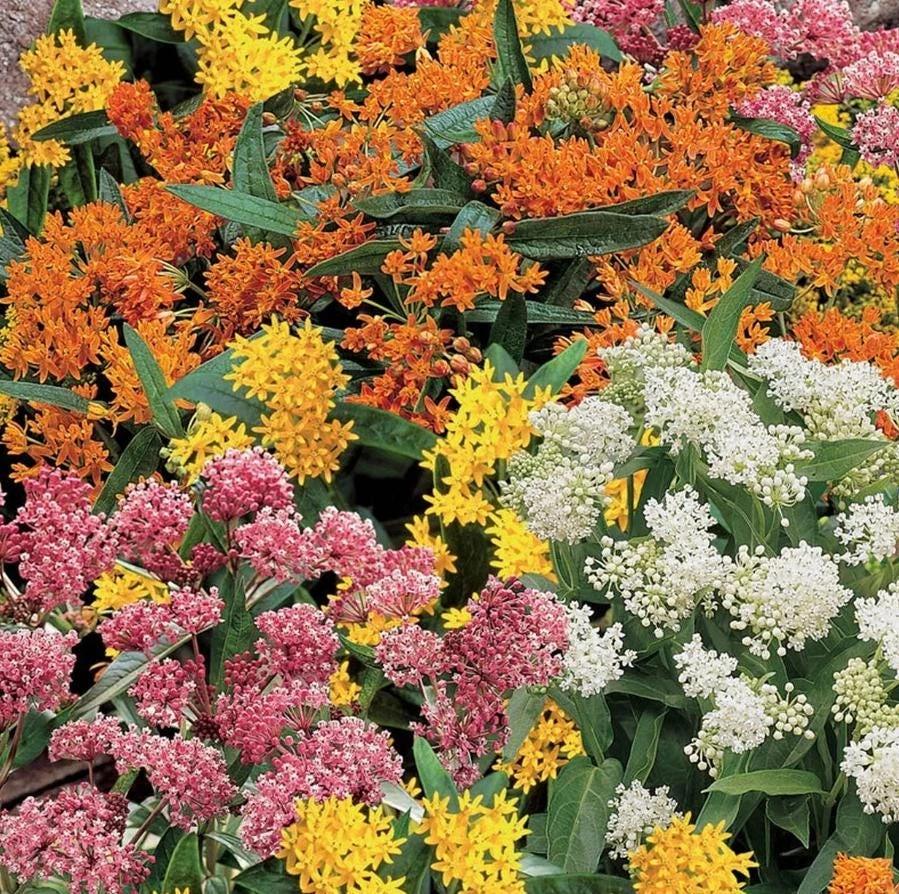
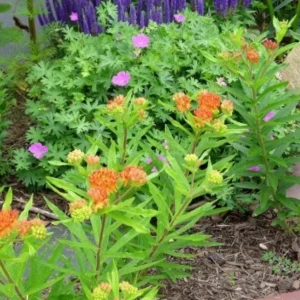
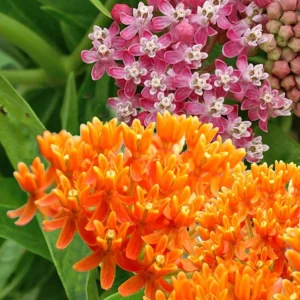
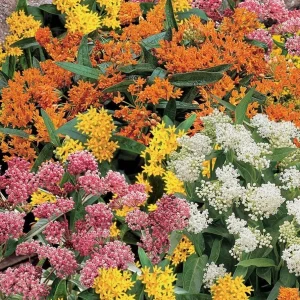
This particular mix features various Asclepias species for pollinators, offering a delightful array of mixed flower colors and forms as they mature. The clusters of small, star-shaped flowers not only add aesthetic appeal but also serve as a beacon for hungry pollinators. Whether you’re an experienced gardener or just starting, growing milkweed is a rewarding experience that directly contributes to conservation efforts for Monarch butterflies, whose populations have faced significant challenges. Embrace the joy of watching these magnificent creatures thrive with a healthy and robust milkweed mix live plant.
Key Benefits
Investing in a milkweed mix live plant offers a multitude of ecological and aesthetic benefits for your garden and local environment. This plant is a cornerstone for biodiversity, especially for our beloved Monarch butterflies.
- Essential Monarch Host Plant: The primary benefit is providing a critical host plant for Monarch caterpillars. Without milkweed, Monarchs cannot complete their life cycle, making this plant vital for their conservation.
- Rich Nectar Source: Beyond hosting caterpillars, the flowers of the milkweed mix live plant are a rich source of nectar, attracting adult Monarchs, bees, and other pollinators, thereby enhancing your garden’s ecological balance.
- Beautiful Flowering Perennial: Enjoy clusters of star-shaped flowers in mixed colors, adding visual interest and beauty to your garden beds, borders, and pollinator gardens year after year.
- Supports Local Ecosystems: By planting milkweed, you contribute to a healthier local ecosystem, encouraging a diverse range of insects and birds that rely on these plants.
- Low Maintenance Once Established: Once rooted, grow milkweed for butterflies with relatively minimal effort. It is a resilient plant that thrives in suitable conditions.
- Educational Opportunity: Observe the fascinating life cycle of Monarch butterflies firsthand, making it a wonderful educational tool for families and communities.
- Drought Tolerant: Many Asclepias species are known for their ability to withstand periods of drought once established, making them a sustainable choice for many garden types.
Plant Care & Growing Tips
Caring for your milkweed mix live plant is straightforward, especially when provided with the right conditions. These plants generally prefer full sun, meaning they should receive at least six hours of direct sunlight per day to thrive and produce abundant blooms. They are well-suited for warm environments and are quite adaptable to various outdoor garden settings. When it comes to watering, milkweed prefers the soil to become slightly dry between waterings. Avoid overwatering, as this can lead to root rot. A good rule of thumb is to water thoroughly when the top inch or two of soil feels dry to the touch.
For optimal growth, plant your milkweed mix live plant in well-draining soil. While not overly particular, a soil enriched with organic matter will promote stronger root development and overall plant vigor. It’s suitable for a range of USDA hardiness zones, typically thriving in zones 3-9, depending on the specific Asclepias species in the mix. Fertilization is generally not heavily required; a light application of a balanced, all-purpose fertilizer in spring can encourage robust growth, but avoid excessive feeding which can lead to lush foliage at the expense of flowers. Common problems are few, but keep an eye out for aphids, which can often be managed with a strong spray of water or insecticidal soap. Remember, a healthy milkweed plant care routine ensures a flourishing habitat for Monarchs.
When planting, ensure adequate spacing to allow for mature growth. These perennials will return year after year, expanding their presence and impact on your pollinator garden. While they are resilient, providing consistent care during their establishment phase will lead to a more robust and productive plant in the long run. Embrace the journey of helping Monarchs by providing a healthy environment for your milkweed mix live plant.
Size & Details
Each order includes one healthy milkweed mix live plant, shipped as a young starter plant. At the time of shipping, the plant will typically stand approximately 3 to 6 inches tall, depending on the specific batch and variety. These are small, developing plants that require proper care and growing time to reach their full potential and produce the beautiful flowers and leaves essential for Monarchs. The plants are grown in a 4-inch pot before shipping to ensure a well-established root system, but they are shipped without the pot to minimize waste and shipping costs. A small amount of soil may be removed during this process for safe transit.
This milkweed mix live plant is a perennial flowering plant, meaning it will return each year, growing larger and more established with time. Its growth habit makes it suitable for various outdoor applications, including garden beds, pollinator gardens, landscape borders, and naturalized areas. The ultimate size and bloom production will depend on the specific growing conditions, care, and climate. Expect moderate to fast growth once planted in its permanent location with proper sunlight, water, and soil. The mixed varieties ensure a diverse and attractive display, enhancing your efforts to grow milkweed for butterflies.
Frequently Asked Questions
- Q: How big does this milkweed mix live plant get? A: This milkweed mix live plant is shipped as a young starter plant, typically 3 to 6 inches tall. Once planted and established, mature sizes vary by species but can range from 2 to 5 feet tall and wide, depending on growing conditions and specific variety.
- Q: What size pot does it come in? A: The plant is grown in a 4-inch pot to establish healthy roots, but it is shipped without the pot to ensure safe and efficient delivery. You will receive the plant with its root ball and a small amount of soil.
- Q: Is this an indoor or outdoor plant? A: This milkweed mix live plant is primarily an outdoor plant, best suited for garden beds, pollinator gardens, and outdoor landscapes where it can receive full sun. It thrives in warm, outdoor environments.
- Q: How much sunlight does it need? A: Milkweed plants prefer full sun, requiring at least 6 hours of direct sunlight daily to grow vigorously and produce abundant flowers and leaves for Monarchs.
- Q: Is this plant easy to care for? A: Yes, milkweed plant care is generally considered easy once established. They are relatively drought-tolerant and resilient, making them a good choice for both beginner and experienced gardeners.
- Q: What condition will it arrive in? A: Your milkweed mix live plant will arrive as a healthy, young starter plant. Minor cosmetic leaf or stem stress during transit is normal for live plants, and it will recover with proper care.
- Q: How long until it blooms? A: As a young starter plant, it will need time to grow and mature. Depending on planting time and growing conditions, it may bloom in its first year, but more robust flowering is expected in subsequent years.
- Q: Will it survive winter in my zone? A: Most Asclepias species for pollinators are perennial and hardy in USDA zones 3-9, meaning they will die back in winter and regrow from the roots in spring. Check your specific zone for best results.
- Q: Why is it important to grow milkweed for butterflies? A: Grow milkweed for butterflies because it is the ONLY plant Monarch butterfly caterpillars can eat. Without milkweed, Monarch populations cannot survive, making it essential for their conservation.
- Q: What kind of soil does milkweed prefer? A: Milkweed thrives in well-draining soil. While not overly particular, adding some organic matter can improve soil structure and nutrient availability, promoting healthier growth.


Reviews
There are no reviews yet.