Overview
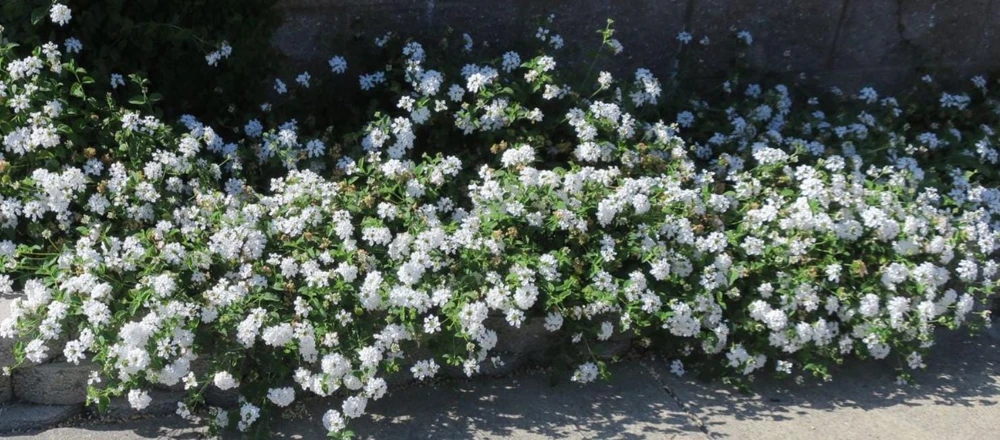
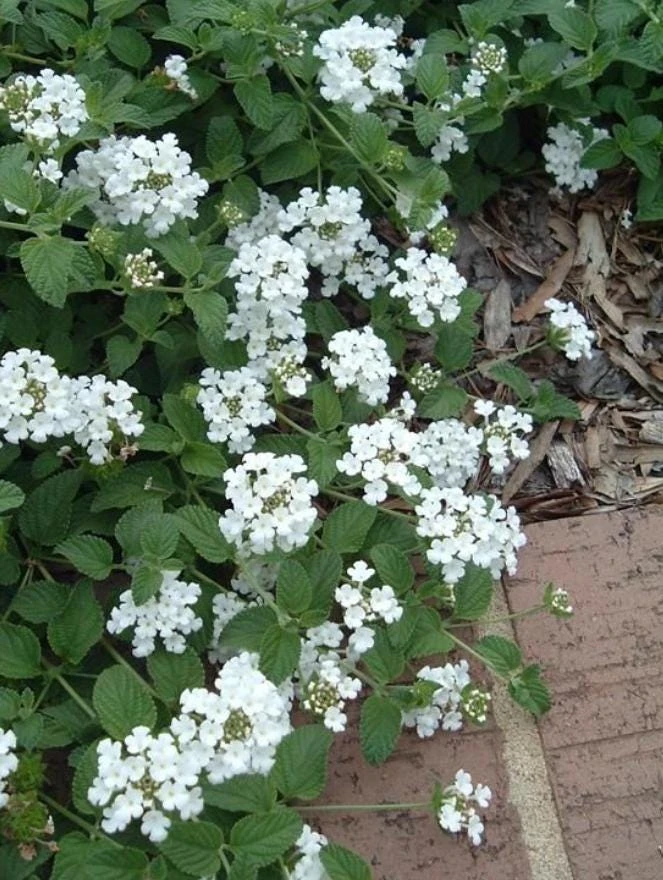
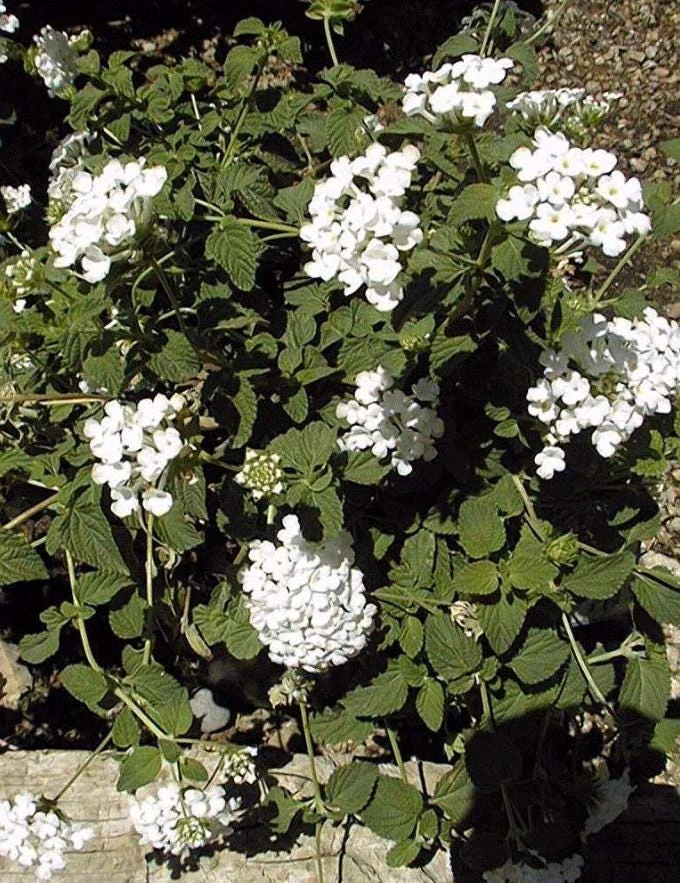
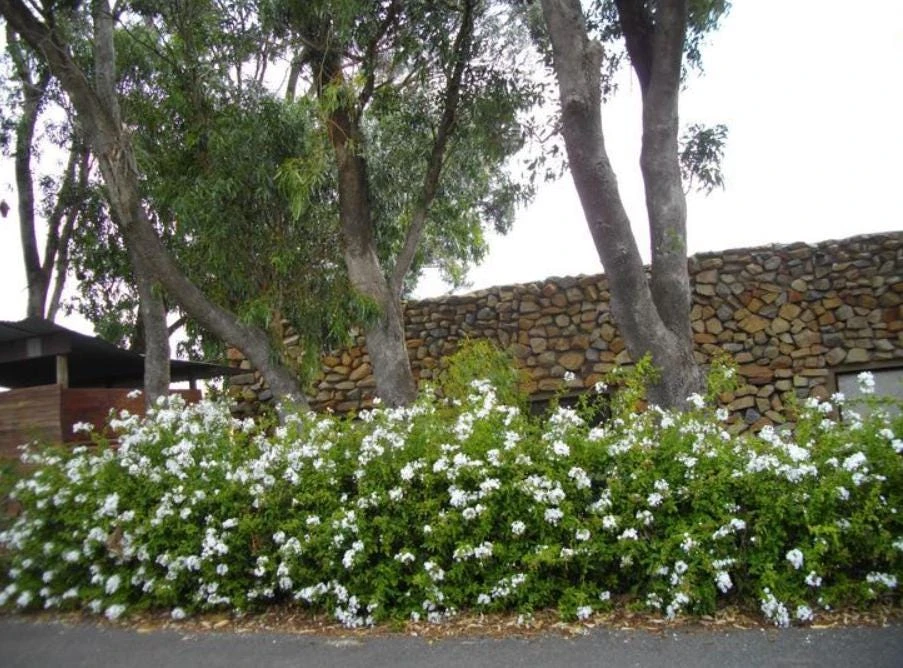
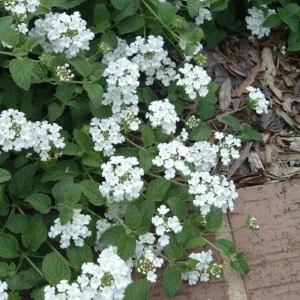
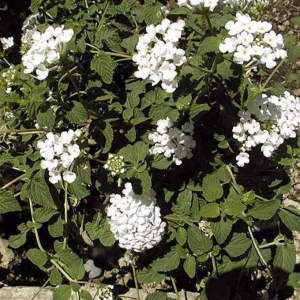
Introduce a cascade of delicate beauty to your outdoor spaces with the trailing white lantana live plant. Known botanically as Lantana montevidensis, this ornamental plant is cherished for its vigorous spreading habit and abundant clusters of small, pristine white flowers. Originating from South America, trailing white lantana live plant is a versatile and resilient choice for gardeners seeking continuous bloom and a low-maintenance solution for various landscape applications. Its graceful, trailing stems make it an exceptional candidate for softening hard edges, filling in garden beds, or creating a stunning visual display in elevated planters. This particular offering provides a healthy young plant, ready to establish itself and flourish in your garden, bringing an airy, elegant touch with its beautiful white blossoms.
The trailing white lantana live plant is not only aesthetically pleasing but also attracts pollinators like butterflies, adding life and movement to your garden. Its ability to thrive in warm, sunny conditions makes it a favorite in regions with long growing seasons. Whether you’re looking to enhance your patio, balcony, or garden borders, this plant offers a robust performance and a continuous show of flowers, making it a truly rewarding addition to any outdoor setting.
Key Benefits
The trailing white lantana live plant offers numerous advantages for both novice and experienced gardeners, providing beauty and resilience with minimal effort. Its adaptability and vibrant display make it a standout choice for various landscaping needs.
- Continuous Blooms: Enjoy a prolonged flowering season with abundant clusters of small, delicate white flowers, providing consistent visual interest from spring through fall in suitable climates. The continuous blooming habit ensures your garden remains vibrant and lively for months.
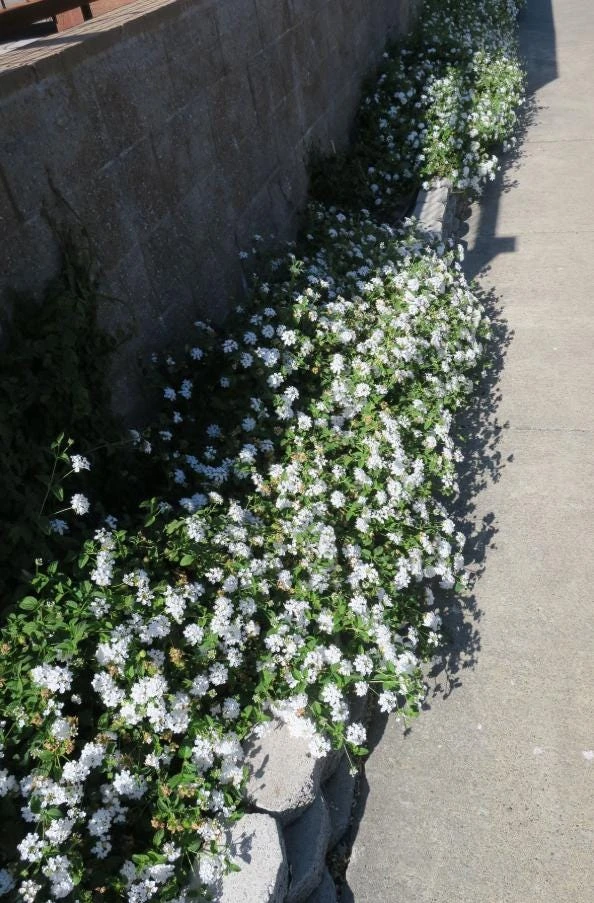
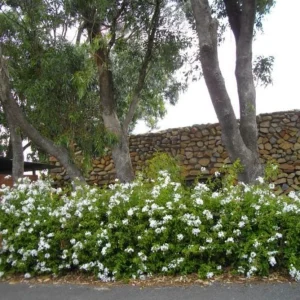
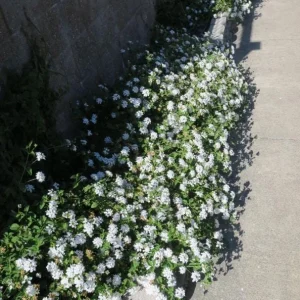
- Versatile Landscaping Use: Perfect for a multitude of applications, including hanging baskets where its stems can gracefully cascade, containers that allow for flexible placement, garden borders, and as an effective ground cover, especially in warm environments. This versatility makes it easy to incorporate into any garden design.
- Drought Tolerant: Once established, the trailing white lantana live plant is remarkably tolerant of dry conditions, making it an excellent choice for water-wise gardening and regions with infrequent rainfall. This reduces the need for constant watering.
- Attracts Pollinators: The charming flowers are a magnet for beneficial pollinators such as butterflies and bees, contributing to a healthier garden ecosystem and enhancing biodiversity. Watch as your garden becomes a haven for these essential creatures.
- Low Maintenance: This plant requires minimal care, thriving with basic attention. It’s relatively pest-free and disease-resistant, making it a hassle-free addition to your garden. For robust growth, ensure proper white lantana plant care.
- Rapid Growth Habit: Exhibits a fast-growing, spreading habit, quickly filling out spaces and providing lush coverage, perfect for achieving a full and mature look in a shorter time frame. This makes it an ideal choice for instant impact.
- Heat Loving: Thrives in warm and hot climates, performing exceptionally well where many other plants might struggle, making it a reliable choice for sunny, exposed locations. An excellent outdoor lantana plant option.
Plant Care & Growing Tips
Proper care ensures your trailing white lantana live plant flourishes and provides a continuous display of its beautiful white blooms. Understanding its needs for light, water, and soil will lead to a healthy and vigorous plant. This plant is known for its resilience, but a little attention goes a long way in maximizing its potential. For best results, follow these guidelines for optimal white lantana plant care.
Sunlight Requirements: The trailing white lantana live plant demands ample sunlight to produce its best blooms. It thrives in bright light to full sun, meaning it needs at least 6-8 hours of direct sunlight per day. In very hot climates, some afternoon shade can be beneficial to prevent scorching, but generally, the more sun it receives, the more flowers it will produce. Place it in the sunniest spot in your garden or on your patio to ensure a spectacular display. This is crucial for any outdoor lantana plant.
Watering Schedule & Soil Moisture: While drought-tolerant once established, young plants and those in containers will require more consistent watering. Allow the soil to dry slightly between waterings, then water thoroughly until water drains from the bottom of the pot. Avoid overwatering, as this can lead to root rot. During hot, dry spells, you may need to water more frequently. For ground cover applications, once established, natural rainfall may be sufficient, but supplemental watering during prolonged dry periods will be beneficial.
Soil Type & Drainage Requirements: This plant is not overly particular about soil, but it performs best in well-draining soil. A standard potting mix amended with some sand or perlite works well for containers. In garden beds, ensure the soil is loose and drains effectively to prevent waterlogging. Good drainage is key to preventing root issues and promoting healthy growth for lantana montevidensis. Avoid heavy, clay soils that retain too much moisture.
Temperature Range & USDA Hardiness Zone:Trailing white lantana live plant is a tender perennial, typically grown as an annual in colder climates or overwintered indoors. It thrives in warm environments and is generally hardy in USDA Zones 9-11. In these zones, it can be a perennial, returning year after year. In cooler zones, it will die back with the first frost and can be replanted the following spring. It prefers temperatures above 50°F (10°C).
Fertilization Schedule & Type: Fertilize your lantana every 4-6 weeks during the growing season with a balanced liquid fertilizer, or use a slow-release granular fertilizer at the beginning of the season. Reduce or stop fertilization in late fall and winter. Over-fertilization can promote foliage growth at the expense of flowers, so follow recommended dosages.
Common Problems & Solutions: Lantana is generally robust, but occasionally it can encounter issues. Watch for whiteflies or spider mites, especially in dry conditions. Treat with insecticidal soap if necessary. Yellowing leaves can indicate overwatering or nutrient deficiency. Adjust watering habits and consider a balanced fertilizer. Pruning helps maintain shape and encourages more blooms; deadhead spent flowers to promote continuous flowering, which is part of good white lantana plant care.
Size & Details
This offering includes one healthy trailing white lantana live plant, shipped as a young starter plant. At the time of shipping, the plant typically measures approximately 3 to 6 inches tall, depending on the current batch and growth stage. These plants are grown in a 4-inch nursery pot to ensure a well-established root system before they are carefully prepared for transit. Please note that to facilitate safe and efficient shipping, the plant is shipped without its original pot, and a small amount of soil may be removed to reduce weight and volume. This ensures the plant arrives in the best possible condition, ready for its new home.
Upon arrival, your lantana montevidensis will require immediate planting into its permanent location, whether it be a hanging basket, a larger container, or directly into the garden bed. This plant is known for its fast growth rate and will quickly mature, developing its characteristic trailing habit and prolific white blooms. Expect the plant to begin actively growing and flowering once it has adjusted to its new environment and receives proper care. The mature size can vary, with trails extending several feet, making it an excellent choice for lantana for hanging baskets or as expansive ground cover.
Frequently Asked Questions
- Q: How big does this plant get? A: A trailing white lantana live plant typically grows 3 to 6 inches tall at shipping. Once established, its trailing stems can spread several feet, making it excellent for cascading over containers or as ground cover.
- Q: What size pot does it come in? A: The plant is grown in a 4-inch nursery pot before shipping to ensure healthy root development. It will be shipped without the pot to ensure safe transit.
- Q: Is this an indoor or outdoor plant? A: This is primarily an outdoor lantana plant. It thrives in full sun and warm temperatures, making it ideal for gardens, patios, and hanging baskets in USDA Zones 9-11. In colder zones, it is typically grown as an annual.
- Q: How much sunlight does it need? A: The trailing white lantana live plant requires at least 6-8 hours of direct sunlight daily to produce the most abundant blooms. Bright light to full sun conditions are optimal.
- Q: Is this plant easy to care for? A: Yes, lantana montevidensis is known for being relatively low-maintenance and drought-tolerant once established, making it a great choice for both beginner and experienced gardeners. Consistent white lantana plant care ensures vibrant blooms.
- Q: What condition will it arrive in? A: You will receive 1 healthy young trailing white lantana live plant. Minor cosmetic leaf or stem stress during transit is normal for live plants, and it will recover with proper care.
- Q: How long until it blooms? A: As a young starter plant, it will need time to establish itself and mature. With proper care and growing conditions, it should begin actively blooming during the growing season after it has adjusted to its new environment.
- Q: Can I use lantana for hanging baskets? A: Absolutely! The trailing habit of this plant makes it an ideal choice for lantana for hanging baskets, allowing its beautiful white blooms to cascade gracefully.
- Q: What’s the minimum temperature this plant can tolerate? A: The trailing white lantana live plant prefers temperatures above 50°F (10°C). It is hardy in USDA Zones 9-11 as a perennial, but will not survive freezing temperatures.
- Q: What type of soil is best for this plant? A: Well-draining soil is essential for lantana montevidensis. A good quality potting mix for containers or loose, well-drained garden soil is recommended.


Reviews
There are no reviews yet.