Overview
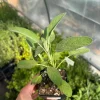
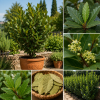
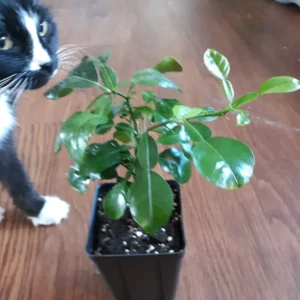
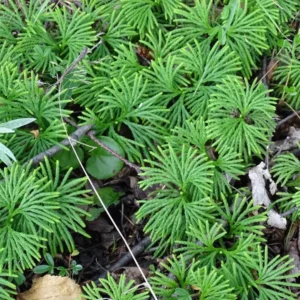
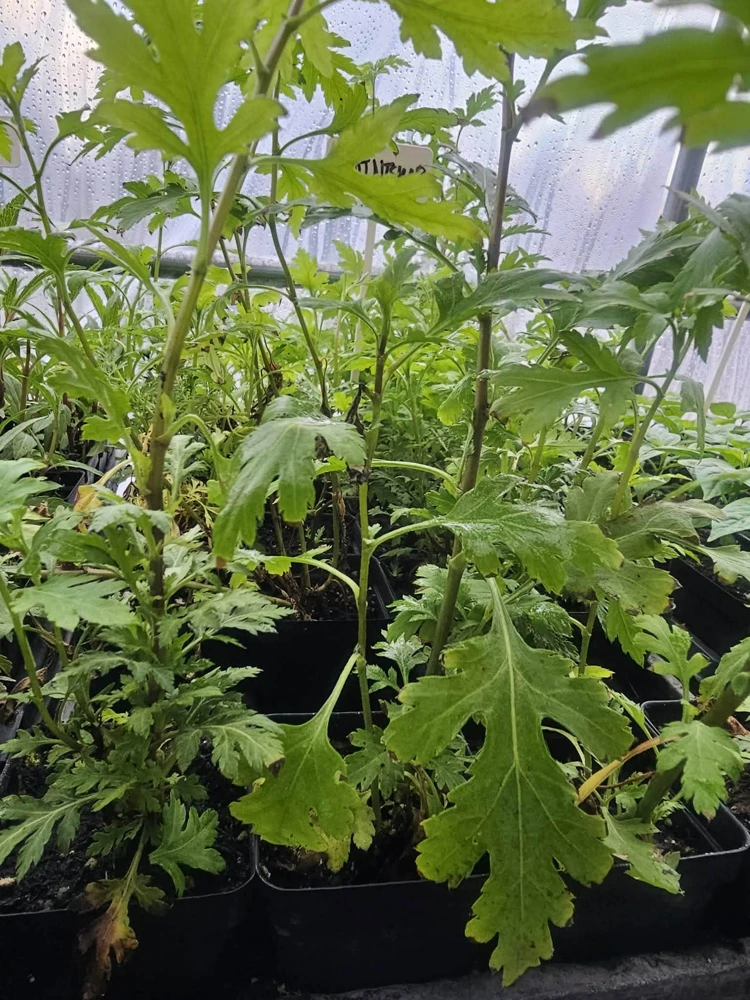
Bring the rich tradition of herbal wellness into your home or garden with the mugwort live plant. Known botanically as Artemisia vulgaris, and culturally as Nkoj Ntsuab or Suv Ntsim, this versatile herb is a cornerstone in various traditional practices, particularly among the Hmong community. This listing provides a healthy 2.5-inch potted starter plant, ready for cultivation. Valued for generations, this traditional herbal plant is often incorporated into boiled chicken soup or used during periods of fatigue and post-partum recovery diets. Its historical significance and ease of growth make it a fascinating addition to any herb collection, offering both beauty and a link to age-old remedies. Whether you’re an experienced herbalist or a curious beginner, growing your own mugwort live plant is a rewarding experience.
Key Benefits
The mugwort live plant offers a unique blend of historical significance and practical benefits for the modern gardener and herbal enthusiast. Its robust nature and storied past make it a valuable addition to various settings.
- Historical & Cultural Significance: This Nkoj Ntsuab herb is deeply rooted in traditional practices, particularly within the Hmong culture, where it has been used for generations for its perceived wellness properties. Growing it connects you to a rich botanical heritage.
- Ease of Cultivation: Mugwort is known for being a resilient and relatively easy-to-grow plant, making it suitable for gardeners of all experience levels. It adapts well to various conditions, ensuring a successful growing experience.
- Traditional Wellness Support: Historically, mugwort has been associated with supporting overall wellness, particularly during times of illness, fatigue, or as part of post-partum recovery diets. It’s considered to help restore balance according to traditional herbal practices.
- Garden Versatility: While primarily known for its traditional uses, the mugwort live plant also adds textural interest to gardens with its attractive foliage. It can be grown in containers or directly in the ground.
- Aromatic Foliage: The leaves of the mugwort plant have a distinctive, aromatic scent, which can be enjoyed in the garden or when handling the leaves for traditional preparations. This adds another sensory dimension to its cultivation.
- Perennial Growth: As a perennial, your mugwort starter plant will return year after year, providing a continuous supply of this valuable herb without the need for annual replanting in suitable climates.
Plant Care & Growing Tips
Caring for your mugwort live plant is straightforward, as it is a hardy and adaptable herb. For optimal growth, provide it with plenty of sunlight. While it can tolerate some partial shade, full sun (at least 6 hours of direct sunlight per day) will encourage the most vigorous growth and aromatic foliage. If growing indoors, place it near a south-facing window or use supplemental grow lights to ensure it receives adequate light.
Mugwort prefers well-draining soil. A standard potting mix amended with some sand or perlite will work well for container planting, ensuring the roots don’t sit in soggy conditions. When planting directly in the garden, aim for a loamy soil type that drains freely. Water the plant regularly, especially during dry spells, but allow the top inch or two of soil to dry out between waterings to prevent root rot. This Nkoj Ntsuab herb is quite drought-tolerant once established, but consistent moisture will lead to a healthier plant. Fertilize sparingly; a balanced, all-purpose liquid fertilizer applied once or twice during the growing season is usually sufficient for a robust mugwort live plant. It thrives in temperate climates and is generally hardy in USDA zones 4-9, making it a versatile choice for many regions.
Keep an eye out for common garden pests, though mugwort is generally resistant. Good air circulation helps prevent fungal issues. Regular harvesting of the leaves will also encourage bushier growth. This traditional herbal plant can spread vigorously in optimal conditions, so consider planting it in a contained area or a pot if you wish to limit its spread in your garden.
Size & Details
This offering is for one healthy mugwort starter plant, carefully cultivated and shipped in a 2.5-inch nursery pot. At the time of shipment, the plant will be well-rooted and actively growing, ready for transplanting into a larger container or directly into your garden bed. Mugwort typically grows to a height of 2-4 feet and can spread equally wide, forming a bushy clump of aromatic foliage. It has a moderate to fast growth rate, quickly establishing itself in suitable conditions. Expect to enjoy your first harvests of this Hmong tshuaj herbs within a few weeks of planting. The plant is a perennial, meaning it will return year after year, providing a continuous supply of fresh leaves for your herbal needs.
Frequently Asked Questions
- Q: How big will my mugwort plant get? A: Your mugwort live plant can typically grow to be 2-4 feet tall and wide, forming a substantial bush. Its mature size depends on growing conditions and whether it’s planted in the ground or a container.
- Q: Is this an indoor or outdoor plant? A: Mugwort can be grown both indoors and outdoors. Outdoors, it thrives in full sun. Indoors, it will need a bright, sunny window or grow lights to flourish.
- Q: How much sunlight does the Nkoj Ntsuab herb need? A: For best results, your Nkoj Ntsuab herb prefers full sun, meaning at least 6 hours of direct sunlight per day. It can tolerate partial shade, but growth may be less vigorous.
- Q: Is this plant easy to care for? A: Yes, mugwort is known for being a very hardy and low-maintenance plant, making it an excellent choice for beginners and experienced gardeners alike. It’s quite forgiving of various conditions.
- Q: What condition will my mugwort starter plant arrive in? A: Your mugwort starter plant will arrive securely packaged in its 2.5-inch nursery pot, healthy and ready for planting. Minor stress from transit is normal, but the plant should recover quickly with proper care.
- Q: Can I use this traditional herbal plant for cooking? A: While historically used in traditional preparations like boiled chicken soup, any use of this traditional herbal plant should be thoroughly researched and discussed with a qualified herbalist or healthcare professional.
- Q: What’s the best time to plant mugwort? A: The best time to plant your mugwort live plant outdoors is after the last frost in spring. If growing indoors, it can be planted any time of year.
- Q: What USDA zones is mugwort hardy in? A: Mugwort is generally hardy in USDA Zones 4-9, making it suitable for a wide range of climates across the United States.


Reviews
There are no reviews yet.