Overview
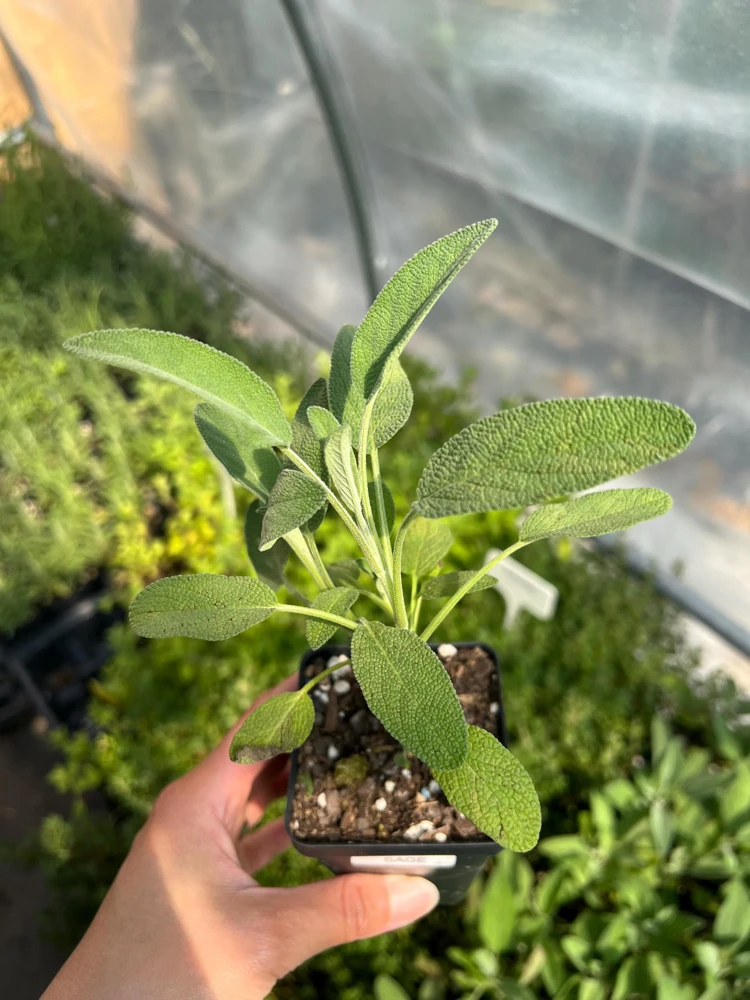
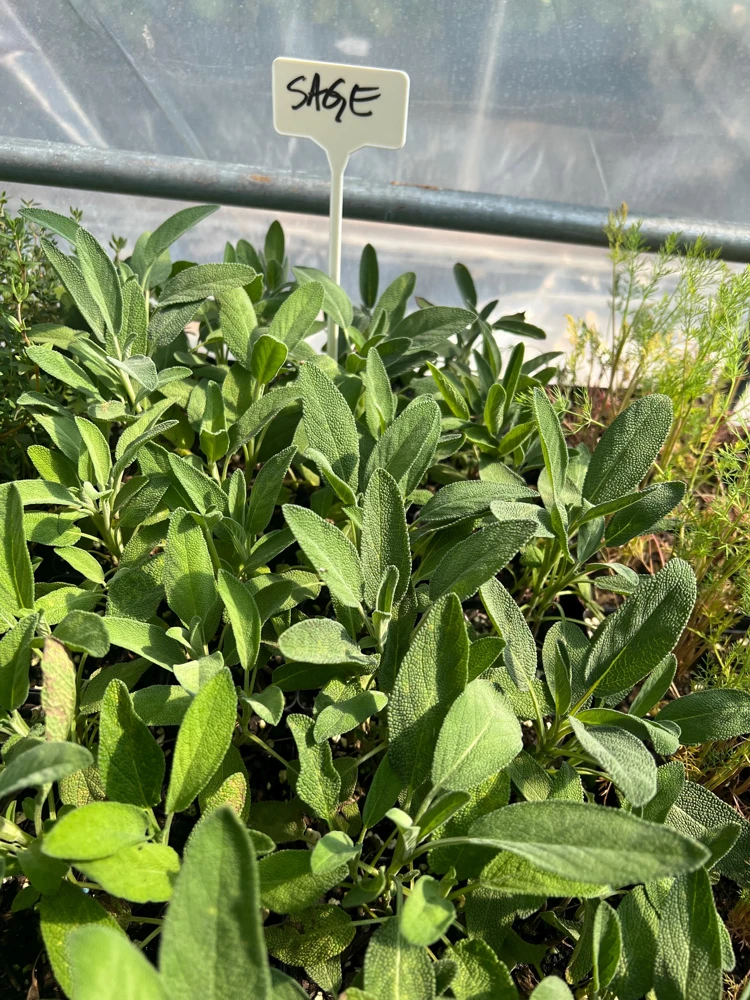
Introduce the delightful common sage live plant (Salvia officinalis) to your garden or kitchen. Known for its robust flavor and attractive foliage, this shrub-like herb is a true garden workhorse. Salvia officinalis, as it’s scientifically known, is a hardy perennial, meaning it will return year after year, offering continuous beauty and utility. Its distinctive grayish-green leaves make it an appealing addition to perennial borders, blending seamlessly with ornamental plants while also serving a practical purpose in a vegetable garden. Beyond its visual appeal, sage is celebrated for its culinary versatility and historical medicinal applications, making it a valuable addition to any home.
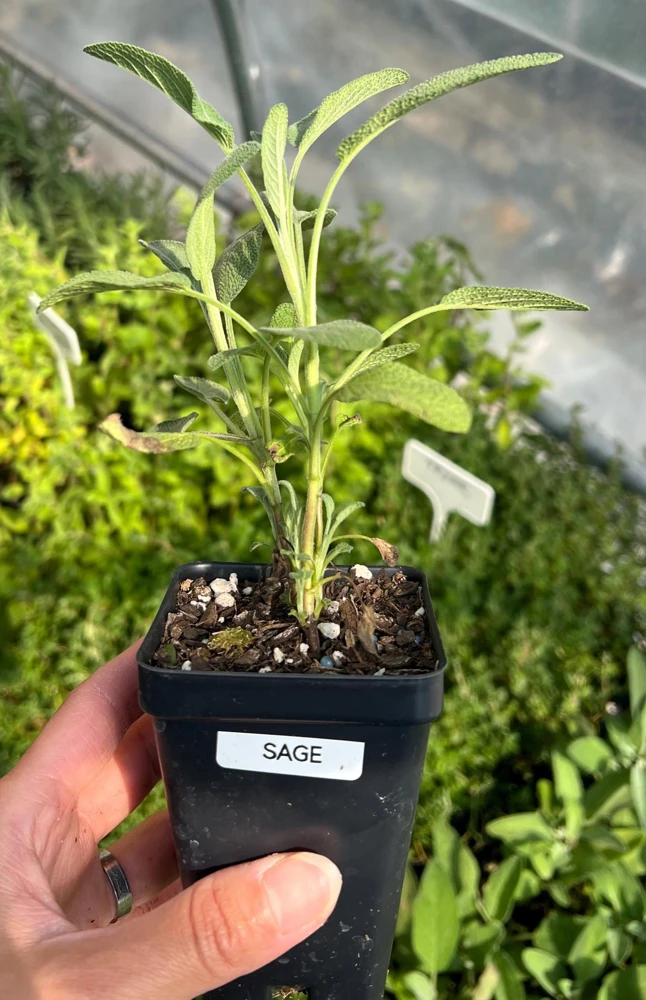
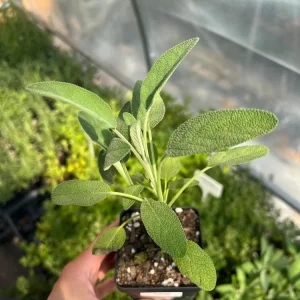
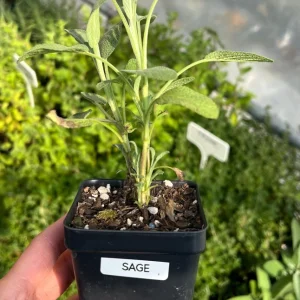
Our common sage live plant arrives ready to thrive, carefully nurtured in a 2.5 inch pot. This established plant provides a head start for gardeners eager to enjoy fresh sage. Whether you’re an experienced horticulturist or a beginner, this resilient herb is relatively easy to care for and offers a rewarding growing experience. It’s an excellent choice for those looking to cultivate their own herbs for cooking, exploring natural remedies, or simply enhancing their garden’s aesthetic.
Key Benefits
The common sage live plant offers a multitude of benefits, from enhancing your culinary creations to contributing to a vibrant garden ecosystem. Its enduring nature and practical uses make it a must-have for any plant enthusiast.
- Culinary Versatility: Sage is a staple in many kitchens, renowned for its earthy, slightly peppery flavor. It’s indispensable for seasoning meats, adding depth to dressings, and enriching stuffings, making your home-cooked meals truly exceptional.
- Medicinal Properties: Historically, medicinal sage has been utilized for various health benefits. It is believed to aid in digestion and help alleviate symptoms of colds, making it more than just a culinary herb.
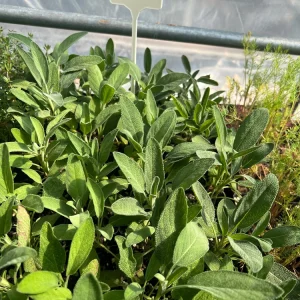
- Attractive Foliage: The striking grayish-green leaves of Salvia officinalis provide year-round visual interest. They look equally at home in a dedicated herb garden or integrated into a decorative perennial border.
- Hardy Perennial: As a hardy perennial, this plant returns each spring, providing consistent greenery and reducing the need for annual replanting. This makes it a sustainable and low-maintenance choice for your garden.
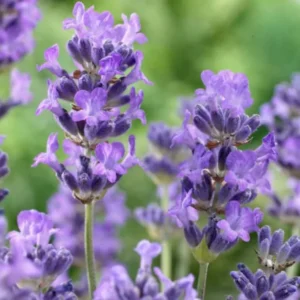
- Pollinator Attraction: In spring, sage produces beautiful spikes of flowers in shades of purple, blue, white, and pink, which are highly attractive to beneficial pollinators like bees and butterflies, supporting local biodiversity.
- Aromatic Qualities: The leaves release a pleasant, distinctive aroma when brushed or crushed, adding a sensory dimension to your garden space.
Plant Care & Growing Tips
Caring for your common sage live plant is straightforward, ensuring you enjoy its beauty and bounty for years to come. This resilient herb thrives with proper attention to its basic needs, particularly sunlight, water, and soil conditions. Understanding these requirements will help your salvia officinalis herb flourish.
Sage prefers a location with full sun, meaning it needs at least 6-8 hours of direct sunlight per day to grow vigorously and produce the best flavor. If grown indoors, place it in a south-facing window or under a grow light. Well-draining soil is crucial for sage, as it dislikes having its roots sit in water. A sandy or loamy soil mix with good drainage is ideal. When watering, allow the top inch or two of soil to dry out completely between waterings to prevent root rot. Overwatering is a common mistake with sage, so err on the side of underwatering rather than overwatering. Once established, sage is relatively drought-tolerant.
This herb is generally hardy in USDA zones 5-9. In colder climates, consider protecting it with mulch during winter or growing it in containers that can be brought indoors. Fertilization is usually not heavily required; a light feeding with a balanced, organic fertilizer in spring is sufficient. Pruning after flowering or in early spring encourages bushier growth and prevents the plant from becoming leggy. Watch out for common pests like aphids, which can be managed with organic insecticidal soap. Proper air circulation also helps prevent fungal issues. With these simple care tips, your sage plant care routine will ensure a healthy and productive plant.
Size & Details
This listing is for one common sage live plant, shipped securely in a 2.5 inch nursery pot. At the time of shipping, the plant will be well-rooted and established, ready for transplanting into your garden or a larger container. Common Sage typically grows to a mature height of 18-30 inches tall and spreads about 18-24 inches wide, forming a compact, bushy shrub. Its growth rate is moderate, and it will quickly establish itself in suitable conditions.
The plant is shipped as an actively growing specimen, ensuring it arrives healthy and vibrant. Once the leaves reach a mature size, they are ready for harvesting, offering a continuous supply of fresh sage throughout the growing season. This perennial herb is an excellent investment for long-term culinary and garden enjoyment, providing both aesthetic appeal and practical value.
Frequently Asked Questions
- Q: How big does this common sage live plant get? A: A mature common sage live plant typically reaches a height of 18-30 inches and can spread 18-24 inches wide. Its shrub-like growth habit makes it a substantial addition to your garden or a large container.
- Q: Is this an indoor or outdoor plant? A: While sage thrives outdoors in full sun, it can also be grown indoors in a bright, sunny window or under grow lights. It’s versatile enough for both environments, provided its light and drainage needs are met.
- Q: How much sunlight does it need? A: This salvia officinalis herb requires full sun, meaning at least 6-8 hours of direct sunlight daily, to ensure healthy growth and robust flavor. Insufficient light can lead to leggy growth and less potent leaves.
- Q: Is this plant easy to care for? A: Yes, sage is generally considered an easy-care herb, making it suitable for beginners. Its main requirements are plenty of sunlight and well-draining soil, with infrequent watering once established.
- Q: What condition will it arrive in? A: Your common sage live plant will be securely packaged in its 2.5 inch pot, labeled as ‘Live Plants / Perishable’, to ensure it arrives healthy and ready for planting. Some minor stress during transit is normal, but plants typically recover quickly.
- Q: Can I use this sage in cooking? A: Absolutely! This is a culinary sage variety, perfect for all your cooking needs. Use its aromatic leaves to flavor meats, dressings, stuffings, and many other dishes.
- Q: When is the best time to plant common sage? A: The best time to plant sage outdoors is in spring after the last frost. If you’re growing it indoors, you can plant it year-round.
- Q: Will it survive winter in my zone? A: Common sage is a hardy perennial typically suitable for USDA zones 5-9. In colder zones, it may require winter protection or can be grown in containers and brought indoors.
- Q: Does this plant have any medicinal uses? A: Yes, medicinal sage has a long history of traditional use. It’s often used to aid digestion and help with cold symptoms, making it a valuable herb for both culinary and wellness purposes.
- Q: What kind of soil is best for sage? A: Sage prefers well-draining soil, ideally a sandy or loamy mix. It’s crucial to avoid heavy, waterlogged soils to prevent root rot.


Reviews
There are no reviews yet.