Overview
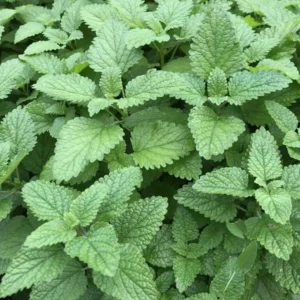
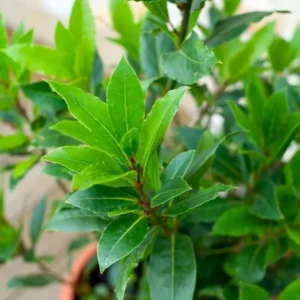
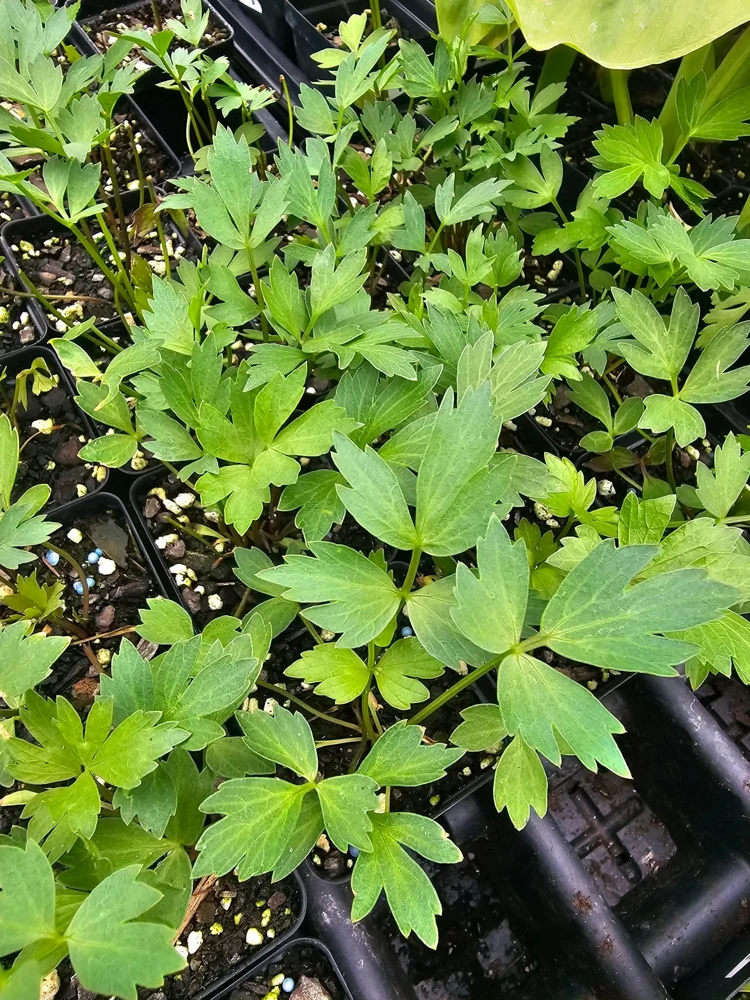
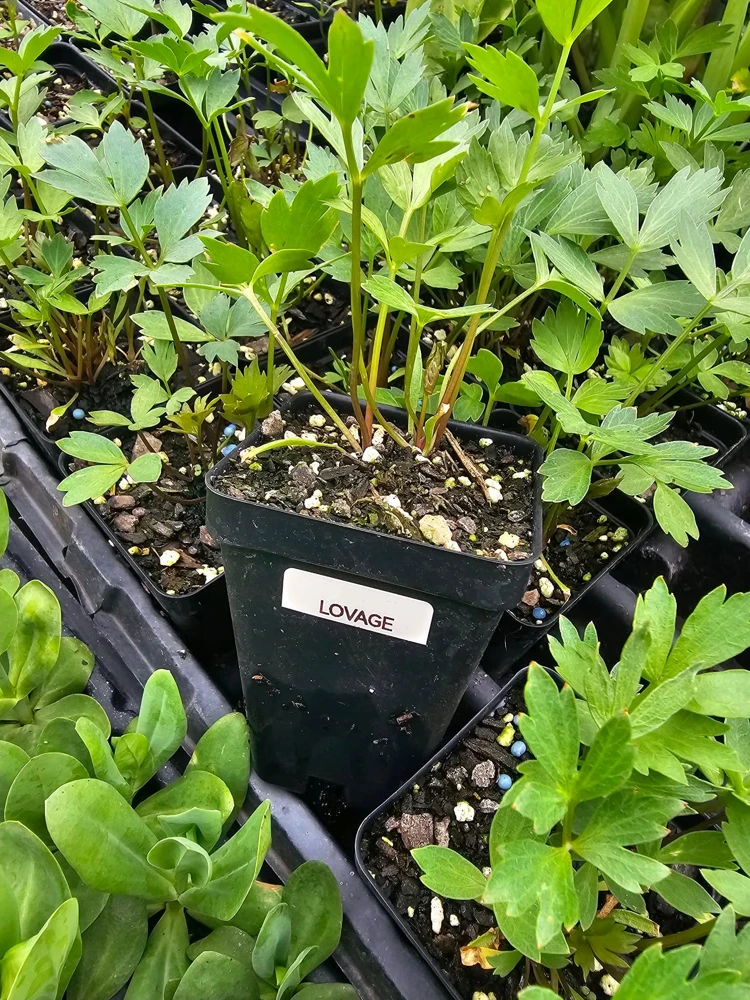
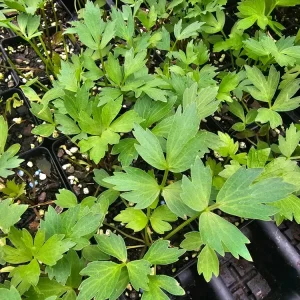
Bring the robust flavor of fresh celery to your garden and kitchen with a lovage live plant (Levisticum officinale). This vigorous, hardy perennial herb, sometimes called the maggi plant or smellage, originates from Southern Europe’s Mediterranean region and is renowned for its culinary versatility and traditional uses. Our lovage live plant is provided in a 2.5 inch pot, ready to be transplanted into your garden or a larger container where it can thrive and grow to an impressive height of 4-6 feet. Its dark green leaves closely resemble those of celery, and in summer, it produces large, flat-topped yellow flower heads, adding ornamental value to your herb garden. The flavor profile of lovage is distinctly celery-like, yet often described as stronger and sweeter, making it an exceptional ingredient for a wide array of dishes.
Whether you’re an experienced gardener or just starting your herb collection, growing lovage is a rewarding experience. This perennial will return year after year, providing a continuous supply of its aromatic leaves, stalks, and seeds. It’s a low-maintenance addition that brings both beauty and utility to your outdoor space. Discover the many ways to enjoy this unique herb, from adding it to salads and soups to infusing its essence into marinades and drinks. The lovage live plant is an excellent choice for anyone looking to expand their culinary horizons with fresh, home-grown ingredients.
Key Benefits
The lovage live plant offers a multitude of benefits, making it a valuable addition to any garden or kitchen. Its robust nature and distinctive flavor profile contribute to both its aesthetic and practical appeal.
- Exceptional Culinary Herb: All parts of the lovage plant – stalks, leaves, and seeds – can be used to impart a bright, fresh, and strong celery-like flavor to your cooking. It’s a versatile ingredient for soups, salads, stews, and sauces.
- Vigorous Growth & Hardiness: As a hardy perennial, this plant grows vigorously, reaching 4-6 feet tall, and will return year after year, providing a continuous harvest with minimal effort.
- Aromatic Foliage & Flowers: The dark green, celery-like leaves and attractive yellow flower heads add a beautiful, lush texture and aromatic presence to your garden landscape.
- Traditional Medicinal Uses: Historically, lovage herb uses have included digestive aid, relieving flatulence, strengthening the heart, and acting as a respiratory and diuretic aid. (Note: Consult a physician before using for medicinal purposes).
- Easy to Grow: This lovage live plant is relatively low-maintenance once established, making it suitable for gardeners of all experience levels. It thrives with basic care and provides a bountiful harvest.
- Supports Pollinators: The yellow flower heads produced in summer can attract beneficial pollinators to your garden, contributing to overall garden health and biodiversity.
Plant Care & Growing Tips
Caring for your lovage live plant is straightforward, ensuring a healthy and productive herb for years to come. Lovage thrives in conditions that mimic its native Mediterranean habitat, but is adaptable to various temperate climates.
For optimal growth, plant your lovage in a location that receives full sun to partial shade. Aim for at least 6 hours of direct sunlight daily for the most robust growth and flavor development. While it tolerates some shade, especially in hotter climates, too much shade can lead to leggy growth and reduced flavor intensity. The soil should be consistently moist but well-draining, rich in organic matter. A good quality, loamy soil with a pH between 6.0 and 7.0 is ideal. Ensure excellent drainage to prevent root rot, as lovage does not like to sit in waterlogged conditions.
Water your lovage live plant regularly, especially during dry spells, to keep the soil consistently moist. During hot summer months, you may need to water daily. Fertilize sparingly; a balanced organic fertilizer applied in spring can encourage lush growth. Lovage is generally hardy in USDA zones 4-8, making it suitable for most climates across the US. In colder zones, the foliage will die back in winter and re-emerge in spring. Pests and diseases are not typically a major issue for lovage, though occasional aphid infestations can occur and can be managed with organic insecticidal soap. Deadheading spent flower stalks can encourage more leafy growth, and dividing mature plants every few years can help maintain vigor and provide new plants.
Size & Details
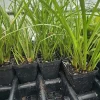
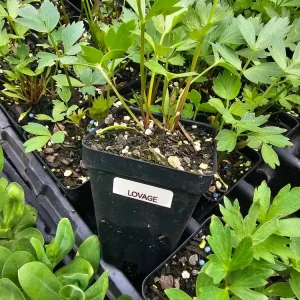
This offering is for one lovage live plant, shipped in a 2.5 inch nursery pot. The plant is well-rooted and ready for transplanting upon arrival. Lovage (Levisticum officinale) is known for its vigorous growth habit, typically reaching a mature height of 4-6 feet and a spread of 2-3 feet in the garden. Its growth rate is moderate to fast, allowing you to enjoy a significant harvest within the first growing season. The plant will develop strong, hollow stems and attractive, celery-like foliage. When mature, it produces large, flat-topped clusters of small yellow flowers, followed by seeds that are also culinary. This perennial herb will establish itself quickly and return each year, providing a continuous supply of fresh leaves and stalks from spring through fall.
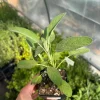
When you receive your lovage live plant, it will be a young, healthy specimen, carefully packaged to ensure its safe journey. It is recommended to transplant it into a larger pot (at least 1-gallon) or directly into your garden bed as soon as possible to allow for root expansion and robust growth. With proper care, your plant will establish quickly and begin to flourish, offering both ornamental beauty and a wealth of culinary possibilities. The distinct flavor of this levisticum officinale will become a staple in your kitchen.
Frequently Asked Questions
- Q: How big does this lovage live plant get? A: A: When mature and planted in the ground, a lovage live plant can reach an impressive height of 4-6 feet tall and spread 2-3 feet wide, forming a substantial clump. In containers, its size may be slightly more constrained.
- Q: What size pot does it come in? A: This lovage live plant is shipped in a 2.5 inch nursery pot, providing a healthy start for your gardening endeavors. It will need to be transplanted into a larger pot or your garden.
- Q: Is this an indoor or outdoor plant? A: Lovage is primarily an outdoor plant, thriving in garden beds. While it can be grown in large containers outdoors, it generally prefers direct garden planting due to its mature size. It is hardy enough for most outdoor environments.
- Q: How much sunlight does it need? A: For best results, your lovage live plant prefers full sun to partial shade, meaning at least 6 hours of direct sunlight per day. In very hot climates, some afternoon shade can be beneficial.
- Q: Is this plant easy to care for? A: Yes, lovage is considered an easy-to-care-for herb. Once established, it requires consistent moisture and minimal fertilization, making growing lovage suitable for gardeners of all levels.
- Q: What condition will it arrive in? A: Your lovage live plant will arrive as a healthy, well-rooted specimen, securely packaged to minimize stress during transit. Some minor leaf drop or wilting may occur but the plant should recover quickly with proper care.
- Q: Can I use lovage herb uses in cooking? A: Absolutely! Lovage is highly valued for its strong celery-like flavor. Its leaves, stalks, and seeds can be used in soups, salads, stews, sauces, and even beverages like Bloody Marys.
- Q: How long until it blooms? A: Lovage typically produces its yellow flower heads in the summer months, usually in its second year of growth or when mature enough. The flowers are followed by seeds.
- Q: What’s the best time to plant this maggi plant? A: Spring is the ideal time to plant your lovage into its permanent location, allowing it ample time to establish before the heat of summer or the cold of winter.
- Q: Will it survive winter in my zone? A: Lovage is a hardy perennial, generally surviving winters in USDA Zones 4-8. In colder zones, the foliage will die back, but the roots will remain dormant and re-sprout in spring.


Reviews
There are no reviews yet.