Overview
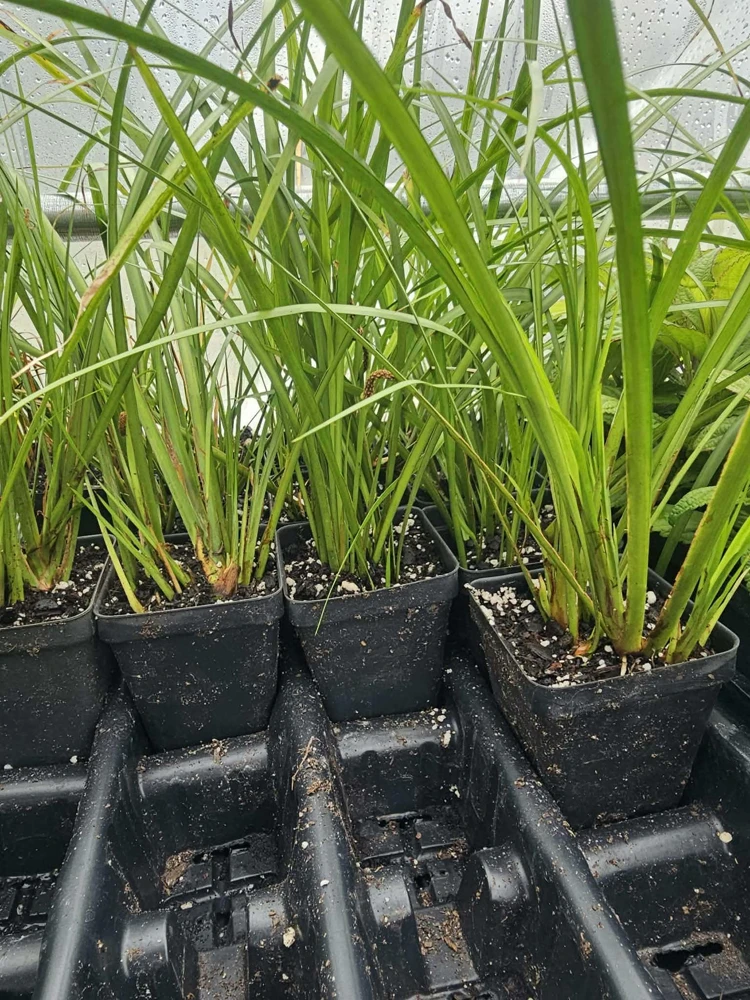
Introduce a piece of cultural heritage into your garden with the Pawj Qaib Acorus Gramineus live plant. This unique and highly valued Hmong tshuaj herb, also known as Acorus Gramineus, is offered as a healthy starter plant in a 2.5-inch pot. For generations, this plant has been an integral part of traditional Hmong herbal practices, often prepared in boiled chicken soup. It is traditionally consumed during periods of illness, physical weakness, or as part of a post-partum recovery diet. The Pawj Qaib Acorus Gramineus live plant is not just a botanical specimen; it represents a deep-rooted tradition of natural wellness and balance.
The Acorus Gramineus, commonly referred to as Pawj Qaib in Hmong culture, is a resilient and appealing plant that thrives in various settings. Its slender, grass-like leaves add a delicate texture to any herb collection or garden space. This traditional Hmong herb is perfect for enthusiasts looking to explore ethnobotanical plants or cultivate herbs with historical significance. Cultivating this plant allows you to connect with ancient practices and enjoy the potential benefits it has offered for centuries.
Key Benefits
The Pawj Qaib Acorus Gramineus live plant offers several compelling benefits, making it a valuable addition to your home or garden:
- Cultural Significance: This plant is a vital component of Hmong traditional medicine, deeply revered for its historical use in promoting wellness and restoring balance, particularly during times of recovery or fatigue.
- Traditional Wellness Support: Historically, the Hmong tshuaj plant has been utilized to address various health concerns and is often associated with supportive properties for overall well-being.
- Unique Culinary Ingredient: Commonly prepared in boiled chicken soup, it offers a distinctive flavor and is cherished for its traditional role in nourishing meals, especially during recuperation.
- Aesthetic Appeal: With its graceful, grass-like foliage, the Acorus Gramineus adds a subtle elegance and texture to herb gardens, container arrangements, or even as a groundcover in suitable climates.
- Easy to Grow: As a starter plant, it provides an accessible entry point for gardeners of all levels to cultivate a significant medicinal herb plant with relatively straightforward care requirements.
- Ethnobotanical Interest: For those interested in the study of plants and their traditional uses, this plant offers a direct connection to ancient herbal knowledge and practices.
Plant Care & Growing Tips
Caring for your Pawj Qaib Acorus Gramineus live plant is relatively straightforward, making it suitable for both novice and experienced gardeners. This plant thrives in conditions that mimic its natural habitat. It prefers a location with partial shade to full sun, ideally receiving about 4-6 hours of sunlight daily. While it can tolerate full sun in cooler climates, some afternoon shade is beneficial in hotter regions to prevent leaf scorching. Ensure consistent moisture for optimal growth, as Acorus Gramineus naturally prefers moist to wet soil conditions. It can even be grown in boggy areas or at the edges of ponds, making it quite versatile.
The ideal soil for your Acorus Gramineus care should be rich, well-draining, and consistently moist. A good quality potting mix amended with organic matter will provide the necessary nutrients and moisture retention. Water regularly, especially during dry spells, to keep the soil from drying out completely. However, avoid waterlogging, which can lead to root rot. Fertilize sparingly; a balanced liquid fertilizer diluted to half strength applied once a month during the growing season (spring and summer) is usually sufficient. This medicinal herb plant is quite hardy, generally tolerating temperatures down to USDA Zone 6, but protection from harsh winter winds is advisable in colder zones.
Common problems are few for the resilient Pawj Qaib Acorus Gramineus live plant. Overwatering in poorly draining soil can lead to root issues, so ensuring good drainage is key. Pests are rarely a significant problem, but occasional checks for common garden pests like aphids or spider mites are always a good practice. If you notice any yellowing leaves, it could indicate too much sun, insufficient water, or a nutrient deficiency. Adjust its location or watering schedule accordingly. Regular pruning is not typically required, but you can trim back any old or damaged foliage to maintain its neat appearance and promote new growth. Proper Acorus Gramineus care ensures a healthy and vibrant plant.
Size & Details
This offering is for one Pawj Qaib Acorus Gramineus live plant, provided as a robust starter plant. It comes securely planted in a 2.5-inch nursery pot, providing a healthy root system ready for transplanting into a larger container or directly into your garden. At the time of shipping, the plant typically stands between 4 to 8 inches tall, depending on its growth stage. Acorus Gramineus is a slow to moderate grower, eventually forming dense clumps that can reach mature heights of 10 to 18 inches with a similar spread when established in ideal conditions.
The plant will arrive carefully packaged to minimize stress during transit, ensuring it reaches you in the best possible condition. Its graceful, grass-like leaves create an attractive texture, whether grown as a focal point or integrated into a larger herbal collection. Expect this traditional Hmong herb to establish quickly with proper care, providing a steady supply for your traditional practices or simply as a visually appealing and culturally significant plant.
Frequently Asked Questions
- Q: How big does this plant get? A: The Pawj Qaib Acorus Gramineus live plant typically grows to a mature height of 10 to 18 inches and can spread similarly, forming attractive clumps over time. This starter plant will arrive smaller, ready to grow.
- Q: Is this an indoor or outdoor plant? A: Acorus Gramineus can be grown both indoors in a well-lit spot or outdoors in a garden, especially in USDA Zones 6 and above. It thrives in moist conditions, making it versatile for various settings.
- Q: How much sunlight does it need? A: This plant prefers partial shade to full sun, ideally receiving 4-6 hours of sunlight daily. In hotter climates, some afternoon shade is beneficial to protect the foliage.
- Q: Is this plant easy to care for? A: Yes, the Acorus Gramineus care is considered relatively easy. It requires consistent moisture and can adapt to various light conditions, making it suitable for gardeners of all experience levels.
- Q: What condition will it arrive in? A: Your Pawj Qaib Acorus Gramineus live plant will arrive as a healthy starter plant in a 2.5-inch pot, securely packaged to ensure minimal stress during transit. Some minor leaf adjustments may occur but it recovers quickly.
- Q: Can I use this traditional Hmong herb in cooking? A: Yes, this plant is traditionally prepared in boiled chicken soup as a Hmong tshuaj herb. It’s valued for its role in traditional diets, especially for wellness support.
- Q: What’s the minimum temperature this plant can tolerate? A: The medicinal herb plant is generally hardy down to USDA Zone 6, meaning it can tolerate temperatures around -10°F to 0°F (-23°C to -18°C) if well-established and protected.
- Q: What kind of soil is best for this plant? A: It prefers rich, consistently moist, and well-draining soil. A good quality potting mix with added organic matter is ideal for container growing.
- Q: How often should I water my Pawj Qaib Acorus Gramineus? A: Keep the soil consistently moist, but avoid waterlogging. Water regularly, especially during dry periods, to ensure the soil doesn’t dry out completely.
- Q: When is the best time to plant this herb? A: If planting outdoors, spring or early fall are ideal times. For indoor cultivation, it can be planted year-round.


Reviews
There are no reviews yet.