


Overview
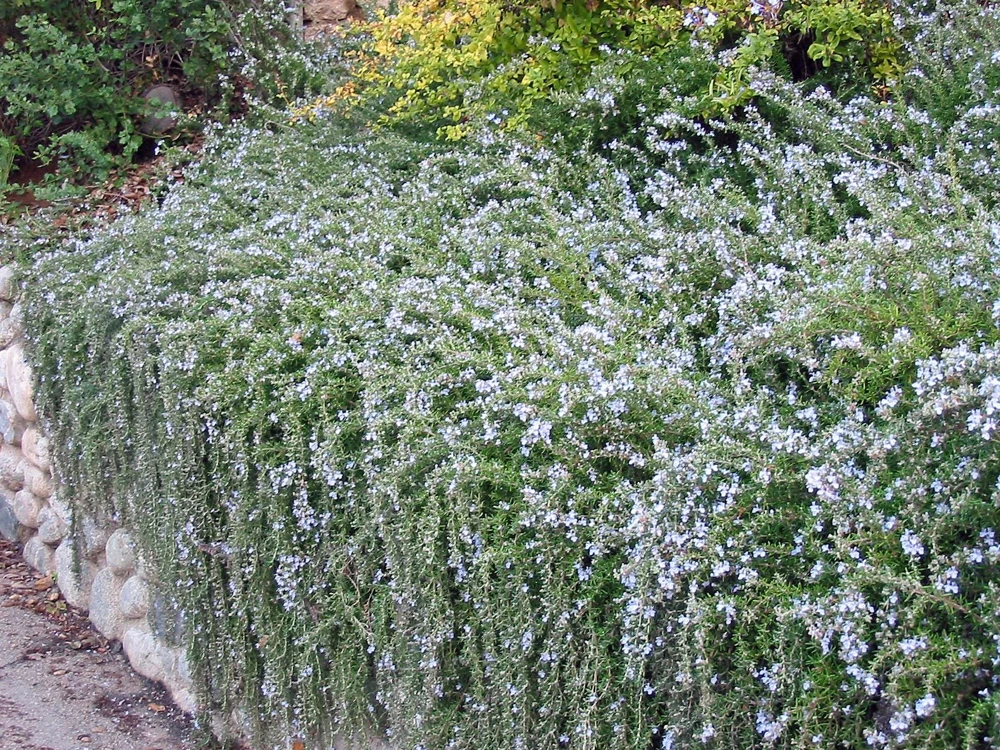
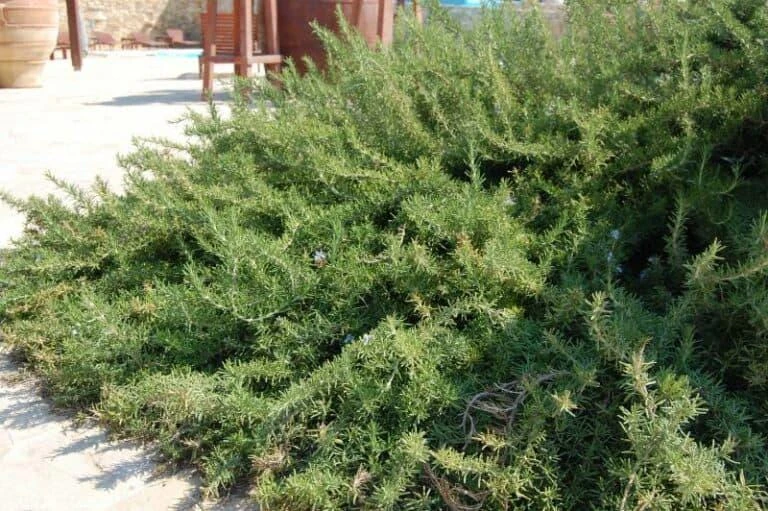
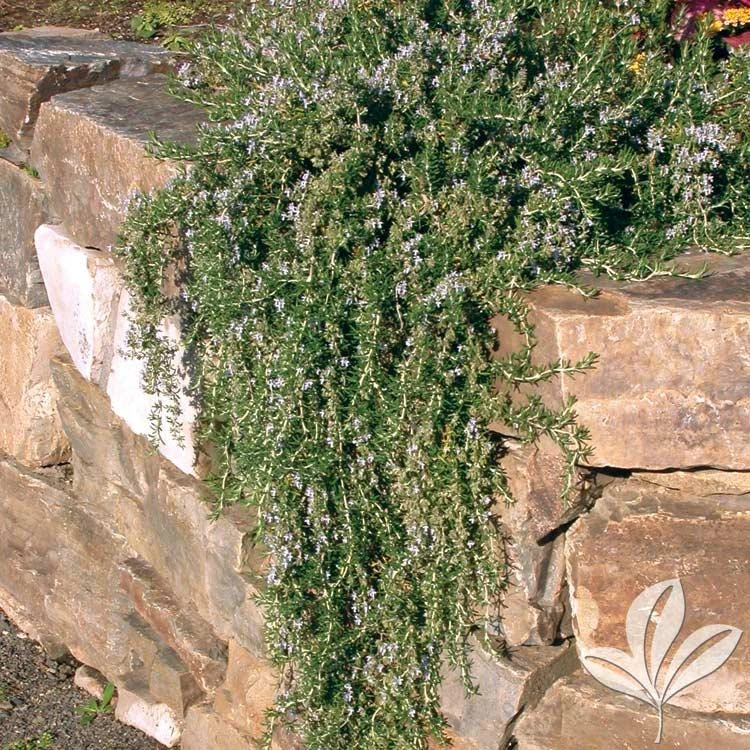
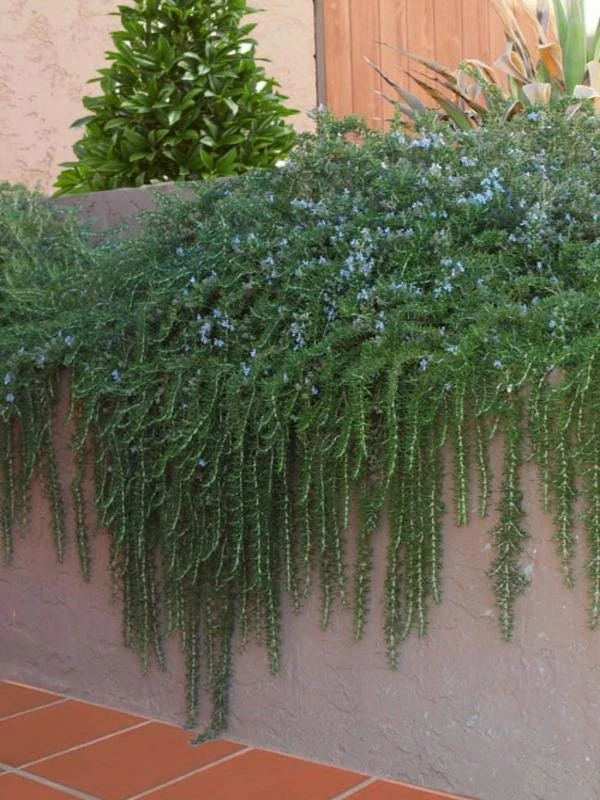
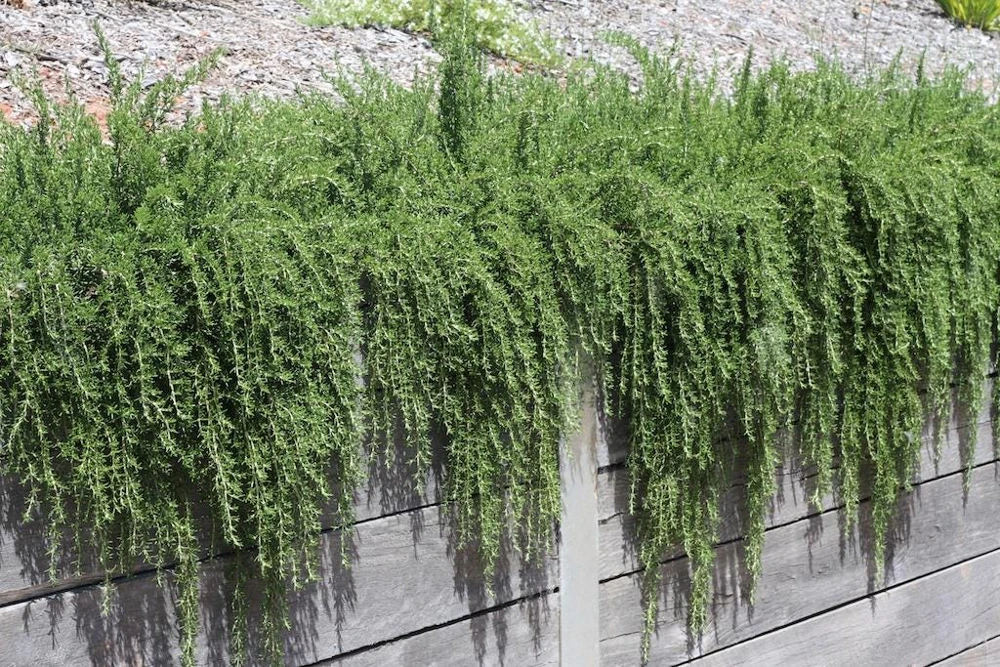
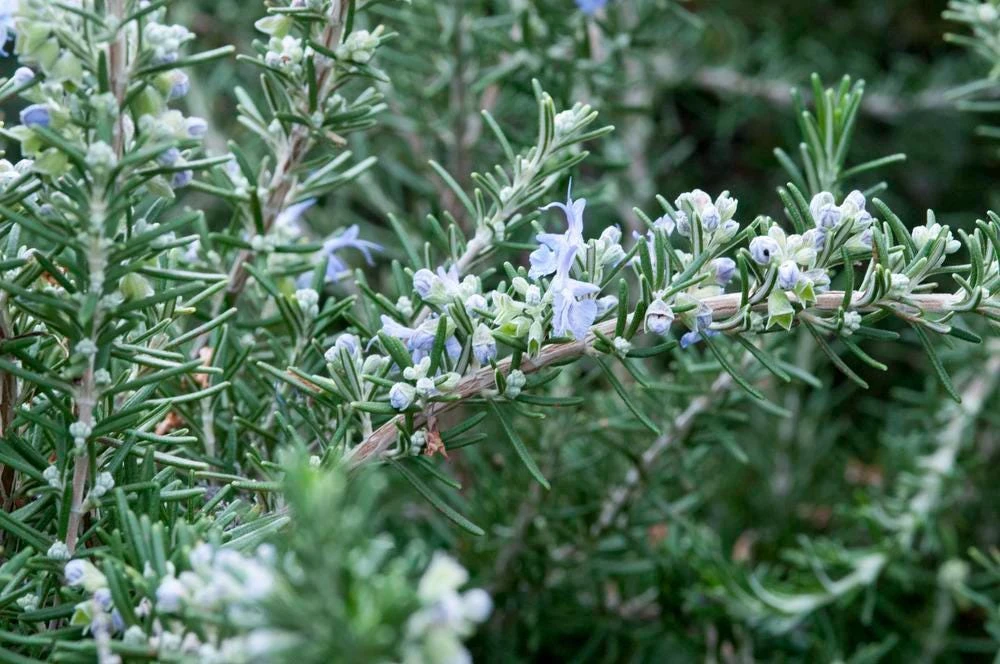
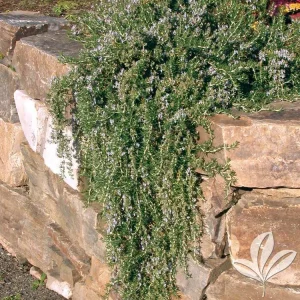
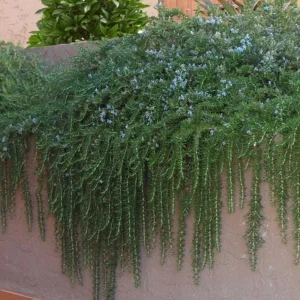
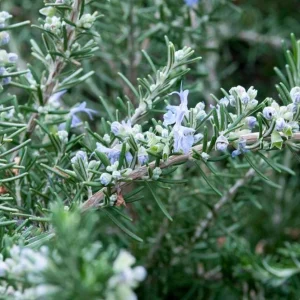
Introduce the delightful and versatile organic creeping rosemary live plant, specifically the ‘Prostratus’ variety, into your garden or herb collection. This low-growing rosemary, known botanically as Rosmarinus officinalis ‘Prostratus’, is cherished for its highly aromatic, evergreen foliage and charming, unusual flowers that attract beneficial pollinators like bees and butterflies. More than just a beautiful specimen, rosemary is a foundational herb in both culinary and medicinal traditions, offering an invigorating flavor that enhances a wide array of dishes. Our organic creeping rosemary live plant is carefully grown to ensure a healthy start in your home, arriving as a well-rooted starter plant ready for transplanting. Its cascading habit makes it ideal for spilling over walls, container edges, or as a fragrant groundcover.
The ‘Prostratus’ cultivar stands out due to its useful, low-growing nature, which not only provides an attractive aesthetic but also makes it less susceptible to wind damage compared to taller varieties. This resilience, combined with its resistance to deer and other critters, makes it a practical and beautiful addition to almost any garden. Whether you’re an experienced gardener or just starting your herb journey, this organic creeping rosemary live plant offers an engaging and rewarding experience, bringing both beauty and utility to your outdoor or indoor spaces.
Key Benefits
Adding an organic creeping rosemary live plant to your home or garden provides a multitude of advantages beyond its aesthetic appeal:
- Exceptional Culinary Herb: The fragrant leaves of this culinary rosemary plant are perfect for seasoning meats, vegetables, bread, and more, infusing your dishes with its distinctive, invigorating flavor.
- Attractive Landscape Addition: Its low-growing, spreading habit makes it an excellent choice for ground cover, rock gardens, or as a trailing plant in containers and hanging baskets, adding year-round evergreen interest.
- Pollinator Magnet: The beautiful, often blue to purple flowers are a favorite of bees and butterflies, contributing to the health and biodiversity of your garden ecosystem.
- Deer and Critter Resistant: Enjoy your garden without worry, as this plant is naturally unappealing to deer and other common garden pests.
- Drought Tolerant: Once established, Rosmarinus officinalis Prostratus is remarkably drought-tolerant, making it a low-maintenance option for arid climates or busy gardeners.
- Medicinal Properties: Beyond its culinary uses, rosemary has a long history in traditional medicine, valued for its antioxidant and anti-inflammatory properties.
- Adaptable Growth: Thrives in various settings, from garden beds to pots, and can be grown outdoors in appropriate zones or as an indoor herb plant in cooler climates.
Plant Care & Growing Tips
Caring for your organic creeping rosemary live plant is straightforward, ensuring a thriving and fragrant addition to your garden. This hardy herb prefers a location with ample sunlight, ideally receiving at least 6 hours of direct sun daily. In hotter climates, some afternoon shade can be beneficial, but generally, full sun promotes the best growth and strongest aroma. When it comes to watering, rosemary prefers well-drained soil and is quite drought-tolerant once established. Allow the soil to dry out completely between waterings to prevent root rot, which is a common issue for many herbs. Overwatering is more detrimental than underwatering for this plant.
For optimal growth, plant your Rosmarinus officinalis Prostratus in well-draining soil. A sandy or gravelly loam with a slightly acidic to neutral pH (6.0-7.0) is ideal. If planting in a container, use a high-quality potting mix amended with perlite or sand to improve drainage. This plant is hardy in USDA zones (7)8-10, meaning it can withstand winter temperatures down to around 10-20°F. In colder zones, it can be grown as an annual or brought indoors during winter. Fertilization is generally not heavily required; a light feeding with a balanced, slow-release fertilizer in spring is usually sufficient. Pruning can be done after flowering to maintain shape and encourage bushier growth. Watch out for common pests like aphids or whiteflies, though rosemary is generally quite pest-resistant, especially being a deer resistant rosemary variety.
Size & Details
Each purchase includes one healthy, well-rooted organic creeping rosemary live plant, shipped in a 2.5”x3.5” pot. At this starter size, the plant is ready for transplanting into a larger container or directly into your garden bed. This ‘Prostratus’ variety typically grows as a low-spreading plant, reaching a height of 6-12 inches and spreading up to 2-3 feet wide, creating a beautiful cascade or groundcover. Its growth rate is moderate, allowing you to enjoy its aromatic foliage and attractive flowers within the first growing season. Expect your plant to establish quickly with proper care, developing into a robust and fragrant specimen. The evergreen nature ensures year-round interest, while its unique growth habit makes it a versatile choice for various landscape designs. When considering the ideal placement for your creeping rosemary care, remember its mature size to provide adequate space for spreading.
Frequently Asked Questions
- Q: How big does this organic creeping rosemary live plant get? A: The ‘Prostratus’ variety typically grows to a height of 6-12 inches and can spread up to 2-3 feet wide, forming a beautiful low-growing mound or trailing habit. Its mature size makes it perfect for groundcover or cascading from containers.
- Q: Is this an indoor or outdoor plant? A: While primarily an outdoor plant hardy in USDA zones (7)8-10, this Rosmarinus officinalis Prostratus can be grown indoors in a sunny window during colder months or year-round with adequate light. It thrives best outdoors in full sun.
- Q: How much sunlight does creeping rosemary care require? A: This plant needs at least 6 hours of direct sunlight per day to thrive. Full sun encourages dense growth and strong aromatic oils. In very hot climates, some afternoon shade can be beneficial.
- Q: Is this plant easy to care for? A: Yes, rosemary is generally considered an easy-care plant, especially once established. Its drought tolerance and natural pest resistance contribute to its low-maintenance nature, making it suitable for beginners.
- Q: What condition will the culinary rosemary plant arrive in? A: Your plant will arrive as one healthy, well-rooted starter plant in a 2.5”x3.5” pot, carefully packaged to ensure its safe journey and ready for transplanting.
- Q: When is the best time to plant this rosemary? A: The best time to plant is in spring or early summer after the last frost, allowing the plant ample time to establish before colder weather. If growing indoors, it can be planted any time of year.
- Q: Is this deer resistant rosemary safe for pets? A: While rosemary is a common culinary herb for humans, it can cause mild stomach upset in pets if ingested in large quantities. It’s generally considered non-toxic but best kept out of reach of curious pets.
- Q: What type of soil does it need? A: This plant thrives in well-draining soil, preferably a sandy or gravelly loam. Good drainage is crucial to prevent root rot, so avoid heavy clay soils.
- Q: Can I use this rosemary for cooking? A: Absolutely! This organic creeping rosemary live plant is perfect for culinary use. Its aromatic leaves will add a wonderful flavor to your favorite dishes.
- Q: How often should I water my Rosmarinus officinalis Prostratus? A: Water thoroughly when the top inch or two of soil feels dry to the touch. Then, allow the soil to dry out completely before watering again. It’s more tolerant of dry conditions than overly wet ones.


Reviews
There are no reviews yet.