Overview
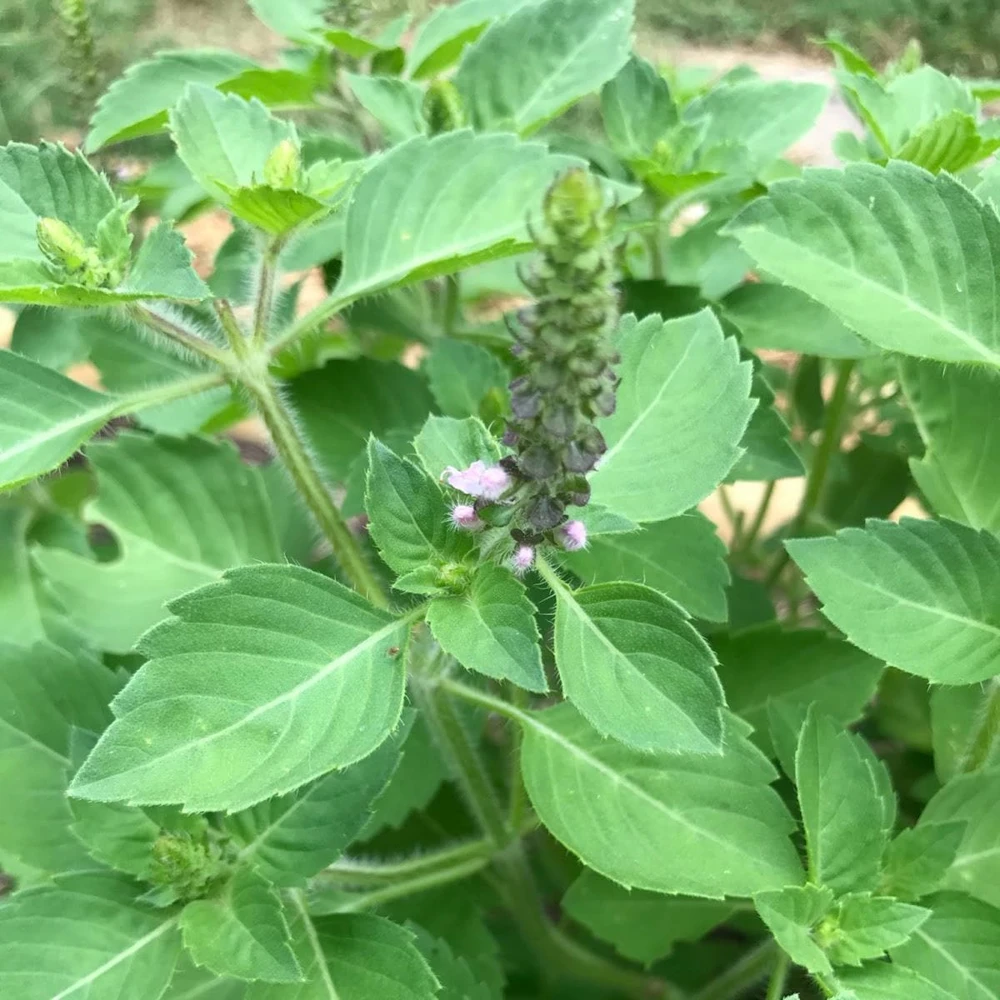
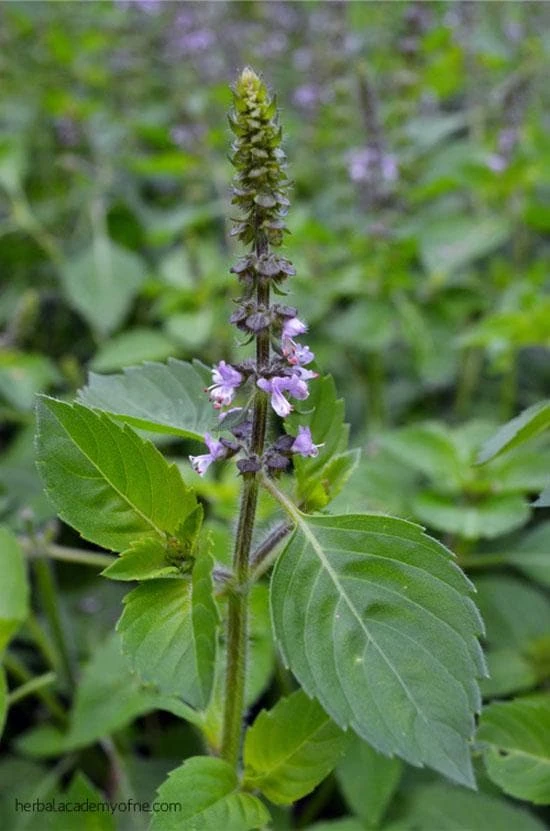
Introduce the revered holy basil live plant, scientifically known as Ocimum tenuiflorum, to your garden. Also commonly referred to as Tulsi basil, this remarkable herb holds deep cultural and religious significance, particularly in South and Southeast Asia. Beyond its spiritual importance, it is a beloved ingredient in various cuisines, most notably Thai food, and has been cherished for thousands of years in Ayurvedic medicine for its extensive health-promoting properties. Our organic holy basil starter plants provide an excellent opportunity to cultivate this fragrant, flavorful, and medicinal herb right in your own home or garden. Whether you’re an experienced gardener or just starting, growing your own organic holy basil offers a rewarding experience, allowing you to harvest fresh leaves for teas, cooking, or traditional remedies. This versatile plant thrives in various settings, making it a wonderful addition to any herb collection.
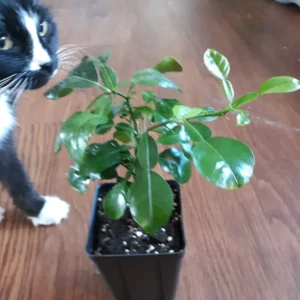
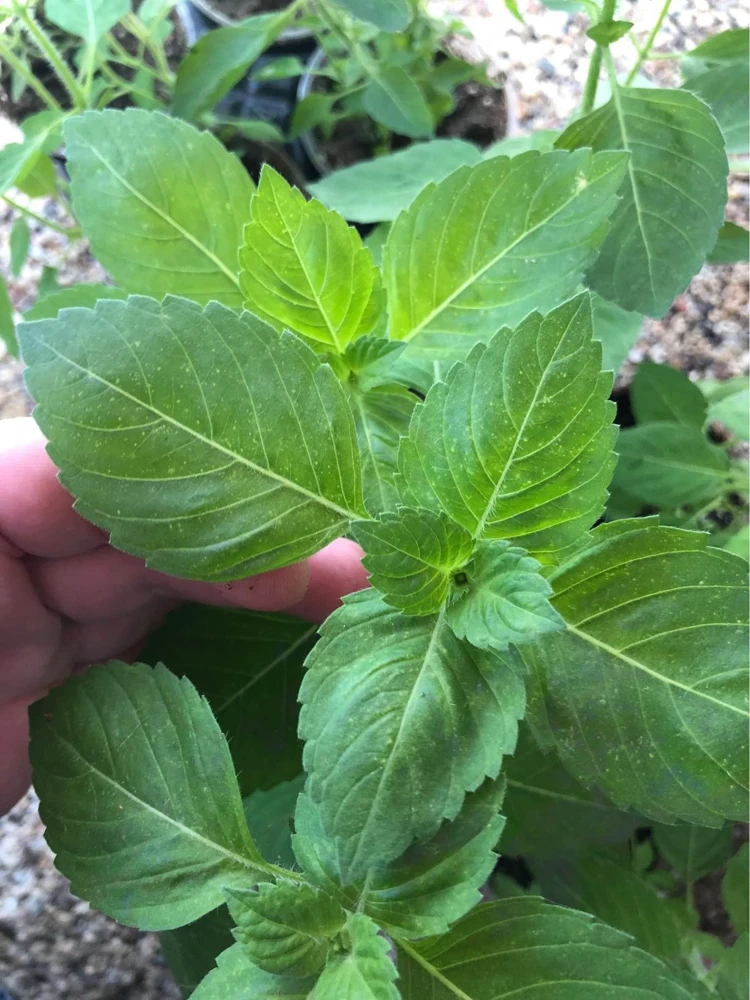
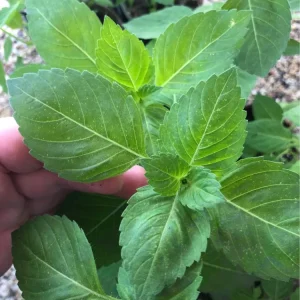
This offering is for a healthy, well-rooted starter plant, typically measuring between 5-10 inches tall and provided in a 2.5×3.5 inch pot, ready for transplanting. Holy basil is closely related to the sweet basil varieties often found in kitchens worldwide, but it stands apart with its unique aroma and flavor profile. It is a short-lived, woody, herbal perennial that flourishes best in tropical and subtropical climates, but can be successfully grown in containers in colder regions, allowing you to bring it indoors during winter months. Embrace the tradition and benefits of this sacred plant by adding a tulsi basil plant to your living space.
Key Benefits
Growing a holy basil live plant in your garden or home offers a multitude of advantages, from its aromatic presence to its renowned health benefits. This herb is not just a culinary delight but also a source of traditional wellness. Discover the many reasons to welcome this special plant into your life:
- Culinary Versatility: The distinctive peppery, clove-like flavor of holy basil makes it a prized ingredient in many dishes, especially in Thai cuisine. Enjoy fresh leaves in stir-fries, curries, or as a flavorful garnish, adding an authentic touch to your home-cooked meals.
- Medicinal Properties: Revered in Ayurvedic medicine for millennia, holy basil is known for its adaptogenic qualities, helping the body cope with stress. It is often used to support overall well-being, promote relaxation, and boost immunity, making it a valuable addition to your herbal repertoire.
- Aromatic Fragrance: The plant emits a captivating and uplifting aroma that can naturally freshen your living space. Its fragrant leaves are often used in herbal teas and potpourri, creating a calming and pleasant atmosphere around your organic holy basil plant.
- Spiritual and Cultural Significance: In Hinduism, Tulsi is considered a sacred plant, often grown in courtyards and temples for its purifying properties. Cultivating a tulsi basil plant can connect you to these ancient traditions and bring a sense of tranquility to your environment.
- Easy to Grow: Despite its exotic origins, holy basil is relatively straightforward to cultivate, especially as a starter plant. It adapts well to container growing, making it suitable for patios, balconies, or sunny windowsills, even in regions with cooler climates.
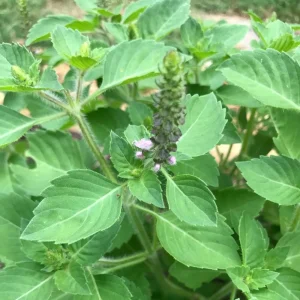
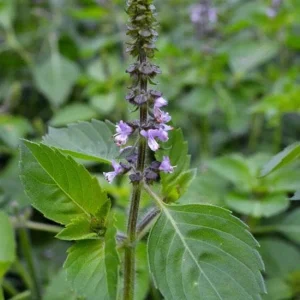
- Attracts Pollinators: When allowed to flower, holy basil produces small, attractive blooms that can attract beneficial pollinators like bees and butterflies to your garden, contributing to a healthier ecosystem.
- Natural Pest Repellent: The strong aroma of holy basil can also act as a natural deterrent for certain garden pests, offering a natural and organic way to protect nearby plants. This contributes to the overall health and vitality of your garden.
Plant Care & Growing Tips
Caring for your holy basil live plant is a rewarding experience, and with the right conditions, it will thrive and provide you with fresh leaves for months. As a plant native to warm climates, it prefers conditions that mimic its natural habitat. Provide at least 6 hours of direct sunlight per day; full sun is ideal for robust growth and potent flavor development. If growing indoors, place your organic holy basil plant in a south-facing window or under grow lights to ensure it receives adequate light. Rotate the plant regularly to encourage even growth.
Watering is crucial for holy basil. The soil should be kept consistently moist but never waterlogged. Check the top inch of soil; if it feels dry, it’s time to water thoroughly until water drains from the bottom of the pot. Ensure your pot has good drainage holes to prevent root rot. Holy basil prefers a rich, well-draining potting mix. A standard organic potting soil amended with compost or perlite works well to provide both nutrients and good drainage. This plant is a heavy feeder, so fertilize every 2-4 weeks during the growing season (spring and summer) with a balanced organic liquid fertilizer. Reduce fertilization during cooler months.
Holy basil thrives in warm temperatures, ideally between 65-85°F (18-29°C). It is not frost-tolerant, so if you live in a region with cold winters, it’s best to grow your tulsi basil plant in a container that can be brought indoors when temperatures drop below 50°F (10°C). Pinch back the top sets of leaves regularly to encourage bushier growth and prevent the plant from flowering too early, which can diminish leaf production. If you notice yellowing leaves, it could be a sign of overwatering or nutrient deficiency. Keep an eye out for common pests like aphids or spider mites, and treat with organic insecticidal soap if necessary. Understanding how to grow holy basil successfully means providing consistent care and attention to its environmental needs.
Size & Details
This offering includes one healthy, well-rooted holy basil live plant, ready to be transplanted into a larger pot or your garden. Each starter plant typically measures between 5 to 10 inches in height from the top of the soil, ensuring a robust beginning for your cultivation efforts. The plant is shipped securely in a 2.5×3.5 inch nursery pot, providing a stable environment for its initial journey. Holy basil is known for its relatively fast growth rate under optimal conditions, quickly developing into a bushy herb within a few weeks of transplanting. While it can reach up to 2-3 feet tall and wide in ideal outdoor conditions, its size can be managed through regular pruning, making it suitable for various garden spaces or indoor settings. Expect your organic holy basil to start producing harvestable leaves within a few weeks of receiving it, providing you with a continuous supply of this beneficial herb.
This plant is a perennial in USDA Zones 10-11 but is often grown as an annual in colder climates or overwintered indoors. It will generally begin to flower in late summer to early fall if not regularly pinched back. The plant will arrive carefully packaged to minimize stress during transit, ensuring it reaches you in good health. Upon arrival, gently unbox your new tulsi basil plant and give it a good watering before placing it in its new home. With proper care, your holy basil will flourish, offering both beauty and utility.
Frequently Asked Questions
- Q: How big does this holy basil live plant get? A: This starter plant is 5-10 inches tall upon arrival. With proper care, it can grow up to 2-3 feet tall and wide, especially when planted in the ground in warm climates. Its size can be managed by regular pruning.
- Q: What size pot does it come in? A: The holy basil live plant is shipped in a 2.5×3.5 inch nursery pot, providing ample space for its initial growth before transplanting.
- Q: Is this an indoor or outdoor plant? A: Holy basil can be grown both indoors and outdoors. It thrives outdoors in warm, frost-free climates and can be grown as an annual or brought indoors during winter in colder regions.
- Q: How much sunlight does holy basil need? A: To flourish, organic holy basil requires at least 6 hours of direct sunlight per day. Full sun is optimal for vigorous growth and flavor development.
- Q: Is this plant easy to care for? A: Yes, holy basil is considered relatively easy to care for, making it suitable for both beginner and experienced gardeners. It primarily needs consistent moisture, plenty of sunlight, and protection from cold temperatures.
- Q: What condition will the tulsi basil plant arrive in? A: Your plant will arrive as a healthy, well-rooted starter plant, carefully packaged to ensure its safety and health during transit. We take great care to provide a robust plant ready for your garden.
- Q: Can I use holy basil in cooking? A: Absolutely! Holy basil, or Tulsi, is a popular culinary herb, especially in Thai cuisine. Its unique peppery, clove-like flavor is excellent in stir-fries, curries, and teas. Learning how to grow holy basil allows for a fresh supply.
- Q: When is the best time to plant holy basil? A: The best time to plant holy basil outdoors is after the last frost in spring, when soil temperatures have warmed. For indoor growing, it can be started year-round.
- Q: Will it survive winter in my zone? A: Holy basil is a perennial in USDA Zones 10-11. In colder zones, it is best grown as an annual or brought indoors before temperatures drop below 50°F (10°C) to protect the tulsi basil plant from frost.
- Q: What type of soil does holy basil prefer? A: Holy basil thrives in rich, well-draining soil. A good quality organic potting mix amended with compost or perlite is ideal for container growing.


Reviews
There are no reviews yet.