Overview
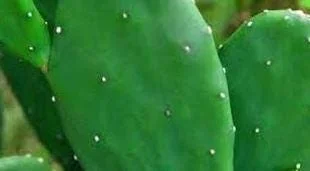
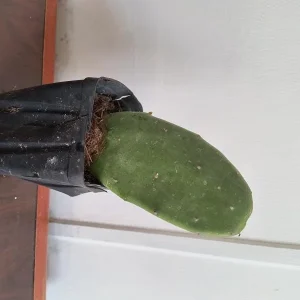
Introduce a touch of the desert landscape into your home or garden with this exquisite organic thornless prickly pear live plant. Cultivated with care in a 4-inch pot, this Opuntia ficus-indica variety is celebrated for its smooth, spineless pads, making it a safe and attractive addition to any collection. Unlike its thorny relatives, this particular prickly pear allows for easier handling and harvesting, should you choose to enjoy its edible pads or fruits. It is a resilient and visually striking succulent, perfect for those seeking low-maintenance yet impactful greenery. Whether you’re a seasoned gardener or just starting your plant journey, the organic thornless prickly pear offers an intriguing and rewarding growing experience.
The common name, prickly pear, often conjures images of sharp spines, but this specific cultivar defies that expectation, providing all the beauty without the typical hazard. Its architectural form and potential for vibrant seasonal blooms and fruits make it a captivating specimen. This plant is a fantastic choice for xeriscaping, rock gardens, or as a distinctive potted plant indoors or on a sunny patio.
Key Benefits
Cultivating an organic thornless prickly pear offers a multitude of advantages, blending aesthetic appeal with practical benefits:
- Unique Ornamental Value: Its distinctive paddle-shaped pads create an architectural statement, adding an exotic and modern flair to any space, whether indoors or outdoors. The plant’s unique form is a conversation starter.
- Low Maintenance & Drought Tolerant: As a succulent, the organic thornless prickly pear is incredibly forgiving, requiring minimal watering and thriving in bright, sunny conditions. This makes it an ideal choice for busy individuals or those new to plant care.
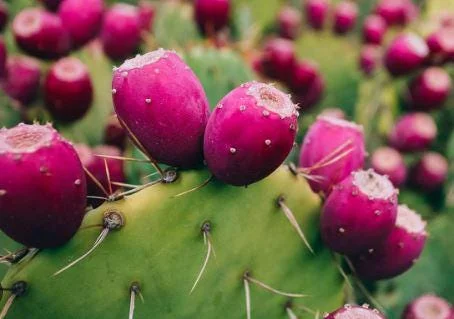
- Potential for Edible Pads and Fruit: The younger pads (nopales) and the fruits (tunas) are edible and can be used in various culinary dishes, offering a unique flavor profile and nutritional benefits. This adds a functional aspect to its beauty.
- Air Purification: Like many plants, the prickly pear contributes to a healthier indoor environment by naturally filtering air and producing oxygen, enhancing your living space.
- Adaptable to Various Climates: While preferring warm climates, this succulent can adapt to a range of environments, making it versatile for different growing zones or as a potted specimen that can be brought indoors during colder months.
- Pest and Disease Resistant: Its natural hardiness makes it less susceptible to common garden pests and diseases, ensuring a more robust and hassle-free growing experience.
- Fast Growing and Propagatable: Prickly pear succulents can grow relatively quickly under ideal conditions, and their pads can be easily propagated to create new plants, expanding your collection or sharing with friends.
Plant Care & Growing Tips
Caring for your organic thornless prickly pear is straightforward, making it an excellent choice for both novice and experienced plant enthusiasts. The key to its success lies in providing ample sunlight and ensuring proper drainage. This succulent thrives in environments that mimic its natural desert habitat.
Sunlight requirements: This plant demands abundant sunlight. For optimal growth and health, provide at least 6-8 hours of direct sunlight daily. If grown indoors, place it in your brightest south-facing window. Outdoors, choose a location that receives full sun exposure throughout the day. Insufficient light can lead to leggy growth and a lack of vigor. When growing prickly pear indoors, consider rotating the pot every few weeks to ensure even light exposure on all sides.
Watering schedule and soil moisture preferences: The organic thornless prickly pear is highly drought-tolerant. Water thoroughly only when the soil is completely dry to the touch, typically every 2-4 weeks during the growing season (spring and summer). Reduce watering significantly in fall and winter. Overwatering is the most common cause of problems, leading to root rot. Ensure the pot has drainage holes to prevent water from sitting at the bottom.
Soil type and drainage requirements: Use a well-draining cactus or succulent potting mix. If creating your own, combine equal parts potting soil, coarse sand, and perlite or pumice. Excellent drainage is paramount to prevent waterlogging and maintain the health of the roots. This is crucial for successful thornless prickly pear care.
Temperature range and USDA hardiness zone: This succulent prefers warm temperatures, ideally between 65-100°F (18-38°C). It can tolerate brief dips below freezing but is generally best protected from prolonged cold. It is typically hardy in USDA Zones 9-11 outdoors, but can be grown as a container plant and moved indoors in colder regions. Protect from frost.
Fertilization schedule and type: Fertilize sparingly, once or twice during the active growing season (spring/summer), using a balanced, diluted liquid fertilizer formulated for succulents or cacti. Avoid fertilizing during the dormant period. Excessive fertilization can harm the plant.
Common problems and solutions: The most common issue is overwatering, leading to soft, mushy pads and root rot. If this occurs, reduce watering frequency and ensure proper drainage. Pests are rare but can include mealybugs or scale. Treat with insecticidal soap or neem oil if observed. Ensure good air circulation to prevent fungal issues.
Size & Details
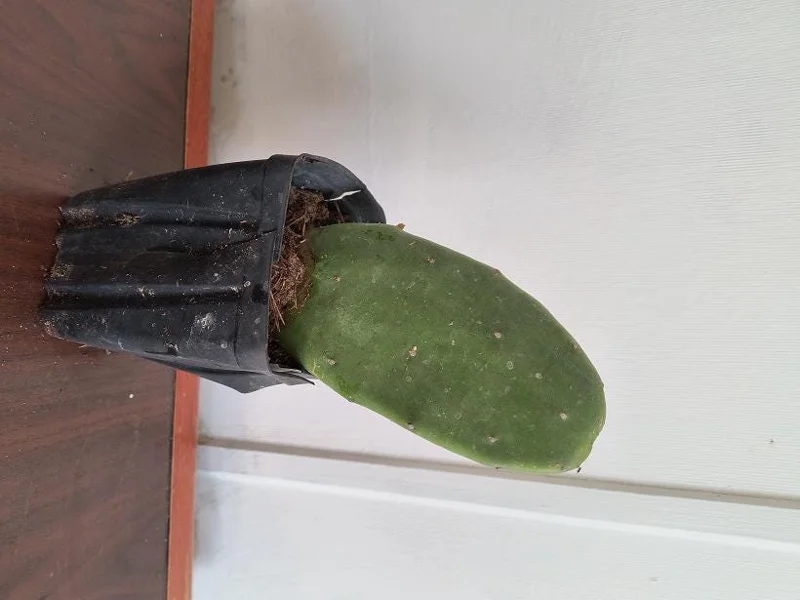
This organic thornless prickly pear live plant is supplied in a 4-inch nursery pot, providing a healthy root system ready for transplanting or enjoying as is. At the time of shipping, the plant typically stands between 4-8 inches tall, depending on growth and current availability. It exhibits a moderate growth rate, and with proper care, can grow into a substantial specimen several feet tall and wide over time, especially when planted outdoors in ideal conditions. The pads are a vibrant green, often developing a reddish tint in strong sunlight or cooler temperatures. This plant is shipped as a rooted cutting or a young, established plant, ensuring a strong start for your garden or indoor collection.
Frequently Asked Questions
- Q: How big does this plant get? A: While shipped in a 4-inch pot, a mature organic thornless prickly pear can grow quite large, reaching several feet in both height and width when planted in the ground in suitable climates. As a potted plant, its size will be more constrained by the pot size and pruning.
- Q: Is this an indoor or outdoor plant? A: This plant can thrive both indoors and outdoors. Outdoors, it prefers warm, sunny climates (USDA Zones 9-11). Indoors, it needs a very bright, sunny location, such as a south-facing window, to flourish.
- Q: How much sunlight does it need? A: The organic thornless prickly pear requires a minimum of 6-8 hours of direct sunlight daily. The more sun it receives, the healthier and more robust its growth will be.
- Q: Is this plant easy to care for? A: Yes, it is considered very easy to care for. Its drought tolerance and minimal needs make it perfect for beginners and those looking for a low-maintenance succulent. Proper watering is the main key to successful thornless prickly pear care.
- Q: What condition will it arrive in? A: Your organic thornless prickly pear will arrive as a healthy, rooted plant in its 4-inch nursery pot, carefully packaged to ensure its safe journey to your home. We take great care in preparing our plants for shipment.
- Q: Can I eat the pads or fruit? A: Yes, the young pads (nopales) and the fruits (tunas) of Opuntia ficus-indica are edible. They are a popular ingredient in various cuisines, particularly in Mexican dishes. This makes edible prickly pear a dual-purpose plant.
- Q: What’s the best soil for this plant? A: A well-draining soil mix is crucial. Use a specialized cactus or succulent potting mix, or create your own by amending regular potting soil with sand and perlite to improve drainage.
- Q: When is the best time to plant or repot? A: The best time to plant or repot is during the active growing season, typically spring or early summer, when temperatures are consistently warm. This allows the plant to establish itself quickly.
- Q: Will it survive winter in my zone? A: If you live in USDA Zones 9-11, it can likely survive winter outdoors. In colder zones, it must be brought indoors before the first frost and kept in a bright, cool location until spring.
- Q: How often should I water my prickly pear? A: Water thoroughly but infrequently. Allow the soil to dry out completely between waterings. In summer, this might be every 2-4 weeks; in winter, even less frequently, perhaps once a month or less. Overwatering is the biggest mistake when growing prickly pear.


Reviews
There are no reviews yet.