Overview
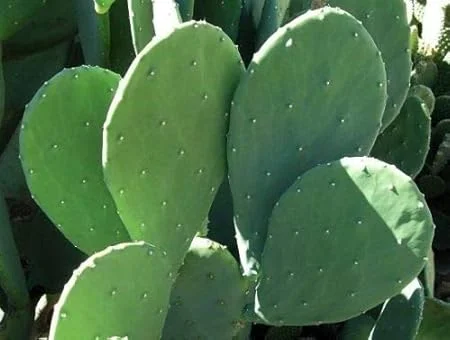
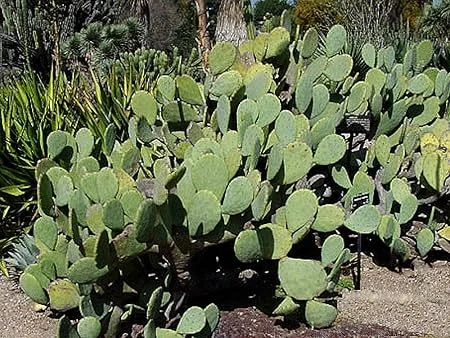
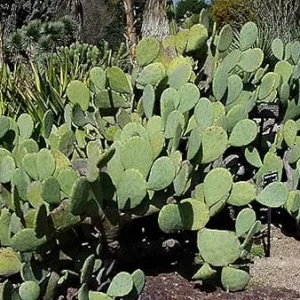
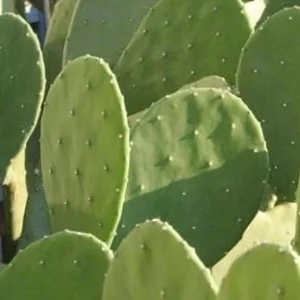
Discover the beauty and resilience of the thornless prickly pear live plant, a remarkable succulent that offers the iconic look of a prickly pear without the hassle of spines. This particular variety, often referred to as spineless prickly pear (Opuntia ficus-indica ‘Burbank’s Spineless’ or similar cultivars), is a fantastic choice for gardeners seeking a low-maintenance, visually appealing plant. Originating from arid regions, this live plant is incredibly adaptable, thriving in conditions where many other plants struggle. It’s an excellent option for xeriscaping, rock gardens, or as a distinctive potted specimen on a patio or indoors in a brightly lit room. Its unique pads and potential for edible fruits make it a fascinating and rewarding addition to any plant collection. As a succulent live plant, it stores water in its pads, allowing it to endure long periods without frequent watering, making it a truly drought tolerant plant.
Key Benefits
The thornless prickly pear live plant offers a multitude of benefits, from its aesthetic appeal to its remarkably low-maintenance nature. It’s a versatile succulent that can enhance various garden styles and indoor spaces.
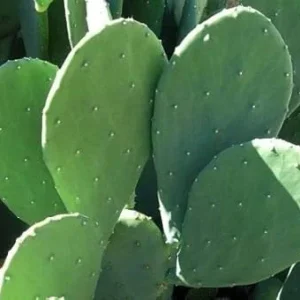
- Safe and Easy Handling: Unlike traditional prickly pears, this variety lacks the sharp spines and glochids, making it much safer to handle during planting, pruning, and general care. This feature is especially beneficial for homes with children or pets.
- Drought Tolerance: As a true drought tolerant plant, the thornless prickly pear is perfectly suited for arid climates or water-wise gardening. It requires minimal watering once established, conserving precious resources and reducing your gardening workload.
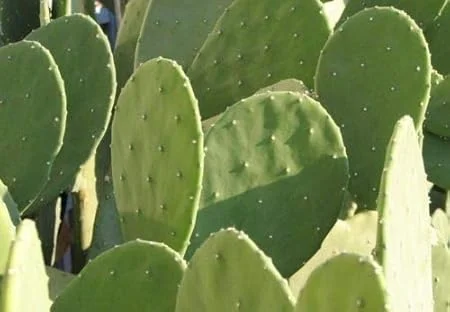
- Architectural Interest: Its unique, paddle-shaped pads create a striking visual impact, adding a modern and exotic touch to landscapes and indoor decor. It serves as an excellent focal point or a fascinating textural element in succulent arrangements.
- Edible Potential: The pads (nopales) and fruits (tunas) of many Opuntia ficus-indica varieties are edible, offering a unique culinary experience. While not all spineless varieties are grown primarily for fruit, many can produce delicious, sweet tunas and tender nopales when mature.
- Low Maintenance: This succulent live plant is incredibly forgiving, requiring little more than ample sunlight and well-draining soil. It’s an ideal choice for busy gardeners or those new to plant care, offering beauty without demanding constant attention.
- Versatile Placement: Suitable for both indoor and outdoor environments, the thornless prickly pear live plant can adapt to various settings. It thrives in containers on sunny patios or as a robust groundcover in appropriate climates.
Plant Care & Growing Tips
Caring for your thornless prickly pear live plant is surprisingly straightforward, thanks to its resilient succulent nature. The key to success lies in providing ample sunlight and ensuring excellent drainage to prevent root rot. This plant thrives in bright, direct sunlight for at least 6-8 hours daily. If growing indoors, place it in your brightest south-facing window, or consider supplemental grow lights if natural light is insufficient. Outdoors, choose a location that receives full sun throughout the day.
When it comes to watering, less is often more. Allow the soil to dry out completely between waterings. During the active growing season (spring and summer), you might water every 2-4 weeks, depending on your climate and pot size. In fall and winter, reduce watering significantly, perhaps once a month or even less. Overwatering is the most common cause of failure for this succulent live plant. Use a well-draining soil mix, specifically formulated for cacti and succulents, or amend regular potting soil with perlite or pumice to improve drainage. A good soil mix will ensure that water does not sit around the roots, preventing fungal issues. The spineless prickly pear is particularly sensitive to cold, so protect it from frost. It is generally hardy in USDA zones 9-11, but can be grown as a potted plant and brought indoors in colder regions.
Fertilization is rarely necessary for the thornless prickly pear live plant. If you choose to fertilize, do so sparingly during the spring and summer with a balanced, diluted liquid fertilizer formulated for cacti. Avoid fertilizing in fall and winter when the plant is dormant. Pruning is usually for shaping or removing damaged pads. You can propagate new plants easily by simply breaking off a pad, allowing it to callus for a few days, and then planting it in dry, well-draining soil. This makes expanding your collection or sharing with friends incredibly simple. With proper care, your opuntia ficus-indica will flourish and become a striking feature in your garden or home.
Size & Details
This thornless prickly pear live plant typically ships as a rooted cutting or a young plant with 1-3 pads. The size can vary, but generally, it will be between 4-8 inches tall when shipped. These plants have a moderate growth rate and can eventually reach impressive sizes, often growing several feet tall and wide in ideal outdoor conditions. As a potted specimen, its size can be managed through pruning and pot size. Expect your spineless prickly pear to establish quickly once planted in its new home. It will arrive carefully packaged to ensure its health and vitality during transit. While exact measurements may vary, each plant is selected for its robust health and readiness to thrive.
Frequently Asked Questions
- Q: How big does this thornless prickly pear live plant get? A: In ideal outdoor conditions, the thornless prickly pear live plant can grow several feet tall and wide, sometimes reaching 6-10 feet. When grown in a pot, its size can be controlled by the pot’s dimensions and occasional pruning.
- Q: Is this an indoor or outdoor plant? A: This versatile succulent live plant can thrive both indoors and outdoors. Outdoors, it prefers full sun and is hardy in USDA Zones 9-11. Indoors, it needs a very bright, sunny location, like a south-facing window.
- Q: How much sunlight does it need? A: The thornless prickly pear live plant requires a minimum of 6-8 hours of direct sunlight per day to grow optimally. The more sun it receives, the healthier and more robust it will be.
- Q: Is this plant easy to care for? A: Yes, the spineless prickly pear is considered very easy to care for, making it an excellent choice for beginners. Its primary needs are abundant sunlight and infrequent watering.
- Q: What condition will it arrive in? A: Your thornless prickly pear live plant will arrive carefully packaged, typically as a healthy, rooted plant or cutting, ready to be potted or planted. We take great care to ensure it reaches you in excellent condition.
- Q: Is it shipped in soil? A: Often, the plant is shipped bare-root or with minimal soil to reduce weight and prevent damage during transit. You will need to plant it in appropriate succulent soil upon arrival.
- Q: Can I eat the pads or fruits of this opuntia ficus-indica? A: While many opuntia ficus-indica varieties are edible, specific cultivars may vary in taste and texture. If you intend to consume them, ensure you research the specific variety you have and prepare them properly.
- Q: Is this a drought tolerant plant? A: Absolutely! The thornless prickly pear live plant is highly drought-tolerant, making it an excellent choice for xeriscaping and water-wise gardens. It stores water in its pads and can withstand long periods without rain.
- Q: What’s the best soil for this succulent? A: A well-draining cactus and succulent mix is ideal. You can also create your own by mixing regular potting soil with perlite, pumice, or coarse sand to improve drainage.
- Q: Will it survive winter in colder zones? A: In zones colder than USDA Zone 9, the thornless prickly pear live plant will need protection from frost. It can be grown in containers and brought indoors during the winter months to protect it from freezing temperatures.


Reviews
There are no reviews yet.