Overview
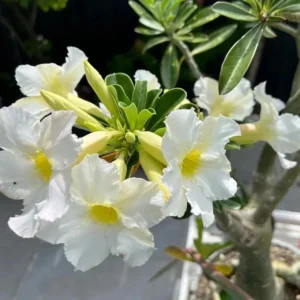
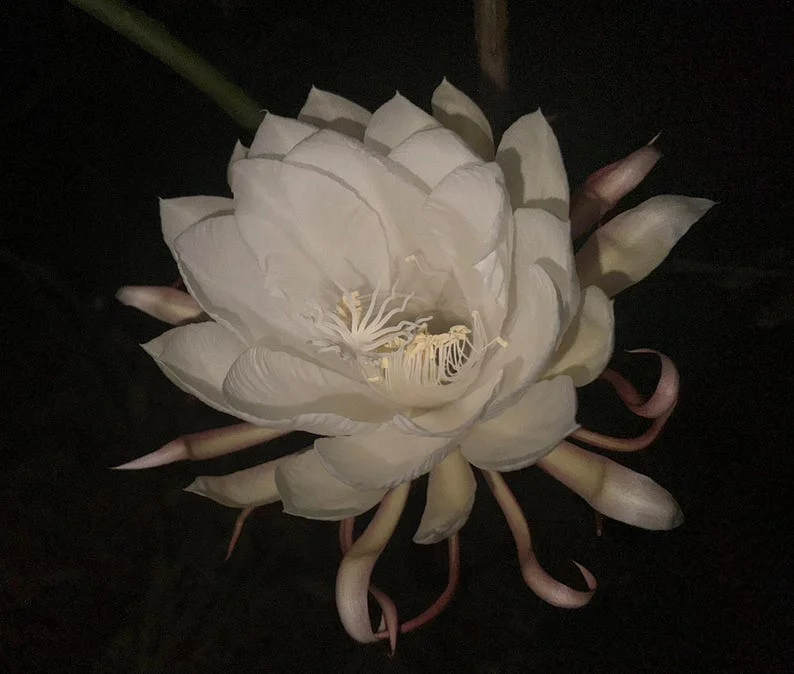
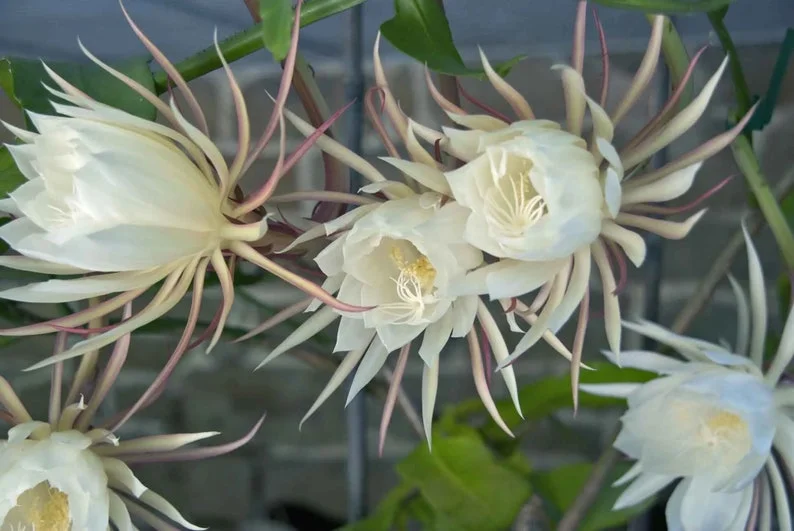
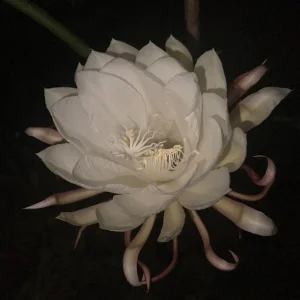
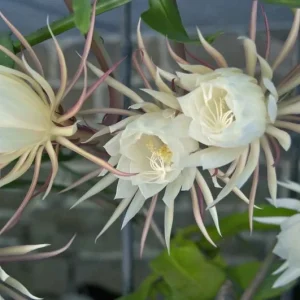
Welcome the mesmerizing queen of the night cactus into your home or garden. This extraordinary live plant, scientifically known as Epiphyllum oxypetalum, is celebrated for its breathtaking, large white flowers that unfurl only after dusk, exuding an intoxicating fragrance throughout the night before gently closing with the morning sun. Also commonly referred to as the night blooming cereus, this succulent offers a truly unique and unforgettable botanical experience. Our plant comes pre-potted in a half-gallon container, providing a well-established root system and a head start for you to enjoy its spectacular display. It’s an ideal choice for plant enthusiasts seeking a dramatic and rewarding specimen that brings an air of mystery and beauty to any space.
The queen of the night cactus is not a true cactus but rather an epiphytic succulent, meaning it naturally grows on other plants (like trees) in its native tropical rainforest habitats, absorbing nutrients from the air and rain. This fascinating characteristic influences its care requirements, making it distinct from desert cacti. Its long, flat, leaf-like stems contribute to its elegant appearance even when not in bloom. Prepare to be enchanted by its fleeting yet magnificent blossoms, a true spectacle that transforms your evenings.
Key Benefits
The queen of the night cactus offers a range of compelling benefits that make it a cherished addition to any plant collection. Its unique attributes provide both aesthetic pleasure and a fulfilling gardening experience.
- Spectacular Nocturnal Blooms: Witness the awe-inspiring beauty of large, pure white flowers that open exclusively at night, creating a magical atmosphere. Each bloom is a temporary masterpiece, making its appearance all the more special.
- Intoxicating Fragrance: The flowers of the queen of the night cactus emit a rich, sweet perfume that can fill an entire room or patio, providing a delightful sensory experience that complements its visual appeal.
- Unique Growth Habit: Its distinctive flat, green stems create an interesting architectural form, offering visual interest even when the plant is not in flower, making it a unique ornamental plant.
- Relatively Low Maintenance: Once established, this succulent is quite forgiving and requires less frequent watering compared to many other houseplants, ideal for busy gardeners.
- Conversation Starter: The dramatic and ephemeral nature of its blooms makes the night blooming cereus a fantastic talking point and a source of wonder for guests and family.
- Adaptable to Various Settings: Thrives equally well as an indoor potted plant near a bright window or as an outdoor patio plant in frost-free regions, offering versatility in placement.
- Rewarding Cultivation: Successfully coaxing this plant to bloom is a highly rewarding experience, offering a sense of accomplishment and the joy of witnessing nature’s artistry.
Plant Care & Growing Tips
Caring for your queen of the night cactus is a rewarding experience that requires understanding its unique needs as an epiphytic succulent. Proper care ensures robust growth and abundant, fragrant blossoms. This plant thrives in conditions that mimic its native tropical environment, focusing on humidity, indirect light, and well-draining soil.
Sunlight Requirements: The epiphyllum oxypetalum prefers bright, indirect light. Direct, harsh sunlight, especially during the hottest parts of the day, can scorch its delicate stems. If growing indoors, an east-facing window is ideal, providing gentle morning sun. If outdoors, place it in a shaded area where it receives filtered light, such as under a tree or on a covered patio. Insufficient light can lead to leggy growth and reduced flowering, while too much sun can cause yellowing or reddish discoloration of the stems.
Watering Schedule and Soil Moisture: Water thoroughly when the top inch or two of soil feels dry to the touch. Allow excess water to drain completely from the pot. Overwatering is a common cause of root rot for this plant. Reduce watering significantly during its dormant period in winter. During the active growing and blooming season (spring through fall), it may require more frequent watering. The fragrant night bloomer appreciates consistent moisture but never soggy conditions.
Soil Type and Drainage Requirements: Use a well-draining potting mix specifically formulated for succulents or cacti, or create your own by mixing equal parts potting soil, perlite, and orchid bark. This ensures excellent drainage and aeration, preventing waterlogged roots. A good mix will mimic the airy, organic matter found in its natural habitat. Ensure your pot has drainage holes.
Temperature Range and USDA Hardiness Zone: This tropical succulent prefers temperatures between 60-75°F (15-24°C). It is not frost-tolerant and should be protected from temperatures below 40°F (4°C). In the US, it is generally suited for outdoor cultivation in USDA Zones 10-11. In cooler zones, it must be brought indoors before the first frost. Provide good air circulation to prevent fungal issues.
Fertilization Schedule and Type: Feed your large flowering cactus with a balanced liquid fertilizer (e.g., 5-10-5 or 10-10-10) diluted to half strength every 2-4 weeks during its active growing season (spring and summer). Reduce or cease fertilization during fall and winter when the plant is dormant. A fertilizer higher in phosphorus can encourage blooming.
Size & Details
This queen of the night cactus is provided as a healthy, actively growing live plant, cultivated in a half-gallon nursery pot. The plant’s overall size will vary, but typically it will have multiple flat, leaf-like stems ranging from 6 to 12 inches or more in length, ready to develop into a mature specimen. While the exact height and width depend on individual growth patterns, expect a robust starter plant that is well-rooted and prepared for transplanting or continued growth in its current container. The epiphyllum oxypetalum is a relatively fast grower under optimal conditions, with mature plants capable of reaching several feet in length, especially when allowed to trail or climb. Expect the first blooms to appear once the plant is well-established and mature, typically within 1-3 years from a young plant. It ships as a potted plant, ensuring minimal stress during transit and an easy transition into your home.
Frequently Asked Questions
- Q: How big does this plant get? A: The queen of the night cactus can grow quite large, with stems reaching several feet in length. In a pot, its size can be managed with pruning, but it can become a substantial trailing or climbing plant.
- Q: What size pot does it come in? A: This plant comes in a half-gallon nursery pot, providing a good foundation for its initial growth. You may consider repotting into a slightly larger pot (e.g., 1-2 gallon) as it grows.
- Q: Is this an indoor or outdoor plant? A: It can be both! The queen of the night cactus thrives outdoors in frost-free regions (USDA Zones 10-11) in shaded areas. In cooler climates, it makes an excellent indoor houseplant near a bright, indirect light source, or a patio plant that is brought inside for winter.
- Q: How much sunlight does it need? A: This plant prefers bright, indirect light. Avoid direct afternoon sun, which can scorch its leaves. Morning sun is generally tolerated and beneficial.
- Q: Is this plant easy to care for? Is it good for beginners? A: Yes, the night blooming cereus is generally considered easy to care for, especially for those with some experience with succulents. Its needs are straightforward, making it a good choice for beginners willing to learn its specific requirements.
- Q: What condition will it arrive in? Is it shipped in soil? A: Your queen of the night cactus will arrive as a live, potted plant in its half-gallon nursery container with soil, carefully packaged to ensure its safety during transit.
- Q: How long until it blooms? When is the best time to plant? A: A well-established plant can bloom once it reaches maturity, typically after 1-3 years of growth. The best time to plant or repot is in spring or early summer, allowing it to establish before its active growing season.
- Q: Will it survive winter in my zone? What’s the minimum temperature? A: This plant is sensitive to cold. It will survive winter outdoors only in USDA Zones 10-11. In other zones, it must be protected from temperatures below 40°F (4°C) and brought indoors.
- Q: Is the fragrant night bloomer pet-safe? A: While generally considered non-toxic to pets, it’s always best to prevent pets from ingesting any part of the plant to avoid potential mild digestive upset.
- Q: How often does the large flowering cactus bloom? A: With proper care, a mature epiphyllum oxypetalum can bloom multiple times during its blooming season, which typically spans from late spring through fall. Individual flowers only last one night.


Reviews
There are no reviews yet.