Overview
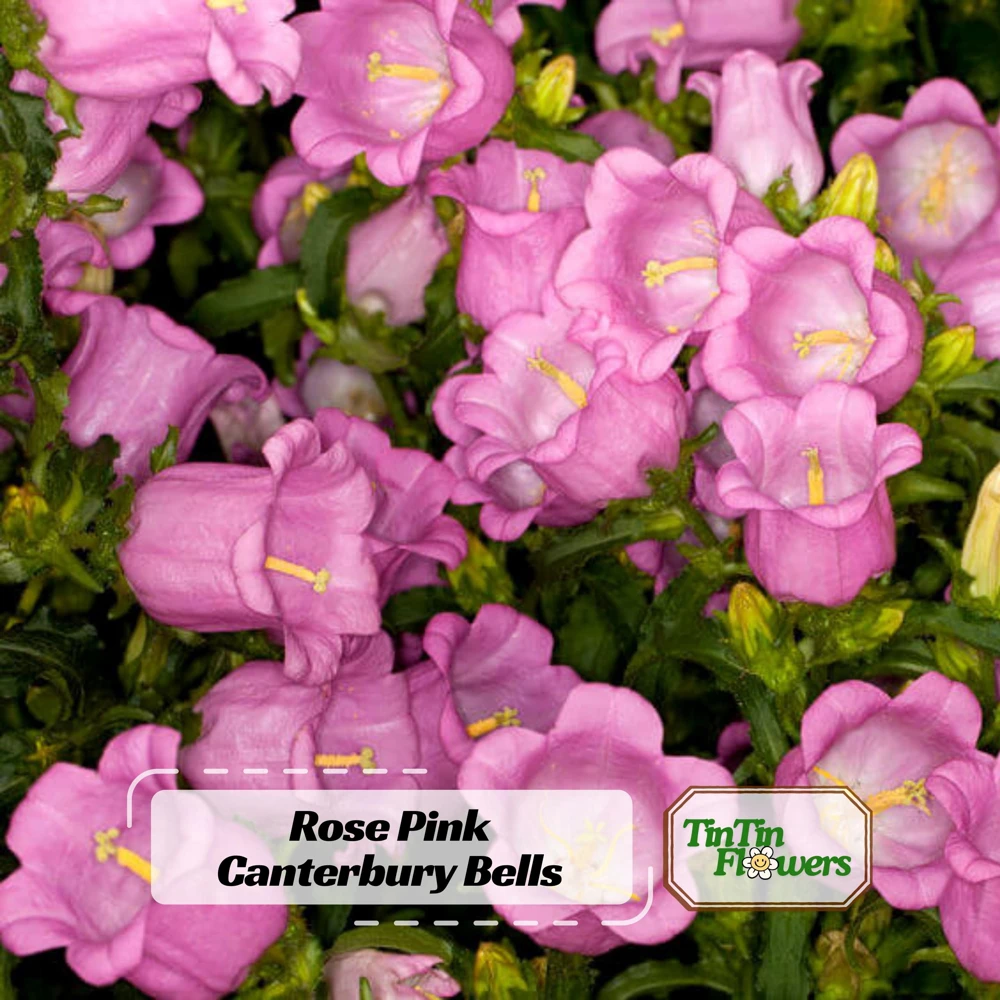
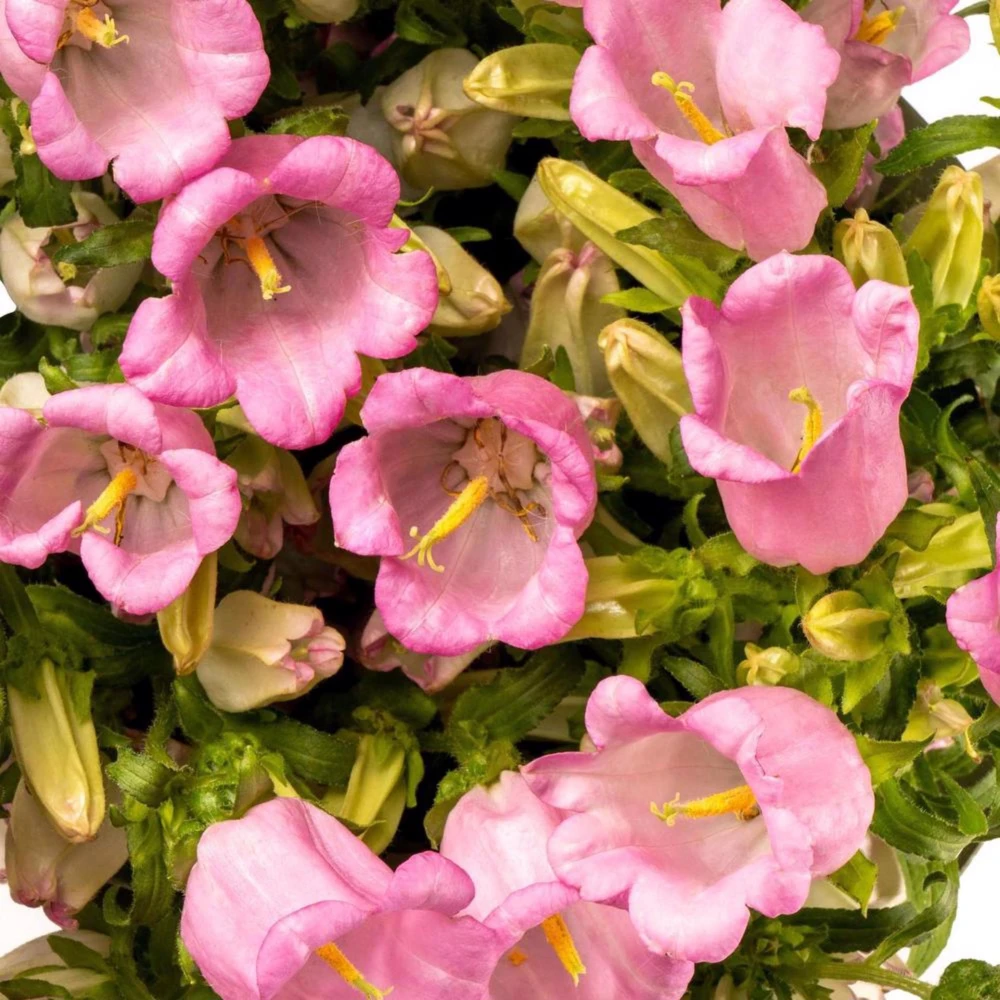
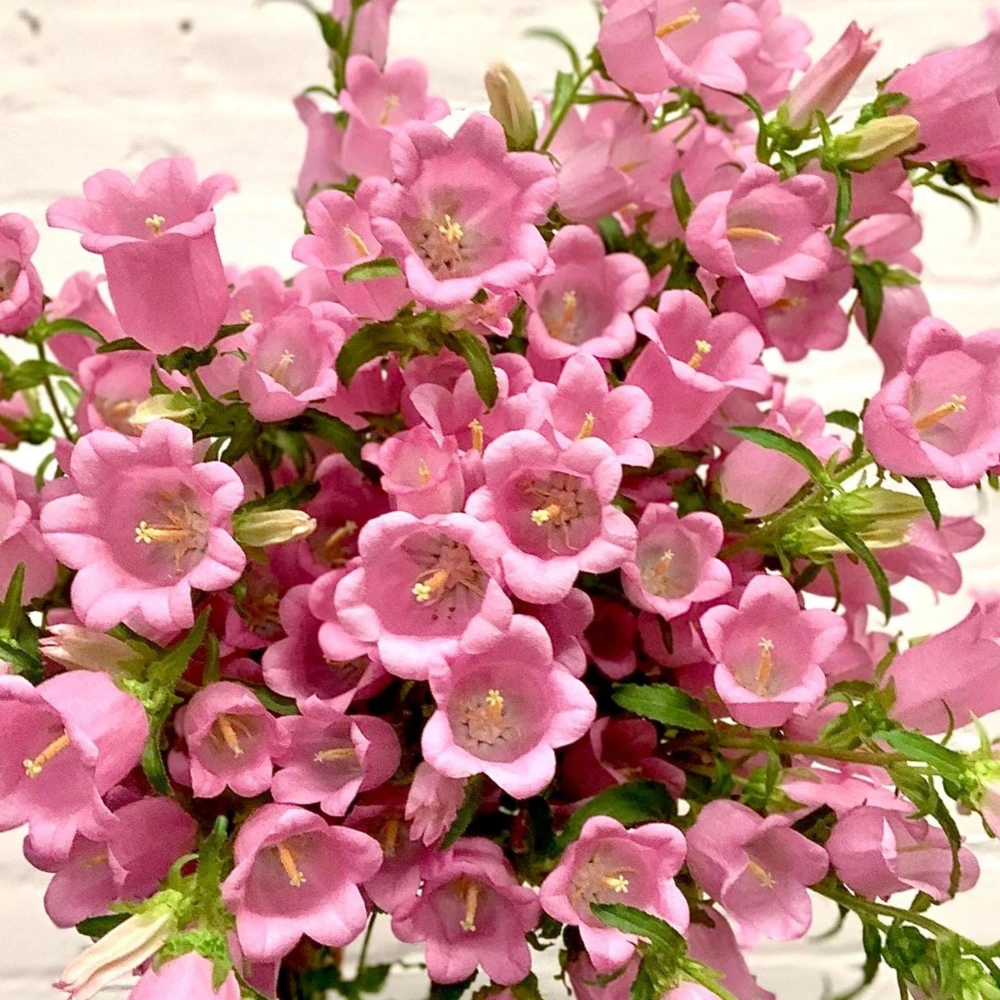
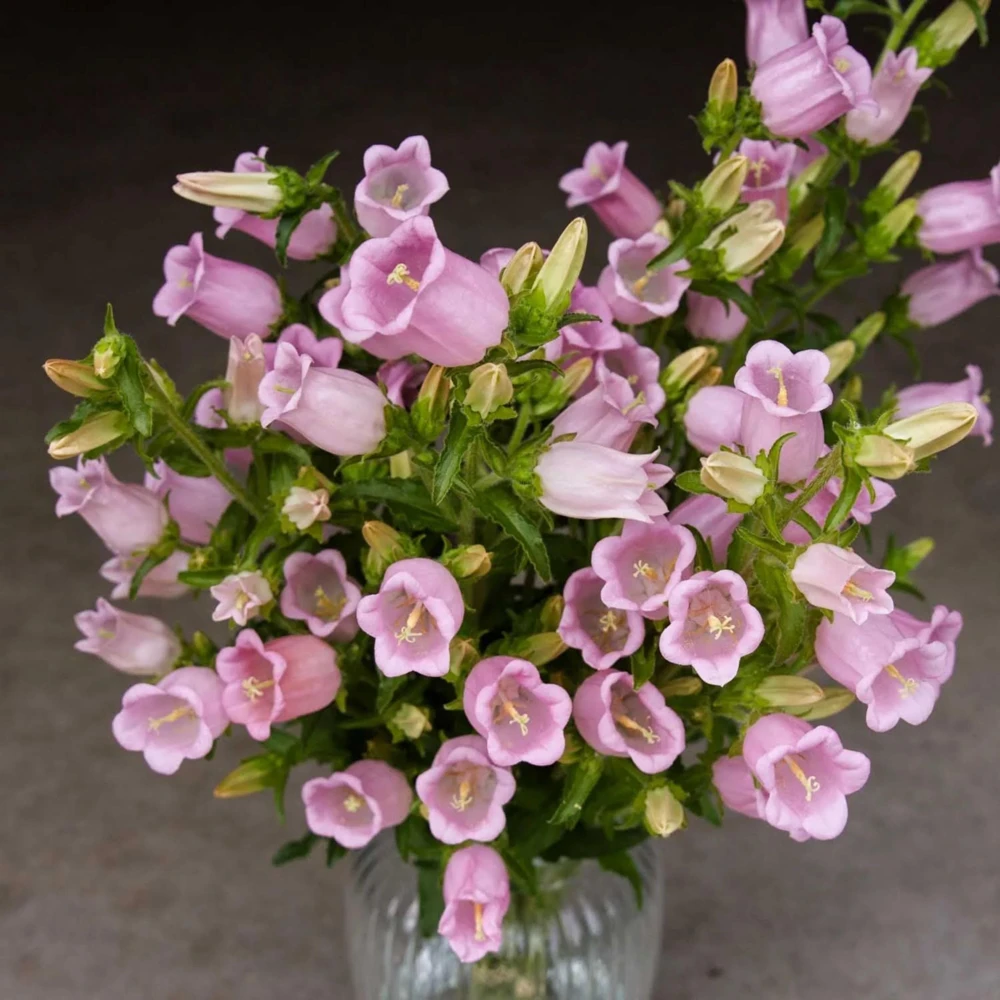
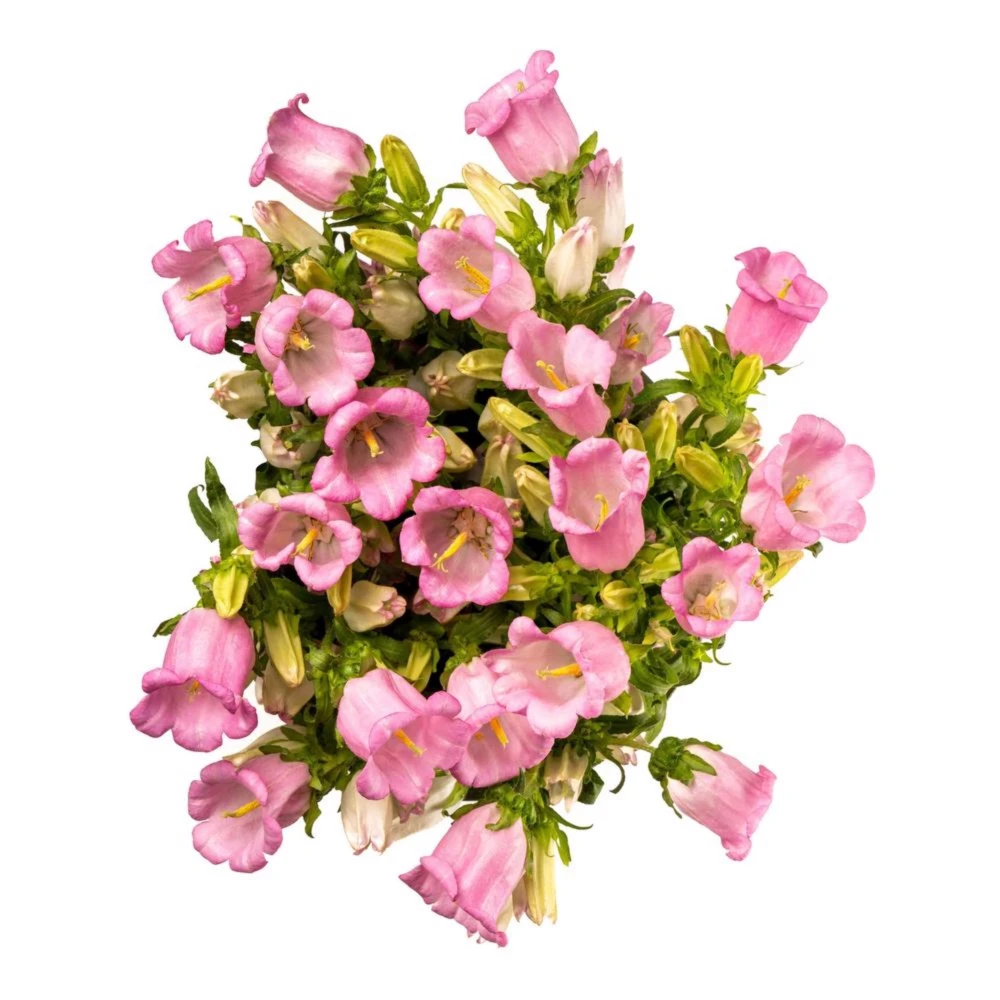
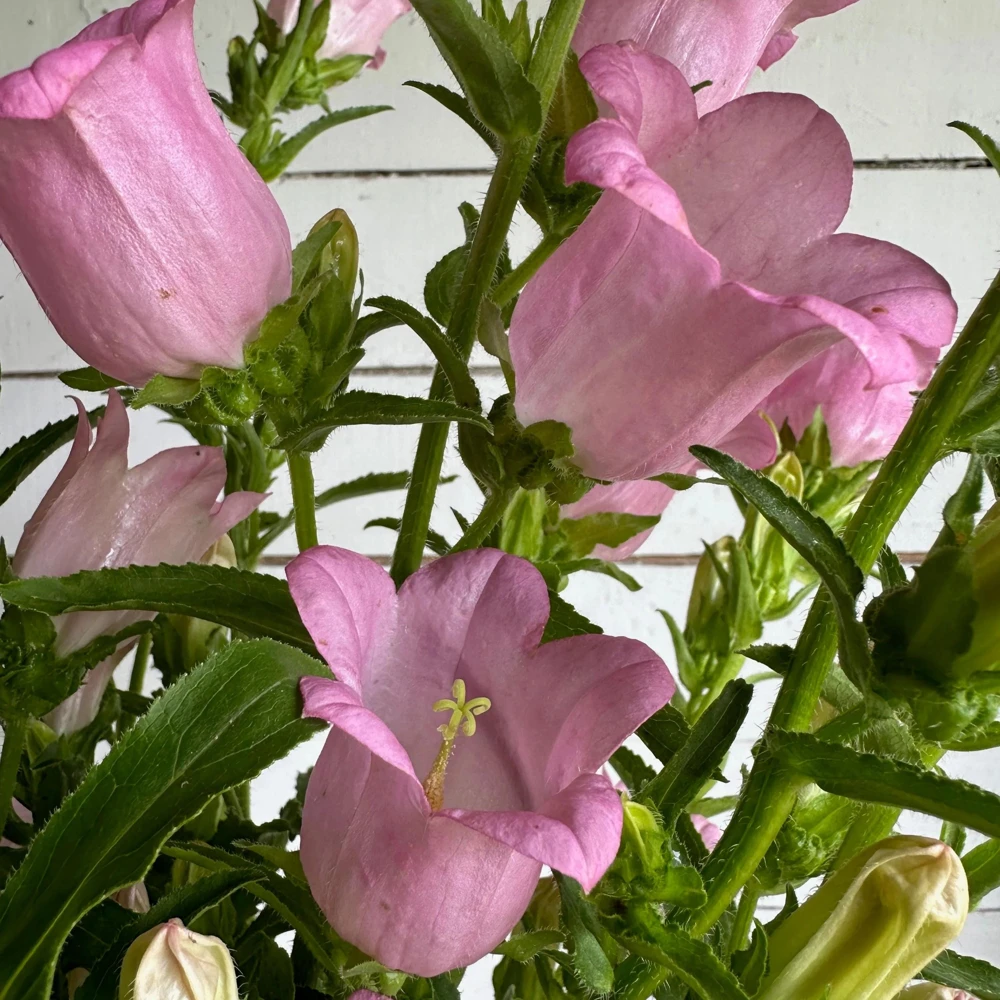
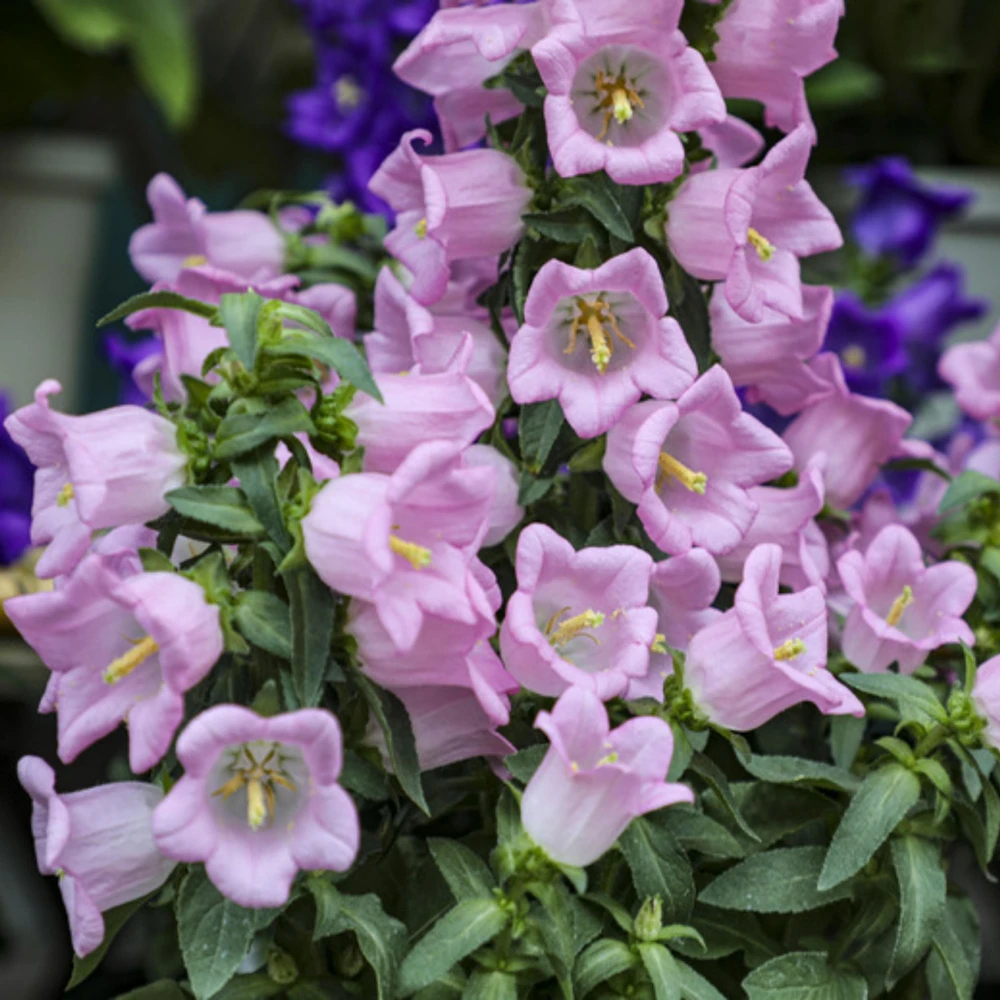
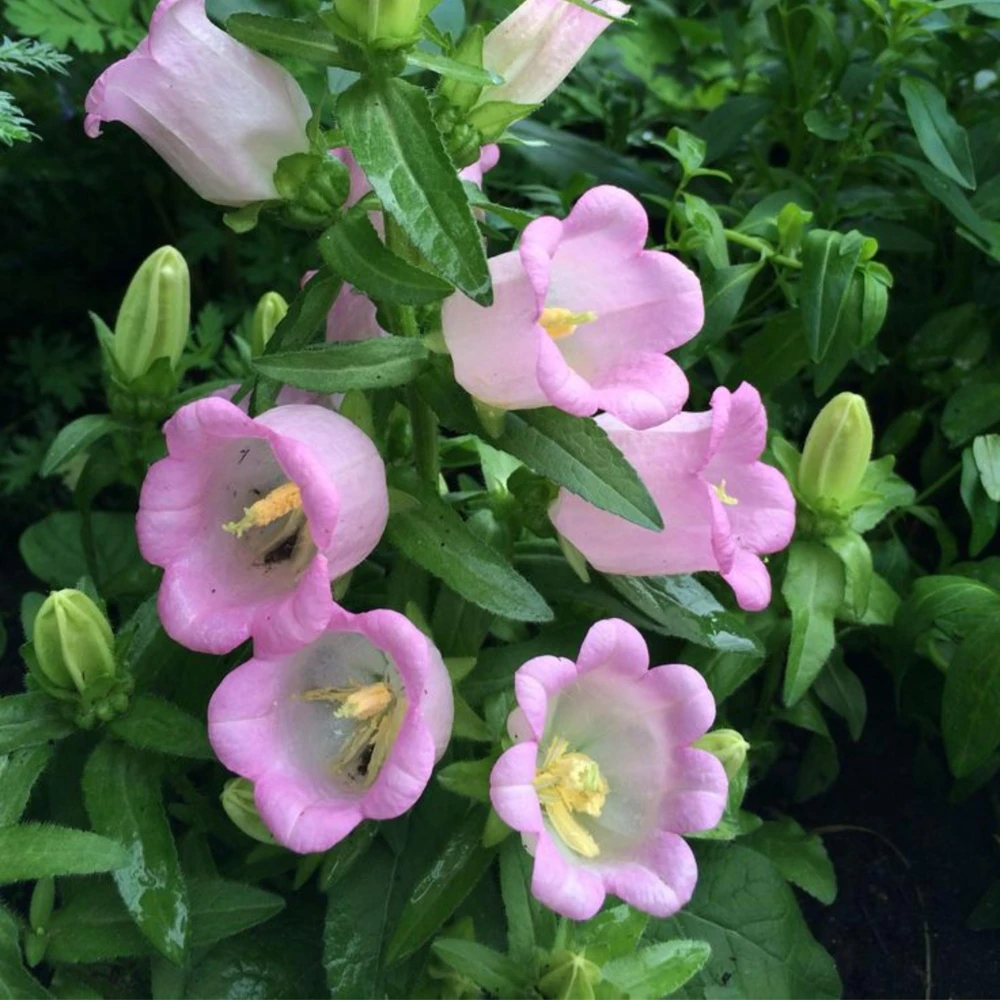
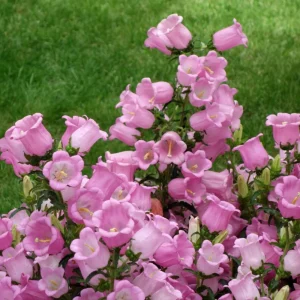
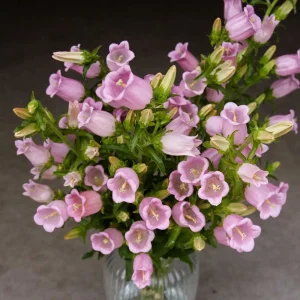
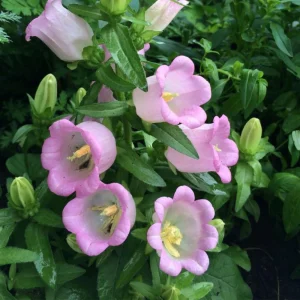
Transform your garden into a picturesque haven with our premium Rose Pink Canterbury Bells seeds. These exquisite seeds (Campanula medium) promise a breathtaking display of elegant, bell-shaped flowers in a charming rose-pink hue. A timeless cottage garden favorite, these biennials are celebrated for their tall, sturdy stems adorned with delicate blooms that emerge from late spring through early summer. Perfect for creating spectacular visual interest in borders, cutting gardens, and pollinator-friendly landscapes, Rose Pink Canterbury Bells seeds are an essential addition for any gardener seeking classic beauty and a touch of vintage charm. Each pack provides 20 seeds, offering a generous start to your floral adventure.
Campanula medium, commonly known as Canterbury Bells, is a beloved biennial plant that establishes its foliage in the first year and produces its magnificent flowers in the second. These easy-to-grow seeds yield robust plants that add significant height and soft color to sunny or partially shaded garden spots. Beyond their ornamental value, the long-lasting blooms are a magnet for bees, butterflies, and other beneficial pollinators, contributing to a vibrant and healthy garden ecosystem.
Key Benefits
Planting Rose Pink Canterbury Bells seeds offers a multitude of benefits, enhancing both the aesthetic and ecological value of your outdoor space. These beautiful flowers provide a classic touch to any garden design and are surprisingly low-maintenance once established.
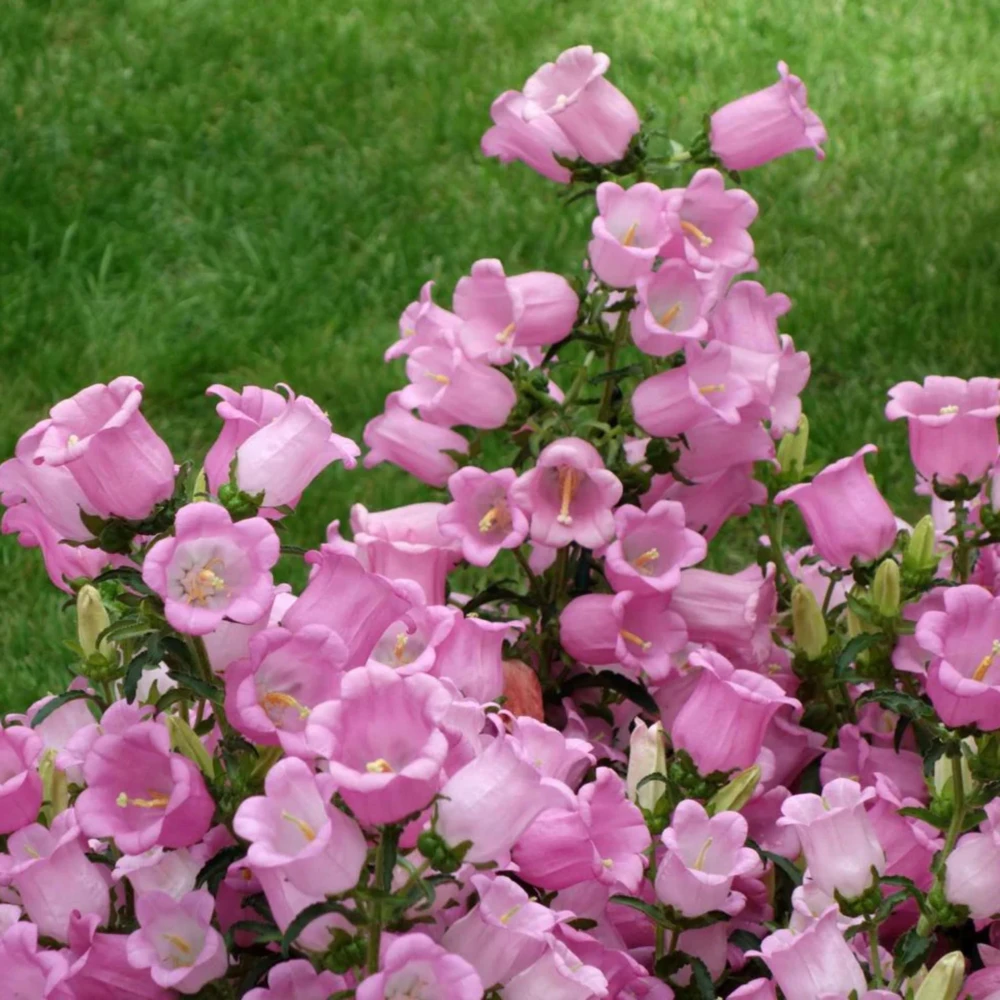
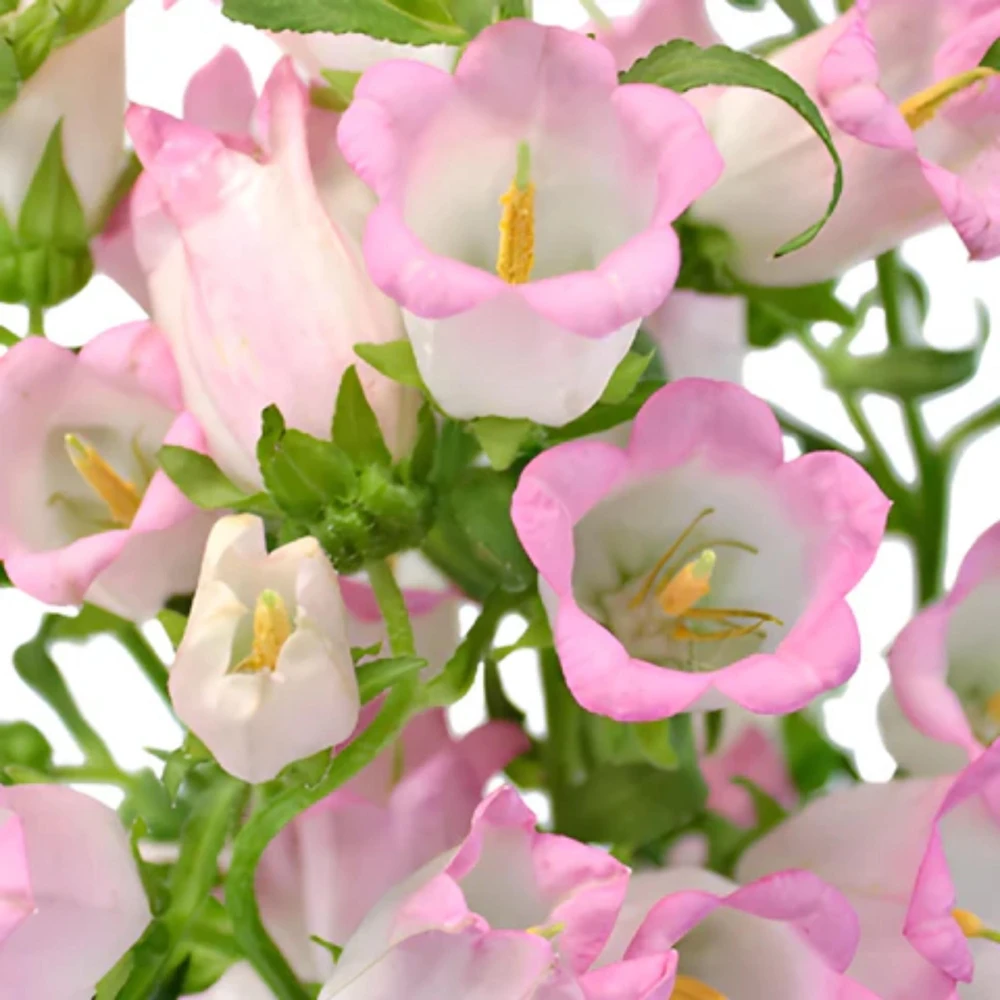
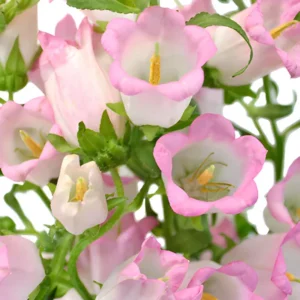
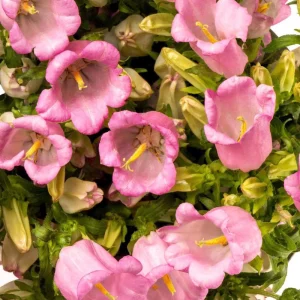
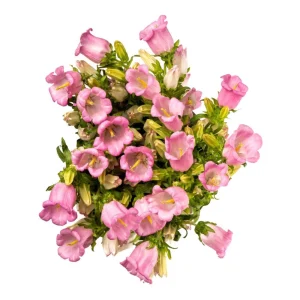
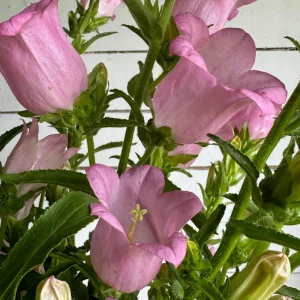
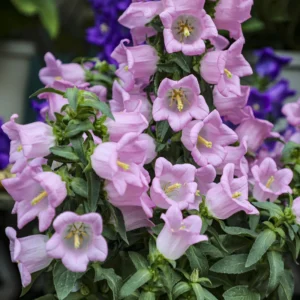
- Elegant, Bell-Shaped Blooms: Enjoy the unique beauty of large, graceful bell-shaped flowers in a captivating rose-pink color, perfect for adding sophistication to your garden.
- Attracts Pollinators: The nectar-rich flowers are a favorite of bees, butterflies, and other beneficial insects, helping to support local ecosystems and improve garden health. Growing pink bell flower seeds contributes to biodiversity.
- Ideal for Cottage Gardens: A quintessential cottage garden flower, these plants provide a classic, romantic aesthetic, blending seamlessly with other traditional garden favorites.
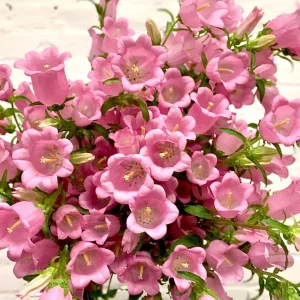
- Excellent Cut Flowers: The sturdy stems and long-lasting blooms make them outstanding choices for fresh-cut floral arrangements, bringing garden beauty indoors.
- Easy to Grow Biennial: Despite their elegant appearance, these plants are easy to start from seed and require minimal fuss, making them rewarding for gardeners of all experience levels.
- Adds Height and Structure: Growing up to 36 inches tall, they provide excellent vertical interest and structure to garden beds and borders, creating dynamic visual layers.
- Versatile Sun Requirements: Thrives in full sun to partial shade, offering flexibility in planting locations within your garden design.
Plant Care & Growing Tips
Growing Rose Pink Canterbury Bells seeds is a straightforward and rewarding process. These biennial flowers are quite resilient, but providing optimal conditions will ensure the most spectacular bloom display. Start seeds indoors 8-10 weeks before the last frost or directly sow outdoors in late spring or early summer for blooms the following year.
For successful germination, sow Campanula medium seeds on the soil surface and gently press them in; do not cover deeply as light aids germination. Maintain soil temperatures between 65–70°F (18–21°C) and keep the medium consistently moist. Germination typically occurs within 14–21 days. Once seedlings have developed several true leaves, transplant them to their final garden location, spacing them 12–18 inches apart to allow for mature growth. These biennial flower seeds will establish foliage in their first year and produce their beautiful flowers in their second.
Sunlight: Provide full sun in cooler climates or partial shade in warmer regions for the best flowering performance. Adequate sunlight is crucial for robust growth and abundant blooms. Watering: Water regularly during establishment. Mature plants prefer evenly moist, well-drained soil. Avoid waterlogging, which can lead to root rot. Soil: Well-draining soil is essential. Amend heavy clay soils with organic matter to improve drainage. A slightly alkaline to neutral pH (6.0-7.5) is ideal. Fertilization: A balanced, slow-release fertilizer can be applied at planting time and again in early spring of the blooming year. Avoid over-fertilizing, especially with high-nitrogen formulas, which can promote foliage at the expense of flowers. Pest and Disease: Generally resistant to most pests and diseases. Watch out for slugs and snails on young plants. Good air circulation helps prevent fungal issues. Winter Care: In colder climates, apply a layer of mulch around the base of young plants in winter to protect them from extreme temperatures.
Size & Details
Our Rose Pink Canterbury Bells seeds (Campanula medium) will grow into impressive plants that add significant visual impact to your garden. These biennial flowers typically reach a height of 24–36 inches (60–90 cm) and spread 12–18 inches (30–45 cm) wide, forming an upright growth habit. The large, bell-shaped flowers are a vibrant rose-pink, complemented by lush green foliage. You will receive one full pack containing 20 high-quality seeds, providing ample opportunity to establish a beautiful patch of these classic blooms.
Plants typically bloom from late spring through early summer in their second growing season after planting. The ease of growing these cottage garden seeds makes them a popular choice for gardeners looking to create a traditional and charming landscape. Expect a rewarding display of long-lasting flowers that are perfect for cutting and attracting beneficial garden visitors.
Frequently Asked Questions
- Q: How big do Rose Pink Canterbury Bells get? A: These plants typically grow to a height of 24–36 inches (60–90 cm) and spread about 12–18 inches (30–45 cm) wide, making them excellent for adding vertical interest to your garden beds.
- Q: Are these Rose Pink Canterbury Bells seeds for indoor or outdoor planting? A: These seeds are primarily intended for outdoor planting. While they can be started indoors to get a head start on the growing season, the mature plants thrive outdoors in garden beds, borders, or containers.
- Q: How much sunlight do Campanula medium seeds need? A: For best results, provide full sun in cooler climates. In warmer regions, partial shade is recommended, especially during the hottest part of the day, to protect the blooms and foliage.
- Q: Is this plant easy to care for? A: Yes, Rose Pink Canterbury Bells are considered easy to grow. They are relatively low-maintenance once established, requiring consistent moisture and well-drained soil. They are a great choice for gardeners of all skill levels.
- Q: What condition will the seeds arrive in? A: Your seeds will arrive in a sealed pack, ensuring their freshness and viability. Each pack contains 20 seeds, ready for sowing according to the provided instructions.
- Q: How long until these biennial flower seeds bloom? A: As biennials, these plants typically bloom in their second growing season. The first year is spent establishing foliage, and the second year brings forth their beautiful rose-pink bell-shaped flowers.
- Q: What’s the best time to plant pink bell flower seeds? A: You can sow seeds indoors 8-10 weeks before the last frost for transplanting, or directly sow them outdoors in late spring or early summer. This allows the plants to establish before winter and bloom the following year.
- Q: Will Rose Pink Canterbury Bells attract pollinators? A: Absolutely! These flowers are known to attract bees, butterflies, and other beneficial pollinators, making them a wonderful addition to any pollinator-friendly garden or landscape.
- Q: What kind of soil do these plants prefer? A: They thrive in well-draining soil. Amending heavy clay soils with organic matter can improve drainage. A slightly alkaline to neutral pH is generally preferred for optimal growth.
- Q: Do I need to do anything special for winter care? A: In colder climates, it’s advisable to apply a layer of mulch around the base of young plants in late fall. This helps protect them from harsh winter temperatures and ensures their survival for the spring bloom.


Reviews
There are no reviews yet.